Written by: Luis Teran, Co-founder, CEO, TenantEvaluation | Last updated: August 6, 2026
Key Takeaways for Florida Condo and HOA Applications
- Florida condo associations (Chapter 718) and HOAs (Chapter 720) follow different statutes with separate fee rules, disclosures, and approval procedures.
- Condo application fees are capped at $100 per applicant, while HOA fees have no statutory cap and depend on governing documents.
- Nondeveloper condo buyers receive a 7-day rescission period after contract execution and document delivery. HOA buyers receive a 3-day window after the disclosure summary.
- 2025–2026 laws including HB 913 and HB 1203 add online records posting requirements and mandatory reserve studies for qualifying condominiums.
- TenantEvaluation connects condo and HOA application workflows with automated tracking, audit-ready records, and compliance tools for Florida associations.
Condo vs HOA Application Rules: Quick Comparison
Approval Timelines for Florida Condo and HOA Applications
Florida law sets no statutory deadline for condominium purchase approvals. Each association relies on its declaration, bylaws, and board meeting schedule under Section 718.112, Florida Statutes. Professionally managed buildings often finish approvals within a few weeks. Buildings that require a formal board vote at a scheduled meeting usually take longer.
HOA approval timelines show the same variability. An HOA may require a board meeting, interview, orientation, or third-party screening step. Each extra step extends the timeline. Because Florida contracts treat time as “of the essence”, slow approvals can jeopardize closing dates and spark contract disputes.
Manual workflows create most avoidable delays. See how QuickApprove eliminates approval bottlenecks and how TenantEvaluation’s QuickApprove accelerates resident approvals inside one connected platform, while preserving control, compliance, and visibility.

Key Florida Condo Law Changes for 2025–2026
Recent legislation reshaped how Florida condo and HOA applications work. These changes affect rescission rights, records access, and long-term building health.
- HB 913 — Extended Rescission Period: As shown in the comparison table, nondeveloper condo buyers now receive a 7-day rescission window, excluding weekends and holidays, effective July 1, 2025. This protection applies only to condominiums under Chapter 718 and does not extend to HOA buyers under Chapter 720.
- HB 913 — Condo Online Records: HB 913 introduced new online records posting thresholds, detailed in the table above. The law lowered the prior 150-unit website requirement to 25 units, which speeds up buyer document access and due diligence.
- HB 1203 — HOA Online Records: HB 1203 created a 100-parcel threshold for HOA online records posting, also summarized in the table. Larger HOAs must now maintain specified records on a website.
- Mandatory Reserve Studies: Post-Surfside legislation requires milestone structural inspections and reserve studies for condominiums three stories or taller. Condo boards can no longer waive reserve funding. These requirements do not apply to HOAs under Chapter 720.
- Annual Budget Disclosure: Condominium and homeowners associations must provide members with annual budgets so owners can see how funds are allocated and whether reserves align with statutory requirements.
These legislative changes directly affect how buyers and associations manage approvals and timelines. Clear expectations around approval difficulty help buyers plan realistic closing dates.
HOA Approval Difficulty Across Florida Communities
Florida condominium associations usually apply stricter tenant approval standards than HOAs because residents share buildings and amenities. HOA approval difficulty varies widely by community. HOA processes are less uniform than condo processes because each association relies on its own declaration, amendments, bylaws, rules, rental policy, and board resolutions.
Many Florida HOAs require tenant screening that reviews criminal history, credit, rental history, and prior evictions. Boards may deny applicants who do not meet stated criteria. Screening criteria must still comply with fair housing laws and cannot target race, color, religion, sex, disability, familial status, national origin, or other protected characteristics.
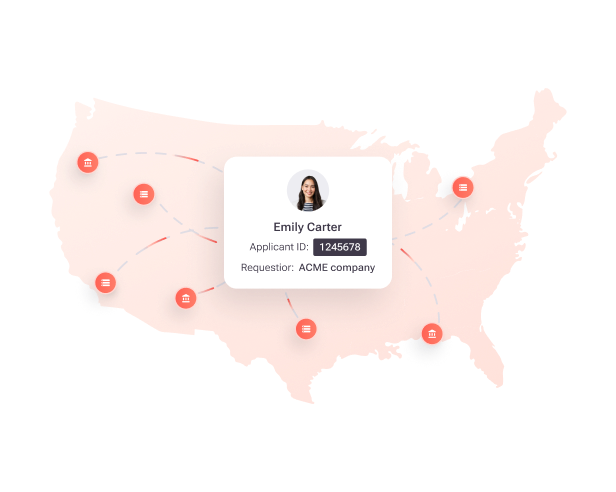
Common Documents for Florida Condo and HOA Applications
Most associations request a similar core set of documents, then add community-specific requirements.
Condo Association Applications (Chapter 718):
- Completed application for each adult occupant
- Government-issued photo identification
- Consent to background and credit screening
- Personal and professional references
- Executed purchase or lease contract
- Interview, if required by the building
HOA Applications (Chapter 720):
- Proposed lease or purchase contract, association forms, applicant and occupant details, acknowledgments, vehicle or pet information, identification, and payment
- Background check authorization
- Credit check authorization
- Reference contacts
Both association types require an estoppel certificate at closing. Sellers must provide buyers with governing documents, including the declaration or CC&Rs, bylaws, rules, and recent financial statements, either before contract or within 3 days after acceptance if not already supplied.
What Florida Buyers Often Misunderstand
Several recurring misconceptions create avoidable problems for Florida buyers.
- Assuming fees are uniform: Many buyers expect the same $100 application fee cap across all communities. The cap applies only to condominiums under Chapter 718. HOA fees are not subject to this limit and can vary significantly. Some Florida HOAs charge $200 for a background check plus a separate $150 processing fee.
- Underestimating interview requirements: Some condo associations require in-person or virtual interviews. Buyers who delay scheduling or fail to prepare can miss contract approval deadlines.
- Missing the rescission window: Missing the document review deadline can cost buyers their right to cancel without penalty. Nondeveloper condo buyers receive a 7-day rescission period after contract execution and document delivery under HB 913. HOA buyers may cancel within 3 days after receiving the disclosure summary or before closing, whichever comes first.
- Ignoring right of first refusal clauses: Some condo declarations grant the association a right of first refusal. The association can purchase the unit on the same terms instead of approving the buyer. Buyers and realtors must factor this window into closing timelines.
- Overlooking reserve funding disclosures: Recent Florida law changes increased reserve and inspection requirements for many condo buildings. Association financial health now plays a central role during the document review period.
Buyer Checklist for Florida Condo and HOA Applications
Use this checklist before submitting an application to a Florida condo association or HOA.
- Confirm whether the association requires board approval and whether a right of first refusal exists.
- Request governing documents (declaration, bylaws, rules, financial statements) and note the applicable rescission deadline (7 days for condos, 3 days for HOAs as detailed above).
- Verify the application fee. Confirm the $100 cap per applicant for condos and review the HOA fee schedule separately.
- Request the estoppel certificate in writing and track the 10-business-day delivery deadline under §718.116 or §720.30851.
- Confirm whether an interview is required and schedule it before the contract approval deadline.
- Review the association’s reserve study and budget disclosures, especially for condominiums three stories or taller.
- Confirm whether the association’s governing documents are posted online for condos with 25+ units and HOAs with 100+ parcels.
- Prepare all required documents, including government ID, executed contract, references, and screening consent forms.
What Happens After a Florida Condo or HOA Denial
Florida statutes usually do not require condo or HOA associations to provide a written reason for denial, although some governing documents do. When a buyer or tenant is denied, several outcomes are possible.
- The buyer may use the contractual cancellation right if the denial occurs within the applicable review period.
- If the denial occurs after the rescission window closes, the buyer’s ability to exit without penalty depends on any association approval contingency in the contract.
- Screening criteria must align with fair housing laws. A denial based on a protected characteristic may violate fair housing rules.
- An HOA that applies new screening rules to long-term occupants faces a high legal hurdle because covenants and rules generally cannot apply retroactively.
- Applicants who believe a denial was improper may file a complaint with the Division of Florida Condominiums, Timeshares, and Mobile Homes under DBPR.
Associations that keep complete, audit-ready application records can better show that denials were consistent and lawful. Explore how built-in audit trails protect your association and how TenantEvaluation’s audit logs support defensible, FCRA-compliant decisions.
How TenantEvaluation Supports Florida Condo and HOA Workflows
TenantEvaluation serves community associations and management companies with FCRA compliance at the core. The platform supports more than 5,000 communities and processes about 100,000 applications per year across Florida, replacing manual workflows with one connected, audit-ready system.
QuickApprove is TenantEvaluation’s accelerated approval workflow for CAMs, boards, and property managers. It offers real-time application tracking, automated communication support, customized approval letters, a personalized welcome package, and a board-ready approval process inside one platform. It supports high-volume seasons and complex onboarding while reducing manual follow-ups and preserving board oversight.
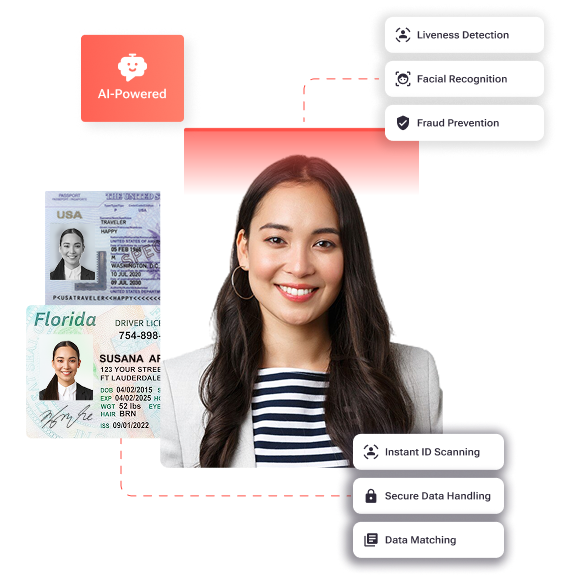
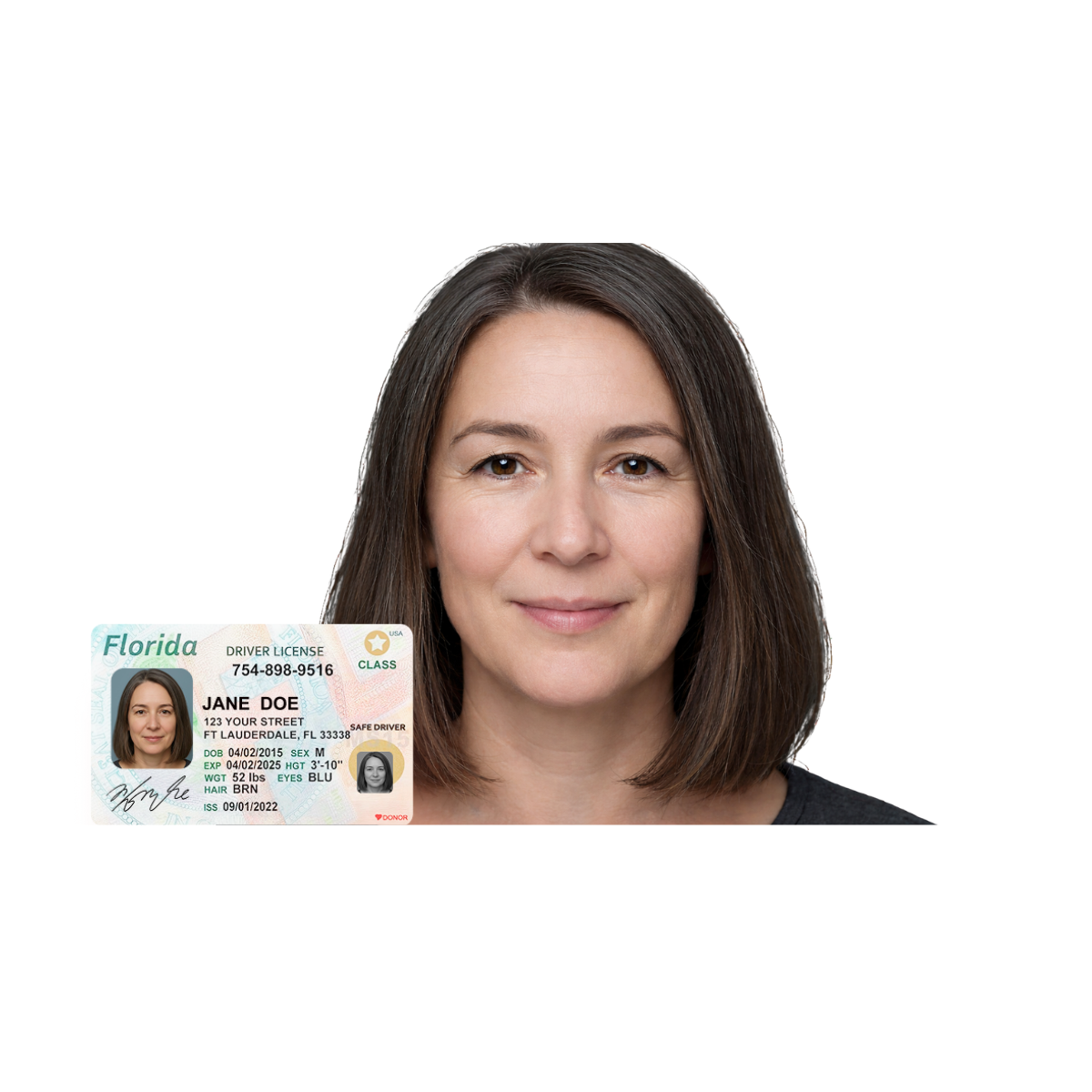
IDVerify adds biometric identity verification to the screening workflow. It combines government ID validation, AI-powered liveness detection, and biometric facial matching. Communities move from document-only review to biometric-confirmed identity before decisions.
55+ Communities Verification helps Florida condos and HOAs standardize age-restricted requirements. It reduces manual work, improves documentation consistency, and supports CAMs and boards that manage age-restricted communities.
Lease Tracking connects resident onboarding, unit data, approvals, and lease documentation in one centralized workflow. It delivers real-time lease status visibility, automated lease document collection, unit-level tracking, and audit-ready digital records, replacing spreadsheets and scattered email threads.
TEpayments by Zinc is an integrated payment workflow inside TenantEvaluation. It collects application fees, deposits, and other resident payments within the onboarding process communities already use. Payments move directly from the applicant to the association’s designated account, and TenantEvaluation never holds the funds.
Summary and Next Steps for Florida Associations
Florida condo associations (Chapter 718) and HOAs (Chapter 720) follow different rules for fees, rescission periods, disclosures, and reserves. The 2025–2026 updates, including HB 913’s extended rescission period, lower online records thresholds, and mandatory reserve study requirements for condominiums, add new compliance layers that buyers, realtors, and CAMs must track separately.
For associations and management companies, managing these differences manually creates significant operational risk. TenantEvaluation’s all-in-one platform, including QuickApprove, IDVerify, 55+ Communities Verification, Lease Tracking, and TEpayments by Zinc, is built for this environment. See the platform in action and learn how Florida’s leading community association platform reduces administrative work, speeds approvals, and keeps every application audit-ready.
Frequently Asked Questions
Main Difference Between Florida Condo and HOA Applications
The primary difference lies in the governing statute. Condo associations operate under Florida Statutes Chapter 718, which caps application fees at $100 per applicant and extends the nondeveloper buyer rescission period to 7 days after contract execution and receipt of required documents, excluding weekends and holidays, under HB 913 effective July 1, 2025. HOAs operate under Chapter 720, which does not impose a uniform application fee cap and gives buyers a 3-day rescission period after receiving the disclosure summary or before closing, whichever comes first. Condo associations also face stricter reserve funding and structural inspection requirements and often apply more detailed screening because residents share buildings and amenities.
When Florida Associations Can Deny a Buyer Without a Stated Reason
In most situations, Florida statutes do not require associations to provide a written reason for denial, although some governing documents do. Regardless of whether a reason is shared, screening criteria must be applied consistently and must comply with federal and state fair housing laws. A denial based on race, color, religion, sex, disability, familial status, national origin, or other protected characteristics may violate fair housing rules. Applicants who believe a denial was improper may file a complaint with the Florida Department of Business and Professional Regulation. Associations that maintain complete, timestamped application records are better positioned to show that decisions were lawful and consistent.
How TenantEvaluation Supports 2026 Florida Statutory Compliance
TenantEvaluation is built for Florida community associations and management companies with FCRA compliance as the foundation. The platform automates application intake, document collection, background checks, and approvals in a single workflow, which reduces manual handling and related compliance gaps. Built-in audit trails record every action on an application and support defensible decisions under Chapter 718 and Chapter 720. IDVerify+ adds biometric identity verification to the screening workflow and strengthens permissible-purpose validation before screening authorization. For age-restricted communities, 55+ Communities Verification standardizes age-related requirements and improves documentation consistency. Lease Tracking connects onboarding, approvals, and lease documentation in one audit-ready system and reduces risk from incomplete or disconnected records.
Application Fees Florida Condo Associations May Charge
Under Section 718.112, Florida Statutes, a condominium association may charge a transfer or application fee capped at $100 per applicant when approval is required by the governing documents. Spouses or a parent and dependent children count as a single applicant for this cap. Estoppel certificate fees are capped at $299 for a standard certificate, with an additional $119 allowed for expedited 3-business-day delivery and up to $179 more if the unit is delinquent, for a maximum of $597. HOA application fees are not subject to the $100 statutory cap and follow each association’s governing documents.
Documents Buyers Should Prepare for Florida Condo or HOA Applications
Buyers should prepare a government-issued photo ID, the executed purchase contract, consent forms for background and credit screening, personal and professional references, and any association-specific forms listed in the community’s application packet. Condo buyers should also be ready for a possible in-person or virtual interview. HOA applicants may need vehicle registration information, pet documentation, and occupant details for all adult residents. Buyers should request the association’s governing documents, including the declaration, bylaws, rules, and recent financial statements, as early as possible so they can review them within the rescission window. For condominiums three stories or taller, reviewing the reserve study and structural inspection reports is especially important given Florida’s post-Surfside mandatory reserve funding requirements.
