
Key Takeaways
- Florida condo boards must complete milestone inspections by December 31, 2026 for 30-year buildings (25 years coastal) and conduct SIRS every 10 years to avoid fines that can exceed $10,000.
- Boards should build internal checklists that mirror DBPR requirements and run quarterly mock audits for structural, safety, and reserve funding reviews.
- Associations need licensed engineers or architects, selected through credential checks, competitive bids, and conflict reviews, for valid milestone inspections.
- On-site audits should include detailed documentation, clear photos, and SIRS coordination, followed by required owner reporting within 45 days.
- Boards should create prioritized action plans with non-waivable reserves and use TenantEvaluation for compliant audit trails and streamlined resident screening.
Step 1: Florida Condo Safety Rules You Must Follow
Florida milestone inspections and SIRS rules set the baseline for every condo safety audit. DBPR regulations require milestone inspections for all residential condominiums with three or more habitable stories at 30 years from the certificate of occupancy, or 25 years within three miles of the coastline, then every 10 years after that.
SIRS evaluations are required under Florida Statute 718.112(2)(g) for buildings with three or more habitable stories. These studies cover eight components: roofs, load-bearing walls, primary structural members, fireproofing and fire protection systems, plumbing, electrical systems, waterproofing and exterior painting, and windows and exterior doors.
|
Inspection Type |
Timeline |
Key Requirements |
|
Milestone Inspection |
30 years from CO (25 coastal), every 10 years |
Licensed engineer or architect, Phase 1 within 180 days |
|
SIRS |
Every 10 years, coordinate with milestone |
Visual inspection and reserve funding plan |
|
2026 Deadline |
December 31, 2026 |
Buildings reaching 30 years must complete |
Boards must coordinate 2026 SIRS and milestone deadlines under Senate Bill 154 (2023), which lets associations combine both when milestone inspections are due by December 31, 2026. Reserve contributions for SIRS components cannot be waived starting January 1, 2025.
TenantEvaluation’s compliance automation keeps your association’s documentation organized for every safety requirement. Schedule a demo today to see how the platform simplifies regulatory compliance.
Step 2: Create a Practical Internal Safety Audit Checklist
Internal mock audits help boards catch problems early and lower both compliance risk and repair costs. Your checklist should track official inspection requirements and also reflect your association’s unique building conditions.
Core items for every internal safety checklist:
- Visual surveys of the building envelope, roofing systems, and visible structural elements
- Reserve study reviews and checks on whether funding levels match projected needs
- Elevator maintenance log reviews and safety system documentation
- Fire safety equipment inspections and confirmation of clear emergency exits
- Plumbing, electrical, and HVAC system condition evaluations
|
Audit Item |
Milestone Required |
Internal Mock Addition |
|
Structural Assessment |
Yes, licensed professional |
Quarterly visual checks |
|
Reserve Funding |
SIRS component |
Monthly budget reviews |
|
Safety Systems |
Code compliance |
Bi-annual testing |
Quarterly mock audits close the gaps between DBPR inspections and give boards time to address issues before they escalate. Professional engineering guidance recommends consistent documentation of every finding with photos and timestamped records.
TenantEvaluation’s community analytics give boards data on resident profiles that supports smarter community management decisions. Schedule a demo today to review the resident screening and analytics tools.
Step 3: Choose the Right Engineers and Architects
Florida law requires licensed engineers or architects for milestone inspections, so professional selection directly affects compliance. Verify credentials through MyFloridaLicense and collect multiple bids to confirm pricing and avoid conflicts of interest.
Key steps for vetting your professional team:
- Confirm active Florida professional licenses through the DBPR database
- Request at least three competitive bids with clear scopes of work
- Check references from comparable condominium associations
- Verify that professionals carry appropriate liability insurance
- Confirm experience with local building codes and municipal rules
Common mistakes include hiring unqualified or conflicted professionals, which can invalidate inspection results and expose boards to penalties. Only licensed professionals may perform Phase 1 and Phase 2 milestone inspections under the Florida Building Code.
TenantEvaluation eases administrative work for community association managers through automated resident onboarding workflows. Schedule a demo today to streamline application management.
Step 4: Run a Thorough On-Site Safety Audit
On-site audits work best when boards coordinate closely with management and inspectors and document every step. Careful preparation, clear photos, and real-time tracking of deficiencies support a complete on-site process.
On-site audit process for condo boards:
- Preparation: Collect maintenance logs, earlier inspection reports, and building plans
- Visual surveys: Photograph the building envelope, plumbing systems, electrical panels, and HVAC equipment
- SIRS integration: Align structural assessments with reserve study requirements and timelines
- Deficiency documentation: Record each issue with timestamps, locations, and brief descriptions
- Safety verification: Test emergency systems and confirm current code compliance
Boards should document every step with timestamps and location details to create records that satisfy DBPR expectations. Integration with resident verification tools such as IDVerify supports occupant screening and fraud prevention as part of a broader security plan.
TenantEvaluation’s biometric identity verification confirms applicant identity before approval and strengthens screening security. Schedule a demo today to see how IDVerify supports your onboarding process.

Step 5: Keep Records, Report Results, and Inform Owners
Clear documentation and communication protect associations from liability and support full compliance. 2026 electronic record rules require digital documentation systems for community associations, so paper-only processes no longer meet expectations.
Florida law requires associations to share inspection summaries with unit owners within 45 days of receiving reports and to post full documentation on association websites. TenantEvaluation provides FCRA-compliant audit trails for resident screening that support regulatory compliance and speed up board approvals through tools such as QuickApprove.
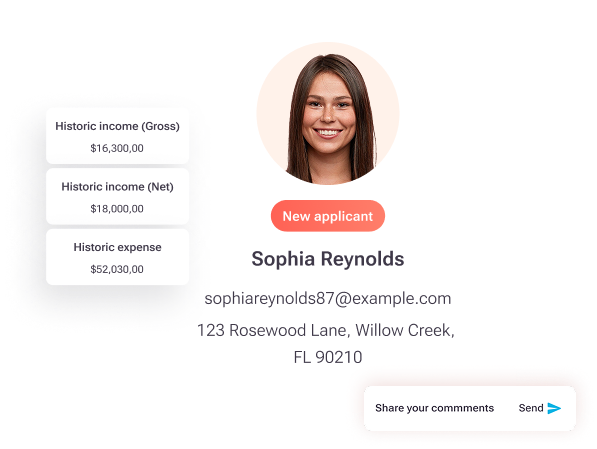
Audit trails act as compliance protection against penalties and legal disputes. TenantEvaluation’s platform delivers detailed FCRA-compliant records with built-in audit trails and currently supports more than 5,000 communities.
Boards can modernize resident documentation with TenantEvaluation’s integrated compliance platform. Schedule a demo today to review audit trail tools for onboarding.
Step 6: Turn Findings into a Funded Action Plan
Post-audit planning should connect repair priorities with Florida’s updated reserve rules. HB 913 compliance requirements require non-waivable reserves for structural components, which reshapes how boards plan and fund safety projects.
|
Issue Priority |
Urgency Level |
Estimated Cost |
SIRS Component |
|
Structural Defects |
Immediate |
$50,000+ |
Load-bearing walls |
|
Roof Repairs |
6 months |
$25,000+ |
Roofing systems |
|
Safety Systems |
12 months |
$15,000+ |
Fire protection |
Repairs must begin within 365 days of inspection completion, and funding must come from mandatory reserves that boards cannot waive. Careful planning helps associations avoid surprise special assessments while still meeting safety requirements.
Boards can scale operations with TenantEvaluation’s platform, which is built for Florida community associations. Schedule a demo today to explore integrated resident screening tools.
Next Steps for Florida Condo Boards
These six steps give condo boards a clear framework for safety audits that meet Florida’s 2026 compliance deadlines. Digital tools tailored to Florida associations replace manual processes and support reliable, audit-ready documentation.
TenantEvaluation delivers Florida-focused resident screening with biometric fraud prevention and board dashboards that go beyond generic tools such as ApplyCheck or Verify Screening. The platform supports more than 5,000 communities and treats FCRA compliance as a core requirement.
Boards can launch TenantEvaluation’s resident screening platform without upfront fees. Schedule a demo today to modernize your onboarding workflows.
Frequently Asked Questions
What is a Florida SIRS and why is it mandatory?
A Structural Integrity Reserve Study, or SIRS, is a required evaluation for condominium buildings with three or more habitable stories that reviews eight critical structural components. These components include roofs, load-bearing walls, primary structural members, fireproofing and fire protection systems, plumbing, electrical systems, waterproofing and exterior painting, and windows and exterior doors. SIRS became mandatory under Senate Bill 4-D after the Surfside collapse to ensure adequate reserve funding for structural maintenance and to reduce the risk of catastrophic failures. The study combines visual inspection with financial planning and creates a 10-year schedule for maintenance and funding.
When are milestone inspections due in 2026?
Milestone inspections are due by December 31, 2026 for buildings that reach 30 years from the certificate of occupancy date, or 25 years if located within three miles of the coastline. Buildings that reached 30 years before July 1, 2022 were due by December 31, 2024, and those reaching 30 years between July 1, 2022 and December 31, 2024 were due by December 31, 2025. After the first inspection, milestone inspections repeat every 10 years. Senate Bill 154 allows associations to coordinate SIRS and milestone inspections when both are due by the 2026 deadline.
How often should condo boards conduct safety audits?
Official milestone inspections occur every 10 years and SIRS evaluations also occur every 10 years, but boards should not rely only on those cycles. Industry guidance supports quarterly internal mock audits to identify issues early. These internal reviews should include visual surveys of common elements, checks of maintenance logs, testing of safety systems, and reserve study assessments. Regular internal audits help boards correct deficiencies before they become emergencies and support continuous compliance with Florida safety rules.
What are the penalties for non-compliance with Florida condo safety requirements?
The Florida Department of Business and Professional Regulation can issue fines that exceed $10,000 for failure to comply with milestone inspection and SIRS requirements. Additional consequences can include forced evacuations, loss of insurance coverage, and legal liability for associations that do not maintain required safety standards. Boards that miss inspection deadlines face escalating enforcement actions, and associations may lose the ability to waive reserve contributions, which can trigger mandatory special assessments to fund overdue compliance work.
What digital tools best support Florida condo safety audit compliance?
Effective digital tools for condo safety compliance provide complete documentation trails, FCRA-compliant record keeping, automated workflows, and board-focused dashboards. Strong platforms also connect resident screening with community management, offer biometric identity verification to reduce fraud, and maintain records that satisfy regulatory reviews. TenantEvaluation focuses on Florida community associations with specialized compliance tools, QuickApprove board dashboards, and IDVerify+ biometric verification that address condo association needs while generating revenue through efficient application processing.