
Key Takeaways
- Florida HOAs and condos must follow a structured FCRA-compliant process for tenant screening to reduce lawsuits and fraud risks.
- Key laws include Florida Statute § 83.425, prohibiting blanket criminal bans, and Senate Bill 1293, making rental fraud a felony.
- Biometric identity verification like IDVerify blocks synthetic identity fraud that manual checks often miss.
- Uniform screening criteria, adverse action notices, and audit trails support Fair Housing and FCRA compliance.
- TenantEvaluation’s platform automates compliance for associations; request a demo to streamline your process.
Why Compliant Tenant Background Checks Matter for Florida HOAs and Condos
Florida community associations face screening rules that generic rental platforms do not address. Florida Statute § 83.425 prohibits blanket bans on criminal history, and the federal Fair Housing Act with HUD guidelines warns that discriminatory policies may create disparate impact on protected groups. Associations also need board approval workflows, custom criteria aligned with bylaws, and audit trails for compliance, which standard landlord tools do not provide.
FCRA violations carry penalties up to $1,000 per violation, making compliance errors expensive. Beyond regulatory fines, identity fraud creates liability exposure when fraudulent tenants damage property or violate lease terms. These risks multiply when associations rely on manual processes that cause inconsistent reviews, missing adverse action notices, and weak documentation.
Community associations face an additional challenge that individual landlords do not: they need revenue-generating capabilities through application fees to offset operating costs. See TenantEvaluation’s audit-ready compliance features that support both protection and revenue.
Step-by-Step Guide to Running FCRA-Compliant Tenant Background Checks in Florida
This seven-step process keeps your association compliant while protecting residents and property.
Step 1: Define Uniform Screening Criteria
Create written policies in your bylaws that specify minimum credit scores, income requirements such as 3x rent, acceptable criminal history timeframes, and required documents. Apply the same standards to every applicant to reduce Fair Housing risk.
Step 2: Obtain Written Consent
Secure separate written authorization before running background checks, clearly stating what information you will review and establishing permissible purpose under FCRA. Electronic signatures work, but the consent must remain distinct from the application.
Step 3: Verify Identity with Biometric Authentication
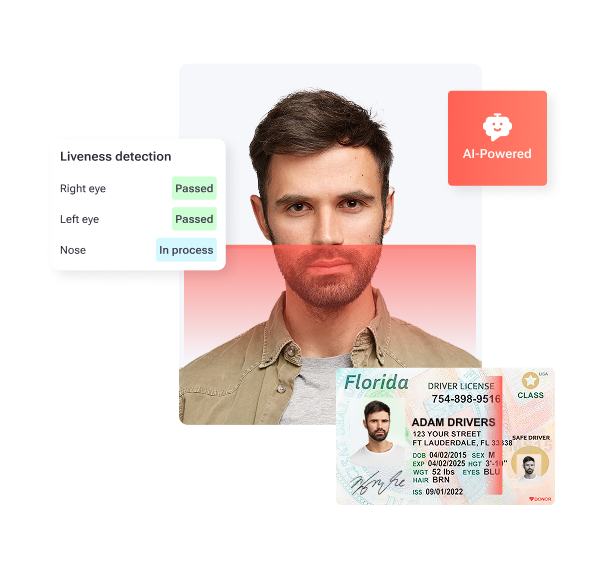
Use IDVerify biometric verification to confirm identity through government ID validation, AI-powered liveness detection, and facial matching. This approach blocks synthetic identity fraud that traditional document review cannot catch.
Step 4: Conduct Comprehensive Screening
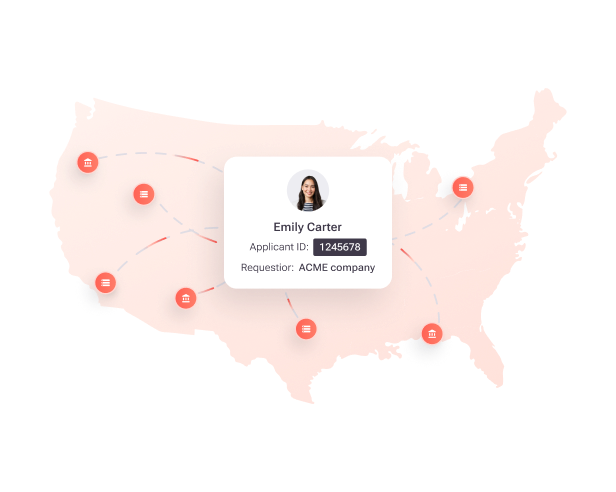
Order reports from direct credit bureau resellers that cover criminal history, eviction records, credit scores, and income verification. Avoid third-party data scrapers that increase liability and accuracy concerns. TenantEvaluation’s SafeCheck+ provides TransUnion and Equifax data with no-SSN options for privacy-conscious applicants.
Step 5: Apply Uniform Review Standards
Review each application using your predetermined criteria. Assess criminal convictions individually based on nature, severity, and time elapsed, and avoid blanket bans that may violate Fair Housing laws.
Step 6: Issue Automated Adverse Action Notices
Send pre-adverse action notices with report copies and the FCRA Summary of Rights, wait 5 to 7 business days, then send final adverse action notices if you uphold the denial. Include consumer reporting agency contact information and clear dispute instructions.
Step 7: Maintain Audit Trails
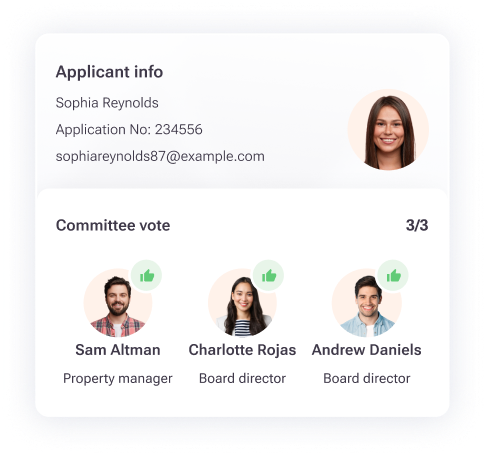
Record all screening decisions, board approvals, and applicant communications to support regulatory compliance. QuickApprove provides board dashboards with voting panels and automated record-keeping for complete audit trails.
Compliance Checklist:
- Written screening policy aligned with bylaws
- Separate FCRA consent forms
- Biometric identity verification
- Direct credit bureau data sources
- Individualized criminal history review
- Automated adverse action workflows
- Complete audit documentation
TenantEvaluation automates about 70% of this workflow and cuts approval times from days to hours. Request a demo to see this streamlined process in action.
Key Florida Laws and Screening Red Flags for 2026
While the seven-step process provides your operational framework, Florida’s specific laws shape how you apply it. Florida’s 2026 regulatory landscape includes several notable updates. Senate Bill 48 authorizes landlords to accept portable tenant screening reports, and Senate Bill 1293 makes using forged documents or false identities to secure rental properties a felony offense. These laws highlight the growing importance of strong identity verification.
Major red flags include synthetic identities that combine real and fabricated data, recent evictions for non-payment, and criminal convictions that create safety risks or property damage concerns. At the same time, you must avoid blanket policies that create disparate impact on protected groups. Sealed or expunged records remain off limits, and juvenile records are automatically expunged two years after age 19.
Traditional document-based screening struggles to detect sophisticated fraud techniques. Discover how TenantEvaluation’s biometric verification catches identity fraud that competitors miss.
Why TenantEvaluation Fits Florida Community Associations
TenantEvaluation delivers an FCRA-first platform built specifically for community associations rather than generic rentals. As a direct TransUnion and Equifax reseller, TenantEvaluation uses legitimate data sources and automates adverse action workflows to reduce violations. IDVerify biometric verification and QuickApprove board dashboards solve association-specific challenges that other platforms overlook.
The platform has generated $150M in revenue for 5,000+ communities, processing more than 100,000 applications annually with a 4.8/5 Google rating. Partners include RealManage, FirstService Residential, and other leading management companies. One Florida client saved $240,000 each year by eliminating 50 hours of daily manual work and cutting processing time by 70%.
The following comparison highlights how TenantEvaluation’s association-focused features close gaps that generic rental platforms leave open:
|
Feature |
TenantEvaluation |
TurboTenant |
RentSpree |
|
FL HOA/Condo Specific |
Yes |
No |
No |
|
Biometric Fraud Prevention |
IDVerify |
No |
No |
|
Board Dashboard |
QuickApprove |
No |
No |
|
Revenue Sharing |
$150M Generated |
Subscriptions |
Subscriptions |
|
Processing Time |
Minutes |
Days |
Days |
Start your free trial to see why leading Florida associations choose TenantEvaluation.
Common Screening Pitfalls for Florida Associations
Many associations struggle with self-screening requests, portable reports, and no-SSN applications. Florida law does not mandate acceptance of reusable tenant screening reports, so associations retain control over their screening process. At the same time, applicants increasingly request these options for privacy and convenience.
TenantEvaluation manages these scenarios with flexible workflows that accept portable reports while preserving compliance standards. The platform’s no-SSN screening options use alternative data sources for identity verification, and biometric authentication confirms applicant legitimacy regardless of documentation preferences. These tools help associations avoid incomplete screening and prevent common compliance mistakes.
Conclusion and Next Steps for Florida Boards
The screening process outlined in this guide protects Florida associations from fraud, lawsuits, and operational inefficiencies. TenantEvaluation’s specialized platform automates compliance and supports revenue generation through workflows tailored to community associations. Moving from manual processes to comprehensive automation reduces liability and improves profitability. Explore a demo to see how your screening process can change.
Frequently Asked Questions
Can I run a tenant background check on myself in Florida?
Yes, Florida residents can request their own background checks for rental applications. TenantEvaluation allows applicants to initiate self-screening while giving associations complete, FCRA-compliant reports. This option helps applicants understand likely screening results before applying and still maintains proper consent and documentation for associations.
What are red flags on a tenant background check?
Major red flags include recent evictions for non-payment, violent felonies, property damage convictions, and synthetic identity indicators such as mismatched personal information or suspicious documentation. TenantEvaluation’s IDVerify+ biometric verification detects identity fraud that traditional document review often misses, and SafeCheck+ reports highlight concerning criminal history patterns and eviction records.
What are Florida tenant screening laws in 2026?
Florida Statute § 83.425 preempts local screening ordinances and allows criminal history consideration with individualized assessment requirements. The FCRA requires written consent, adverse action notices, and proper data handling. Senate Bill 48 permits portable screening reports, and Senate Bill 1293 criminalizes fraudulent rental applications. Associations must also follow Fair Housing Act guidelines to avoid disparate impact violations.
Can you run a tenant background check without a social security number?
Yes, TenantEvaluation offers no-SSN screening options that use alternative data sources and biometric identity verification. This approach supports privacy-conscious applicants while maintaining screening accuracy through government ID validation, employment verification, and criminal database searches. The platform maintains FCRA compliance regardless of SSN availability through proper consent and identification procedures.
How do you run a background check in Florida?
Follow the process detailed in this guide: define uniform criteria, obtain written consent, verify identity biometrically, conduct comprehensive screening through direct credit bureau resellers, apply consistent review standards, issue proper adverse action notices, and maintain complete audit trails.
TenantEvaluation automates this workflow while supporting FCRA compliance and Florida law requirements for community associations.