
Key Takeaways
- Florida HOAs must adopt compliant screening software due to 2026 regulatory changes like Statute 720.303(4) mandating websites and increased oversight from Senate Bills 906/908.
- Top HOA software must meet eight criteria: Florida-specific compliance, all-in-one digital applications, comprehensive SafeCheck+ screening, board dashboards, enterprise security, revenue optimization, analytics, and multilingual support.
- TenantEvaluation excels with custom setups for Chapter 720, FCRA-compliant checks, QuickApprove voting, PCI Level 1 security, and revenue-sharing that has generated more than $150 million for communities.
- Manual screening wastes over 50 hours daily, increases data breach risk, and causes delays. Automated platforms cut admin time by about 70 percent while preserving audit trails and fair housing compliance.
- Tenant Evaluation delivers specialized Florida HOA screening that turns routine approvals into reliable revenue opportunities.
8 Essential Criteria for Top Florida Compliant HOA Screening Solutions
1. Florida-Specific Regulatory Compliance (Chapter 720, FCRA, Audit Trails)
Florida HOAs operate under complex rules that generic software rarely covers correctly. Chapter 720, Florida Statutes, governs HOA operations with detailed requirements for records, meetings, and resident approvals. Florida Statute 718.116(4) allows associations to require tenant approval if authorized by governing documents, but limits disapproval to lawful, consistent, and non-discriminatory criteria.
TenantEvaluation’s Florida-built platform configures each community’s governing documents, screening rules, and compliance workflows automatically. The system delivers FCRA-compliant background checks through SafeCheck+ and preserves complete audit trails for regulators and attorneys. Custom setup supports unique bylaws, including credit score minimums, occupancy rules, and pet policies, so boards apply criteria the same way every time.
Schedule a demo today to see how TenantEvaluation can streamline applications, enhance compliance, and boost revenue for your condominium or homeowner association (HOA). Get Started
2. All-in-One Digital Application & Document Automation (Smart Logic, E-Sign, IDverify)
Manual document collection slows approvals and frustrates applicants. Traditional workflows force applicants, realtors, managers, and board members into long email chains and repeated follow-ups. Many applications arrive incomplete, which adds more delays and confusion.
TenantEvaluation’s intelligent platform separates workflows for tenants, purchasers, additional residents, and different property types. The built-in IDverify tool validates identification documents automatically, and integrated e-signatures remove the need for paper packets. This unified system avoids the fragile web of third-party tools that many competitors rely on and reduces points of failure.
Applicants and managers access the platform 24/7 through web and mobile apps, with support in 11 languages for Florida’s diverse communities. Automated notifications keep applicants, realtors, and managers updated on status, which cuts phone calls and emails for CAMs and improves the overall experience.
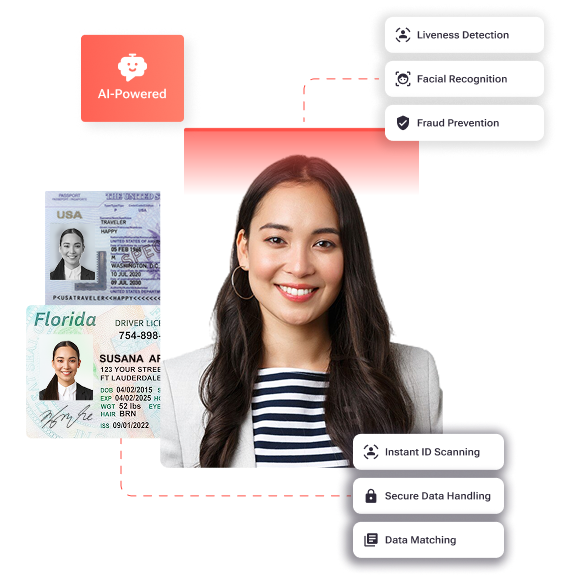
3. Comprehensive Screening (SafeCheck+ Criminal/Credit/Income, Beyond Generic)
Effective resident screening in Florida requires deeper checks than a basic background report. The state’s mix of seasonal residents, investors, and long-term owners increases risk when boards rely on limited or self-reported information. Generic screening tools often miss key data that affects safety and payment reliability.
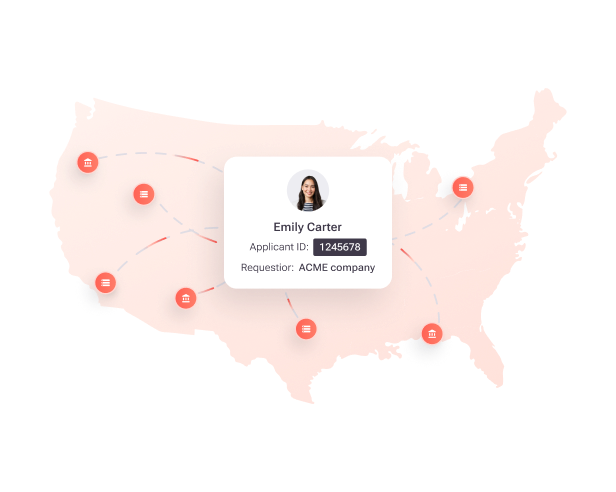
SafeCheck+ from TenantEvaluation combines nationwide and global background searches, including criminal records, offense registries, and FBI Most Wanted lists. The IncomeEV report verifies income directly with employers instead of relying only on pay stubs or applicant claims. Credit reports, eviction history, and landlord references round out a full picture of each applicant.
This layered approach helps associations spot issues early, including unstable income, repeat evictions, or criminal history that could affect community safety. Automated flags highlight concerning patterns while still honoring fair housing rules and FCRA standards.
4. Board-Focused Dashboards & Voting (QuickApprove Transparency)
Board review often becomes the slowest part of the approval process. Email threads, printed packets, and scattered notes make it hard to track who saw what and when. These habits also create gaps in the audit trail that attorneys and regulators expect.
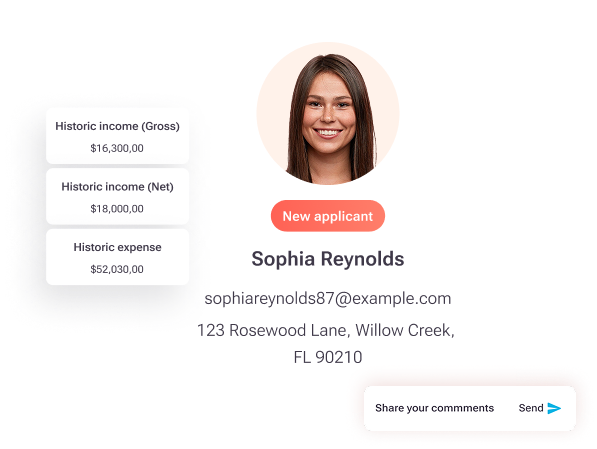
TenantEvaluation’s QuickApprove dashboard gives board members real-time access to application status, AI-generated applicant summaries, and a built-in voting panel. This feature replaces confusing email chains and supports clear, documented oversight. Every action receives a timestamp, which satisfies Florida’s growing transparency expectations.
The simple interface lets board members review files, request more information, and vote from any device. Communities see faster decisions, fewer meetings about paperwork, and stronger governance records.
5. Enterprise-Grade Security (PCI Level 1, Auto-Redaction of PII)
Weak data security exposes HOAs to lawsuits, fines, and reputational damage. Printed applications, emailed Social Security numbers, and unprotected file shares create easy targets for bad actors. Many general property platforms do not treat screening data with the same care as payment data.
TenantEvaluation holds PCI Level 1 compliance and uses end-to-end encryption for sensitive information. Auto-redaction removes Social Security numbers and other personally identifiable information from uploaded documents while keeping what reviewers actually need. This design sharply reduces exposure if a device or account becomes compromised.
Bank-level security, secure document storage, and role-based access controls protect data from application through the final decision. Only authorized users see sensitive details, and the system records who accessed which files.
6. Revenue Optimization (Automated Fees, Revenue-Sharing)
Screening often costs more than boards realize when they rely on manual payments and staff time. Missed application fees, payment errors, and hours of admin work reduce net revenue. Many HOAs want screening to at least cover its costs without raising dues.
TenantEvaluation collects application fees online at the time of submission, which removes manual processing and reduces errors. The revenue-sharing model deducts service fees and returns the remaining funds to the association, so screening can become cost-neutral or profitable.
This model has generated more than $150 million for communities and proves that screening can support the budget instead of draining it. The pay-per-application structure also aligns costs with actual volume instead of locking HOAs into fixed subscriptions.
7. Analytics & Insights (Demographics, Trends)
Boards make better decisions when they understand who lives in the community and how that profile changes over time. Manual processes rarely provide clear data on demographics, income ranges, or lifestyle preferences. Without that insight, boards often guess about amenities and policies.
TenantEvaluation’s reporting tools surface detailed analytics on age ranges, income bands, pet ownership, and vehicle types. Boards can use this information to plan EV charging, adjust pet rules, or invest in amenities that residents will actually use.
Trend reports track application volume, approval rates, and demographic shifts over months and years. Associations can then refine screening criteria and community policies to attract residents who fit community standards while staying compliant.
8. Ease of Use & Support (24/7 AI Chat in 11 Languages, Mobile/Web)
Simple software and strong support drive adoption across boards, managers, and applicants. Confusing interfaces and limited help options erase many of the benefits of automation. Florida communities also need tools that work for residents who speak different languages and have different comfort levels with technology.
TenantEvaluation offers a clean, intuitive interface on both web and mobile. The 24/7 AI support chat answers questions in 11 languages, which helps multicultural communities move through the process without delays. This support reduces training time for staff and cuts down on basic “how do I” calls.
Smart defaults and guided workflows shorten setup and daily use. Associations can roll out the system quickly and keep it running smoothly with minimal technical overhead.
Schedule a demo today to see how TenantEvaluation can streamline applications, enhance compliance, and boost revenue for your condominium or homeowner association (HOA). Get Started
|
Feature |
TenantEvaluation |
Buildium |
AppFolio |
|
Florida Compliance |
Built-in Chapter 720 compliance |
Generic templates |
Basic compliance tools |
|
Board Dashboard |
QuickApprove voting panel |
Limited board features |
Advanced reporting tools |
|
Revenue Model |
Revenue-sharing, pay-per-use |
Monthly subscription |
Monthly subscription |
|
Screening Depth |
360° SafeCheck+ verification |
Comprehensive background checks |
Standard screening |
Frequently Asked Questions
What is the 720 HOA law in Florida?
Chapter 720 of the Florida Statutes governs homeowner associations and sets rules for governance, records, meetings, and resident approvals. The law requires HOAs with 100 or more parcels to maintain official websites by 2026 and to post governing documents, budgets, and meeting minutes. TenantEvaluation supports Chapter 720 compliance with custom community setups that match bylaws and workflows, so associations meet legal duties while simplifying daily operations.
Can an HOA require a background check in Florida?
Florida HOAs can require background checks for prospective residents when their governing documents authorize screening. Criteria must remain lawful, consistent, and applied uniformly without discrimination. TenantEvaluation’s SafeCheck+ solution delivers FCRA-compliant checks that include criminal records, credit reports, and income verification, which helps boards make informed decisions while honoring fair housing rules.
What is the new HOA website law in Florida?
Effective January 1, 2026, Florida Statute 720.303(4) requires HOAs with 100 or more parcels to operate official websites or secure member portals. These sites must provide access to governing documents, budgets, contracts, insurance policies, meeting minutes, and notices. TenantEvaluation supports these requirements with secure document management and controlled member access that help associations meet transparency rules.
What are red flags in tenant screening for Florida HOAs?
Common red flags include recent evictions, criminal convictions that affect community safety, income that does not cover assessments or rent, poor credit showing chronic late payments, and inconsistent rental references. TenantEvaluation’s 360-degree screening process highlights these issues through criminal checks, credit reports, income verification, and reference validation from prior landlords and employers.
What are the best practices for Florida HOA compliance?
Strong practices include using consistent screening criteria, following FCRA rules for background checks, documenting every approval decision with clear audit trails, sending proper notices for violations, and keeping accurate records available to members. TenantEvaluation supports these practices with automated workflows, built-in audit logs, custom setups aligned with governing documents, and secure document storage that meets Florida transparency rules while protecting sensitive data.
Choose TenantEvaluation for Unmatched Florida HOA Screening
The eight criteria above show why specialized Florida-compliant HOA screening solutions outperform generic property management tools. TenantEvaluation’s Florida-built platform for HOAs and condominiums delivers automation that can cut administrative work by up to 70 percent and generate meaningful revenue for communities. Partnerships with groups like RealManage and Associa highlight the platform’s mix of compliance strength, board-focused tools, and revenue-friendly pricing.
HOAs that want profit-generating, low-risk HOA software in Florida gain a clear advantage with TenantEvaluation. The platform turns screening into a strategic function that protects the community, supports budgets, and keeps the association aligned with Florida’s evolving regulations.
Schedule a demo today to see how TenantEvaluation can streamline applications, enhance compliance, and boost revenue for your condominium or homeowner association (HOA). Schedule Now