Written by: Luis Teran, Co-founder, CEO, TenantEvaluation
Key Takeaways
- Florida 55+ condos must verify ages under Statute § 760.29(4) and 24 CFR § 100.305 to maintain HOPA exemption from familial status discrimination.
- The 80/20 rule requires at least 80% of units to have one resident 55+, and biennial surveys verify compliance across all occupied units.
- Essential documents include government-issued IDs, birth certificates, and notarized affidavits for all adult household members.
- Manual verification creates compliance risks, delays, and inefficiencies, while digital automation delivers 70% time savings and audit-ready records.
- Streamline your 55+ age verification with TenantEvaluation and see how it works.
Core Definitions and Operating Framework for Florida 55+ Communities
The Housing for Older Persons Act establishes the foundation for age-restricted housing exemptions in Florida. Under Section 760.29(4), Florida Statutes, 55+ communities qualify for exemption from familial status provisions as “housing for older persons” if they meet three conditions. They must intend and operate for occupancy by at least one person 55 years or older per unit in at least 80 percent of occupied units. They must also publish and follow policies that clearly show that intent, and they must verify occupants’ ages.
Under this framework, the remaining 20 percent of units may house residents younger than 55 or families with small children. Communities must conduct mandatory age verification surveys to all occupied units at least once every two years as part of biennial compliance requirements. The verification workflow follows a consistent pattern: application submission, document verification, board review, recordkeeping, and biennial survey integration.

Required Age Verification Documents for Florida 55+ Condos
Clear documentation standards help applicants understand what they need to provide and help boards apply rules consistently. The following table breaks down four categories of acceptable documentation, with primary and alternative options, so applicants know their choices when standard IDs are unavailable.
| Document Type | Primary Options | Alternative Options | Purpose/Notes |
|---|---|---|---|
| Government-Issued ID | Driver’s License, State ID, Passport | Military ID, Tribal ID | Age proof with photo verification |
| Birth Documentation | Certified Birth Certificate | Hospital Birth Record, Baptismal Certificate | Primary age verification when ID unclear |
| Affidavit Documentation | Notarized Age Affidavit | Sworn Statement from Adult Household Member | Acceptable when reliable proof unavailable |
| Spouse/Partner Verification | Same as Primary Resident | Marriage Certificate + ID | Required for all adult household members |
Adult children scenarios require separate verification processes, and communities must enforce documentation requirements consistently to maintain audit-ready compliance. Refusal to provide documentation can result in application denial under HOPA enforcement provisions. While these documentation requirements are clear on paper, Florida’s 55+ housing market in 2026 faces significant challenges when communities try to apply them at scale.
Industry Landscape and Market Dynamics in 2026
Florida’s 55+ housing market faces increasing audit scrutiny and fraud detection challenges in 2026. CAMs report processing over 100,000 applications annually across major management companies, and manual PDF-based verification creates bottlenecks and compliance gaps. Digital transformation now plays a central role because traditional email and paper-based workflows no longer scale with growing application volumes and regulatory complexity.
Step-by-Step Age Verification Process for Florida 55+ Communities
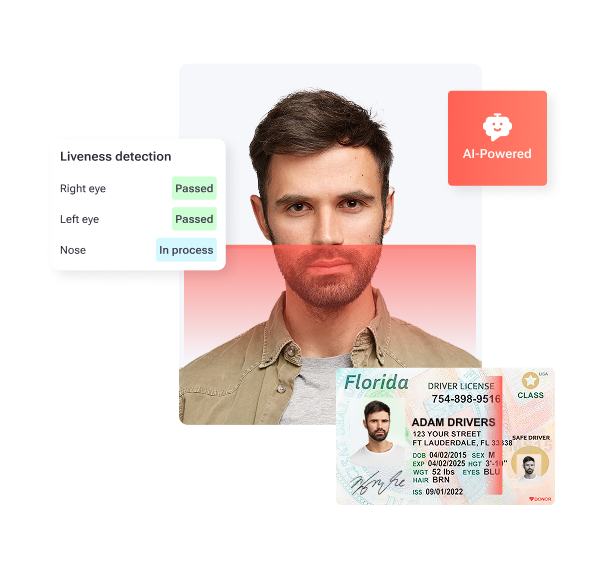
A standardized verification process keeps applications moving and supports consistent decisions. The process typically follows five critical steps. First, applicants submit information through a portal and upload required age documentation. Second, the system runs automated checks for document completeness and basic authenticity.
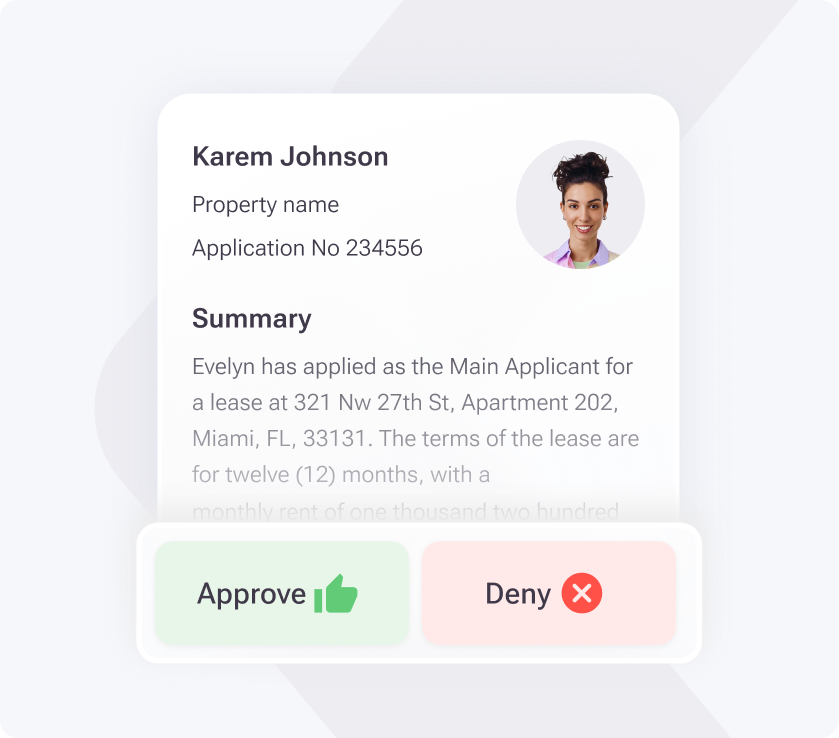
Third, the board reviews applications through a dashboard such as QuickApprove for streamlined decision-making. Fourth, approved data connects with biennial survey tracking systems so communities can confirm ongoing HOPA compliance. Fifth, the platform generates a comprehensive audit trail for long-term compliance recordkeeping. Manual processes disrupt this flow when applications lack required documents, which forces repetitive follow-ups and can extend approval timelines from hours to days.

Compliance, Risk, and Governance for HOPA Age Verification
Florida Statute § 760.29(4)(b)3.c requires 55+ housing communities to comply with HUD rules for verification of occupancy, which provide for verification by reliable surveys and affidavits. Structured workflows create defensible processes under Florida regulations and give boards a clear record of how each decision was made. Comprehensive recordkeeping also protects against Fair Credit Reporting Act violations by documenting what information was used and how it was handled.
Maintaining verification processes in audit-ready condition minimizes risks of losing federal fair housing exemption status. Strong governance around age verification supports consistent enforcement, reduces disputes, and reassures residents that the community is protecting its 55+ designation.
Common Challenges and Failure Points in Manual Age Verification
Manual review processes create systematic vulnerabilities that often start with incomplete documentation submissions. Staff then chase missing documents through email or phone calls and may apply inconsistent verification standards across applications, accepting partial documentation from some applicants while requiring complete files from others. These inconsistencies fuel disputes over under-55 resident eligibility, as rejected applicants point to approved cases with similar documentation gaps.
Over time, the staff hours consumed by these disputes and follow-ups reduce the capacity available for biennial survey compliance. That reduced capacity creates audit exposure and threatens the community’s HOPA exemption status. Without standardized digital workflows, these issues build on each other and increase liability exposure, revenue delays, and operational inefficiencies.
Best Practices and 55+ Workflow Automation with TenantEvaluation
Leading Florida condos and HOAs now standardize age verification through digital platforms built for community association workflows. By automating documentation review, TenantEvaluation’s 55+ Communities Verification reduces manual work by up to 70 percent, which translates into faster application processing and fewer back-and-forth requests. This speed improvement pairs with consistent rules, because the platform standardizes application handling across all submissions and applies the same documentation requirements and review criteria every time.
That standardization strengthens internal processes for CAMs and boards by reducing judgment calls and inconsistencies that create compliance risk. The platform integrates IDVerify biometric verification with QuickApprove board dashboards, delivering the time savings mentioned earlier while maintaining audit-ready documentation standards. Book a walkthrough to see how 5,000+ communities manage applications through automated workflows. Generic solutions like ApplyCheck or Verify Screening lack specialized 55+ community features and Florida-specific compliance integration, which limits their effectiveness for age-restricted housing.

Evaluation Criteria for 55+ Verification Tools
Clear evaluation criteria help boards choose tools that truly support HOPA compliance. Effective verification platforms first need to deliver operational efficiency through automated workflows that reduce manual data entry and follow-up. They also must support documentation consistency across all applications so every applicant faces the same requirements and review steps.
Comprehensive auditability matters as well, because communities must respond quickly to HUD or state inquiries with clear records of each decision. Strong scalability allows the platform to handle seasonal spikes and high-volume processing without slowing response times. Finally, fraud prevention through identity verification protects communities from falsified documents and misrepresentation. TenantEvaluation addresses these needs as a direct credit bureau reseller with integrated biometric authentication, and it is built specifically for Florida condos and HOAs that manage age-restricted communities.
Frequently Asked Questions
What documents prove age for a Florida 55+ condo application?
Primary documents include government-issued driver’s licenses, state IDs, or passports that show the applicant’s birth date. Alternative options include certified birth certificates, military IDs, or notarized age affidavits when primary documentation is unavailable. Age verification typically applies to all adult household members.
What are the Florida condo 55+ 80/20 rule requirements?
The 80/20 rule requires at least 80 percent of occupied units to have at least one resident who is 55 years or older. Up to 20 percent of units may house residents under 55, including younger spouses or adult children, provided the community maintains its overall age-restricted status.
Can an adult child under 55 live in a Florida 55+ condo?
Yes, adult children under 55 can live in 55+ condos if at least one household member is 55 or older and the unit falls within the 20 percent allowance for non-qualifying residents. Minors under 18 typically cannot be permanent residents.
What is the Florida 55+ age survey every 2 years requirement?
Communities must conduct biennial age verification surveys of all occupied units to maintain HOPA compliance. These surveys collect reliable proof of age and confirm that 80 percent occupancy requirements continue to be met.
Can under-55 residents live in Florida 55+ condos permanently?
Under-55 residents can live permanently in 55+ condos as spouses or adult children of qualifying residents, as long as the community maintains 80 percent compliance and the specific unit falls within the 20 percent allowance for non-qualifying households.
What are HOPA requirements for Florida condos?
HOPA requirements include maintaining 80 percent occupancy by 55+ residents, publishing age-restricted policies, conducting biennial verification surveys, and maintaining audit-ready documentation to preserve fair housing exemption status.
What does Section 760.29(4), Florida Statutes, cover for 55+ rules?
Section 760.29(4) establishes Florida’s framework for age-restricted housing exemptions. It sets 80 percent occupancy requirements, requires publication of age-restricted policies, and mandates compliance with federal HUD verification rules for maintaining housing-for-older-persons status.
Conclusion and Next Steps for Florida 55+ Age Verification
Florida condo 55+ applicant age verification documentation requirements call for systematic approaches that support HOPA compliance and operational efficiency. This ultimate checklist outlines a framework for standardized processes, yet manual implementation still creates ongoing risks and inefficiencies. Request a personalized demo to see how TenantEvaluation’s 55+ Communities Verification turns manual workflows into streamlined, audit-ready systems for Florida condos and HOAs.
