Written by: Luis Teran, Co-founder, CEO, TenantEvaluation
Key Takeaways for Florida 55+ Communities
- Florida 55+ communities must follow HOPA’s 80/20 rule. At least 80% of occupied units must have one resident aged 55 or older.
- Use a clear 7-step verification process that covers application intake, document collection, ID review, affidavits, board approval, and 80/20 tracking.
- Acceptable age verification documents include driver’s licenses, passports, birth certificates, military IDs, and third-party affidavits when primary documents are missing.
- Complete biennial surveys every two years and keep audit-ready records to reduce compliance failures and liability risks.
- Simplify Florida 55+ verification with TenantEvaluation’s automated 55+ verification workflows for consistent, documented compliance.
HOPA Rules and Florida Requirements for 55+ Communities
The Housing for Older Persons Act (HOPA) of 1995 sets the core rules for age-restricted communities by requiring at least 80% of occupied residential units to be inhabited by at least one person aged 55 or older. This 80/20 rule for 55+ communities in Florida serves as the main threshold for keeping the Fair Housing Act exemption for familial status.
Florida Statute Section 760.29(4)(a) reinforces federal HOPA requirements. It mandates that at least one resident in at least 80 percent of the units or properties in a 55+ community must be 55 years or older to qualify for a Fair Housing Act exemption. Communities must also show intent to serve older adults through written policies, community programs, and age-focused amenities.
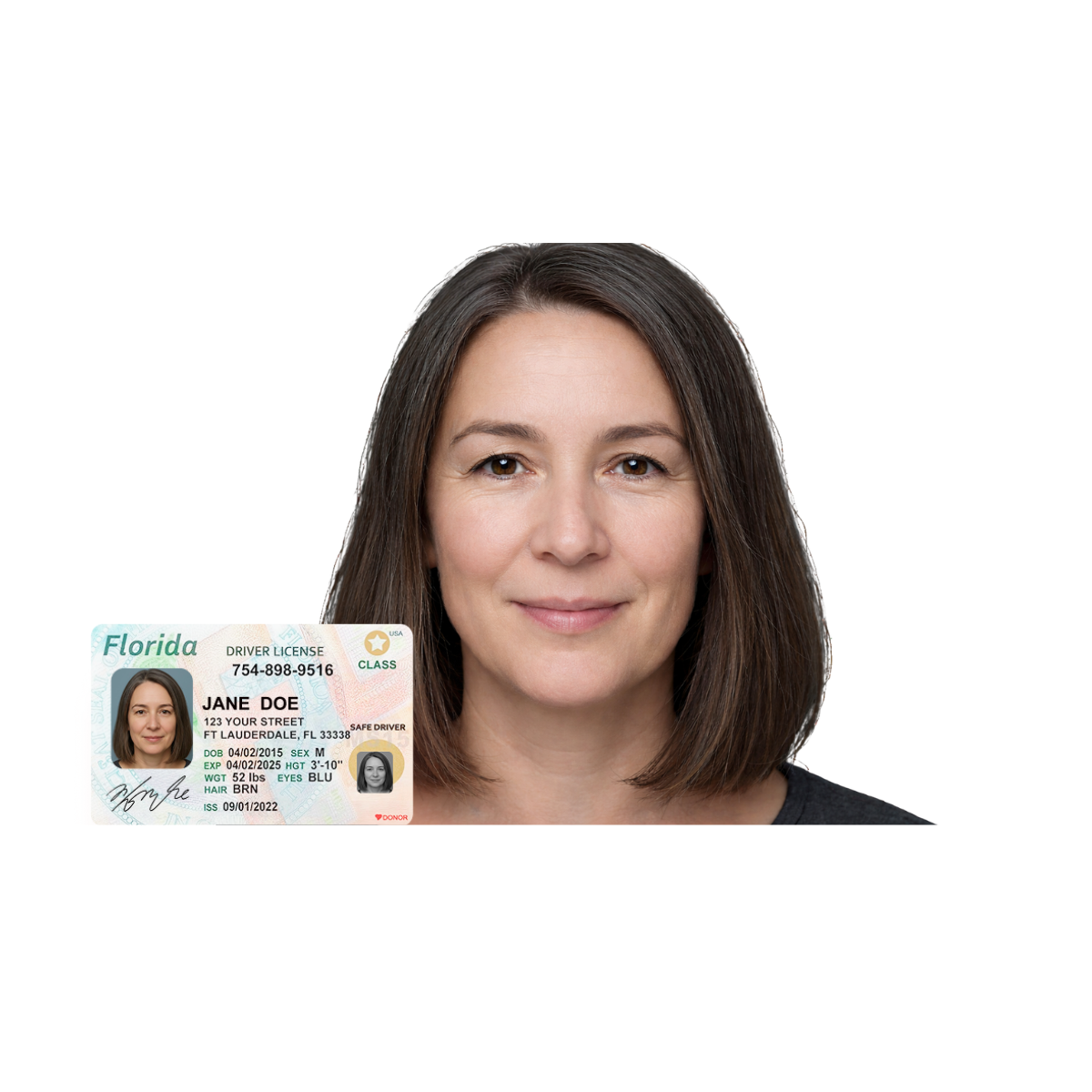
Biennial surveys provide the formal proof that communities continue to meet age requirements. HUD’s Office of Fair Housing and Equal Opportunity (FHEO) conducts civil rights compliance reviews and investigates housing discrimination claims. The Florida Commission on Human Relations handles state-level fair housing enforcement. Given this enforcement landscape, associations need a documented verification process that can withstand regulatory scrutiny.
| Rule | Description | Source |
|---|---|---|
| 80/20 Occupancy | At least 80% of units must have one resident 55+ | HOPA 1995, FL §760.29(4) |
| Intent Demonstration | Policies and amenities serving older adults | HOPA Requirements |
| Age Verification | Procedures for confirming resident eligibility | HUD Guidance |
Seven-Step Age Eligibility Verification Process for Florida Condos
Florida condo associations need a consistent, repeatable process for HOPA age verification and Florida compliance. This seven-step process creates clear documentation and reduces administrative burden. These steps naturally group into three operational phases that align with how CAMs and boards work.
Phase 1: Intake and Collection (Steps 1–2)
Step 1: Applicant Submission – Collect the initial application with age declaration and full household composition details.
Step 2: Document Collection – Request acceptable documents for 55+ age proof under Florida verification rules.
Phase 2: Verification and Validation (Steps 3–4)
Step 3: ID and Age Proof Review – Verify government-issued identification and age documentation. Acceptable documents include Driver’s License, State Identification Card, Passport, Birth Certificate, Military ID, or other official government documents.
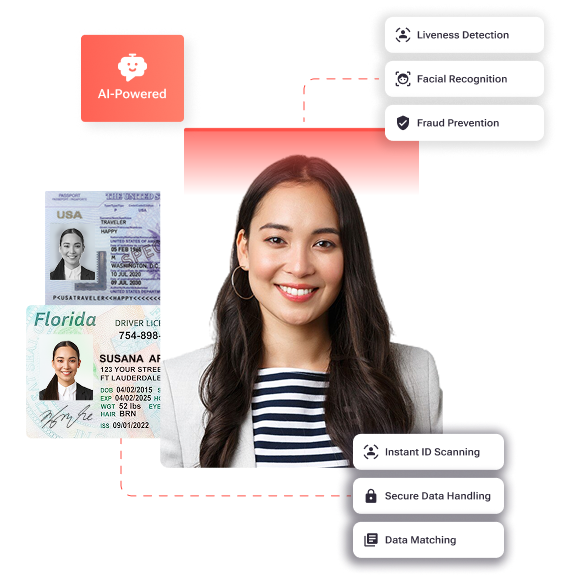
Step 4: Affidavit Handling – Process Florida 55+ community affidavit requirements when primary documentation is unavailable. Third-party affidavits are accepted by HOPA-qualified 55+ communities as a method for age verification.
Phase 3: Approval and Ongoing Monitoring (Steps 5–7)
Step 5: Board Review – Submit the complete application package to the association for approval.
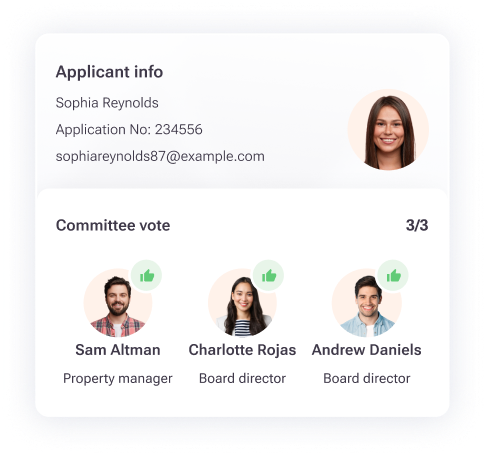
Step 6: 80/20 Tracking – Update occupancy records so the community’s 80/20 compliance ratios stay current.
Step 7: Recordkeeping – Store verification documentation in an organized way for future audits and internal reviews.
These seven steps fall into three operational phases that involve different stakeholders and tasks. Intake and collection focus on gathering information, verification and validation confirm eligibility, and approval and monitoring protect the 80/20 ratio over time.
| Step | Action | Key Requirements |
|---|---|---|
| 1-2 | Application and Document Collection | Complete household composition, acceptable ID |
| 3-4 | Verification and Affidavits | Government-issued documents, sworn statements |
| 5-7 | Approval and Tracking | Board decision, 80/20 monitoring, audit trail |
Common 55+ Verification Challenges and Practical Solutions
Manual age verification processes create heavy administrative workloads for CAMs and boards. Common challenges include incomplete documentation, inconsistent application handling, fraud risks, and difficulty preparing for audits. These issues can jeopardize HOPA compliance and increase liability exposure for associations and management companies.
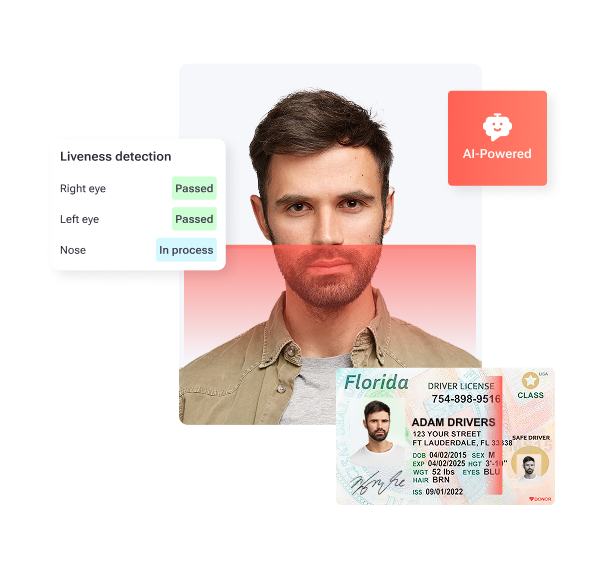
Addressing these challenges requires both process standardization and technology automation. TenantEvaluation’s 55+ Communities Verification tackles each pain point by standardizing application handling across Florida condos and HOAs. The platform reduces manual work, improves documentation consistency, and strengthens operational efficiency for age-restricted communities. The system integrates with IDVerify biometric verification to improve identity confirmation and reduce fraud risks.
Adult children living in a 55+ condo in Florida require careful documentation and tracking. HOPA permits limited exceptions in 55+ communities, such as allowing a spouse or partner under 55 to live with a 55+ resident. Some communities also allow disabled adult children under specific conditions. Proper verification and recordkeeping ensure these exceptions do not compromise the 80/20 ratio.
How TenantEvaluation Automates Florida 55+ Verification
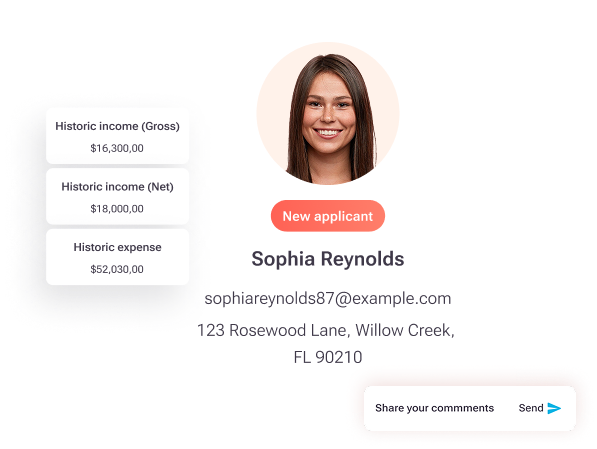
TenantEvaluation’s 55+ Communities Verification turns manual, paper-heavy processes into automated workflows tailored to Florida condos and HOAs. The platform connects biometric identity verification through IDVerify, centralized application management through the QuickApprove dashboard, and custom rules for age-restricted communities.
Clients report 70% time savings in application processing while maintaining strict compliance standards. One Florida-based management company saved $240,000 annually by removing manual verification bottlenecks and cutting processing time by 50%. TenantEvaluation maintains a 4.8/5 Google rating and partners with leading management companies including RealManage and Castle Group.
The platform supports Florida-specific workflows, automated 80/20 tracking, and complete audit trails. Unlike generic screening tools, TenantEvaluation’s 55+ Communities Verification is built for Community Association Managers who manage age-restricted requirements every day.
The following comparison shows how TenantEvaluation’s purpose-built 55+ verification capabilities differ from general property management platforms and basic screening services.
| Feature | TenantEvaluation | ApplyCheck/Verify | Buildium/AppFolio |
|---|---|---|---|
| End-to-End Automation | Yes | No | Partial |
| FL 55+ Specific | Yes | No | No |
| Revenue Sharing | Yes | No | No |
| Biometric Verification | Yes | No | No |
See the platform in action to understand how TenantEvaluation’s 55+ Communities Verification streamlines Florida age verification requirements.
Best Practices and Compliance Checklists for Florida Associations
Governance Best Practices:
Start by creating clear policies that show your community’s intent to serve older adults. This foundational documentation supports every other compliance activity. With policies in place, track 80/20 ratios monthly so you can catch compliance drift before it becomes a violation.
Use these monthly checks to support your biennial surveys required by HOPA. The surveys provide the formal compliance snapshot that regulators expect. As you monitor occupancy, document all exceptions for spouses and disabled adult children, since auditors often review these edge cases closely.
Finally, organize all verification records so you can prepare audit-ready documentation with complete trails. These trails should connect policies, occupancy data, survey results, and exception records in a way that is easy to follow.
TenantEvaluation’s 55+ Communities Verification supports these best practices with automated tracking, standardized documentation, and detailed reporting capabilities.
Conclusion: Building a Defensible 55+ Verification Process
The Florida condo association age eligibility verification process for 55+ communities requires consistent attention to HOPA compliance, 80/20 occupancy tracking, and strong documentation standards. Manual processes increase risk and create administrative burdens that modern tools can remove. TenantEvaluation’s 55+ Communities Verification gives Florida associations the operational control and consistency they need to stay compliant while reducing manual work.
Schedule a demo today to transform your age verification process.
Frequently Asked Questions
What is the 80/20 rule for 55+ communities in Florida?
As discussed earlier, the 80/20 rule requires that at least 80% of occupied units in a 55+ community have at least one resident who is 55 years or older. The main compliance challenge involves maintaining this ratio at all times, including during move-ins and move-outs. Communities should monitor occupancy closely during high-turnover seasons and have plans to restore the ratio quickly if it drops.
How often must 55+ communities conduct biennial surveys?
Biennial surveys must be conducted every two years to confirm ongoing compliance with age requirements. These surveys document household composition, confirm age eligibility, and support the 80/20 occupancy ratio. Communities should retain survey records for HUD audits and other compliance reviews.
Can an adult child live in a 55+ condo in Florida?
Yes, but only under specific circumstances. HOPA provides exemptions from familial status protections for qualifying 55+ communities. Certain family members under 55 may live with a qualifying resident in some situations. These exceptions must be documented carefully and cannot reduce the overall 80/20 ratio below the required threshold.
What documents are acceptable for age verification in Florida 55+ communities?
Acceptable documents include driver’s licenses, state identification cards, passports, birth certificates, military IDs, and other official government-issued documents. Third-party affidavits may be accepted when primary documentation is unavailable. All verification should be documented with the type of documentation used and the verifier’s information.
What are the Florida 55+ community affidavit requirements?
Affidavits serve as alternative verification methods when primary documentation is unavailable. They typically include resident information and sworn statements that support age eligibility. Communities should follow applicable HUD and state guidelines for verification procedures and keep affidavits with other age verification records.
