Written by: Luis Teran, Co-founder, CEO, TenantEvaluation
Key Takeaways
- Florida 55+ HOAs must comply with HOPA’s 80/20 rule, which requires 80% of units to have at least one 55+ resident, verified through reliable procedures and biennial surveys.
- Required documents include government-issued IDs, birth certificates, affidavits, financial statements, and HOA forms to confirm age and financial eligibility.
- The 6-step approval process covers online submission, document verification, background screening, biometric ID confirmation, board review, and decision documentation.
- Common pitfalls such as incomplete documentation, fraud, and manual delays can be avoided with standardized workflows and AI-powered biometric verification.
- Streamline your 55+ HOA applications with TenantEvaluation’s automated verification, and reduce manual work across every application.
Florida 55+ HOA Legal Framework & 80/20 Rule
The 80/20 rule requires at least 80% of occupied units to have at least one resident aged 55 or older, which gives communities up to 20% flexibility for households without qualifying residents. HOPA also requires qualifying communities to publish policies that show a clear intent to serve older adults, including age-focused amenities, accessible facilities, and senior-oriented social programs.
Communities must conduct biennial surveys to verify ongoing compliance and maintain reliable age verification procedures. HUD’s Office of Fair Housing and Equal Opportunity investigates compliance within 100 days of complaints, reviewing occupancy records, written policies, and age verification files.
| HOPA Requirement | Compliance Standard | Application Impact |
|---|---|---|
| 80% Age Threshold | 80% units with 55+ occupant | Verify all occupants before move-in |
| Published Policies | Written intent documentation | Include policy acknowledgment forms |
| Age Verification | Reliable procedures required | Compliance with HUD rules for verification of occupancy through reliable surveys and affidavits |
| Biennial Surveys | Every two years minimum | Ongoing resident age confirmation |
TenantEvaluation’s 55+ Communities Verification standardizes HOPA compliance workflows for Florida condos and HOAs, which keeps documentation consistent and reduces administrative burden. See how TenantEvaluation automates HOPA compliance tracking with a guided demo.
Florida 55+ HOA Application Documents Checklist
Meeting HOPA’s verification requirements starts with collecting the right documentation from every applicant. Successful 55+ applications require complete records that confirm age eligibility and financial qualifications for all adult occupants.
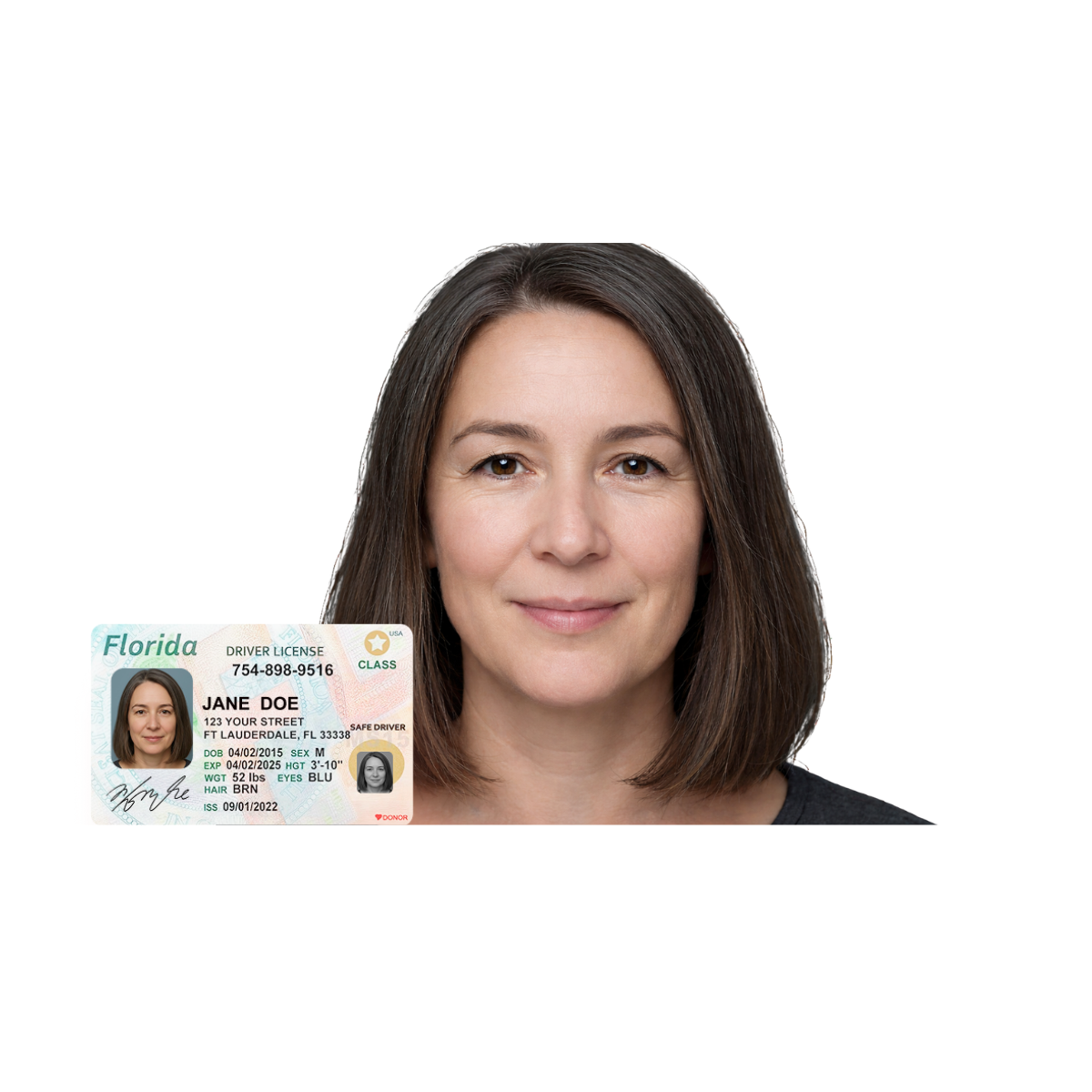
Reliable age verification for HOPA compliance means collecting a driver’s license, passport, birth certificate, or signed affidavit from household members over 18. Communities that keep these records organized can respond quickly to audits, disputes, or HUD investigations.
Required Documents for Buyers
- Government-issued photo ID (driver’s license or passport)
- Birth certificates for all occupants
- Age verification affidavits
- Purchase agreement or lease documentation
- Financial statements and income verification
- HOA application forms with age attestations
HOA Documentation Requirements
- Community-specific application forms
- HOPA compliance disclosures
- Age restriction policy acknowledgments
- Background check authorization forms
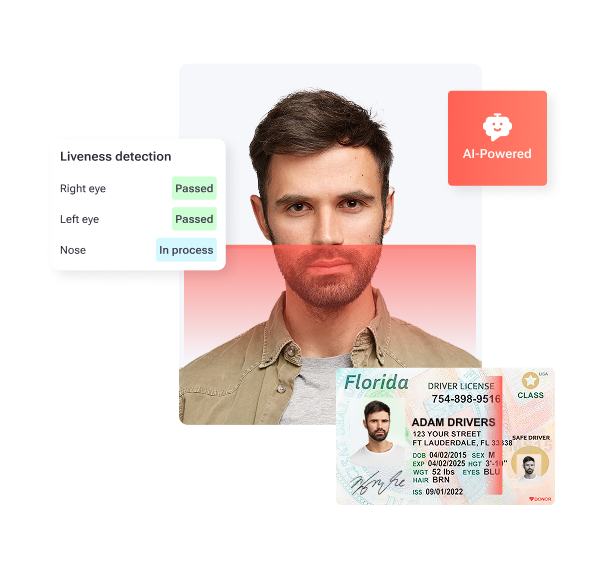
Identity fraud risks have increased significantly, with more than 40% of companies experiencing fraudulent identity hiring attempts in 2025. This surge in fraud makes traditional document review less reliable, because forged IDs and stolen identities can pass a simple visual check. TenantEvaluation’s IDVerify addresses this gap by providing biometric confirmation through AI-powered liveness detection and facial matching to prevent document fraud.

| Document Type | Verification Method | Fraud Prevention |
|---|---|---|
| Driver’s License | IDVerify biometric scan | Liveness detection and facial matching |
| Birth Certificate | Document authentication | Security feature validation |
| Financial Records | Income verification | Direct employer contact |
Eliminate document collection delays with TenantEvaluation’s automated workflows, and explore the platform in a live demo.
Florida 55+ HOA Approval Process: 6 Steps
A clear, standardized approval workflow protects FCRA compliance and cuts processing times from weeks to hours. TenantEvaluation structures the process into six practical steps that communities can follow for every application.
Step 1: Application Submission
Applicants receive property codes from associations and complete online forms through TenantEvaluation’s platform. This digital intake replaces paper packets and reduces delays caused by missing or illegible forms.
Step 2: Document Upload and Age Verification
Automated document collection validates required age proof for all adult occupants. Intelligent form logic flags missing items and rejects incomplete submissions before they reach manual review.
Step 3: Background and Credit Screening
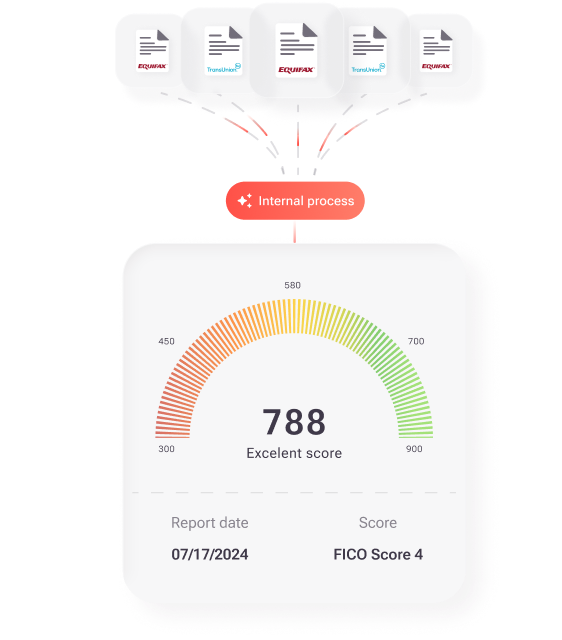
FCRA-compliant background checks run through direct credit bureau relationships with TransUnion and Equifax. These direct connections ensure legitimate data sources and consistent screening standards.
Step 4: Biometric Identity Confirmation
IDVerify confirms physical presence through government ID validation and facial biometric comparison. This step helps prevent synthetic identity fraud and protects communities from high-risk applicants using stolen credentials.
Step 5: Board Review and Voting
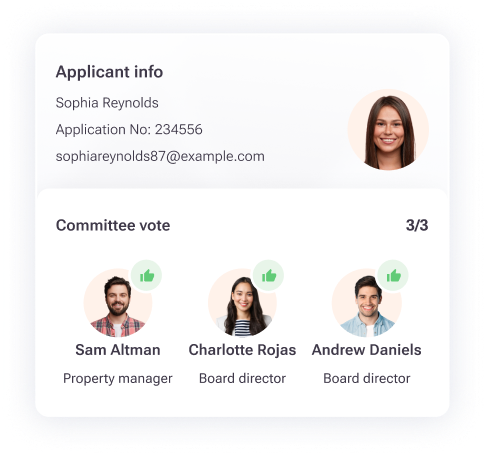
TenantEvaluation’s QuickApprove dashboard gives board members AI-generated application summaries and streamlined voting panels. This structure supports transparent decision-making and consistent application of community rules.
Step 6: Approval Decision and Documentation
Automated workflows generate approval letters or adverse action notices with complete audit trails. These records reduce liability exposure and support regulatory compliance during disputes or audits.
Traditional manual processes often require 5 to 10 days with repeated back-and-forth communication. TenantEvaluation’s automated platform reduces approval timelines to 5 to 10 minutes while still maintaining comprehensive compliance documentation.
Cut approval times from days to minutes, and see the full workflow in action.
Florida 55+ HOA Pitfalls and How to Avoid Them
Even with a solid process in place, specific failure points can derail compliance and create legal exposure. Common compliance failures create operational inefficiencies and can threaten a community’s age-restricted status.
Court cases have highlighted critical pitfalls when 55+ HOAs fail to maintain proper age verification records. In some situations, communities could not reject younger applicants and risked losing their age-restricted designation.
Critical Pitfalls
- Incomplete age documentation that leads to HOPA violations
- Under-55 occupancy loopholes that compromise the 80% threshold
- Manual processing delays that cause buyer and realtor frustration
- Identity fraud through document manipulation or stolen credentials
- Inconsistent verification procedures across applications and buildings
Best Practice Solutions
TenantEvaluation addresses these challenges through automated biometric verification, standardized workflows, and intelligent document review. The platform’s 55+ Communities Verification feature helps Florida condos and HOAs maintain consistent age-restricted application handling, which reduces manual work and improves operational efficiency.
This approach has proven effective at scale, with $150M in revenue generated for communities and a 4.8/5 Google rating. TenantEvaluation delivers comprehensive fraud prevention that outperforms manual-heavy competitors like ApplyCheck and Verify Screening Solutions.
Prevent compliance failures before they happen, and discover TenantEvaluation’s safeguards in a tailored walkthrough.
Master Florida 55+ HOA Applications in 2026
Effective 55+ community management in 2026 depends on accurate documentation, automated verification workflows, and FCRA-compliant screening. Communities that modernize these pieces protect their age-restricted status and create a smoother experience for residents.
TenantEvaluation’s specialized platform serves community association managers and board members with built-in 55+ Communities Verification. This structure reduces administrative burden while strengthening compliance controls across every building and association.
As Florida’s pioneer in resident screening automation, TenantEvaluation standardizes age-restricted application handling while still leaving room for legal guidance from community counsel. The platform’s biometric identity verification, automated document review, and board-specific dashboards create seamless onboarding experiences for buyers, realtors, and management companies.
Transform your 55+ onboarding process, and schedule your personalized demo.
Florida 55+ HOA FAQs
What documents are required for Florida 55+ HOA applications?
Florida 55+ communities typically require a government-issued photo ID, birth certificates for all occupants, age verification affidavits, purchase or lease agreements, financial statements, and HOA-specific application forms. TenantEvaluation’s IDVerify adds biometric confirmation to reduce document fraud through AI-powered liveness detection and facial matching technology.
How does the 80/20 rule work in Florida 55+ communities?
The 80/20 rule mentioned earlier means your community can keep age-restricted status even if up to 20% of units house younger residents, as long as the remaining 80% have at least one occupant aged 55 or older. This flexibility helps communities handle edge cases such as adult children temporarily living with aging parents or short-term changes in household composition.
What are the age verification steps for Florida 55+ HOAs?
Age verification usually requires collecting government-issued IDs, birth certificates, and signed affidavits from household members. Many modern communities now add biometric verification through platforms like TenantEvaluation to confirm physical presence and reduce identity fraud using facial recognition and liveness detection technology.
Can residents under 55 live in Florida 55+ communities?
Spouses and adult children under 55 may live in Florida 55+ communities with qualifying 55+ residents if they meet specific community bylaws. Minors under 18 generally cannot reside permanently, although most communities permit visits for 15 to 30 days annually. Individual communities may adopt stricter policies that require 100% age compliance or shorter visit windows.
What 2026 changes affect Florida 55+ community verification?
Biometric verification is becoming standard practice to address rising identity fraud, with AI-powered presentation attack detection blocking deepfakes and synthetic identities. Florida communities increasingly adopt automated platforms to support FCRA compliance, reduce manual administrative burdens, and maintain HOPA standards with consistent digital records.
How does TenantEvaluation support 55+ community applications?
TenantEvaluation’s 55+ Communities Verification standardizes age-restricted application handling across Florida condos and HOAs, which can reduce application cycles and approval times by up to 70%. This time savings frees staff from manual follow-ups and repetitive data entry. The platform integrates biometric identity verification, automated workflows, and board-specific dashboards to streamline approvals and strengthen compliance controls.
