Written by: Luis Teran, Co-founder, CEO, TenantEvaluation
Key Takeaways for Florida 55+ Condo Boards
- Florida 55+ condo communities must follow the HOPA 80/20 rule, which requires 80% of units to include at least one resident aged 55 or older.
- Acceptable age verification documents include driver’s licenses, passports, birth certificates, military IDs, and affidavits signed under penalty of perjury.
- Boards can rely on a clear 7-step process that covers disclosure, document collection, verification, affidavits, board approval, recordkeeping, and monitoring.
- Standardized digital workflows and clear written policies help prevent manual delays, disputes over adult children, and other common verification conflicts.
- TenantEvaluation’s 55+ Communities Verification automates compliance for Florida condos and HOAs, and you can see the platform in action to streamline your process.
How the 80/20 Rule Works for Florida 55+ Communities
The Housing for Older Persons Act (HOPA) 80/20 rule requires at least 80% of occupied residential units to be inhabited by at least one person aged 55 or older, while permitting up to 20% of units to house younger residents or families. Florida Statute Section 760.29 requires association boards to maintain documented age verification for compliance. Communities must also show intent to serve older adults through policies, amenities, and physical design features.
The following table highlights three critical compliance dimensions and the risks that come with gaps in each area.
| Aspect | Requirement | Violation Risk |
|---|---|---|
| Occupancy | 80% units w/ 1+ resident 55+ | Lost Fair Housing Act exemption |
| Verification | Reliable documentation procedures | HUD audits and fines |
| Compliance | Documented procedures | Potential loss of exemption |
Each compliance failure carries its own regulatory consequences, so standardized verification processes are essential for maintaining compliance and avoiding penalties.

Required Documents for Florida 55+ Condo Age Verification
Florida 55+ communities must collect specific documentation to verify resident ages under HOPA compliance standards. Acceptable documents include driver's licenses, state identification cards, passports, birth certificates, military IDs, or other official government documents. Communities may also use third-party affidavits for age verification when government-issued documents are unavailable.
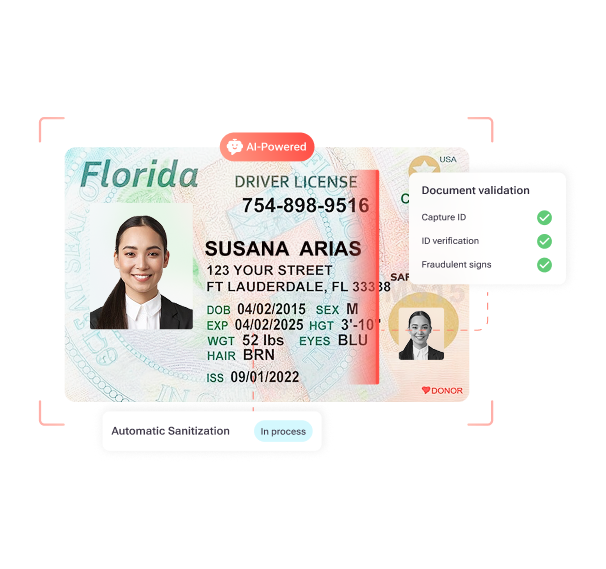
The table below groups the three primary document types by how boards typically use them in the verification workflow.
| Document Type | Use Case | Notes |
|---|---|---|
| Driver's License/State ID | Primary age proof | Government-issued identification |
| Birth Certificate | Backup verification | Official vital records |
| Age Affidavit | Self-certification under penalty of perjury | Required household composition details |
Understanding these document categories matters because adult children under 55 cannot count toward the 80% requirement and are typically limited to temporary visits of 15 to 30 days per year under most community policies. Up to 20% of units may house younger residents or families with small children without violating HOPA standards.
Step-by-Step Florida Condo Board Age Verification Process for 55+ Communities
Once you know which documents satisfy HOPA requirements, you need a consistent way to collect and verify them for every applicant. This comprehensive Florida condo board age verification process for 55+ communities supports HOPA compliance while also streamlining administrative workflows.
Step 1: Pre-Application Disclosure
Provide clear written notice of age restrictions, 80/20 rule requirements, and community policies regarding younger residents before application submission.
Step 2: Document Collection
Gather required identification documents, birth certificates, and completed age verification affidavits from all proposed residents.
Step 3: Age Verification Review
Verify ages against government-issued documentation and cross-reference those ages with household composition details provided in affidavits.
Step 4: Affidavit Processing
Review completed affidavits for accuracy, confirm that all household members are documented, and ensure age qualifications are clearly established.
Step 5: Board Review and Approval
Present verification results to the board through streamlined dashboards like QuickApprove to support efficient and consistent decisions.

Step 6: Compliance Recordkeeping
Maintain detailed audit trails of all verification documents and board decisions to support regulatory compliance and future audits.
Step 7: Ongoing Monitoring
Conduct regular compliance surveys and update resident records to ensure continued adherence to the 80/20 rule.
See how TenantEvaluation automates this entire seven-step process while maintaining full compliance documentation.
Common Challenges in 55+ Age Verification and How to Avoid Them
Even with a structured seven-step process in place, Florida condo boards frequently encounter verification bottlenecks. These include manual document review delays, inconsistent documentation standards, and disputes over adult children residency rules. When these bottlenecks lead to compliance failures, HUD investigations focus on communities' written policies and occupancy records. The most common issues that trigger such investigations include under-55 residents attempting to circumvent age restrictions, email-based document collection that creates security risks, and inadequate audit trails for regulatory reviews.
Among these challenges, the most frequent question boards face, “Can adult children live in Florida 55+ community?”, requires clear policy enforcement. Most adult children cannot establish permanent residency and are limited to temporary visits. Standardized verification workflows prevent these disputes by setting clear documentation requirements at the start of the application process.
Best Practices and Recent Law Changes for Florida 55+ Communities
Effective age verification depends on standardized workflows, comprehensive audit trails, and secure digital document collection systems. Florida's 2020 law changes eliminated registry filing requirements and biennial compliance reporting for 55+ communities. Best practices now focus on conducting regular resident surveys, maintaining updated community policies, and using automated verification systems that reduce manual processing errors.
Communities should also set clear policies for the 20% of units that may house younger residents and document all age verification procedures in writing. Boards that keep thorough compliance records and schedule regular internal audits can often identify potential issues before they become regulatory violations.
Streamline Florida 55+ Compliance with TenantEvaluation's 55+ Communities Verification
TenantEvaluation's 55+ Communities Verification gives Florida condo boards a purpose-built solution for age-restricted communities. Built on FCRA-compliant foundations with direct TransUnion and Equifax reseller relationships, TenantEvaluation reduces manual work, standardizes application handling, and supports documentation consistency for Community Association Managers and boards.
The platform improves operational efficiency through automated workflows that cut processing time by 70%. It also strengthens internal processes with comprehensive audit trails and QuickApprove board dashboards. Enhanced security features such as IDVerify biometric verification and automated document redaction provide stronger fraud prevention than manual processes.

| Feature | TenantEvaluation | Manual Processes |
|---|---|---|
| Processing Time | Hours (70% time savings) | Days of manual review |
| Compliance Documentation | Built-in FCRA/HOPA audits | Manual recordkeeping |
| Board Access | QuickApprove dashboard | Email-based approvals |
| Revenue Impact | $150M generated for communities | Administrative cost burden |
Unlike generic screening solutions, TenantEvaluation's 55+ Communities Verification provides end-to-end workflow standardization specifically built for Florida condos and HOAs that manage age-restricted requirements. Transform your age verification process with a personalized demo.
Frequently Asked Questions
What is the 80/20 rule for Florida 55+ communities?
The 80/20 rule, explained in detail above, requires a majority of units in a 55+ community to include at least one resident aged 55 or older. This federal standard under HOPA provides the foundation for age-restricted housing exemptions from Fair Housing Act familial status protections.
Can adult children live in Florida 55+ communities?
Adult children generally cannot establish permanent residency in Florida 55+ communities. Most communities limit adult children to temporary visits, and they cannot count toward the required 80% occupancy threshold.
What does Section 760.29(4) Florida Statutes require for age verification?
Florida Statute Section 760.29 addresses compliance for age-restricted housing under the 80/20 rule. It requires communities to maintain appropriate documentation and to demonstrate intent to serve older adults through marketing, policies, and amenities.
What are the most recent law changes for Florida 55+ communities?
As noted in the best practices section, Florida's 2020 law changes eliminated registry filing requirements and biennial compliance reporting for 55+ communities. Maintaining comprehensive verification records and standardized approval processes remains essential for compliance.
What documents are required for Florida condo 55+ age verification?
Required documents include government-issued identification such as driver's licenses, state IDs, passports, birth certificates, or military IDs. Communities may also accept third-party affidavits completed under penalty of perjury that certify resident ages and household composition details.
Implementing a compliant Florida condo board age verification process for 55+ communities requires systematic documentation, standardized workflows, and comprehensive audit trails. TenantEvaluation's 55+ Communities Verification turns manual processes into streamlined, automated systems that reduce administrative burden while supporting regulatory compliance. Discover how thousands of Florida communities have modernized their age verification processes.
