
Key Takeaways
- Eviction history screening gives Florida HOAs a clear view of applicant reliability and helps protect community finances in 2026.
- Written, consistently applied criteria and proper consent keep screening practices aligned with federal and Florida laws.
- Context-driven review of eviction data, not just yes-or-no flags, leads to fairer and more accurate risk decisions.
- Standard procedures for adverse action notices and documentation reduce legal exposure and support transparent communication with applicants.
- Florida HOAs can simplify compliant eviction history screening by using a dedicated platform such as Tenant Evaluation; get started with a demo.
Why Eviction History Screening is Indispensable for Florida HOAs
1. Recognize how eviction history protects HOA stability
Eviction history screening acts as an early warning system for Florida HOAs. Residents with prior evictions can create financial strain through unpaid assessments, higher risk of rule violations, property damage, and conflicts with neighbors. HOAs that approve applicants without reviewing this history may face legal fees, repair costs, and collection issues that reduce reserves and pressure budgets.
Florida Statutes Chapter 83 for 2025 governs landlord-tenant relations, including eviction procedures, and shows how complex and time consuming the process can be. One avoidable eviction can consume staff time, board attention, and legal resources. Careful review of eviction records helps identify patterns of non-payment, serious lease breaches, or repeated conflicts before they reach your community.
2. Work within Florida and federal screening laws
Legal compliance should guide every eviction history check. The federal Fair Housing Act and the Florida Fair Housing Act prohibit discrimination in tenant screening based on protected characteristics such as race, color, religion, sex, national origin, familial status, and disability. The Fair Credit Reporting Act (FCRA) also controls how HOAs use consumer reports, including eviction data.
Florida landlords, including HOAs, must apply screening criteria consistently to all applicants to stay compliant. Selective use of eviction checks or different standards for different applicants can lead to discrimination claims and financial penalties. Written policies, board training, and documentation of decisions help show that the HOA treats every application under the same rules.
3. Set clear and transparent eviction criteria
Clear criteria make screening faster, fairer, and easier to defend. Florida requires landlords to share written screening criteria with applicants before starting the application, which supports transparency and consistency.
Florida HOAs can define, in writing:
- How many prior evictions disqualify an applicant
- How recent an eviction must be to matter, such as within the past three to five years
- Which reasons for eviction are unacceptable, such as property damage or repeated non-payment
- Which situations may allow case-by-case review, such as an older eviction tied to temporary hardship
HOAs that provide these standards upfront reduce disputes and show applicants that decisions follow objective rules.
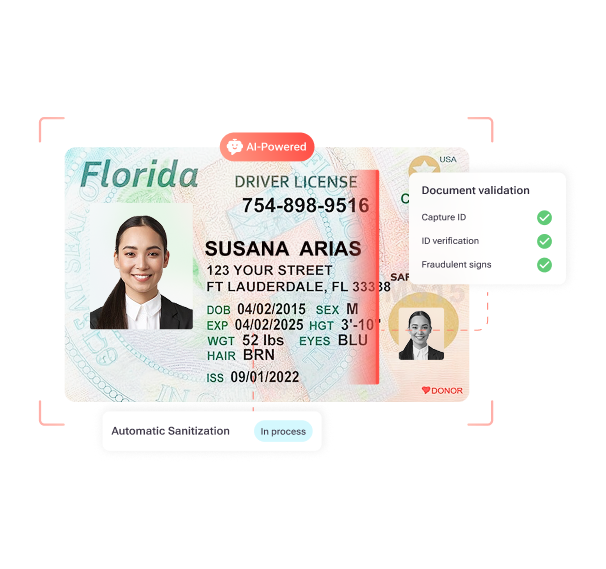
Schedule a demo today to see how standardized criteria work inside a screening platform.
4. Use proper consent for every eviction history check
Written consent is a basic legal requirement before accessing eviction, credit, or criminal history. Florida housing rules and the FCRA require that applicants authorize these checks in writing and understand what information will be collected and why.
An effective consent form:
- Identifies the types of checks, including eviction records
- States how the HOA will use the information
- Explains that the information may affect approval decisions
HOAs that collect consent through a digital application can create a timestamped record of authorization, which supports compliance if an applicant later challenges the process.
5. Analyze eviction data for risk, not just pass/fail
Context around eviction records often matters more than the simple fact that an eviction occurred. Common eviction reasons in Florida include non-payment, property damage, repeated lease violations, and holdover tenancy. Each reason carries a different level of risk for an HOA.
Stronger decisions come from reviewing:
- How recent the eviction was
- Whether there were multiple filings or judgments
- Whether the issue involved serious damage or safety concerns
- Whether the applicant has stable income and positive history since the eviction
An applicant with one older eviction during a job loss may present lower risk than an applicant with more recent evictions tied to vandalism or persistent non-payment.
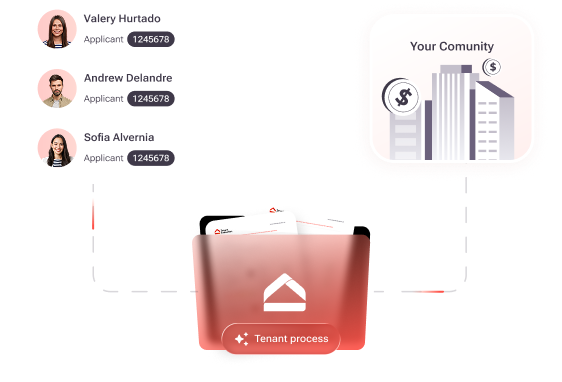
6. Use technology to streamline compliant screening
Dedicated screening platforms help Florida HOAs collect eviction data, credit, identity checks, and supporting documents in a structured and compliant way. Automated workflows reduce manual data entry, standardize criteria, and produce consistent reports for board review.
Effective platforms typically:
- Pull nationwide eviction and public records
- Verify identity and flag mismatches
- Present clear summaries and risk indicators
- Store reports and decisions for audit purposes
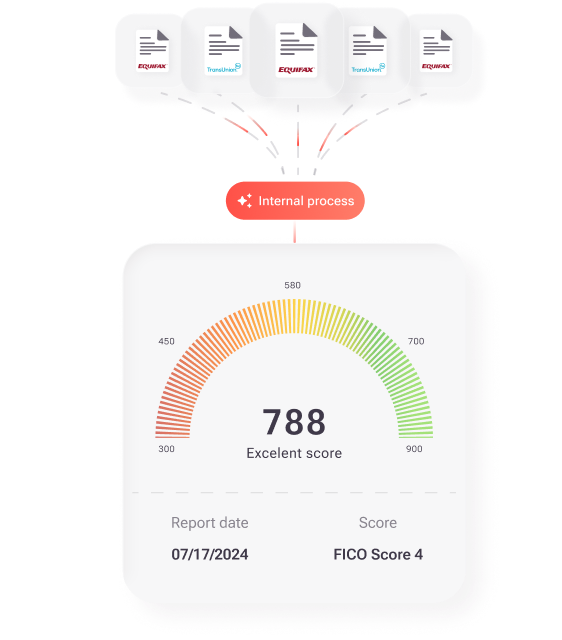
These tools free board members and managers to focus on judgment and policy, rather than paperwork and data chasing.
7. Follow a clear process for adverse action notices
When a landlord denies an application based on a screening report, the FCRA requires an adverse action notice that identifies the reporting agency and explains dispute rights. Florida HOAs that decline an applicant because of eviction history must send this notice in writing.
A compliant adverse action notice should:
- State that the application was denied or approved with conditions
- Identify that eviction or screening information affected the decision
- List the consumer reporting agency name, address, and phone number
- Explain the applicant’s right to obtain a copy of the report and dispute errors
HOAs that maintain templates, timelines, and assigned responsibilities for these notices reduce the risk of fines and disputes over communication.
Frequently Asked Questions about Eviction History Screening for HOAs
Can an HOA deny an applicant solely based on eviction history in Florida?
Florida HOAs may deny an applicant based on eviction history if they apply the same standard to every applicant and follow fair housing and FCRA rules. The eviction record should relate to issues that matter for the community, such as non-payment, damage, or repeated rule violations. Written policies that describe which types of eviction history lead to denial help support consistent and defensible decisions.
How far back can an HOA look into an applicant’s eviction history in Florida?
Consumer reporting agencies commonly report eviction records for up to seven years. Many HOAs focus on the most recent three to five years, since older cases often have less predictive value. Each HOA should select a clear timeframe, apply it consistently, and share it in the written screening criteria so applicants understand the standard in advance.
What are the consequences if an HOA fails to comply with Florida’s screening laws?
Non-compliance with fair housing and screening laws can lead to fines, damage awards, attorney fees, and reputational damage. Risks include discriminatory treatment, missing consent, misuse of consumer reports, and failure to send required adverse action notices. HOAs that face enforcement actions may also need to complete training, change policies, and submit to monitoring, which adds cost and time.
What types of eviction records are typically included in an eviction history report?
Most eviction reports list filed eviction cases, court judgments, monetary judgments for unpaid rent or damages, and sometimes unlawful detainer actions. Many reports also indicate the primary reason for each filing, such as non-payment or lease violations. This detail gives HOAs useful context when comparing different applicants with similar numbers of filings.
How can HOAs ensure their eviction history screening process is legally compliant?
Compliance improves when HOAs combine clear policies with reliable tools. Key steps include:
- Writing screening criteria that avoid discriminatory factors and using them for all applicants
- Collecting written consent before ordering eviction and credit reports
- Sending accurate adverse action notices any time a report affects a denial or conditional approval
- Training board members and managers on fair housing, FCRA rules, and HOA policies
- Working with screening providers that understand Florida requirements and provide documentation
Conclusion: Use eviction history to support a stable community
Thoughtful eviction history screening helps Florida HOAs protect budgets, reduce conflicts, and support long-term property values. When boards understand the legal framework, use clear criteria, gather proper consent, evaluate context, and follow notice requirements, they create a fair and defensible process. Structured technology and experienced screening partners make these steps easier to follow in daily operations.
Schedule a demo today to see how Tenant Evaluation can help your Florida HOA apply these eviction history strategies in 2026.