Written by: Luis Teran, Co-founder, CEO, TenantEvaluation
Key Takeaways for Enterprise 55+ Screening
- Enterprise CAMs managing 50+ Florida 55+ properties face manual screening bottlenecks. Automation replaces these with standardized workflows and biometric verification.
- HOPA requires 80% occupancy verification with age certification. Automated platforms keep documentation consistent across large portfolios.
- FCRA compliance demands proper permissible purpose, adverse action procedures, and audit trails. Integrated platforms like TenantEvaluation handle these requirements within one system.
- Biometric IDVerify+ and QuickApprove dashboards reduce processing time by 70%, enabling massive scale without staff increases.
- TenantEvaluation generates $150M+ revenue for communities. See how your portfolio can generate similar returns.
Enterprise 55+ Screening Framework and Core Definitions
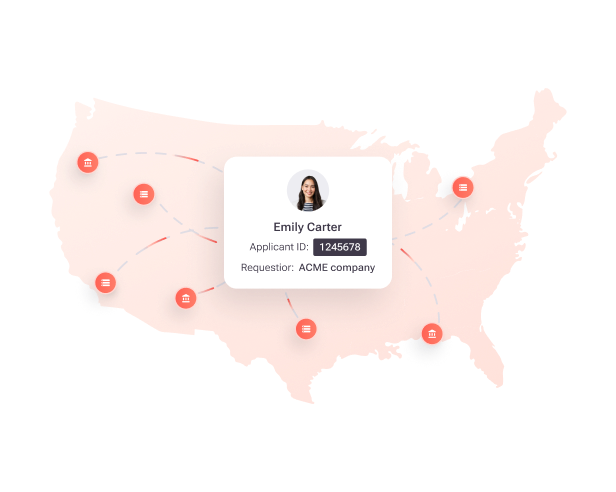
Resident screening for 55+ HOAs and condominiums covers background verification through SafeCheck+, credit reporting via direct bureau relationships, identity validation, income confirmation, and age verification documentation. The enterprise framework connects these checks to operational workflows and compliance requirements, including FCRA permissible purpose certification and adverse action procedures, along with board approval processes. This systematic approach standardizes decision-making across large portfolios while maintaining audit defensibility. The five-stage workflow below shows how each component connects to create an end-to-end screening process.
| Stage | Description | Key Components |
|---|---|---|
| 1. Intake | Online applications | Custom rules, document collection |
| 2. Verification | Biometric and 55+ validation | IDVerify+, age documentation |
| 3. Screening | Background and credit checks | FCRA-compliant reports |
| 4. Review | Board dashboard oversight | QuickApprove voting panel |
| 5. Approval | Audit trail completion | Revenue sharing documentation |
Florida 55+ Portfolio Landscape and Scale Pressures
The 2026 landscape shows rapid consolidation and technology adoption across Florida’s 55+ housing sector. Industry estimates project companies combining AI with RPA reporting up to 85% reduction in processing time for document-based tasks, which drives enterprise adoption of automated screening platforms. Identity fraud incidents continue rising, so portfolios need biometric verification layers for protection.
Major operators like RHP Properties manage large portfolios of manufactured home parks with thousands of home sites, including locations in Florida. This scale requires systematic screening approaches that work across many communities. Manual processes that served smaller portfolios become unsustainable at enterprise volumes, with CAMs reporting overwhelming documentation burdens across multiple properties.
The regulatory environment demands consistent HOPA compliance documentation for every age-restricted community. Operational efficiency also requires standardized workflows that remove property-by-property variations in screening procedures. These portfolio-wide challenges require operational systems designed specifically for enterprise scale.

How Enterprise CAMs Apply Screening in Daily Operations
Daily operations across 50+ properties function best with centralized dashboard management that enables real-time application tracking, automated realtor communications, and instant status alerts. Enterprise CAMs gain efficiency from standardized intake procedures that remove property-specific variations while still honoring community-specific screening criteria. Multi-property oversight becomes manageable when consolidated reporting aggregates application volumes, approval rates, and compliance metrics across the entire portfolio.
Integration with existing property management systems keeps data flowing cleanly without duplicate entry. Successful implementation depends on pre-configured community rules, staff training on dashboard navigation, and clear escalation procedures for complex applications. The transition from manual to automated processes significantly reduces daily administrative hours, which allows teams to focus on strategic portfolio management instead of document processing.
Compliance, Risk Management, and 55+ Governance
FCRA compliance forms the foundation of enterprise screening operations and requires proper adverse action procedures and comprehensive audit trails under CFPB Regulation V. Biometric verification supports permissible purpose validation by confirming identity before screening authorization occurs. Data security protocols must meet PCI Level 1 standards, with end-to-end encryption protecting sensitive applicant information.
Board oversight mechanisms provide governance while preserving operational efficiency through streamlined approval workflows. Age-restricted communities also need specialized documentation procedures that support HOPA compliance without creating new administrative bottlenecks.
Common Challenges When Scaling 55+ Screening
Manual bottlenecks emerge when processing volumes exceed staff capacity, which creates delays that affect resident onboarding timelines. These delays become more severe when documentation standards vary across properties, because staff must learn different procedures for each location while also managing the volume backlog. The situation worsens as portfolio size increases, since larger operations attract more identity fraud attempts that manual review processes cannot detect efficiently.
During peak application periods, these compounding factors overwhelm traditional processing workflows. Enterprise operations report losing 50+ staff hours daily to manual screening tasks, a 70% reduction in processing time when automated systems replace manual workflows. These challenges intensify as portfolios expand, so scalable solutions become essential for sustainable growth.
Automation Framework for Large Portfolio Tenant Screening
Best practices for tenant screening across large portfolios focus on automation and standardization that remove manual variations while preserving community-specific requirements. Successful optimization requires systematic workflow implementation that scales across multiple properties without proportional staff increases. The following seven-step framework demonstrates how automation eliminates manual bottlenecks at each stage.
| Step | Action | TenantEvaluation Tool |
|---|---|---|
| 1 | Custom rules setup | Florida HOA configurations |
| 2 | Online applications | 100% digital intake |
| 3 | Biometric IDVerify+ | Liveness detection and ID matching |
| 4 | Auto-redaction | PII security protocols |
| 5 | 55+ verification | Standardized documentation |
| 6 | Board QuickApprove | Voting dashboard interface |
| 7 | Analytics and ROI | Revenue reporting systems |
This seven-step framework gives enterprise teams a clear blueprint for screening optimization. TenantEvaluation delivers comprehensive automation that scales efficiently across large 55+ portfolios.
Why TenantEvaluation Fits Enterprise 55+ Portfolios
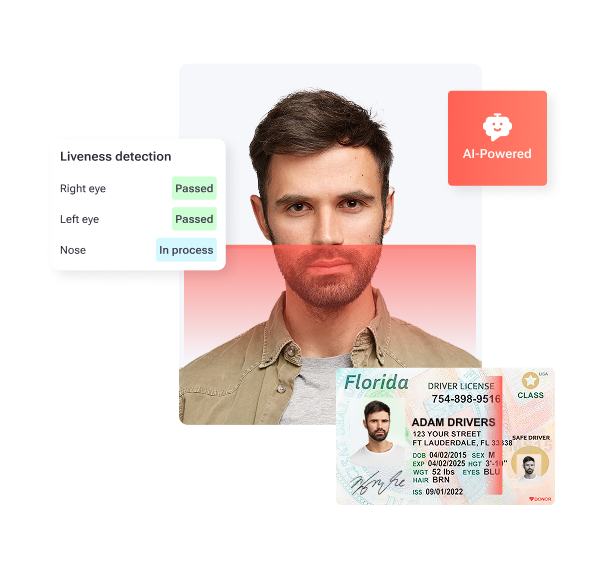
TenantEvaluation’s all-in-one platform combines an FCRA-compliant foundation with direct credit bureau relationships, which removes third-party dependencies that create compliance gaps. IDVerify+ biometric verification adds fraud prevention capabilities designed for community association risk environments. The 55+ Communities Verification feature reduces manual work by standardizing application handling across all properties. This standardization naturally supports documentation consistency, which is critical for Florida Condos and HOAs facing HOPA compliance audits.
This capability improves operational efficiency and strengthens internal processes for Community Association Managers. Enterprise scale capabilities support 100,000+ applications annually with proven ROI for large management companies. QuickApprove board dashboards provide governance oversight unavailable in competing solutions like ApplyCheck or Verify Screening, which lack comprehensive biometric verification and end-to-end automation.

TenantEvaluation’s specialization in community associations delivers stronger results than generic tenant screening platforms designed for rental properties. Experience how enterprise-grade automation transforms your screening operations.
ROI Outcomes and Enterprise Case Studies
Enterprise implementations show measurable efficiency gains and cost reductions across large 55+ portfolios. A Florida-based management company achieved $240,000 annual savings by eliminating 50 hours of daily manual processing through TenantEvaluation automation. Processing time reductions of 70% enable faster resident onboarding while reducing administrative overhead.
Revenue sharing models create additional income streams that offset implementation costs, with many clients reaching cost-neutral or revenue-positive outcomes. RealManage and other enterprise partners report significant operational improvements through standardized workflows that scale across multiple properties without proportional staff increases.
Conclusion: Moving to Enterprise-Grade 55+ Screening
Scaling screening for large 55+ portfolios requires systematic automation that removes manual bottlenecks while maintaining FCRA compliance and HOPA documentation standards. TenantEvaluation’s comprehensive platform delivers proven results for Florida’s largest management companies through integrated workflows, biometric verification, and specialized 55+ community features. Start implementing enterprise-grade automation for your portfolio.
Frequently Asked Questions
What is the best enterprise screening solution for 55+ portfolios?
TenantEvaluation provides the most comprehensive enterprise screening platform specifically designed for 55+ communities, with proven scale supporting 100,000+ applications annually. The platform combines FCRA-compliant background screening, biometric identity verification, automated 55+ age verification, and board governance dashboards in a single integrated solution. Unlike generic tenant screening services, TenantEvaluation is built specifically for Florida community associations with specialized features that address the unique requirements of age-restricted housing operations.
How can large portfolios standardize 55+ verification processes?
TenantEvaluation’s built-in 55+ Communities Verification module standardizes age-restricted application handling across multiple properties, which reduces manual work and supports documentation consistency. This feature is built for Florida Condos and HOAs and designed for Community Association Managers who want to improve operational efficiency and strengthen internal processes. The system creates structured workflows that replace fragmented manual processes, so documentation stays consistent and administrative burden drops across entire portfolios.
What FCRA requirements apply to large HOA screening operations?
Large HOA screening operations must maintain direct credit bureau relationships with proper permissible purpose controls, automated adverse action workflows, and comprehensive audit trails for every application. TenantEvaluation operates as a legitimate reseller of TransUnion and Equifax data under strict bureau rules, which keeps associations protected from liability exposure. The platform provides built-in compliance tools that separate decision-making responsibilities from data provision, preserving clear audit defensibility across enterprise-scale operations.
How does biometric screening work for HOA applications?
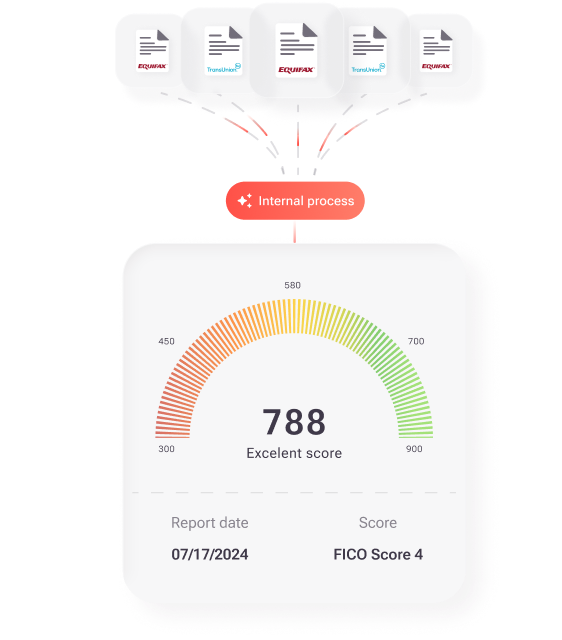
IDVerify+ integrates biometric identity verification directly into the screening workflow through government-issued ID validation, AI-powered liveness detection, and facial biometric comparison. This multi-layer fraud prevention system confirms applicants are real, present, and matched to their identification before approval decisions occur. The technology operates natively within TenantEvaluation without external portals, which preserves workflow continuity while providing enterprise-grade security designed for community association risk environments.
What are the best practices for optimizing tenant screening across large portfolios?
Optimization requires implementing the seven-step automation framework: custom rules setup, 100% digital intake, biometric verification, automated PII redaction, standardized 55+ verification, board dashboard approvals, and comprehensive analytics. Success depends on standardizing workflows across all properties while maintaining community-specific screening criteria, which removes manual variations that create inefficiencies and compliance risks. TenantEvaluation’s enterprise platform delivers these capabilities with proven results, including 70% time savings and $240,000+ annual cost reductions for large management companies.
