Written by: Luis Teran, Co-founder, CEO, TenantEvaluation | Last updated: June 30, 2026
Key Takeaways for Florida Enterprise HOA Teams
- Enterprise HOA management software for large Florida communities connects multi-entity accounting, compliance, and resident onboarding for portfolios of 500–20,000+ units.
- Florida’s Chapters 718 and 720 create strict record-retention, reserve-study, and meeting-notice rules that generic platforms often miss by default.
- Large operators commonly pair full-suite platforms like Vantaca, Yardi, and RealPage with specialized compliance layers for screening, biometric verification, and lease tracking.
- Core operational challenges include fragmented lease records, manual board approvals, inconsistent 55+ verification, and complex multi-entity accounting.
- TenantEvaluation layers onto existing platforms to deliver FCRA-first screening, biometric ID verification, board-ready workflows, and centralized lease tracking. See how Lease Tracking fits into your current stack.
Core Platforms and Compliance Layers in Florida HOA Stacks
The 2026 enterprise HOA software landscape centers on three full-suite platforms: Vantaca, Yardi Voyager, and RealPage. Each platform supports accounting, work-order management, owner portals, and portfolio-level reporting. Alongside these systems, a growing group of VP-level operators at large Florida management companies now uses modular compliance layers, which plug into full-suite platforms to handle resident screening, identity verification, board approval workflows, and lease lifecycle tracking while the core accounting system stays in place.
This shift toward modular stacks is driven by gaps that full-suite platforms cannot fully cover. Identity fraud is an accelerating pressure point. Synthetic identities and impersonation attempts now enter communities through traditional document-based screening, which creates liability exposure that full-suite platforms are not built to prevent. At the same time, Florida’s post-2022 legislative changes around condominium reserves and structural integrity have raised expectations for audit-ready record-keeping across all association types. These combined pressures push enterprise operators toward integrated yet modular stacks instead of single-vendor solutions.
Explore how TenantEvaluation’s compliance layer works alongside Vantaca, Yardi, or RealPage.
How Florida Statutes Shape Operations for Large Master Associations
Florida’s statutory framework creates day-to-day requirements that generic enterprise platforms often leave uncovered. Under Florida Statute §718.111, condominium associations must retain official records for at least seven years and make them available to unit owners within ten business days of a written request. Florida Statute §720.303 creates similar obligations for HOAs. For master associations that manage thousands of units across multiple sub-associations, these rules translate into a need for searchable, audit-ready digital records at every level of the entity structure.
The five-year reserve study discussion, reinforced by Florida Statute §718.112(2)(g) after the Surfside condominium collapse, requires condominium associations to maintain structural integrity reserve studies and fund reserves accordingly. For enterprise management companies, this requirement creates a reporting and documentation workload that must remain traceable across entities and auditable at any time.
Age-restricted communities operating under the Housing for Older Persons Act (HOPA) must maintain qualifying occupancy records and complete surveys at least every two years. Florida’s high concentration of 55+ communities makes this a significant operational concern for any enterprise management company with a statewide portfolio. Inconsistent documentation across communities creates audit exposure that manual processes and email chains cannot reliably prevent.
Operational Failure Points in 1,000+ Unit Florida HOAs
Four failure points appear repeatedly across large Florida master associations and enterprise management portfolios.
Fragmented lease records. Lease copies stored across email inboxes, shared drives, and spreadsheets create occupancy blind spots. When a unit’s lease status is unknown, boards cannot confirm authorized occupancy, and CAMs struggle to produce records quickly during audits or disputes.
Manual board approval bottlenecks. In communities where board members review applications through email chains, approval cycles often stretch from days to weeks. During peak season in South Florida markets, these delays slow association revenue and postpone realtor commissions.
Inconsistent 55+ verification. Age-restricted communities that rely on manual document collection and email follow-ups produce inconsistent records across applicants. This inconsistency becomes a liability during HOPA audits or fair housing complaints.
Multi-entity accounting complexity. Master associations with sub-associations, developer-controlled phases, and mixed-use components require clear entity-level financial separation. Generic platforms handle this requirement unevenly. Regional directors who oversee multiple Florida portfolios frequently report reconciliation delays and inter-entity reporting gaps.
Best Practices for Florida HOA Onboarding and Compliance
Workflow standardization is the foundational best practice for enterprise portfolios. Every applicant type, including tenants, purchasers, and adult occupants, should follow a defined, documented process that produces the same record structure regardless of which CAM or community handles the application. Standardization reduces training time, removes process variation, and produces audit-ready records by default.
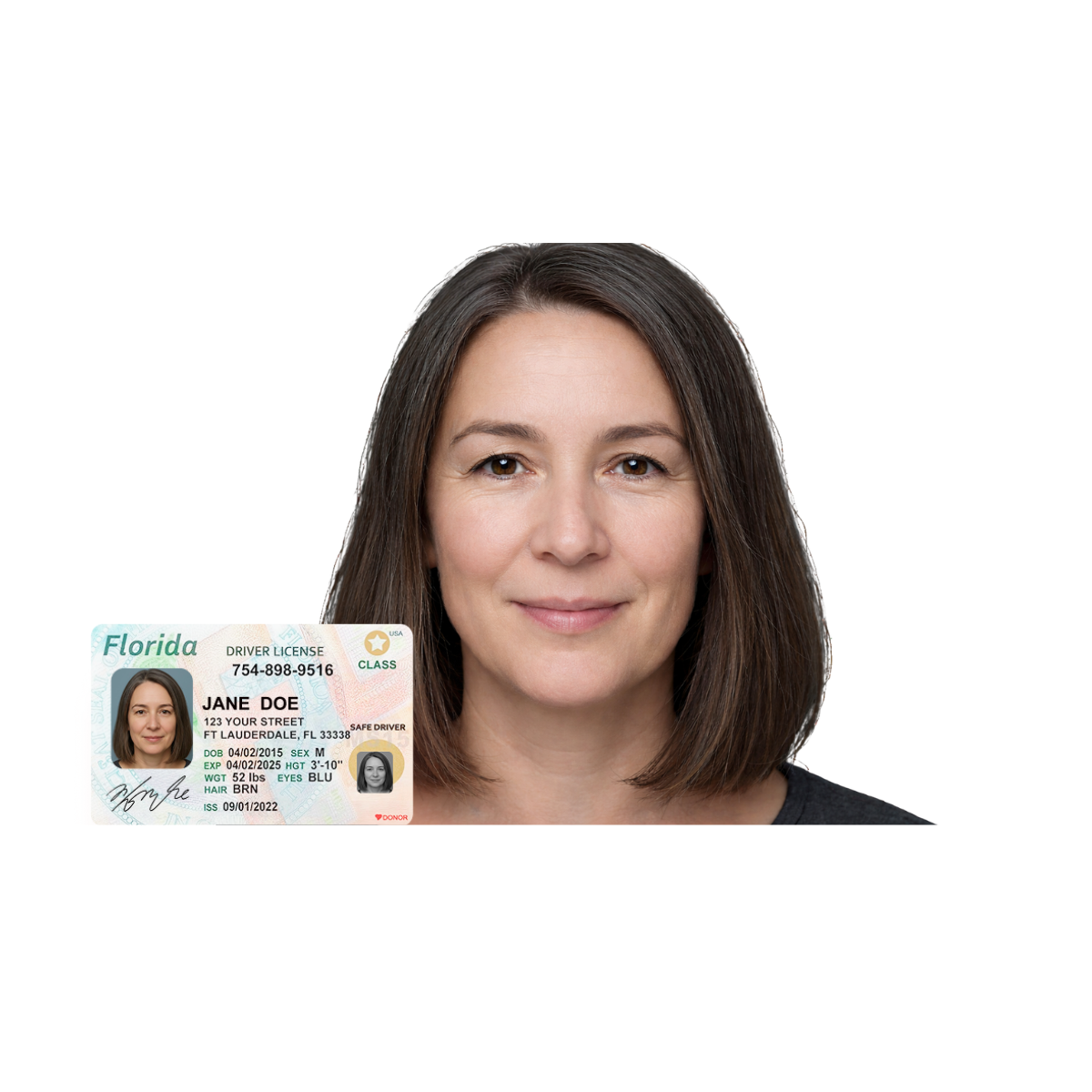
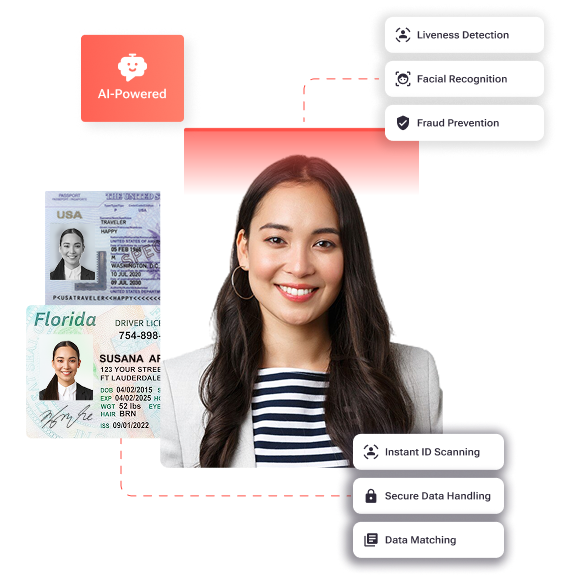
Standardized workflows only remain defensible when they confirm the identity behind each application. Biometric identity confirmation is becoming a baseline expectation for enterprise operators because document-based screening cannot reliably stop synthetic identities or impersonation attempts. IDVerify introduces automated KYC verification directly inside the TenantEvaluation screening workflow. It combines government ID validation, AI-powered liveness detection, and biometric selfie-to-ID comparison, which moves communities from document review to verified physical identity confirmation before any approval decision.
Once identity is verified, teams need clear visibility into who is actually occupying each unit. Centralized lease visibility provides that control. Lease Tracking connects resident onboarding, unit data, approvals, and lease documentation into one real-time workflow. It replaces spreadsheets and scattered email threads with centralized lease records, live lease status views, and digital files that remain audit-ready from application through occupancy.
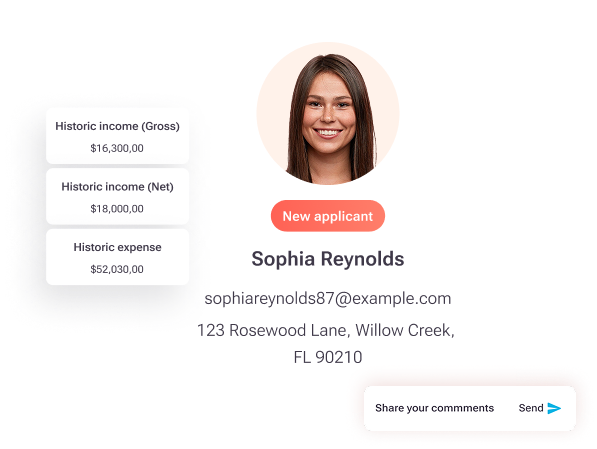
With identity and lease data standardized, boards can review applications without slowing move-ins. Transparent board approval structures reduce bottlenecks while preserving oversight. QuickApprove accelerates resident approvals inside one connected platform. Boards receive a dedicated review and voting dashboard with real-time application tracking, automated communication support, and customized approval letters, while management keeps control, compliance, and visibility.
How to Evaluate Enterprise HOA Platforms for Florida Scale
A defensible shortlist for a 1,000–20,000+ unit Florida portfolio should use five evaluation dimensions.
Florida statute alignment. Confirm whether the platform supports record-retention timelines under Chapters 718 and 720. Check whether it produces audit-ready documentation for reserve study compliance and 55+ occupancy surveys.
Scalability to 20,000+ units. Confirm that the platform can handle multi-entity accounting, sub-association hierarchies, and developer-phase transitions without custom development.
Board dashboard transparency. Review whether the platform gives board members direct, real-time access to application status and voting workflows, instead of routing approvals through email.
Audit trail integrity. Verify that all actions, including application submissions, document uploads, board votes, and adverse action notices, are timestamped and retrievable on demand.
Integration flexibility. Confirm that the platform can accept a specialized compliance layer for resident screening, biometric verification, and lease tracking while the core accounting system remains in place.
TenantEvaluation is designed to function as that specialized compliance layer alongside Vantaca, Yardi, or RealPage, not as a replacement. For portfolios where the full-suite platform handles accounting and work orders, TenantEvaluation addresses the compliance gaps identified earlier in this guide and aligns the stack with Florida-specific onboarding and documentation requirements.
Enterprise HOA Management Software Comparison for Florida Portfolios
| Capability | Vantaca / Yardi / RealPage | TenantEvaluation | Stack Combined |
|---|---|---|---|
| Multi-entity accounting | Core strength | Not applicable | Full-suite handles accounting |
| Florida statute record retention | Partial, varies by platform | Audit-ready digital records built in | Strengthened by TenantEvaluation layer |
| FCRA-first resident screening | Limited or third-party | Direct bureau reseller, FCRA-first design | TenantEvaluation owns this layer |
| Biometric identity verification | Not native | IDVerify native in workflow | TenantEvaluation owns this layer |
| Board voting dashboard | Varies, often email-dependent | QuickApprove board-ready panel | TenantEvaluation owns this layer |
| 55+ community verification | Not standardized | 55+ Communities Verification built in | TenantEvaluation owns this layer |
| Centralized lease tracking | Basic document storage | Real-time lifecycle control via Lease Tracking | TenantEvaluation owns this layer |
Note: Platform capabilities for Vantaca, Yardi, and RealPage are characterized based on publicly available product documentation and general market positioning. Buyers should confirm current feature sets directly with each vendor.
Frequently Asked Questions
What is the 5-year rule for HOA in Florida?
Florida law requires condominium associations to conduct a structural integrity reserve study at least every ten years, with a milestone inspection required at 25 years for buildings three stories or higher, and every ten years after that. The commonly referenced “5-year” framing relates to the phased implementation timeline created after the 2022 legislative reforms following the Surfside collapse. Those reforms required associations to meet new reserve funding and study requirements by specific deadlines. For HOAs governed under Chapter 720, reserve study requirements differ and remain less prescriptive than those under Chapter 718 for condominiums. Enterprise management companies should consult legal counsel for the specific obligations that apply to each association in their portfolio, because requirements vary by building age, height, and association type.
How much does Vantaca cost?
Vantaca does not publish standard pricing publicly. Pricing usually follows a per-unit or per-door monthly fee that is negotiated based on portfolio size, feature set, and implementation scope. Enterprise deployments for portfolios above 5,000 units often involve custom contracts that include implementation fees, training, and ongoing support costs. Buyers evaluating Vantaca should request a detailed quote that covers all required modules, including any third-party integrations for resident screening, compliance, or lease tracking, because Vantaca does not provide these capabilities natively at the depth required by large Florida master associations.
What are Vantaca alternatives?
The primary full-suite alternatives to Vantaca for large Florida community associations are Yardi Voyager and RealPage. Yardi Voyager is widely used by enterprise management companies with complex multi-entity accounting needs. RealPage offers a broad platform with owner and resident portals. For operators whose main gap involves resident onboarding, compliance, and lease visibility rather than accounting, TenantEvaluation functions as a specialized layer that integrates alongside any of these platforms. TenantEvaluation serves more than 5,000 communities and processes about 100,000 applications each year, with FCRA-first design, direct credit bureau reseller relationships with TransUnion and Equifax, and Florida-focused capabilities that support biometric identity verification, board-ready approval workflows, 55+ community standardization, and centralized lease tracking.
What is the best association management software for large Florida communities?
No single platform covers every requirement of a large Florida master association. The most defensible 2026 stack combines a full-suite platform, such as Vantaca, Yardi, or RealPage, for accounting, work orders, and owner portals, with a Florida-focused compliance layer for resident onboarding, screening, identity verification, board approvals, and lease lifecycle management. TenantEvaluation is built specifically for this compliance role. It is not a generic rental screening tool. It is designed for community associations and management companies, with FCRA compliance as the foundation. For VP-level operators who are planning their 2026 technology stack, the key decision involves which combination of systems delivers the most defensible, audit-ready, and operationally efficient result.
How long does enterprise HOA software implementation take for 5,000+ unit portfolios?
Full-suite HOA and AMS platform implementations for portfolios above 5,000 units typically range from two to four months. Timelines depend on data migration complexity, entity structure, and customization requirements. Specialized compliance layers like TenantEvaluation can be deployed alongside an existing platform in a shorter timeframe, because they do not replace the core accounting system. TenantEvaluation’s implementation process involves configuring each community’s governing documents, screening criteria, and workflow rules inside the platform. This configuration scales across large portfolios without requiring a full system replacement. Management companies that add TenantEvaluation to an existing Vantaca, Yardi, or RealPage environment usually begin processing applications within weeks of configuration completion.
Conclusion: Building a Defensible 2026 Florida HOA Tech Stack
Large Florida master associations and enterprise management companies need two distinct technology layers in 2026. One layer is a full-suite platform for accounting and operations. The second layer is a Florida-focused compliance system for resident onboarding, screening, identity verification, board approvals, and lease lifecycle management. Evaluating these layers separately, using Florida statute alignment, scalability, board transparency, audit trail integrity, and integration flexibility, produces a more defensible shortlist than choosing a single vendor based only on feature breadth.
TenantEvaluation is built specifically for the compliance and onboarding layer. With more than 5,000 communities served, about 100,000 applications processed annually, FCRA-first design, and direct credit bureau reseller relationships with TransUnion and Equifax, TenantEvaluation provides the Florida-specific compliance layer that full-suite platforms lack. The capabilities detailed throughout this guide address identity fraud, board bottlenecks, 55+ verification inconsistency, and fragmented lease records for large Florida portfolios.
Connect with our team to configure your 2026 Florida compliance stack for your portfolio.
