
Key Takeaways
- Florida HOAs face increasing compliance complexity in 2026, including Corporate Transparency Act reporting, reserve mandates, and expanded record-keeping rules.
- Centralized digital platforms, automated compliance tools, and secure data handling reduce administrative work and help prevent missed deadlines or documentation gaps.
- Modern screening, analytics, and communication tools improve resident selection, support fair enforcement, and give boards clearer visibility into community risks.
- Board-focused dashboards and structured workflows create clearer audit trails, faster decisions, and more consistent covenant enforcement across the community.
- TenantEvaluation offers a Florida-focused compliance and screening platform; schedule a demo to see how it can support your HOA or condo association.
Why Technology is Key to Enhance HOA Compliance in Florida
The compliance environment for Florida HOAs has grown more demanding. The Corporate Transparency Act (CTA) now requires HOAs to disclose board members’ personal information to federal authorities starting January 1, 2025. Florida rules on reserves, inspections, and record retention add further obligations that stretch on-site staff and management companies.
The impact of non-compliance can include fines, legal disputes, and reputational harm. Issues such as missed audits, incomplete records, and poor documentation can escalate into serious governance problems. At the same time, data breaches and cyber incidents involving homeowner information create new risks for boards and management companies.
Manual, paper-based systems often increase these risks. Failure to enforce covenants and bylaws accounts for 17.3% of documented HOA complaints, and inconsistent processes are a frequent root cause.
Modern technology helps by standardizing workflows, automating reminders, improving documentation, and protecting sensitive data. These tools support consistent enforcement, more reliable records, and clearer accountability for all parties.
7 Technologies to Enhance HOA Compliance in Florida
1. Centralized Digital Application and Onboarding Platforms
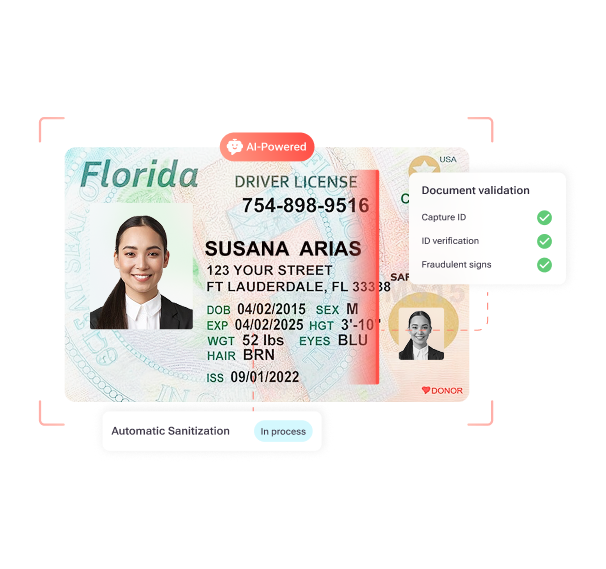
Centralized digital application systems bring every step of the process into one place, from initial submission through final approval. This approach reduces manual follow-up, improves data accuracy, and gives boards and managers clear visibility into each file.
Covenant enforcement failures often trace back to uneven procedures and missing documents. A unified platform applies the same requirements to every applicant, which supports fair treatment and consistent compliance.
Well-designed forms collect required information upfront based on Florida and community-specific standards. Rules can require items such as signed leases, government-issued IDs, and association-specific disclosures before an application moves forward, which reduces incomplete files and review delays.
2. Automated Florida-Specific Compliance and Document Management Systems
Automated compliance platforms track CC&Rs, bylaws, and state-level rules in a structured system. This helps Florida HOAs manage architectural approvals, violations, document retention, and regulatory deadlines with less manual oversight.
Uneven rule enforcement often leads to confusion and resident dissatisfaction, so systematic workflows are important. Many boards now view reduction of CC&R violations as a core objective for 2026, and automated tools support that goal.
Effective systems store governing documents, log every notice and response, and generate reports suitable for audits or legal review. Automated alerts for items such as Corporate Transparency Act filings or annual meeting notices help prevent missed dates and support documented due diligence.
3. Secure Data Handling and Redaction Technology
Strong data protection has become a central part of HOA compliance. Encryption, role-based access, and automated redaction tools limit exposure of sensitive information while still allowing boards and managers to complete required reviews.
The combination of new disclosure obligations under the Corporate Transparency Act and rising cyber risk makes secure handling of personal data essential. Manual storage or emailing of IDs, bank statements, and other documents creates unnecessary exposure.
Platforms with PCI Level 1 compliance and end-to-end encryption can accept uploads through secure portals. Automated redaction can hide elements such as ID numbers or account details so reviewers see only what they need for verification, which supports privacy and risk management.
4. Enhanced Resident Screening and Background Check Systems
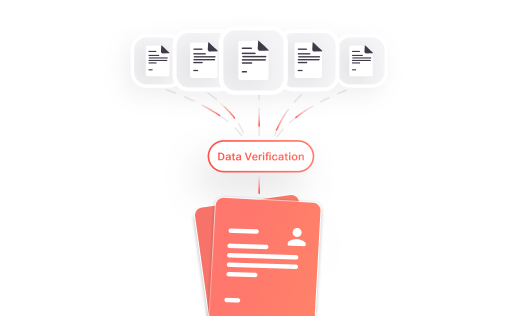
Comprehensive screening tools help boards evaluate applicants in a consistent and documented way. Standardized checks for identity, income, criminal history, and rental background support fair housing practices and protect community standards.
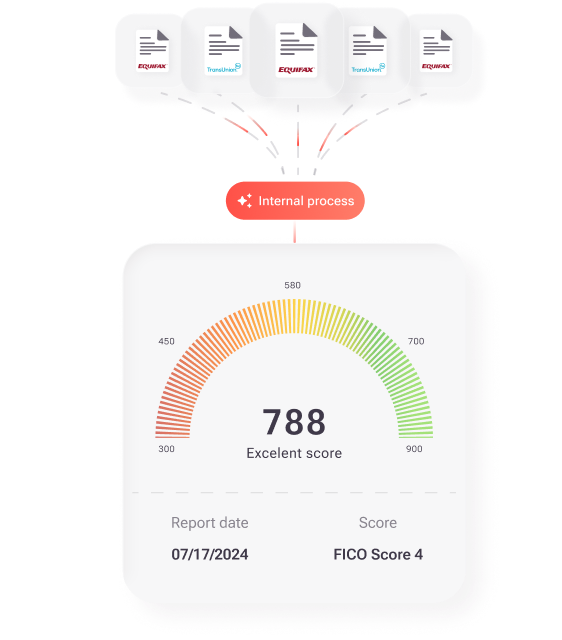
Automated screening can apply community-specific criteria, such as minimum credit scores or income-to-rent ratios, while keeping detailed records of what was reviewed. This supports transparent decision-making and reduces the chance of disputes.
Access to national databases, employer verification, and eviction histories gives boards a fuller picture of risk. These insights help protect shared property and support efforts to limit future CC&R violations and costly incidents.
5. Board Transparency and Decision-Making Dashboards
Board portals and dashboards give directors a clear view of pending applications, violations, and key compliance tasks. Centralizing this information supports faster, better-documented decisions.
Boards often struggle with slow processes and limited transparency into how and when decisions are made. Dashboards that show summaries, timelines, and status updates help address these concerns while building trust with residents.
Effective tools allow board members to log in securely, review summarized files, and vote electronically. Timestamped records create an audit trail that shows who reviewed what, when the vote occurred, and the final outcome.
Schedule a demo today to see how TenantEvaluation supports structured board reviews and documented approvals for Florida communities.
6. Community Analytics and Reporting Tools
Analytics platforms use existing community data to surface trends and patterns that affect compliance. Boards gain insight into common violation types, demographic shifts, amenity usage, and other indicators that inform policy updates.
Reports on topics such as pet ownership, parking usage, or noise complaints can guide clearer rules and targeted communication. When boards adapt policies based on data rather than isolated complaints, residents often view enforcement as more fair and predictable.
These tools also support long-term planning. For example, data showing steady growth in electric vehicle ownership can help justify investment in charging infrastructure and related rule updates.
7. AI-Powered 24/7 Multilingual Support and Communication Platforms
AI-driven chat and messaging tools provide round-the-clock support for applicants, residents, and realtors. This access is especially valuable in diverse Florida communities, where language barriers and varying schedules can slow communication.
Clear instructions and fast responses reduce common errors, such as missing forms or incomplete uploads, which often delay approvals. Real-time updates on application status help manage expectations and reduce calls or emails to management offices.
Multilingual support also makes compliance information more accessible. When residents can read guidance and ask questions in their preferred language, they are more likely to understand and follow community rules.
TenantEvaluation vs. Traditional: Enhancing HOA Compliance with Technology
TenantEvaluation focuses on compliance workflows tailored to Florida HOAs and condo associations, which differentiates it from many general-purpose property tools.
|
Feature |
TenantEvaluation |
Traditional/Generic Platforms |
|
Compliance Focus |
Configured for Florida HOA and condo regulations, including CTA reporting and reserve-related requirements |
Broad compliance features that often need manual adjustment for Florida rules |
|
Application Workflow |
Unified digital workflow with smart forms, document collection, and status tracking for applicants and boards |
Paper-based or fragmented tools that increase follow-up and the chance of lost information |
|
Data Security and Redaction |
PCI Level 1 security, encrypted document handling, and automatic redaction features such as IDverify and SafeCheck+ |
Basic security practices, with more manual steps for handling and redacting sensitive data |
|
Board Visibility and Control |
QuickApprove dashboard that supports direct board review, voting, and audit trails in one portal |
Limited or no dedicated board portal, with decisions often handled through email or spreadsheets |
Frequently Asked Questions to Enhance HOA Compliance with Technology
How do new regulations like the Corporate Transparency Act (CTA) impact HOA compliance, and can technology help?
The CTA, effective January 1, 2025, requires HOAs to submit personal information about board members, including IDs, addresses, and birthdates, to FinCEN. Non-compliance can lead to significant penalties. Centralized platforms with secure data handling, automated deadline tracking, and clear record-keeping help HOAs manage these expanded obligations while limiting exposure of sensitive information.
What are the main benefits of digitizing the entire resident application and onboarding process for an HOA in Florida?
Digitized applications cut manual follow-up, provide more consistent data collection, and reduce errors. Automated redaction and secure storage improve privacy protections, while audit trails document each step of the review. Faster, clearer workflows also reduce frustration for residents and realtors and support more reliable compliance with association rules.
How can technology improve communication and transparency between the HOA board, management, and residents regarding compliance?
Modern platforms provide board dashboards, automated status notifications, and messaging tools within the same system. Residents see timely updates on applications and violations, and boards gain documented histories of notices, responses, and decisions. AI chat tools can handle routine questions, which reduces miscommunication and improves access to accurate information.
What specific Florida regulations should HOAs prioritize when implementing compliance technology?
Florida HOAs should configure technology to support CTA reporting, state reserve and inspection mandates, fair housing requirements, and data privacy standards for personal information. Platforms that can apply Florida-specific timelines, retain records for mandated periods, and support multilingual access will better serve diverse communities in 2026.
How does automated compliance technology reduce liability risks for HOA boards and management companies?
Automated systems create consistent processes, timestamped records, and secure document archives. These features limit human error, demonstrate due diligence, and support defense in the event of disputes or claims. Strong security and redaction practices also reduce the chance of data breaches, which can carry significant financial and reputational costs.
Conclusion: Using Technology to Strengthen HOA Compliance in Florida
Florida HOAs that rely on structured digital tools are better positioned to meet evolving requirements in 2026. Centralized applications, automated compliance workflows, secure data handling, robust screening, analytics, and AI-driven communication each play a role in reducing risk and administrative strain.
Boards that invest in the right technology gain clearer oversight, more consistent enforcement, and stronger documentation, which supports both regulatory compliance and resident confidence. Schedule a demo today to see how TenantEvaluation can support your Florida HOA or condo association with a focused, compliance-ready platform.