Written by: Luis Teran, Co-founder, CEO, TenantEvaluation
Key Takeaways for Florida 55+ Community Screening
- Common disqualifiers in Florida 55+ communities include felonies, sex offenses, recent drug crimes, evictions, and poor credit scores, usually with 5-10 year lookback periods.
- Florida HOAs customize screening through CC&Rs, with a strong focus on financial stability, income-to-debt ratios, and identity verification in addition to criminal history.
- Applicants with non-violent or older convictions can often qualify by providing rehabilitation documentation, character references, and proof of stability that align with HUD guidelines.
- Applicants can reduce the impact of red flags through debt repayment plans, landlord references, thorough income documentation, and verified identity platforms.
- Community Association Managers can streamline 55+ screening using TenantEvaluation’s specialized platform for efficient, FCRA-compliant processing.
Top Disqualifiers on a 55+ Community Background Check
The most common disqualifiers that cause background check failures in 55+ communities fall into criminal, financial, and identity-related categories.
- Felonies and violent crimes – Typically reviewed within a 7-10 year lookback period
- Sex offender registry listings – Permanent disqualifier in most communities
- Recent drug-related offenses – Usually within 5-7 years
- Evictions and civil judgments – Especially unpaid HOA fees or rental disputes
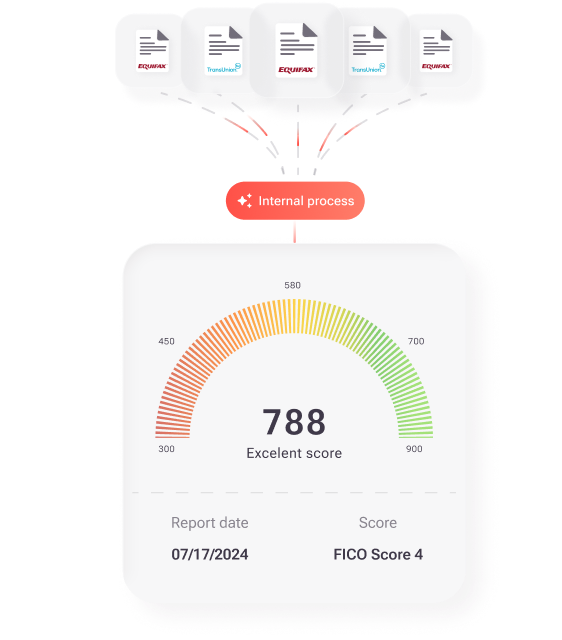
- Poor credit scores – Often below 600, with emphasis on unpaid HOA assessments
- Income-to-debt ratio mismatches – Income that does not reliably cover HOA fees and living expenses
- False information on applications – Misrepresented income, employment, or criminal history
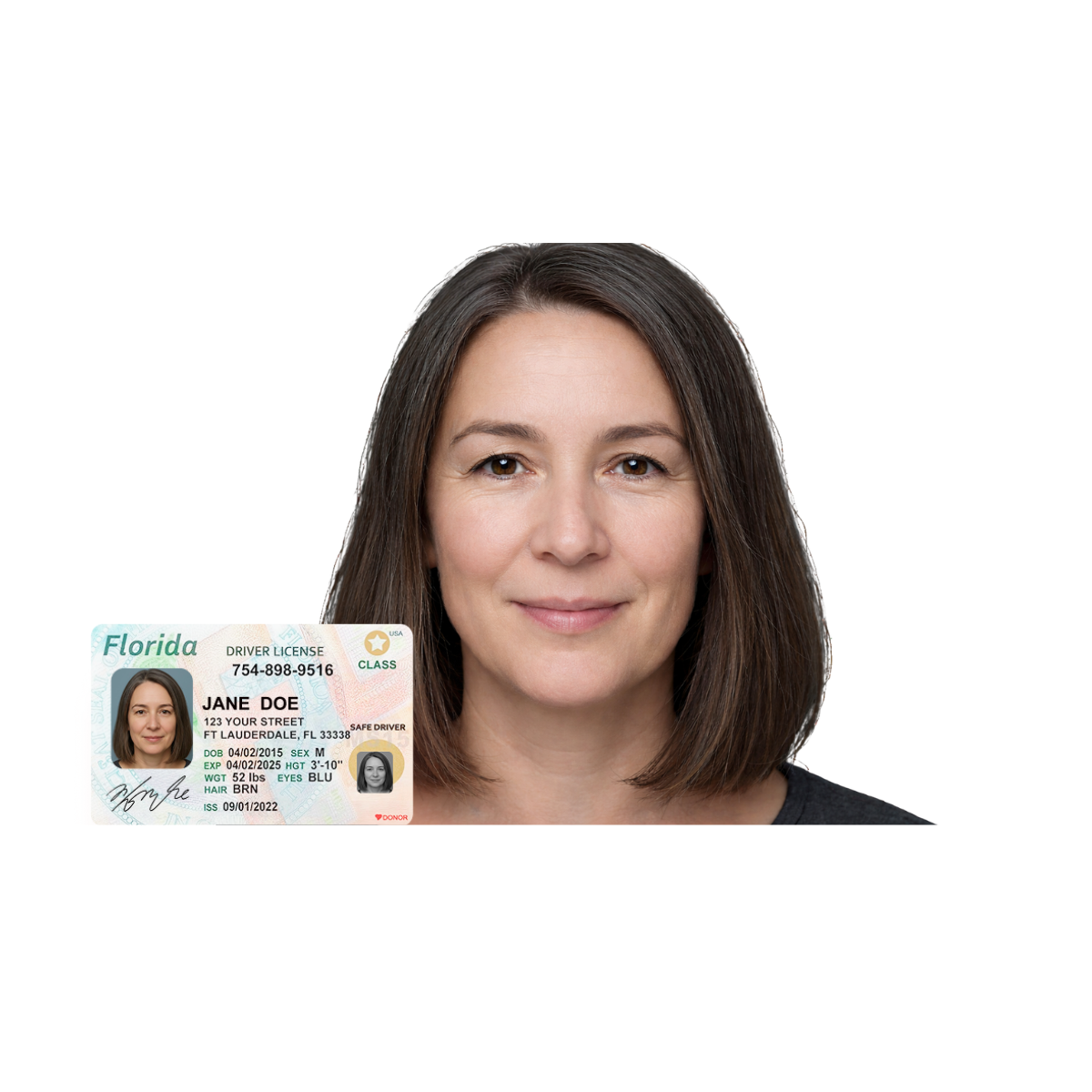
- Identity verification failures – Document fraud or biometric verification issues
- Family members failing age requirements – Non-qualifying dependents in age-restricted communities
- Incomplete documentation – Missing required financial statements or references
HUD and HOPA set baseline requirements, but Florida CC&Rs often add stricter financial rules, especially in high-rise condominiums and luxury communities. Federal oversight of background check compliance has increased scrutiny on standardized screening processes. The table below summarizes frequent disqualifiers, their usual lookback periods, and practical mitigation options.
| Disqualifier | Typical Time Limit | Mitigation Options |
|---|---|---|
| Violent felonies | 7-10 years | Rehabilitation documentation, character references |
| Drug offenses | 5-7 years | Treatment completion, employment stability |
| Evictions | 5-7 years | Payment settlements, landlord references |
| Credit issues | Current status | Debt consolidation, payment plans |
Florida HOA Screening Rules for 55+ Communities
Florida condominiums and HOAs set their own screening criteria through CC&Rs, within fair housing guidelines. High-rise communities often apply stricter financial requirements than single-family developments, especially for reserves and ongoing fees.
Each association defines income thresholds, credit score minimums, and criminal history lookback periods. Boards then apply these standards consistently to maintain compliance and protect the community’s financial health.
Felony Convictions and Eligibility for 55+ Senior Housing
Many applicants with criminal histories still qualify for 55+ housing, especially when convictions are non-violent or occurred many years ago. Fair housing protections limit blanket criminal history bans and require more nuanced review.
HUD urges an individualized assessment of each prospective tenant with a conviction history when making rental decisions. Boards often weigh the nature of the offense, time elapsed, rehabilitation efforts, and current stability.
What Gets Flagged on 55+ Background Checks?
Modern 55+ screening now flags identity issues as frequently as criminal or credit concerns. Identity verification failures have risen sharply in 2026 as biometric screening becomes standard practice across many Florida communities.
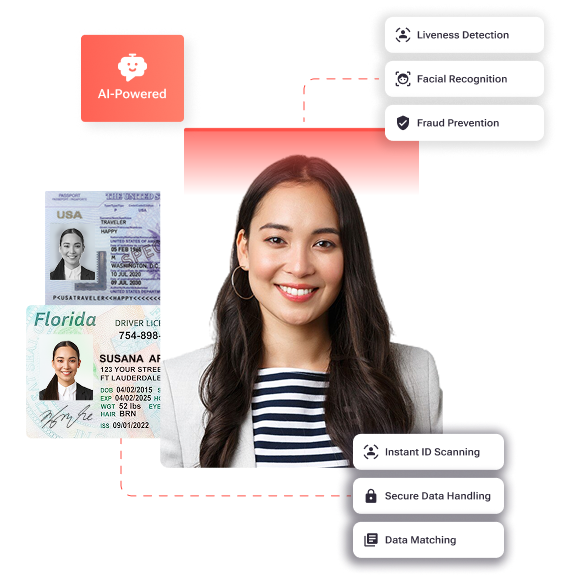
TenantEvaluation’s 55+ Communities Verification reduces manual work, standardizes application handling, and supports documentation consistency for Florida condos and HOAs. The system is built for Community Association Managers who need reliable workflows, faster decisions, and clear audit trails.
Designed specifically for age-restricted properties, this approach improves operational efficiency and strengthens internal processes. Learn more about 55+ Verification capabilities and how they support compliant, consistent decisions.
How to Fix Red Flags and Pass Your 55+ Background Check
Applicants can often overcome red flags by matching the right documentation to the specific concern raised in the report. Targeted evidence shows boards that past issues are resolved and unlikely to repeat.
For criminal history issues, provide rehabilitation documentation, character reference letters, and evidence of community service. These materials help demonstrate changed behavior and long-term stability.
Credit problems respond best to proof of financial recovery. Submit debt settlement agreements, active payment plans, or financial counseling certificates that show you are addressing past obligations and managing money responsibly.
Eviction records can be balanced with landlord reference letters from later rentals and proof of resolved disputes. This documentation helps boards view the eviction as an isolated event rather than an ongoing pattern.
Income verification concerns require clear, comprehensive financial records. Provide retirement account statements, investment income summaries, pension details, and any other reliable income sources that confirm you can sustain HOA fees and daily living costs.
Identity concerns often arise from inconsistent or incomplete documents. Using verified platforms like IDVerify helps confirm identity upfront and prevents fraud flags before they disrupt the application.
Florida’s 2026 HB 1389 amendments to fair housing laws strengthen protections against discriminatory screening practices. These changes reinforce individualized assessments instead of blanket exclusions and support fairer outcomes for applicants with past issues.
How Modern Screening Works in 55+ Communities
Most 55+ communities now rely on a standardized digital workflow that verifies identity first, then completes background checks and board review. Each step builds on the last to reduce fraud, save time, and keep records organized.
Applicants begin by submitting information through secure online application portals. This step creates a digital record that feeds every later stage of the process and keeps data in one place.
Next, identity verification through IDVerify confirms physical presence and document authenticity before deeper checks begin. Catching fake or altered identities early prevents wasted screening costs and protects communities from fraud.
Once identity is confirmed, SafeCheck+ runs comprehensive criminal, credit, and reference checks tied to the verified applicant. Boards then receive a complete, accurate picture instead of piecing together separate reports.
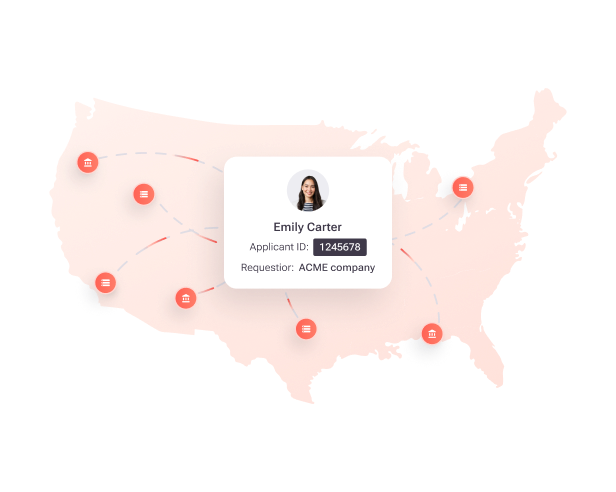
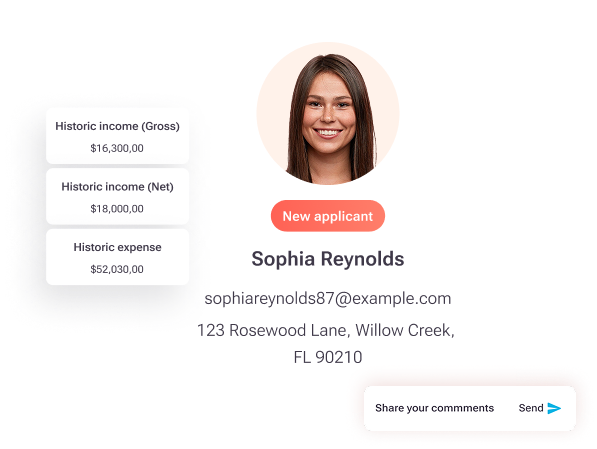
Community boards review these results through QuickApprove dashboards that present all application details in a single view. This structure eliminates the need to track email threads or shuffle paper files.
Final approval then moves through automated notification and documentation systems. Applicants receive timely decisions, and boards maintain consistent, FCRA-compliant records without heavy manual follow-up.
TenantEvaluation’s FCRA-compliant platform processes more than 100,000 applications annually for over 5,000 Florida communities and has generated $150M for communities while freeing up to 50 hours a day in administrative tasks. As a direct TransUnion and Equifax reseller, TenantEvaluation supports data accuracy and regulatory compliance at scale.
Why TenantEvaluation Stands Out for 55+ Screening
TenantEvaluation delivers a comprehensive screening and workflow solution built specifically for Community Association Managers and boards. The platform supports every stage of the process, from application intake to final decision, in one connected system.
Unlike competitors such as ApplyCheck or Verify Screening Solutions that focus only on background checks, TenantEvaluation provides end-to-end workflow management with specialized 55+ verification capabilities. The comparison below highlights the key operational differences that affect processing speed, consistency, and compliance.
| Feature | TenantEvaluation | ApplyCheck | Generic Platforms |
|---|---|---|---|
| Processing Time | 70% faster approval | Manual review required | 5-10 day delays |
| 55+ Verification | Built-in standardization | Not available | Manual processes |
| Board Dashboard | QuickApprove system | Limited access | Email-based reviews |
| FCRA Compliance | Foundation-level design | Basic compliance | Afterthought approach |
With a 4.8/5 Google rating and partnerships with leading management companies like RealManage, TenantEvaluation has established a strong track record in Florida 55+ screening. See the platform in action with a personalized demo and review how it fits your community’s workflow.
Frequently Asked Questions
What crimes typically disqualify applicants from 55+ HOAs in Florida?
Violent felonies, sex offenses, and recent drug-related crimes are the most common disqualifiers in Florida 55+ communities. Most communities use a 7-10 year lookback period for serious offenses, as noted earlier, though non-violent crimes may be evaluated individually based on rehabilitation evidence and time elapsed.
What is the typical background check lookback period for Florida 55+ communities?
Most Florida 55+ communities review criminal history within a 7-10 year window, although each association sets its own rules. Financial history, including credit reports and evictions, is usually examined for the past 5-7 years.
Some luxury communities extend these periods or apply stricter criteria through their CC&Rs. Applicants should review community documents or speak with management to understand specific standards.
Does bankruptcy automatically disqualify applicants from 55+ communities?
Bankruptcy by itself rarely leads to automatic denial. Boards focus more on current financial stability and the applicant’s ability to pay HOA fees consistently.
Recent bankruptcies may trigger requests for additional income documentation or proof of improved money management. Older bankruptcies, especially those more than seven years old, usually carry less weight in final decisions.
How does TenantEvaluation handle 55+ community applications differently?
TenantEvaluation’s 55+ Communities Verification standardizes age-restricted application handling across Florida properties and supports consistent decisions. The system reduces manual work, improves documentation consistency, and strengthens internal processes for Community Association Managers.
Beyond the operational efficiencies described earlier, this specialized approach supports compliance with HOPA requirements and streamlines board review. Boards gain clear, organized files and faster access to the information they need.
Can someone with a felony conviction live in a 55+ community?
Many applicants with felony convictions can qualify for 55+ housing, particularly when offenses are non-violent or occurred many years ago. HUD urges an individualized assessment of each prospective tenant with a conviction history when making rental decisions.
Following this guidance, successful applicants usually provide rehabilitation documentation, character references, and evidence of stable employment or retirement income. These materials help boards see the full context behind the conviction.
Clear knowledge of disqualifiers and mitigation strategies helps prospective residents move through the 55+ community application process with more confidence. TenantEvaluation’s comprehensive platform supports consistent, fair, and efficient screening for both applicants and Community Association Managers.
Start streamlining your screening process today and experience the difference in your Florida 55+ community’s daily operations.
