
Last updated: January 27, 2026
Key Takeaways
- Florida HOAs handle heavy application volumes and face compliance risk from manual processing, which can cost up to $240,000 per year in lost productivity.
- Automated HOA application processing can cut approval times by up to 70% and support FCRA and PCI compliance through specialized platforms.
- Core steps include auditing manual gaps, choosing Florida-focused platforms, setting custom rules, automating documents, and using board dashboards.
- Advanced tools such as analytics and revenue-sharing models can turn application processing into a profit center, generating more than $150 million for communities.
- Communities that implement these steps with Tenant Evaluation gain full compliance support and faster workflows, so boards can get started quickly.
7 Steps to Streamline HOA Screening Compliance Documentation Solutions
Digital application processing replaces slow, paper-heavy workflows with automated systems that cut processing times from 5–10 days to just hours. This shift removes administrative bottlenecks, supports consistent compliance with Florida regulations, and gives board members clear, trackable approval workflows. The seven steps below outline a practical path to digital application processing that fits the specific needs of Florida homeowner associations.
1. Audit Manual HOA Application Bottlenecks
Start with a clear audit of your current application workflow to uncover delays and compliance risks. Manual processes usually require constant follow-ups with applicants, realtors, and property owners because of missing documents and miscommunication. Staff often spend more than 50 hours each day on administrative work tied to application processing.
Review your current processing timeline, which often stretches 5–10 days even for complete applications. Look for security gaps in how you handle sensitive data such as Social Security numbers, bank details, and identification documents. Check for FCRA compliance gaps, especially around permissible purpose records and adverse action procedures.
Document how many staff hours go to processing applications, chasing documents, and verifying information. This baseline gives you a clear way to measure time savings and compliance improvements after automation.
2. Choose a Florida-Focused Digital Screening Platform
Select a platform built for Florida homeowner associations instead of generic property management software. TenantEvaluation stands out as a focused option with an all-in-one system that includes QuickApprove board dashboards, SafeCheck+ background screening, and IDverify document checks aligned with Florida rules.
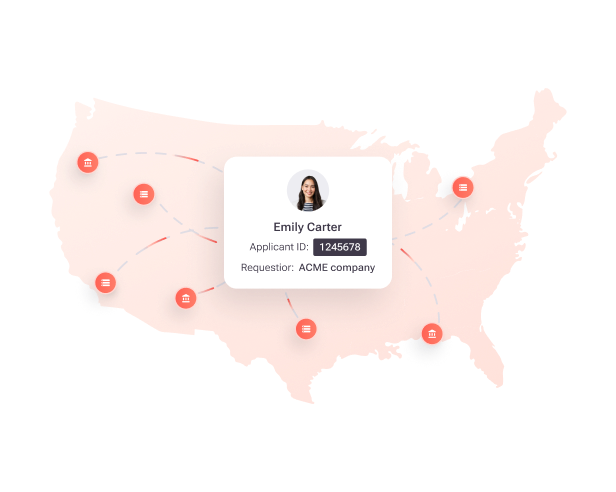
Unlike competitors such as AppFolio or RealPage that rely on monthly subscriptions, TenantEvaluation uses a pay-per-application model with revenue sharing that has generated $150 million for communities. Partnerships with major management firms like RealManage and Associa show its enterprise scale and industry trust.
TenantEvaluation offers Florida-specific settings that support local bylaws, architectural control committee rules, and state regulatory requirements. Direct credit bureau reseller relationships help keep FCRA compliance built into the system from the start instead of added later.
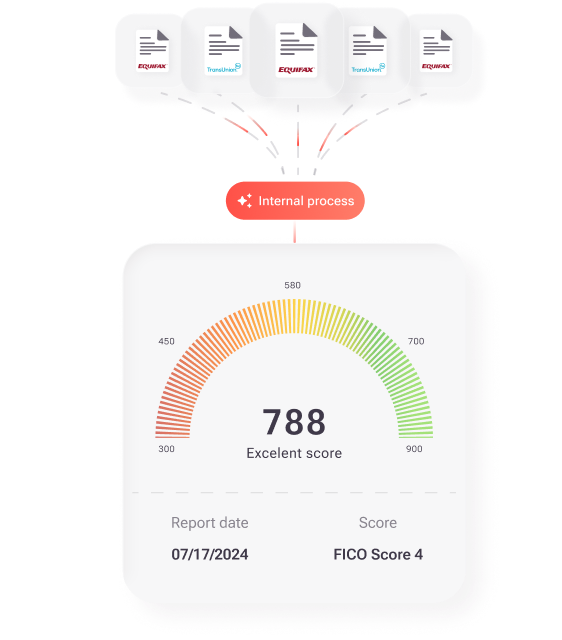
Schedule a demo today to see how TenantEvaluation simplifies your HOA onboarding process.
3. Configure Rules for Bylaws and Architectural Control
Configure your digital platform so it automatically applies your governing documents, screening standards, and architectural control committee rules. Upload bylaws, covenants, and restrictions so the system can apply them during screening without manual review. This setup keeps every application aligned with your community standards.
Create conditional rules for different applicant types, such as tenants, purchasers, and additional residents like adult children. Set credit score minimums, income verification rules, and document requirements that match your community policies. The platform should adjust application forms based on applicant answers and specific community criteria.
Florida’s new website requirements under Florida Statute 720.303 highlight the need for digital access to governing documents. Automated rule enforcement supports both compliance and transparency for residents and applicants.
4. Automate Document Requests and Smart Verification
Set upan intelligent document collection that requests only the documents needed for each applicant type and community rule set. Include smart verification tools such as IDverify that confirm government-issued IDs and check for signed leases, valid identification, and required supporting files.

Turn on automatic redaction of sensitive details such as Social Security numbers and bank information from uploaded documents. This feature supports PCI Level 1 compliance, lowers data breach risk, and still preserves the information required for screening. Configure the platform to reject incomplete submissions so staff do not waste time reviewing partial files.
Use real-time document verification that flags possible fraud or inconsistencies in uploaded materials. This automation reduces manual review time and supports accurate screening that aligns with FCRA data verification standards.
5. Use Board Dashboards for Clear, Fast Approvals
Adopt board dashboards that show real-time application status and allow quick, documented approvals. TenantEvaluation’s QuickApprove feature gives board members AI-generated summaries, voting panels, and full audit trails for each decision.

Customize the dashboard so it highlights the details board members need, such as screening outcomes, community fit notes, and compliance status. Enable electronic voting so board members can approve, deny, or request more information without long email threads or extra meetings.
This level of visibility supports informed decisions and shortens approval timelines. Specialized platforms with board-focused tools give homeowner associations the governance support that generic software often lacks.
6. Build FCRA and PCI Compliance with Strong Audit Trails
Put clear compliance procedures in place that cover both FCRA background screening rules and PCI DSS payment standards. FCRA regulations in 2026 continue to require explicit consent for background checks and proper adverse action steps when denials rely on screening results.
Use automated adverse action workflows that create required notices and records when applications are denied for credit, criminal, or other background reasons. Keep a clear separation between the association that makes decisions and the screening service that supplies data so your process stays FCRA compliant.
Maintain detailed audit trails that timestamp actions, record decisions, and store documents for future review. These records help defend against discrimination claims and show that your association applies screening criteria consistently.
7. Turn Analytics and Fees into HOA Revenue
Use reporting and analytics to understand resident demographics, rental activity, and application trends. These insights guide decisions about amenities, policies, and services and support long-term planning and budgeting.
Adopt revenue models that shift application processing from a cost center to a source of income. Pay-per-application pricing removes upfront software costs, and revenue sharing can create ongoing income for your community. TenantEvaluation’s model has produced $150 million for participating communities using this approach.
Track key metrics such as reduced processing times, staff hour savings, and compliance performance. Measure the financial impact of automation, including lower administrative costs, faster approvals, and more reliable collection of application fees.
Schedule a demo today to see how analytics and revenue sharing can support your community’s growth.
FAQ: Digital Resident Onboarding for Florida HOAs
Florida HOA Digital Compliance Rules for 2026
Florida’s 2026 rules include mandatory website requirements for HOAs with 100 or more parcels under Florida Statute 720.303. These rules require digital access to governing documents, budgets, and meeting minutes. HB 657 creates the Community Association Court Program for faster dispute resolution and removes presuit mediation requirements. These laws do not require digital application processing, but they stress transparency and digital access that automated platforms help deliver. FCRA compliance still applies to any background screening, including consent procedures and adverse action steps.
Maintaining Board Control While Automating HOA Management
Automation supports board oversight by giving members better tools instead of removing control. Specialized dashboards provide real-time visibility into applications and structured approval workflows. Board members keep full decision-making authority and gain AI summaries, detailed screening data, and electronic voting options. Platforms built for homeowner associations respect governance needs more effectively than generic property management tools.
FCRA-Compliant Screening Tools for HOAs in 2026
Effective FCRA tools for HOAs are built for community associations and rely on direct credit bureau relationships instead of scraped data. Key features include automated adverse action workflows, clear controls for permissible purpose, built-in audit trails, and separation between data supply and decisions. Platforms should support criminal checks, credit verification, and employment history while following strict compliance rules at every step.
Financial Impact of Non-Compliance on Florida HOAs
Non-compliance can create costs from fines, legal defense, settlements, higher insurance premiums, and ongoing inefficiencies. Manual systems increase exposure to data breaches, discrimination claims, and FCRA violations that may trigger serious penalties. Administrative waste from manual processing can reach $240,000 per year in lost productivity, and additional legal or regulatory costs can easily exceed the price of automation.
Integrating Board Voting Software with HOA Systems
Modern board voting tools usually integrate with existing HOA management platforms through APIs and data sync features. Strong solutions work as standalone tools while still connecting to accounting, communication, and document management systems. This integration lets board decisions flow into broader operations without replacing every system or requiring heavy staff retraining.
Conclusion: Grow Your Association with Compliant Automation
These seven steps give Florida HOAs a clear roadmap to move from manual application processing to an efficient, compliant, and revenue-focused system. TenantEvaluation offers specialized features, a track record with more than 5,000 communities, and the capacity to process over 100,000 applications each year while supporting full FCRA compliance.
The mix of automated workflows, board-ready dashboards, and Florida-specific compliance tools prepares communities for 2026’s changing regulatory landscape. Schedule a demo today to see how TenantEvaluation can modernize your application process, generate revenue, and support consistent compliance.