
Key Takeaways
- Manual digital consent form processing increases delays, errors, and legal exposure for Florida HOAs and condominium associations.
- Florida laws, including 2025 updates to voting and electronic notice rules, set clear expectations for how associations collect, store, and audit digital consent records in 2026.
- Centralized digital platforms with audit trails, consent tracking, and automatic PII protection help HOAs meet Florida requirements while reducing administrative workload.
- Integrated workflows give boards faster access to applications, clearer approval processes, and better transparency for residents and applicants.
- Tenant Evaluation offers a Florida-focused digital consent processing solution that supports compliance and efficiency; schedule a demo today to see how it can support your community.
The Problem: The High Cost of Outdated Digital Consent Form Processing for Florida HOAs
Outdated digital consent form processing in Florida HOA tenant evaluations creates avoidable risk and cost. Paper forms, email attachments, and manual tracking slow approvals, frustrate applicants and realtors, and increase the chance of errors.
Florida’s legislative changes added more pressure. The 2025 voting law required owner consent for electronic ballots through signed forms or secure electronic acknowledgment, and that standard now shapes expectations for digital consent across other HOA operations, including tenant evaluation and communication.
Record management became more complex as well. Florida HOA owners can revoke electronic consent at any time and request mailed notices. Associations must track these changes and retain records as official documents under Fla. Stat. §720.303. Manual spreadsheets and paper files leave room for missed updates and compliance gaps.
Without a proper digital system, associations face slower approvals, heavier workloads for board members and managers, and exposure to claims that notices or consents were mishandled. These issues directly affect community finances and long-term operational stability.
The Solution: Tenant Evaluation For Compliant Digital Consent Processing
Tenant Evaluation provides a digital platform built to support Florida HOAs with tenant screening and digital consent. The system replaces scattered forms and emails with structured workflows that follow state rules and each community’s governing documents.
Key capabilities include:
- All-in-one digital processing that captures applications, consent forms, and signatures in a single system, removing the need for paper or unmanaged email attachments.
- Florida-specific configuration so each community’s rules, screening criteria, and document requirements are built into the workflow, including recordkeeping expectations under Fla. Stat. §720.303.
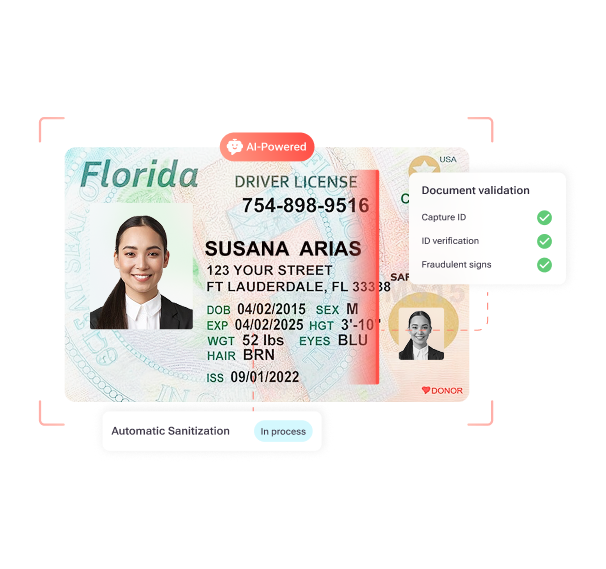
- Automatic PII redaction and secure storage that supports PCI Level 1 standards and encryption. These controls help protect data such as Social Security numbers, driver licenses, and financial details from improper disclosure.
- Intelligent form logic that presents only relevant questions and fields based on applicant type and community rules, which reduces incomplete applications and follow-up emails.
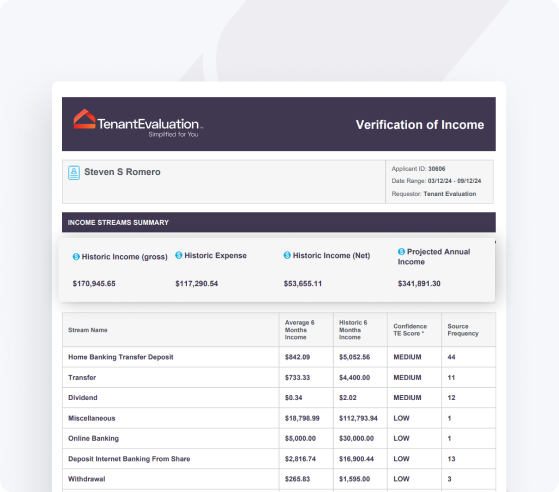
These tools replace fragmented manual steps with a clear, trackable process. Boards, managers, and applicants see the same information, which reduces confusion and helps decisions move forward more quickly.
Streamlining the Resident Journey With Advanced Digital Consent
Efficient tenant evaluation depends on more than basic online forms. Florida HOAs need tools that cover consent collection, compliance checks, data security, and board approvals from start to finish.
Problem: Tedious Manual Consent Collection And Tracking
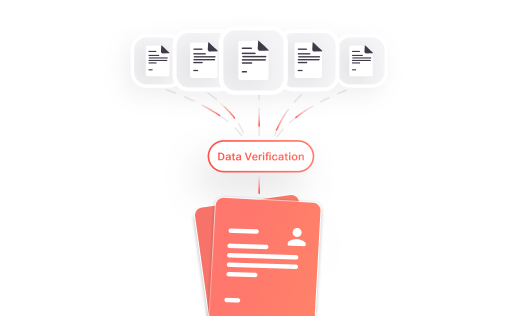
Paper packets and emailed PDFs create slow and inconsistent consent collection. Staff must chase signatures, scan or upload documents, and then store them in multiple locations.
Centralized digital consent tools allow applicants to review terms and sign electronically in one place. Each consent record can be stored as part of the association’s official records under Fla. Stat. §720.303, with clear timestamps and searchable history.
Problem: Navigating Florida Compliance And Legal Risk
Board volunteers and managers rarely have time to interpret every statute and change procedures manually. Updates such as the 2025 HB 913 changes introduced extra steps for electronic voting and authentication. Similar expectations now apply to other forms of digital consent.
Configured digital workflows help align practices with each association’s governing documents and state rules. Processes for digital notices and consents can track requirements under Chapters 718 and 720, including how and when owners must opt in and how records are retained.
Problem: Data Security Concerns With Sensitive PII
Tenant applications often include highly sensitive personal and financial information. Filing cabinets, shared email inboxes, and unsecured cloud folders raise the risk of an incident.
Florida law treats data such as Social Security numbers, driver licenses, and medical records as protected information. Systems that automatically redact this data from board-facing documents, apply encryption, and maintain audit logs reduce exposure for both residents and associations.
Problem: Slow Board Approvals And Limited Transparency
Board approvals often stall when applications are spread across email threads and shared drives. Members may not know which documents are final or who has already reviewed them.
Digital board dashboards bring application summaries, reports, and voting tools into one screen. Each action appears in an audit trail, so the association can show how and when decisions were made if questions arise later.
Explore how Tenant Evaluation can support faster, clearer approvals for your board.
Manual vs. Digital: How Florida HOAs Handle Consent Form Processing
Comparing manual workflows to integrated digital systems helps clarify why many Florida HOAs now treat modernization as a requirement, not a preference.
|
Feature/Aspect |
Manual Digital Consent Processing |
Integrated Digital Solutions |
|
Consent Collection |
Paper forms, email attachments, in-person signatures, higher risk of errors and lost documents |
Online forms, secure e-signatures, mobile uploads, centralized records with simple search |
|
Compliance And Audit Trail |
Hard-to-track records, inconsistent documentation, greater legal risk from weak consent and authentication procedures |
Automatic logs, structured retention that aligns with Fla. Stat. §720.303, clearer evidence of proper consent |
|
Data Security (PII) |
Higher exposure for SSNs, driver licenses, and credit card details, greater chance of violating Florida PII protection rules |
Automated PII redaction, encryption, PCI Level 1 controls, reduced risk of unauthorized access |
|
Administrative Burden |
Manual data entry, repeated follow-ups, slow document review, manual tracking of opt-ins and revocations that invites mistakes |
Automated reminders, smart forms, and consolidated records that can save many staff hours each week |
Digital systems provide clearer records, stronger protection of sensitive data, and more predictable timelines for approvals, which helps maintain smoother operations for both residents and management.
See how Tenant Evaluation compares to your current consent process.
Frequently Asked Questions (FAQ) about Digital Consent Form Processing
What Florida statutes govern digital consent and tenant evaluation for HOAs?
Florida HOAs work within several statutes that shape digital consent. Fla. Stat. §720.303 addresses official records and owner consent for electronic notices. Chapter 718 and §718.128, together with HB 913, cover electronic voting rules that influence how associations handle authentication and recordkeeping for digital actions. These requirements mirror many of the same expectations that apply to tenant evaluation and other consent-based processes.
How can HOAs ensure compliant storage and privacy of digital consent forms?
HOAs can support compliance by using systems that redact sensitive PII, encrypt data in transit and at rest, and restrict access based on user roles. These platforms should store complete, timestamped consent records while preventing public disclosure of protected information. Regular security updates and clear audit trails help demonstrate that the association took reasonable steps to protect owner and applicant data.
Can residents revoke their digital consent, and how do HOAs manage this efficiently?
Florida owners can revoke digital consent and request mailed notices at any time. HOAs manage this more efficiently when they track consent status in a centralized system rather than across multiple spreadsheets or filing systems. Automated updates, logs of each change, and clear indicators of a resident’s current preference help staff send notices correctly without extensive manual checking.
What are the benefits of switching from paper to digital consent forms for tenant evaluation?
HOAs that move to digital consent often see faster application processing, fewer missing documents, and clearer records for future reference. Automated audit trails and structured retention support legal compliance. Security controls such as encryption and PII redaction reduce the risk of exposing sensitive information. The process also becomes easier for applicants and board members, who can complete reviews and approvals from any location.
How do digital consent platforms integrate with existing HOA management systems?
Most modern consent platforms connect to HOA software through APIs, imports, and exports. Associations can synchronize resident data, map existing workflows into the digital system, and reduce duplicate data entry. Real-time or scheduled syncs keep records aligned across platforms so managers and boards always work from current information.
Conclusion: Secure Your Future With Automated Digital Consent Processing
Outdated consent handling now creates more than simple inconvenience for Florida HOAs. It increases legal risk, slows approvals, strains staff resources, and undermines resident confidence at a time when digital expectations and regulatory standards continue to rise.
Digital consent platforms that support Florida statutes, automate recordkeeping, and protect sensitive data give associations a practical path forward. These tools help boards document their decisions, protect owners and applicants, and maintain consistent communication practices.
Tenant Evaluation focuses on these needs for Florida communities by combining digital consent collection, secure storage, and streamlined board review in one system. Associations that adopt this type of platform can reduce administrative effort while meeting current legal expectations.