
Resident background checks in HOAs can be complex, often leading to delays, compliance issues, and community tension. Manual processes bog down staff with paperwork, risk data exposure, and sometimes result in legal oversights. This article highlights seven practical ways digital application platforms, tailored for HOAs, can simplify screening, boost security, and ensure compliance while creating a better experience for everyone involved. These tools help community managers and board members save time, protect residents, and reduce administrative hassle.
Why HOAs Need Better Background Check Solutions
Manual background checks create real challenges for HOAs, impacting both efficiency and safety. Paper-based systems, scattered workflows, and outdated data collection methods leave gaps that can jeopardize community well-being. Identity theft reports have surged by 44% in recent years, underscoring the need for secure handling of personal information during screening.
Without automation, HOAs often face slow approvals, incomplete applications, and compliance risks that can lead to legal trouble. Staff spend too much time tracking down documents or coordinating reviews, which increases the chance of errors and frustrates applicants expecting a smooth process. These delays and inefficiencies drive up costs and can push away good candidates.
Digital platforms built for HOAs solve these issues by automating data collection, standardizing checks, and adding strong security features. They cut out the clutter of manual work and help maintain consistent compliance with local and federal rules. Moving to digital isn’t just an upgrade, it’s a necessary step to protect communities and stay efficient in a tech-focused world.
1. Simplify Application and Data Gathering
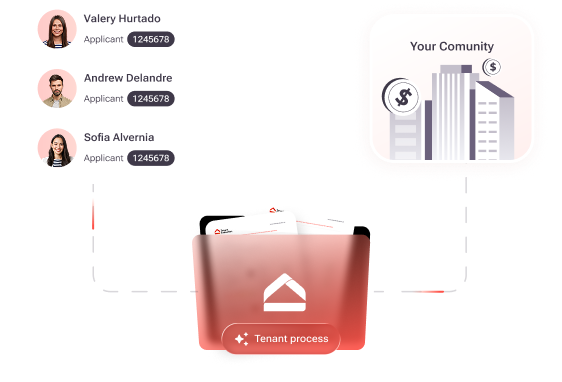
Digital platforms make applying and submitting documents straightforward with a single online system available anytime on web or mobile. This eliminates the messy back-and-forth of emails, calls, or in-person handoffs that often slow things down.
Smart forms adjust based on the applicant’s situation, like whether they’re renting or buying, ensuring only relevant questions are asked. Automated reminders nudge applicants to complete missing info, keeping the process moving without extra follow-ups.
Applicants can upload documents in various formats or snap photos directly from their phones, no scanning or trips required. This speeds up the initial steps that usually stall manual processes and improves the overall experience.
See how TenantEvaluation streamlines HOA applications with a quick demo.

2. Strengthen Compliance and Legal Safeguards
Digital tools designed for HOAs include built-in compliance features that align with federal laws like the Fair Credit Reporting Act and state-specific housing rules. They automate consent forms, deliver required disclosures, and keep detailed records to support HOAs if legal issues arise.
Custom workflows match each HOA’s unique policies while ensuring fair housing practices are followed consistently. The system flags potential bias risks, helping to treat all applicants equally and reduce legal vulnerabilities through clear, documented steps.
Audit trails track every action in the screening process, from timestamps to decision notes, offering solid evidence during reviews or disputes. Fair housing penalties can range from $16,000 to $65,000 per violation, so having strong compliance tools is a financial must.
These platforms also stay updated on changing laws, automatically adjusting processes to keep HOAs compliant without the need for constant manual oversight. This saves time and reduces risk exposure.
3. Deliver Thorough and Secure Background Checks
Modern digital tools connect with various screening services to build detailed applicant profiles beyond simple credit checks. They pull together criminal records, financial data, eviction history, and landlord references into one clear report for better decision-making.
Screening includes in-depth checks like national criminal databases, offender registries, and even international records for foreign applicants. Financial reviews verify employment, analyze bank statements, and calculate debt-to-income ratios for a full view of an applicant’s stability.
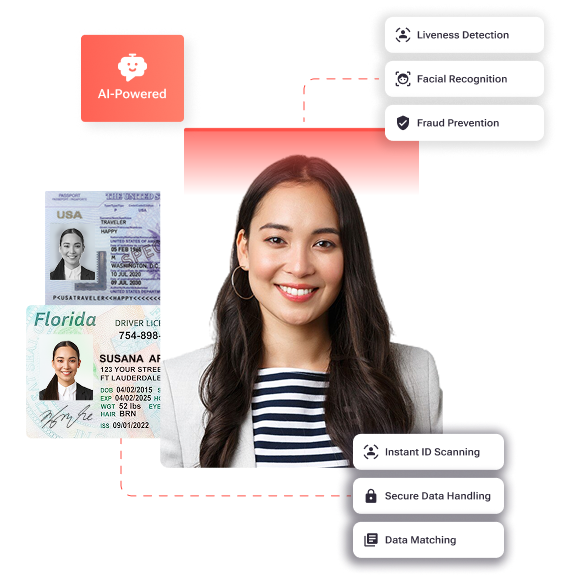
Identity checks use advanced tech to validate IDs and spot fakes, while income verification cross-checks pay stubs, tax records, and employer confirmations. This multi-layered approach catches risks that basic checks might overlook.
Reports summarize key findings with risk scores to flag concerns, speeding up reviews for busy managers and board members while keeping detailed data accessible for deeper dives when needed.
4. Protect Data with Automated Security Features
Digital platforms offer top-tier security that manual systems can’t match. They meet high standards like PCI Level 1 for payments and use end-to-end encryption to safeguard data at every step. This is crucial when data breaches cost an average of $4.45 million per incident.
Sensitive details like Social Security numbers or bank info are automatically redacted from stored files during upload, keeping data safe while still usable for reviews. This cuts the risk of unauthorized access from the start.
Access is restricted by role, so board members see only summaries without full personal data, while managers get what they need for verification. This limits exposure without slowing down work.
Data stays secure in encrypted storage with regular audits to catch weaknesses. Backups ensure access if issues arise, balancing privacy with reliability. These steps show HOAs are serious about protecting resident info and reducing liability.
5. Speed Up Board Reviews and Approvals
Digital tools offer board members dedicated dashboards that replace cluttered email threads or paper packets with fast, online access to applications. This cuts scheduling delays and speeds up decisions.
The interface highlights essential info like credit scores, income checks, and background results. Summaries distill complex data for quick review, with full details available if needed, fitting the pace of busy board schedules.
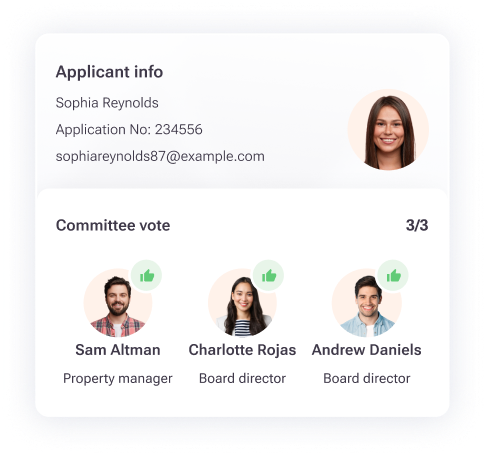
Online voting lets board members decide without waiting for meetings. Secure portals track votes and notify everyone when decisions are final, shrinking approval times significantly while following proper protocols.
Centralized dashboards add transparency and accountability with recorded votes and comments. This documentation supports good governance and offers protection if disputes come up, balancing efficiency with responsibility.
6. Improve Applicant Experience with Clear Communication
Digital platforms turn frustrating application processes into smooth, transparent interactions that leave a good impression of HOA management. Applicants use easy interfaces that show requirements, update statuses in real time, and work around their schedules.
Automated messages confirm submissions, request missing docs, and share review updates, cutting down on uncertainty. Applicants don’t need to keep calling for status checks, and clear timelines help them plan ahead.
Support in multiple languages and instant answers to common questions make the process accessible to more people. This widens the applicant pool and reduces barriers that slow down manual systems.
A polished digital experience reflects well on the HOA, showing efficiency and professionalism. This can boost completion rates and set a community apart in areas with many housing options.
7. Gain Valuable Community Insights with Data Analytics
Digital tools provide detailed analytics on applicant trends and community makeup, helping HOAs plan smarter. This data guides decisions on amenities, policies, and long-term goals using real resident profiles.
Reports show patterns in age, family size, pet ownership, or vehicle types, shaping infrastructure needs. For instance, a rise in electric vehicles could prompt charging station plans, while family trends might adjust community programs.
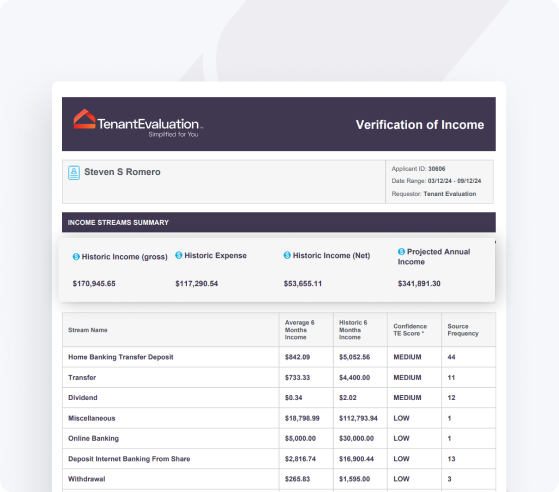
Financial data on income levels or rental ratios helps set fees and budgets accurately. Knowing resident finances aids in planning special assessments or projecting revenue more reliably.
Approval stats reveal if screening rules are too strict, potentially pushing away good applicants. Boards can tweak criteria to fit community goals without creating unfair hurdles, keeping the process balanced.
Digital Platforms vs. Manual Processes: Key Differences
|
Feature |
Manual Process |
Generic Digital Tool |
Specialized Digital Platform |
|
Process Efficiency |
Slow, paper-heavy tasks |
Partial automation, limited connections |
Full automation, connected workflows |
|
Compliance & Risk |
High risk, manual tracking |
Some risk, basic rules |
Low risk, full compliance features |
|
Data Security |
Unprotected, manual handling |
Standard security |
Strong encryption, automatic redaction |
|
Board Review |
Delayed, email-dependent |
Few board tools |
Custom dashboards, online voting |
Find out how TenantEvaluation can upgrade your HOA screening with a demo today.
Frequently Asked Questions
How Do Digital Platforms Handle Florida-Specific Housing Rules?
Platforms tailored for Florida HOAs are set up to follow state laws and local bylaws. They automate compliance steps, from collecting consent to reviewing records, reducing legal risks by aligning with current regulations. Updates to rules are applied automatically, so HOAs stay compliant without constant manual checks.
Can Digital Tools Match the Accuracy of Manual Document Checks?
Digital platforms often outperform manual checks by using AI for document analysis and ID validation. They verify leases, confirm IDs, and cross-check data like employment or income directly with sources, cutting down on errors and fraud while maintaining high accuracy.
How Do Platforms Balance Speed and Detail in Screening?
These tools speed up routine tasks like data collection and initial checks through automation, while leaving complex reviews for human judgment. They compile extensive data from criminal records, credit history, and evictions into clear reports, ensuring quick decisions without missing key details.
What Advantages Do Board Members Get from Digital Platforms?
Board members gain faster, clearer decision-making with dashboards showing application updates, summarized reports, and online voting options. They can review data, vote on their own time, and access records for accountability, cutting approval times while improving oversight and planning through resident data insights.
How Do Digital Platforms Create Revenue for HOAs?
Many platforms share application fee revenue with HOAs, avoiding upfront costs. Automated payments reduce overhead, while efficient processes attract better applicants, potentially lowering vacancies and raising property values. Thorough screening also minimizes costly resident issues, adding financial benefits.
Conclusion: Digital Is the Future of HOA Screening
Switching from paper-based to digital background checks isn’t just a convenience, it’s vital for modern HOA management amid complex rules and rising tech expectations. Digital tools tackle the core issues of manual systems, like inefficiency, legal risks, security gaps, and poor applicant experiences.
The seven benefits covered here show how these platforms build safer communities with accurate screening, better compliance, and faster decisions. From automated data handling to board dashboards and analytics, every part of the process gets a practical boost.
Managers and board members adopting digital tools give their HOAs an edge, guarding against risks tied to outdated methods. Efficiency, legal safety, strong security, and better applicant interactions make a compelling case for investing in these systems.
As rules keep changing and applicants expect digital ease, HOAs slow to adapt may struggle to attract good residents or maintain smooth operations. The shift to digital screening is clear, and acting now offers early benefits like improved workflows, stronger protections, and better community results.