
Key Takeaways for Florida Condo Criminal Screening
- HUD’s 2025 updates require individualized assessments of criminal history in condo rentals. Blanket bans are prohibited, and policies must still prioritize resident safety.
- FCRA limits reporting of non-conviction records such as arrests to seven years. Convictions can be reported indefinitely, but boards should weigh how recent they are.
- Florida follows federal standards and adds no extra lookback limits. Boards typically focus on serious offenses like violent felonies and sexual predator status.
- Condo boards must document screening decisions with clear audit trails to defend against Fair Housing Act challenges.
- Florida communities can streamline compliant screening with TenantEvaluation’s SafeCheck+.
HUD and FHA Criminal Screening Rules for Condos
HUD’s 2025 updates prioritize safety through screening while preserving Fair Housing Act protections. The Department rescinded earlier guidance that discouraged criminal background checks and now states that housing providers should screen for criminal history to protect residents. Federal law still prohibits blanket exclusions based only on criminal records.
Federal rules limit non-convictions to seven years under FCRA, and condos must individualize decisions under HUD guidance. Boards cannot automatically reject applicants based solely on the presence of a criminal record. They must review the nature, severity, and recency of each offense and compare that history to the specific safety risks in the community.
| Step | Description | Condo Application |
|---|---|---|
| 1. Screen | Conduct criminal background check | Use an FCRA-compliant service with seven-year limits |
| 2. Evaluate | Assess nature, severity, recency | Pay close attention to violent offenses in shared spaces |
| 3. Document | Record decision rationale | Maintain an audit trail for all board votes |
| 4. Notify | Provide adverse action notice | Follow FCRA notification requirements |
| 5. Appeal | Allow applicant response | Have the board review any new information |
Condo communities face heightened risk from violent offenses in common areas, elevators, hallways, and parking facilities. TenantEvaluation’s SafeCheck+ automatically creates audit trails for each screening decision, which supports board documentation requirements for individualized assessments.
FCRA Seven-Year Lookback Rules for Rental Screening
FCRA Section 605 states that arrest records cannot be reported after seven years, while criminal convictions can be reported without a federal time limit. This rule applies to all consumer reporting agencies that provide tenant screening services. Non-conviction records include arrests without charges, dismissed cases, and acquittals.
| Rule | FCRA Limit | HUD Nuance |
|---|---|---|
| Arrests/Non-convictions | Seven years maximum | Boards must still individualize each assessment |
| Convictions | No federal limit | Boards should consider recency when judging safety impact |
| Reporting accuracy | Information must be current | Boards should verify through official sources when needed |
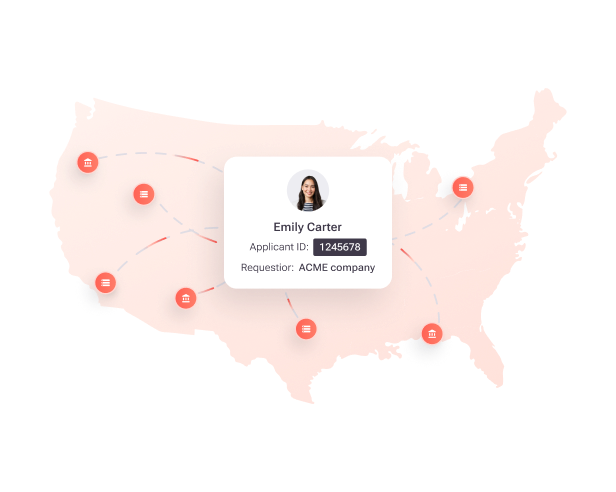
TenantEvaluation operates as a direct reseller of TransUnion and Equifax data and follows strict FCRA rules. The platform applies seven-year limits for non-conviction records automatically and includes built-in adverse action workflows when screening results trigger applicant notification duties.
Florida Criminal Lookback Rules for Condo Rentals
Florida follows the federal FCRA seven-year reporting standard for non-conviction records. Florida landlords can legally screen tenants using criminal background checks with limits, but they must apply criteria neutrally and consistently to avoid Fair Housing violations. State law does not add extra lookback restrictions beyond federal requirements.
Florida Condo Lookback Periods in Practice
Seven years is the standard lookback period for non-conviction records under FCRA. Boards may consider conviction records that are older than seven years, yet HUD guidance favors recency-based assessments that give less weight to older offenses. Florida condo boards should adopt written policies that explain how the age of a conviction affects approval decisions.
Checklist of Common Disqualifying Charges
Florida statutes, including Chapter 435, outline serious disqualifying offenses for care providers and help shape industry norms. These standards do not directly control rental screening but offer useful guidance for condo associations:
- Level 1 and Level 2 sexual offenders under Florida registration requirements
- Recent violent felonies involving assault, battery, or weapons charges
- Drug trafficking convictions as defined by community bylaws
- Theft and fraud felonies under Chapter 812 when they affect property security
- Any offense involving harm to vulnerable populations in residential settings
Condo associations should reflect these considerations in their governing documents and screening criteria and apply them consistently to every applicant.
Screening Best Practices for Condo and HOA Boards
Condo and HOA boards need structured criminal screening processes that balance safety with legal compliance. The following five-step checklist supports consistent and defensible decisions.
- Establish bylaws-aligned criteria: Define specific offenses and timeframes that relate directly to community safety.
- Automate seven-year compliance: Use FCRA-compliant platforms that apply lookback limits automatically.
- Document all reviews: Keep detailed records of board discussions and the reasons behind each decision.
- Use board dashboards: Give directors real-time access to screening results and voting tools.
- Retain audit trails: Store all screening documentation to prepare for possible legal challenges.
| Pitfall | Risk | Fix with TenantEvaluation |
|---|---|---|
| Manual screening | FCRA violations and inconsistent application | Automated SafeCheck+ with built-in compliance controls |
| Blanket bans | Fair Housing Act lawsuits | Individualized assessment workflows for each applicant |
| Poor documentation | Weak defense of board decisions | Complete audit trails and board voting records |
| Delayed approvals | Lost revenue and frustrated applicants | Processing that is up to 70% faster through automated workflows |
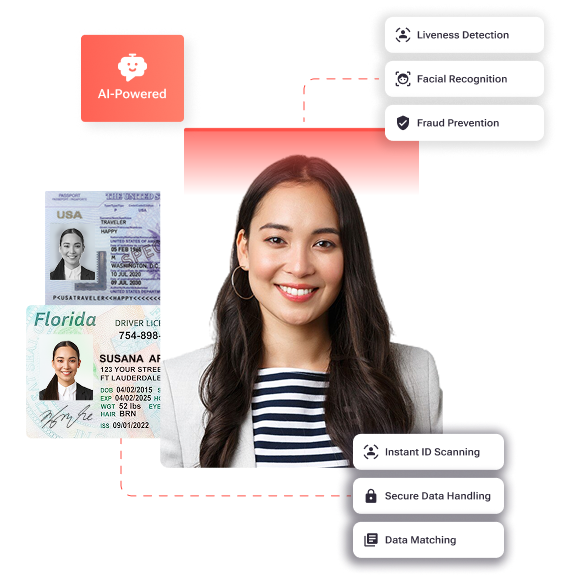
TenantEvaluation’s QuickApprove dashboard gives Boards of Directors direct access to screening results and simple voting tools. The platform connects to IDVerify biometric verification to block identity fraud before criminal screening begins, which can save up to 50 hours of administrative time each day.

Why TenantEvaluation Fits Florida Condo Compliance
TenantEvaluation’s FCRA-first design sets it apart from competitors that treat compliance as a secondary feature. As a direct credit bureau reseller, the platform offers legitimate access to TransUnion and Equifax data under strict bureau rules and avoids gray-market data sources that increase liability for associations.
SafeCheck+ supports FCRA-compliant background checks and combines them with an all-in-one platform that cuts screening time by about 70 percent. The system has generated roughly $150 million in revenue for Florida communities through faster, more efficient processing.
| Feature | TenantEvaluation | ApplyCheck | Verify Screening |
|---|---|---|---|
| FCRA Reseller Status | Direct TransUnion and Equifax access | Third-party platform | TazWorks white-label |
| Board Dashboard | QuickApprove with voting tools | Limited access | No board-specific tools |
| Time Savings | About 70% reduction | Minimal automation | Manual review required |
| Florida Customization | Built for Florida communities | Generic rental focus | Limited customization |
TenantEvaluation processes more than 100,000 applications each year and holds a 4.8 out of 5 Google rating. Over 5,000 Florida communities rely on its specialized compliance tools for Community Association Managers and Boards of Directors. Schedule a demo today to see how FCRA-compliant screening built for condos works in practice.
Frequently Asked Questions
Criminal Charges That Commonly Disqualify Florida Condo Renters
Florida condo boards usually focus on offenses that create clear safety risks in shared community spaces. Level 1 and Level 2 sexual offenders face automatic restrictions under state registration rules. Recent violent felonies involving assault, battery, or weapons charges deserve close review because residents live in close proximity. Drug trafficking convictions and theft-related felonies under Chapter 812 may also matter, depending on community bylaws and property security needs. Boards should adopt clear, consistently applied criteria that address legitimate safety concerns instead of blanket bans that conflict with Fair Housing Act requirements.
Lookback Periods for Florida Apartment and Condo Background Checks
FCRA sets a seven-year limit for non-conviction records such as arrests, dismissed charges, and acquittals. Criminal convictions can be reported without a federal time limit, yet HUD guidance encourages recency-based assessments that give less weight to older offenses. Florida does not add extra state-level limits beyond federal FCRA rules. Most compliant screening platforms apply seven-year limits for non-conviction records automatically and still provide conviction data for individualized board review.
HUD Rules for Condo Criminal Background Screening
HUD requires individualized assessments for all criminal history instead of blanket exclusions based only on the existence of a record. The 2025 safety letter stated that housing providers should conduct criminal screening to protect residents while still honoring Fair Housing Act protections. Boards must review the nature, severity, and recency of each offense and connect those facts to specific safety risks in the community. Thorough documentation of this process is essential when boards need to defend screening decisions in Fair Housing challenges.
Preferred Background Check Platforms for Florida Landlords and Boards
TenantEvaluation’s SafeCheck+ currently leads the Florida market for community associations and condo boards that need FCRA-compliant screening. The platform’s direct credit bureau reseller status, automated seven-year compliance, and specialized board dashboard separate it from generic rental screening tools. Many boards select TenantEvaluation for its Florida-focused customization, built-in audit trails, and integration with biometric identity verification through IDVerify+.
Conclusion: Safer Florida Condos With Compliant Screening
Clear criminal history lookback rules help Florida condo boards reduce Fair Housing risk while maintaining strong safety standards. Automated FCRA-compliant screening through TenantEvaluation removes many manual compliance errors and supplies detailed documentation for every board decision. Schedule a demo today to tailor SafeCheck+ to your Florida condo’s screening policies and compliance goals.