
Condominium associations and homeowner associations (HOAs) must prioritize resident safety and compliance through thorough background checks, often while managing tight budgets.
This article breaks down seven practical, affordable strategies to enhance security and streamline processes for community association managers (CAMs) and board members, without breaking the bank.
Why Cost-Effective Screening Matters for Florida Condos and HOAs
Florida condos and HOAs navigate a complex landscape of regulations, balancing safety, finances, and legal requirements. Only with explicit permission in their governing documents can Florida HOAs and condo boards conduct background checks or charge related fees. This makes a well-planned approach vital.
Poor screening can create serious issues for communities. Unvetted residents may pose safety risks, while financial defaults can burden everyone with higher fees or special assessments. Legal missteps, like discriminatory practices, can also lead to costly lawsuits. Proper screening protects standards and property values, but the cost and effort often seem daunting. The solution lies in targeted strategies that deliver results while keeping expenses in check.
Old-school, paper-based methods waste time and increase risks like data breaches or compliance errors. Digital platforms speed up application reviews, cut down on manual work, and maintain compliance with regulations. Modern tools offer a clear path to better efficiency and security.
7 Practical Screening Solutions for Your Community
1. Streamline with Digital Screening Platforms
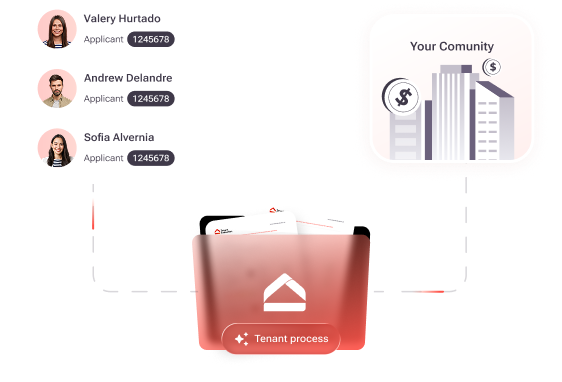
Switching to a digital, all-in-one platform can save time and money by automating the screening process from start to finish. Manual methods drain staff resources with repetitive tasks like collecting documents or chasing follow-ups. A digital system handles these automatically, freeing up valuable time.
Key benefits include:
- Automated document collection to avoid incomplete applications.
- Custom forms that adjust based on applicant type, like tenant or buyer.
- Secure data handling with encryption to protect personal information.
- Real-time updates to keep everyone informed, cutting down on calls and emails.
Automation reduces per-applicant costs and boosts accuracy while meeting legal standards. Many communities see faster processing and less staff workload after adopting these tools. Schedule a demo with TenantEvaluation to see how it can simplify applications and improve compliance for your community.

2. Set Clear, Consistent Screening Rules
Creating defined, uniform screening guidelines is a simple way to save time and avoid legal trouble. Whether in governing documents or application forms, these rules must be specific and applied equally to everyone.
Clear standards cut down on lengthy debates over individual cases and reduce the risk of fair housing violations. Focus on key areas like criminal history related to safety, such as violent crimes, rather than broad restrictions that could be seen as unfair. Specify required documents and formats to prevent delays from missing information. Written policies help prevent biased decisions and lower legal risks.
3. Focus Background Checks on What Matters
Save money by targeting background checks on the most relevant data instead of overdoing it with expensive, broad searches. Typical checks for HOAs and condos cover credit history, criminal records, and evictions.
Prioritize criminal checks for serious offenses, like violent crimes, that impact safety. Florida communities often focus on identifying violent or sexual offenses to protect residents. For credit, look at recent financial red flags, such as bankruptcies, to gauge payment reliability. Eviction records help assess a tenant’s rental history. This focused scope controls costs while addressing core safety and financial concerns.
4. Automate Document and ID Verification
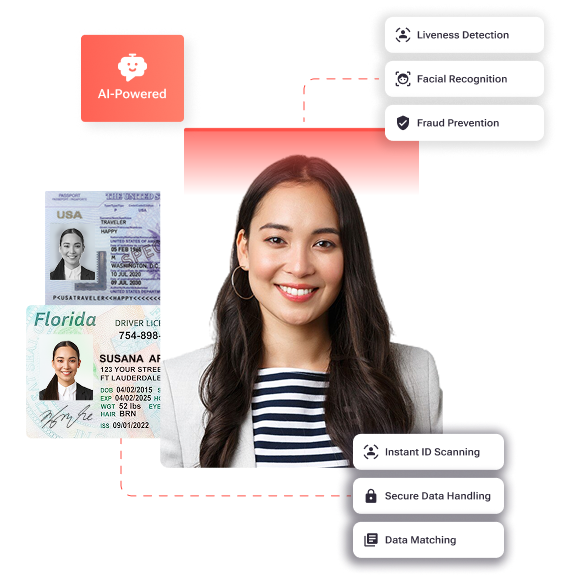
Manual document checks slow down screening and eat up staff time. Automated systems speed things up by spotting issues like missing signatures or expired IDs right away, reducing back-and-forth delays.
These tools also verify identities with advanced scanning, catching fraud that might slip past human review. They keep detailed records of every step, which helps with compliance and cuts down on manual filing. By automating this process, you save on labor costs and improve accuracy across the board.
5. Use a Dashboard for Faster Board Approvals
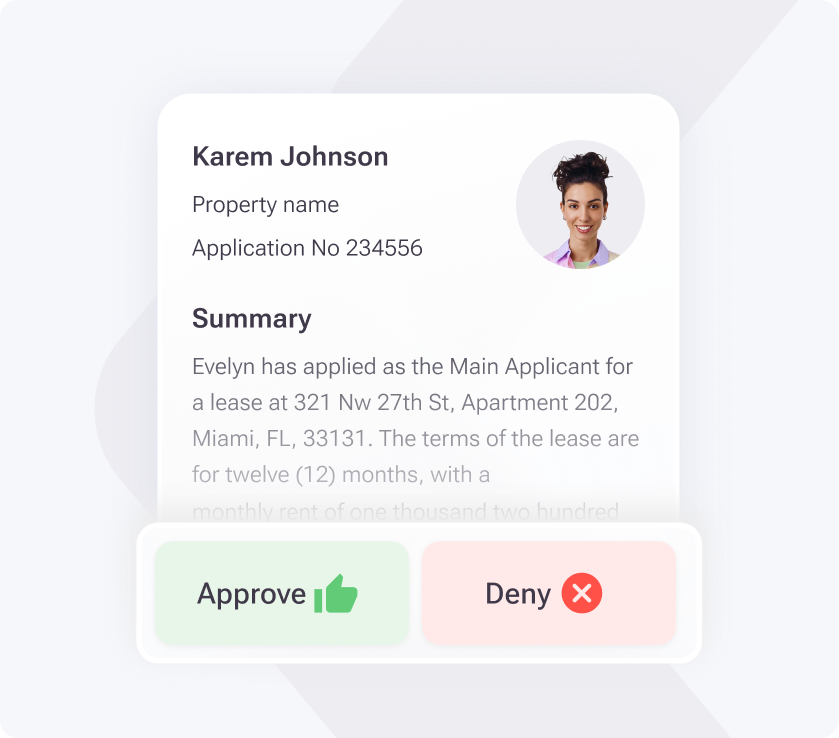
Board reviews often delay applications with scattered emails and scheduling hurdles. A dashboard, like TenantEvaluation’s QuickApprove, solves this by giving board members instant access to summaries and voting tools.
With everything in one place, decisions happen faster. Board members can vote as soon as they review, no waiting for meetings. Detailed logs of votes and actions ensure transparency and meet compliance needs, while cutting risks of lost or mishandled data. It’s a straightforward way to speed up approvals and keep things organized.
6. Cover Costs with Smart Application Fees
Well-planned application fees can offset screening expenses and even generate extra funds. Florida HOAs and condos can charge fees for background checks and processing if allowed by governing documents.
Structure fees to cover both direct costs and staff time, so screening doesn’t strain budgets. Digital platforms can collect fees upfront online, avoiding manual payment hassles. Some providers, like TenantEvaluation, offer revenue-sharing options, where associations get a portion of fees back. This can make screening cost-neutral or even profitable for the community.
7. Invest in Data Security and Legal Compliance
Cutting corners on data protection or compliance can lead to expensive problems like breaches or lawsuits. Spending on solid security now saves money down the line by avoiding penalties and legal headaches.
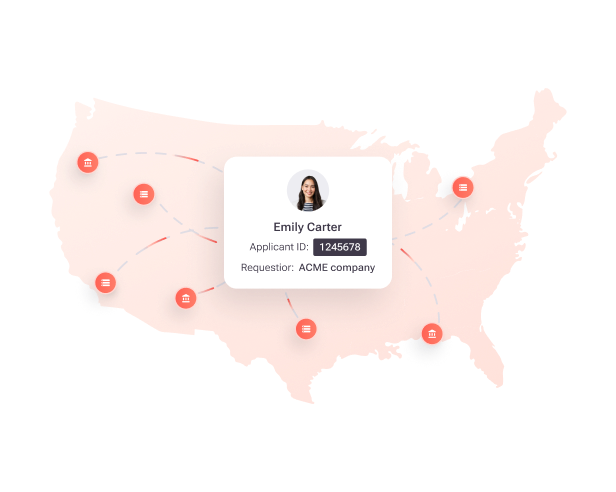
Partnering with a skilled screening agency helps ensure proper disclosures and evaluations while staying compliant. Look for features like encryption, automatic data redaction, and detailed audit trails to protect information and meet standards like the Fair Credit Reporting Act (FCRA). These steps reduce liability and keep your community safe from risks.
How TenantEvaluation Makes a Difference
Real examples show the value of affordable screening tools. A Florida management company hesitated to switch from manual processes due to cost concerns. Their old system took up huge amounts of staff time and left them open to data risks.
After adopting TenantEvaluation, they saved 50 hours of daily staff time on tasks like document checks and follow-ups. Processing times dropped by half, leading to quicker approvals and happier applicants. They saved $10 per hour per property, adding up to $240,000 yearly across their portfolio. Plus, secure data handling with encryption cut their liability and ensured compliance with privacy rules. Schedule a demo to see how TenantEvaluation can help your community save time and stay compliant.
Common Questions About Affordable Screening
Can Florida HOAs and Condos Require Background Checks?
Florida HOAs and condo boards can require background checks, but only if their governing documents, like bylaws or declarations, explicitly allow it. Without this, there’s no legal basis to enforce screening or charge fees. Amending documents may be necessary, often requiring a membership vote. Even with authority, screening must follow fair housing laws to avoid discrimination against protected groups. Consulting a lawyer familiar with Florida association laws ensures your policies are enforceable and compliant.
What’s Included in Budget-Friendly Screening for Florida Communities?
Affordable screening for Florida HOAs and condos usually focuses on three key areas. Criminal checks target serious offenses, like violent crimes, that could affect safety. Credit reports help evaluate financial reliability, protecting the community from unpaid assessments. Eviction records reveal a tenant’s rental history. This narrow focus keeps costs low while providing critical insights for safety and stability, without overstepping into private matters unnecessarily.
How Do We Stay Compliant with Fair Housing Laws?
To comply with Fair Housing Laws, apply the same objective screening rules to every applicant, regardless of background or personal traits. Use written guidelines with specific thresholds for criminal history or credit issues, avoiding blanket bans that could be seen as unfair. Watch for policies that unintentionally impact certain groups more than others, like strict credit rules. Train board members and staff on these laws, and consider partnering with screening agencies that understand compliance to minimize legal risks.
How Much Can Automation Save Our Community?
Automation can lead to significant savings by cutting staff workload on tasks like document reviews or follow-ups. Faster processing speeds up approvals, benefiting cash flow and applicant satisfaction. It also reduces errors that cause delays or legal issues. Many communities find that application fees can offset platform costs, while overall efficiency gains provide lasting value. The exact savings depend on your volume, but the impact on time and accuracy is often substantial.
What Security Features Should a Screening Platform Have?
Look for platforms with top-tier security, like PCI Level 1 compliance, to safeguard financial data. End-to-end encryption keeps information safe during transmission, while automatic redaction hides sensitive details like Social Security numbers. Audit trails should track all actions for compliance and legal protection. Choose providers that regularly update security measures and meet laws like the Fair Credit Reporting Act, ensuring your community avoids penalties or breaches.
Final Thoughts: Protect Your Community on a Budget
Effective screening for Florida condos and HOAs doesn’t have to cost a fortune. The seven strategies shared here prove you can enhance safety without straining finances. Digital tools automate tedious tasks, clear rules ensure fairness, and focused checks keep expenses down. Secure systems and smart fee structures add protection and even potential revenue.
Communities using these approaches often see quicker processes, lower costs, and stronger compliance. Taking action now sets your association up for long-term success and peace of mind. Ready to strengthen safety and streamline screening? Schedule a demo with TenantEvaluation to explore solutions for your community.