
Key Takeaways
- Florida condo associations must follow FCRA, the Fair Housing Act, and state rules for rental background checks, including written consent, permissible purpose, and adverse action notices.
- HUD’s 2025 guidance rescission restores discretion for criminal history screening but still prohibits blanket bans and requires review of offense relevance, severity, and recency.
- Use a 7-step compliance checklist: obtain consent, verify identity biometrically, conduct board review, screen fully, apply non-discriminatory criteria, issue notices, and maintain audit trails.
- Reduce risks like identity fraud, manual delays, and FCRA violations by using biometric verification, automated workflows, and compliant screening platforms.
- TenantEvaluation automates FCRA-compliant screening for condos with IDVerify, QuickApprove, and revenue sharing, so schedule a demo today to streamline your process.
Legal Rules That Shape Florida Condo Rental Screening
FCRA compliance forms the foundation of lawful tenant screening. Updated 2026 requirements mandate written consent, permissible purpose documentation, and adverse action procedures for all consumer reports. Associations must use compliant screening companies and maintain audit trails for regulatory review.
Fair Housing Act compliance prohibits discrimination based on protected characteristics while still allowing legitimate safety concerns. After HUD’s November 2025 guidance rescission, associations gained back discretion for criminal history screening but must avoid blanket bans and consider offense relevance, severity, and recency.
Florida-specific regulations require associations to follow governing documents precisely when screening tenants. Associations can only restrict leasing if explicitly authorized by declarations and bylaws. Boards must adhere strictly to documented criteria and cannot invent new standards during the approval process.
| Requirement | FCRA | Fair Housing Act | Florida Law |
|---|---|---|---|
| Written Consent | Required | N/A | Required |
| Criminal History | Permissible purpose | No blanket bans | Follow governing docs |
| Adverse Action | Notice + report copy | Non-discriminatory | Document criteria |
| Documentation | 2-year retention | Audit trail | Board approval process |
TenantEvaluation supports these requirements through built-in FCRA workflows, adverse action templates, and Florida-specific compliance features. Schedule a demo today to keep compliance simple and consistent.
Seven-Step Checklist for Condo and HOA Background Check Compliance
Condo rental screening stays compliant when associations follow a clear, repeatable workflow. This seven-step process protects boards from legal exposure while keeping approvals efficient.
Step 1: Obtain Written Consent – Collect signed authorization forms before any background checks. Clearly state permissible purpose and applicant rights under FCRA in a separate disclosure.
Step 2: Verify Identity with Biometrics – Use IDVerify for government ID validation, AI-powered liveness checks, and facial biometric matching that blocks identity fraud.

Step 3: Complete Board Review in a Digital Dashboard – Use QuickApprove for streamlined board voting, AI-generated applicant summaries, and real-time approval tracking.

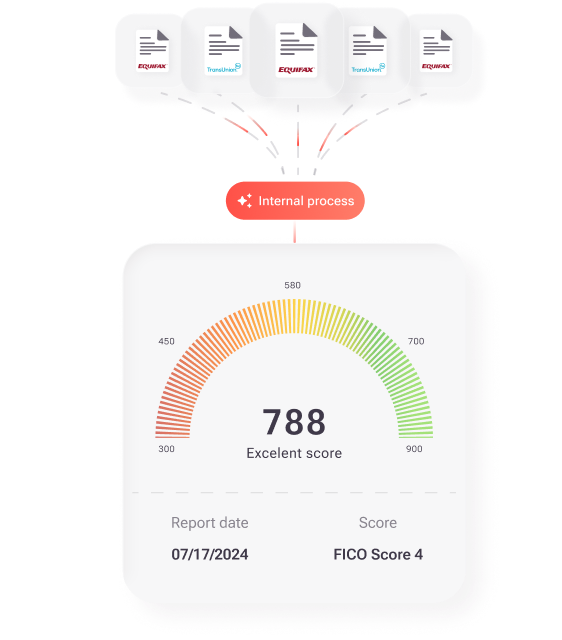
Step 4: Run Comprehensive Screening Reports – Order credit reports, eviction history, criminal background, and income verification as a direct reseller of TransUnion and Equifax data.
Step 5: Apply Non-Discriminatory Criteria – Review applications using documented standards that weigh offense relevance, time elapsed, and evidence of rehabilitation.
Step 6: Send Adverse Action Notices – Provide required documentation, including report copies and dispute rights, when denying applications based on screening results.
Step 7: Maintain a Complete Audit Trail – Record all decisions with timestamps, criteria applied, and board approval records to support regulatory compliance.
This checklist reduces manual errors and keeps screening criteria consistent across applicants. Schedule a demo today to automate each step of your compliance workflow.
Florida Condo Rules and Best Practices for 2026
Florida condo associations operate under unique rules that differ from standard rental properties. The Florida Condominium Act requires that screening criteria match governing documents and that board approval processes follow written procedures.
Data security now plays a central role because identity fraud continues to rise. With 29% of applications containing fraudulent information, associations need biometric verification and secure document handling to reduce breaches and liability.
Best practices for 2026 include automated audit trails, use of PCI Level 1 compliant platforms, and clear board voting procedures. Associations should document all screening criteria in governing documents and train board members on Fair Housing Act requirements.
Common pitfalls include ad-hoc screening standards, missing documentation of decision rationale, and weak identity verification processes. These gaps expose associations to discrimination claims and fraud-related losses.
Schedule a demo today to protect your community with TenantEvaluation’s PCI-secure, Florida-focused platform.
How TenantEvaluation Fixes Common Screening Problems
Identity fraud now represents one of the fastest-growing risks for condo associations. Synthetic identities and forged documents often slip past traditional screening. TenantEvaluation’s IDVerify feature adds biometric verification that confirms physical presence and identity authenticity before approval.
Manual approval processes slow move-ins and frustrate applicants. Board members often juggle document review, voting coordination, and audit trail tracking. TenantEvaluation’s QuickApprove dashboard replaces these bottlenecks with automated workflows and real-time collaboration tools.
FCRA violations occur when associations skip proper adverse action steps or fail to keep required documentation. TenantEvaluation automates adverse action notices, supplies template letters, and maintains complete audit trails for regulators.
Competitors like ApplyCheck and Verify Screening Solutions provide fragmented services without board-specific tools. TenantEvaluation instead delivers an integrated platform built for community associations. Compared to AppFolio’s generic property management approach, TenantEvaluation offers faster processing with specialized HOA workflows.
Schedule a demo today to move your association to TenantEvaluation for faster, compliant approvals.
Why TenantEvaluation Fits Florida Condo Compliance Needs
TenantEvaluation’s FCRA-first design places compliance at the core of the platform. As a direct TransUnion and Equifax reseller, TenantEvaluation supplies legitimate bureau data under strict regulatory controls and avoids gray-market data risks.
More than 50 years of combined Florida property management experience guide the platform’s design. TenantEvaluation now serves over 5,000 communities and processes more than 100,000 applications each year with a 4.8/5 Google rating.
Strategic partnerships with RealManage, FirstService Residential, and other leading management companies highlight TenantEvaluation’s enterprise-grade capabilities. The revenue-sharing model creates income for associations while removing upfront costs.
TenantEvaluation’s biometric identity verification, automated board workflows, and detailed audit trails provide stronger fraud protection than document-only competitors. Multilingual support and 24/7 AI assistance keep the applicant experience smooth.
Schedule a demo today to get started with Florida’s leading condo screening platform.
Condo rental background checks stay compliant when associations use a structured approach that balances regulations with daily operations. This checklist supports FCRA compliance, Fair Housing Act adherence, and Florida-specific rules. TenantEvaluation’s specialized platform automates these workflows while generating revenue for associations. Schedule a demo today for condo rental background check compliance that protects your community and simplifies approvals.
Frequently Asked Questions
What does an HOA background check look for?
HOA background checks review credit history, eviction records, criminal background, income verification, and identity confirmation. Modern screening often includes biometric verification through IDVerify+ to block identity fraud, which affects 29% of rental applications. Credit reports show payment history and financial stability, while eviction searches reveal past rental problems. Criminal background checks focus on recent, relevant offenses that affect community safety. Income verification confirms that applicants meet financial requirements, often three times monthly rent, and identity checks confirm applicants through government ID validation and biometric matching.
Do condo associations do background checks?
Condo associations in Florida routinely conduct background checks for rental approvals when governing documents authorize screening. Florida law requires associations to follow written screening criteria and board approval procedures. These checks support FCRA and Fair Housing Act compliance while protecting community safety and property values. Associations must obtain written consent, confirm permissible purpose, and provide adverse action notices when they deny applications. Screening usually includes credit, criminal, eviction, and identity verification tailored to each community’s requirements and risk tolerance.
How do you write an FCRA-compliant adverse action letter?
FCRA-compliant adverse action letters must include several specific elements. The letter must state that adverse action occurred, attach a copy of the consumer report used, and explain that the screening company did not make the decision. It must also provide dispute rights information for the consumer reporting agency. The letter should identify which information influenced the decision and list contact details for the screening company. It must explain the applicant’s right to obtain a free copy of the report within 60 days and to dispute inaccurate information. Template letters help associations stay consistent and reduce legal risk.
What is Florida condo rental screening compliance?
Florida condo rental screening compliance means following FCRA rules, Fair Housing Act protections, and state condominium laws. Associations must obtain written consent before screening, follow criteria in governing documents, and use documented board approval processes. Compliance also includes proper adverse action steps, non-discriminatory evaluation standards, and secure handling of sensitive applicant data. Florida’s Fair Housing Act bars discrimination based on protected characteristics while still allowing reasonable safety concerns. Associations cannot create arbitrary screening standards and must document decision rationale for audits.
What are the FCRA requirements for tenant background checks?
FCRA requirements for tenant background checks include written consent before accessing consumer reports, a clear permissible purpose for screening, and adverse action notices when applications are denied. Associations must use compliant screening companies, keep documentation for two years, and maintain separation between data providers and decision makers. Consent must appear in a separate document that clearly explains the screening process. When adverse action occurs, applicants receive copies of the reports used and information about dispute rights. Strong FCRA compliance protects associations from lawsuits and regulatory penalties.