
Key Takeaways
- Florida condominium and HOA communities face growing document fraud risk in 2026, as more applicants use sophisticated tactics to defeat legacy screening processes.
- Fraud often relies on falsified income and employment records, altered bank statements, and fake IDs that can bypass manual review, and loan documentation fraud involving falsified employment, income, and occupancy documents reflects similar patterns in housing applications.
- Common real estate frauds in Florida include schemes that rely on forged ownership and rental documents, which can directly affect HOA governance, amenity access, and voting rights.
- Advanced, AI-driven fraud detection verifies identity, income, and document authenticity more quickly and consistently than manual review, while creating detailed audit trails that support compliance and fair housing standards.
- Tenant Evaluation offers HOA-focused document fraud detection and resident screening; schedule a demo to see how it can streamline applications, enhance compliance, and protect your community in 2026.
The Rising Tide of Document Fraud in Condominium Applications
Document fraud in condominium applications has become more complex, especially in high-demand markets like Florida. The structure of HOAs and condo associations, with shared amenities and governance rights, creates added incentives for fraudsters who want access, influence, or short-term financial gain.
Financial and Security Risks to HOAs
Fraudulent approvals can create long-term financial strain for associations. Problem residents may stop paying assessments, damage common areas, or trigger costly legal actions for collections and eviction. Some applicants also hide criminal histories or past evictions behind altered records, which can increase security incidents and conflict within the community. These problems can affect property values, resident satisfaction, insurance costs, and even the willingness of lenders to finance units in the building.
Common Types of Document Fraud in Condo Applications
HOAs often see patterns that mirror broader real estate fraud. Loan documentation fraud involving falsified employment, income, and occupancy documents is closely related to applicants who submit fake pay stubs, fabricated employment letters, or altered bank statements to appear more qualified than they are. Applicants may also use counterfeit IDs, forged leases, or edited ownership documents to build a false history. Common real estate frauds in Florida include title fraud and rental scams that rely on fake listings and forged paperwork, and those same tactics can show up in condo and HOA applications.
The Administrative Burden and Compliance Challenges
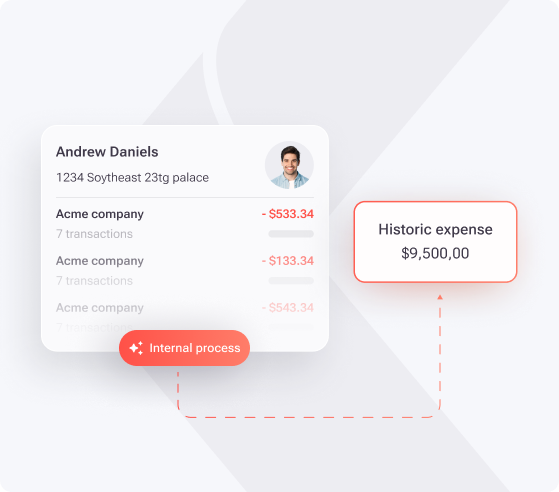
Manual review of complex income, asset, and identity documents consumes large blocks of staff and board time. Even experienced managers can struggle to spot subtle edits in PDFs or detect false employers and references. Florida condo and HOA associations must maintain detailed records under § 718.111(12)(a) and § 720.303(4)-(5), so every application and decision adds to the compliance workload. At the same time, associations must protect applicant privacy, follow fair housing laws, and secure sensitive data. These overlapping requirements make manual document handling both risky and difficult to scale.
Discover the hidden costs of manual document verification for your condominium applications.
Advanced Document Fraud Detection: The Modern Solution for HOAs
Modern fraud detection gives HOAs a structured, technology-driven way to evaluate documents and identities. Instead of relying only on visual checks and phone calls, associations can use automated tools that analyze documents at scale and highlight risks in real time.
What Constitutes Advanced Fraud Detection?
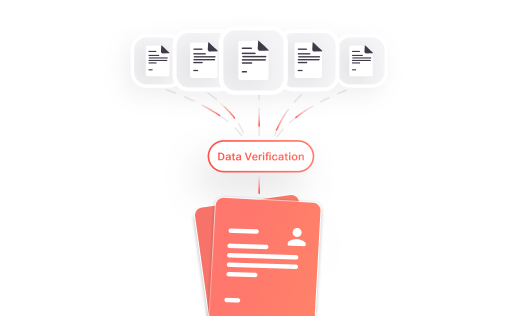
Advanced fraud detection layers several checks into one workflow. Systems scan documents for authenticity, compare key data points across multiple files, and validate information against trusted data sources. They can review metadata, confirm digital signatures, and look for patterns that do not match typical applications. This approach helps associations move from a subjective, person-by-person review to a consistent process that flags anomalies for closer inspection.
Key Technologies Powering Robust Document Fraud Detection
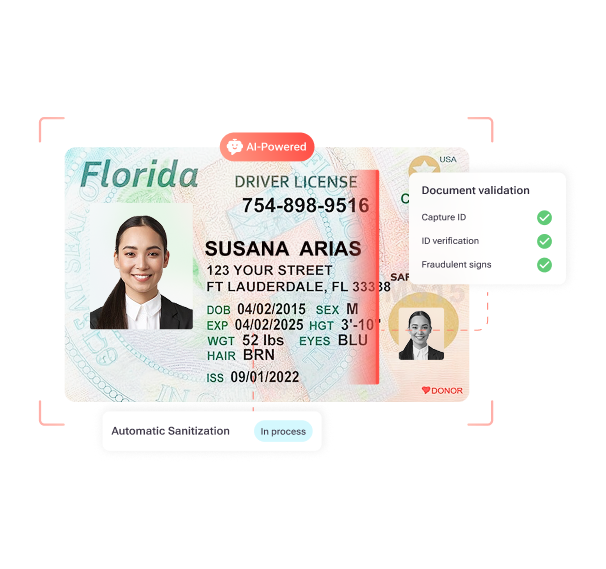
Core technologies include Optical Character Recognition that reads text from documents, machine learning models that recognize fraud patterns, and rules engines that compare data across fields and files. These tools can identify issues such as mismatched fonts, repeated template elements, or bank statements that do not align with known formats. Identity checks can include selfie-to-ID facial comparison and liveness tests to confirm that a real person is applying. Metadata analysis can reveal when a document has been edited or assembled from multiple sources.
Pillars of a Comprehensive Fraud Detection System
A strong fraud detection program for HOAs usually focuses on four pillars. Identity verification confirms that government-issued IDs are valid and match the applicant. Document authenticity checks review income, asset, and housing documents for edits or fabrication. Behavioral analysis looks for unusual application patterns, such as repeated use of the same employer or contact details across different applicants. Data validation compares submitted information with credit, employment, and public record data to catch gaps or contradictions.
Explore the future of secure resident onboarding with advanced fraud detection.
Tangible Benefits: Why HOAs Need Smart Document Fraud Detection
Automated fraud detection provides direct value to associations by reducing losses, improving operations, and supporting a safer, more stable community.
Mitigating Financial Risks and Protecting Assets
Better screening reduces the chance that unqualified or deceptive applicants gain access to the property. When income and identity are verified up front, associations face fewer delinquencies, disputes, and legal costs tied to collections or evictions. Fraud detection also helps prevent misuse of ownership or voting documents, which can affect reserve decisions, special assessments, and long-term planning.
Enhancing Community Security and Quality of Life
More reliable application data supports safer resident selection. Associations can more confidently approve applicants whose histories and documentation align, which reduces the risk of criminal activity, excessive noise, and property damage. Over time, this stability supports property values and makes the community more attractive to buyers and renters who value well-managed buildings.
Ensuring Regulatory Compliance and Audit Trails
Fraud detection platforms log every step of the review process, which helps boards explain and defend decisions. Florida DBPR Division of Condominiums refers documented fraud allegations involving criminal activity to law enforcement, so accurate records are important. Automated systems store documents securely, track who accessed them, and apply the same criteria to every applicant, which supports both fair housing practices and privacy expectations.
Streamlining Operations and Boosting Efficiency
Automation reduces the number of manual calls, emails, and spreadsheets needed to complete each application. Staff can review system-generated risk summaries instead of reading every line of every statement. Faster decisions mean quicker move-ins, fewer vacant units, and less frustration for applicants and owners. Associations can then reallocate time toward resident communication, capital planning, and community projects.
Manual vs. Automated Document Fraud Detection: A Critical Comparison
Manual processes once worked for smaller communities and simpler documents, but they now struggle to keep pace with digital forgeries and rising application volumes. Automated systems give HOAs a way to scale review quality without expanding staff.
The Limits of Manual Verification
Manual verification depends on human judgment and available time. Staff must scan each document, search for red flags, and make calls to verify employers or references. This approach is slow and makes it harder to apply standards consistently. Subtle edits to PDFs or images are hard to detect, and record-keeping often varies from one manager or board to another, which can create compliance and audit challenges.
The Power of Automated Systems
Automated systems apply the same checks to every application, in the same order, and record the outcome. Algorithms can compare data across many sources at once, flag unusual patterns, and continue learning from new fraud attempts. Staff still make final decisions, but they work from more complete and organized information.
Comparison Table: Document Fraud Detection Methods for Condominium Applications
|
Feature / Method |
Manual Verification |
Automated Fraud Detection |
Impact on HOAs |
|
Accuracy of Detection |
Low to moderate, depends on reviewer skill |
Higher and more consistent across applications |
Fewer fraudulent approvals and related losses |
|
Processing Speed |
Several days per complex file |
Minutes to hours per application |
Faster occupancy and better cash flow |
|
Compliance Documentation |
Manual notes and email trails |
Structured, automated audit logs |
Clearer records and lower legal risk |
|
Staff Resource Requirements |
High, with repetitive review work |
Lower, focused on exceptions |
More time for strategic community management |
See how automated document fraud detection outpaces traditional methods in a live demonstration.
Frequently Asked Questions About Document Fraud Detection for Condominiums
What are the most common types of document fraud seen in condominium applications in Florida?
Florida condominium applications often include falsified income records, such as inflated pay stubs or fabricated employment letters, along with altered bank statements that show higher balances than the real accounts. Counterfeit IDs and forged leases may be used to present a stronger rental history, and some applicants submit falsified deeds or ownership documents to gain voting rights or access to amenities. Employment fraud can also involve fake company websites or phone numbers that make a fabricated job appear legitimate.
Can AI-powered fraud detection identify forged signatures on legal documents?
AI tools can analyze signature shape, stroke order, pressure, and spacing to compare a new signature against known examples. Systems look for patterns that suggest copying, tracing, or digital cut-and-paste edits. When combined with document metadata and file-level analysis, these tools help identify signatures that do not match normal writing behavior or that appear on documents with other signs of tampering.
How do automated solutions ensure compliance with privacy regulations while detecting fraud?
Well-designed fraud detection platforms use encryption, access controls, and redaction to protect sensitive data while still allowing accurate review. Social Security numbers and full account numbers can be masked in stored files, and only authorized users can view unredacted versions. Detailed logs record who accessed which records and when, which supports both internal governance and external audits. Consistent screening criteria also help HOAs apply fair housing rules in a more documented and transparent way.
Get all your document fraud detection questions answered by an expert.
Conclusion: Safeguarding Your Community with Advanced Document Fraud Detection
Document fraud in condominium applications is likely to keep evolving in the years after 2024 and 2025, and 2026 presents new challenges for boards that still rely on manual checks. HOAs that modernize screening gain clearer insight into who is joining their communities and reduce the risk of costly mistakes.
Adopting advanced fraud detection supports better financial outcomes, more secure buildings, and a smoother experience for qualified applicants. Associations that act now can build repeatable, defensible processes that protect owners and residents.
Schedule a demo today to see how TenantEvaluation can streamline applications, enhance compliance, and boost revenue for your condominium or homeowner association.