Written by: Luis Teran, Co-founder, CEO, TenantEvaluation
Key Takeaways for Florida 55+ Condo Age Verification
- Florida 55+ condos must follow HOPA’s 80/20 rule. At least 80% of occupied units need one resident aged 55 or older.
- Core documents include government-issued photo ID, birth certificates, and signed age affidavits under penalty of perjury.
- Manual verification creates delays, incomplete records, fraud exposure, and potential HOPA non-compliance fines.
- Digital portals, automated tracking, and biometric verification create faster workflows and stronger audit readiness.
- TenantEvaluation’s 55+ Verification platform automates age checks with IDVerify biometrics and QuickApprove—schedule a demo today to strengthen compliance.
Step-by-Step Condo Buyer Age Verification in Florida 55+ Communities
The condo buyer age verification process for Florida 55+ communities follows these essential steps.
- Document Collection: Buyers submit government-issued identification, birth certificates, or signed affidavits confirming age eligibility.
- 80/20 Rule Compliance Review: CAMs verify that at least 80% of occupied units in a 55+ community have at least one resident aged 55 or older.
- Exception Handling: Teams process approvals for qualifying exemptions such as spouses under 55 or disabled adult children.
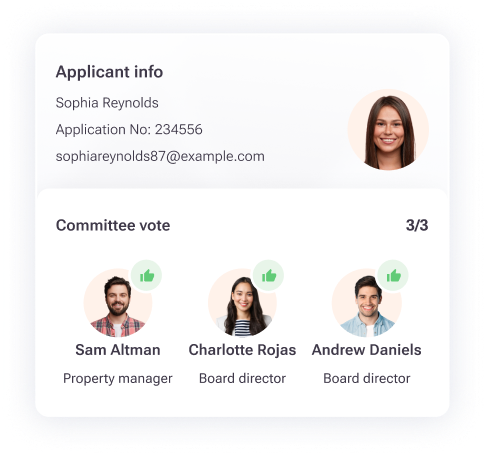
- Board Approval Process: Applications move through established bylaw procedures for final approval.
- HOPA Survey Integration: Communities conduct surveys collecting age information, affidavits, copies of government-issued identification, and self-certification forms signed by residents.
- Record Maintenance: Teams store documentation and complete periodic re-verification as required.
Throughout this process, communities must follow Florida Statute §718.303, which states that declaration, bylaws, and reasonable rules of a condominium association bind owners, tenants, and invitees. This legal framework supports every verification step.
Community Association Managers coordinate the workflow while boards maintain final approval authority. The process depends on consistent enforcement and thorough documentation to maintain HOPA qualification status. See how TenantEvaluation automates the seven-step verification process.
Required Documents and HOPA Compliance Standards
Florida 55+ condo age verification relies on specific documentation standards to satisfy HOPA requirements.
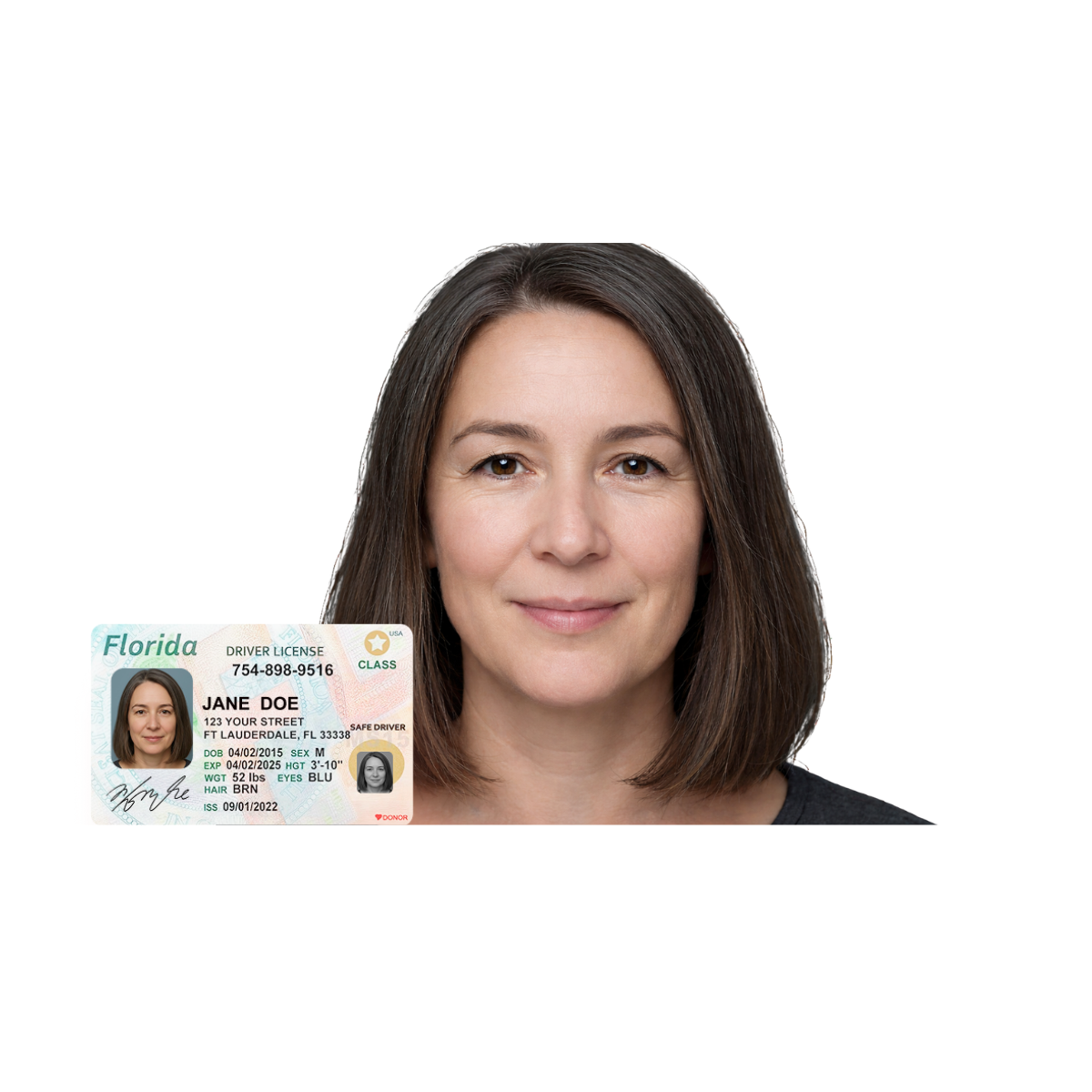
- Government-Issued Photo ID: Driver’s license, state identification card, or passport.
- Birth Certificate: Official government-issued birth documentation.
- Age Affidavit: Signed statements confirming age under penalty of perjury.
- Spouse/Dependent Documentation: Proof supporting qualifying exemptions under HOPA guidelines.
- Military ID: Military identification or other official government documents.
The following table summarizes how each document type supports the verification process and highlights Florida-specific notes that affect daily review work.
| Document Type | Primary Purpose | Florida-Specific Notes |
|---|---|---|
| Driver’s License/State ID | Age and identity verification | Government-issued photo ID |
| Birth Certificate | Official age documentation | Certified copies acceptable |
| Signed Affidavit | Legal age confirmation | Penalty of perjury requirement |
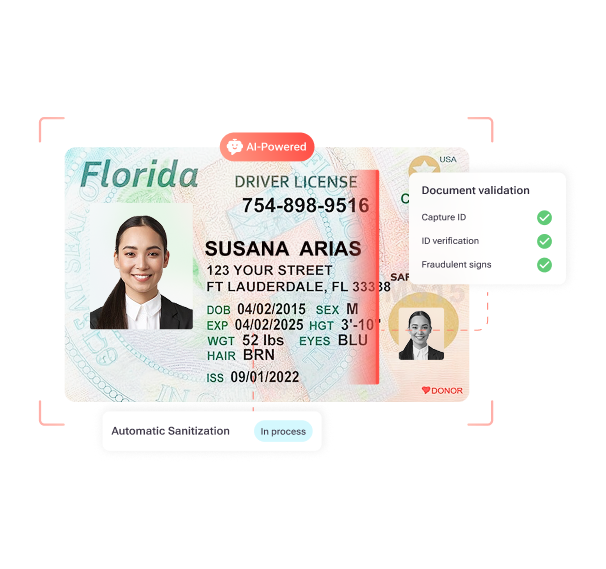
Consistent documentation standards reduce fraud exposure and support audit readiness. Digital identity verification through IDVerify adds biometric confirmation layers that strengthen traditional document review processes. Standardize Florida 55+ condo age verification documents with TenantEvaluation.

Common Age Verification Challenges for Florida CAMs and Boards
Florida CAMs and boards face recurring obstacles when they rely on manual age verification workflows.
- Incomplete Documentation: Missing or expired identification triggers multiple follow-up requests and slows approvals.
- Manual Review Delays: Time-consuming document checks create approval bottlenecks during busy seasons.
- Record-Keeping Gaps: Inconsistent filing systems weaken audit trails and make retrieval difficult.
- Identity Fraud Exposure: Document-only verification leaves communities vulnerable to sophisticated fraud attempts.
- Compliance Audit Risks: Weak documentation packages increase risk during regulatory reviews.
- Revenue Impact: Processing delays affect closing timelines and association income.
Communities experiencing age verification refusals must conduct thorough investigations to confirm compliance with age requirements, which adds significant administrative burden. Best practices focus on moving from manual processes to standardized digital workflows that reduce human error and improve consistency.
However, even with clear documentation requirements, many Florida communities struggle to apply these standards consistently. Manual verification workflows create predictable bottlenecks that weaken both compliance and operational efficiency. Explore how TenantEvaluation removes manual verification delays.
Best Practices and Digital Streamlining for Florida 55+ Communities
Effective age verification relies on coordinated improvements in documentation consistency, workflow automation, and security controls. Each best practice below addresses a specific failure point in manual processes.
- Standardized Document Checklists: Consistent requirements across all applications remove the incomplete documentation issues that delay approvals.
- Digital Submission Portals: Secure online platforms reduce paper handling and create automatic audit trails that paper files cannot match.
- Automated Compliance Tracking: Real-time monitoring of 80/20 rule adherence prevents compliance drift that can trigger HOPA violations.
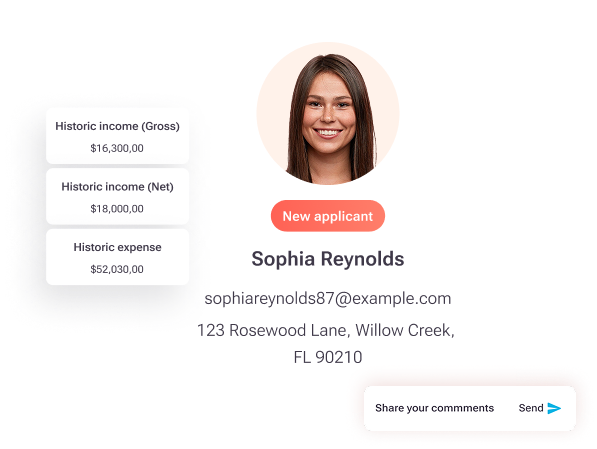
- Board Dashboard Integration: Centralized approval workflows give decision-makers a clear view of pending files and supporting documents.
- Audit Trail Maintenance: Comprehensive digital records support regulatory reviews and simplify internal audits.
- Multi-Factor Authentication: Role-based access controls act as “digital deadbolts” in modern HOA management platforms and protect sensitive identity data.
Communities can assemble these capabilities across several tools, but that approach often creates new silos. TenantEvaluation’s 55+ Communities Verification consolidates all six capabilities into one platform built specifically for Florida’s regulatory environment.
TenantEvaluation as the Integrated Florida 55+ Solution
TenantEvaluation’s 55+ Communities Verification addresses Florida-specific challenges through specialized functionality designed for Community Association Managers and boards. The platform reduces manual work, standardizes application handling, supports documentation consistency, and improves operational efficiency across age-restricted communities. Built specifically for Florida condos and HOAs, the system strengthens internal processes while maintaining FCRA compliance foundations.
Key capabilities include IDVerify biometric fraud prevention, QuickApprove board dashboard functionality, and 70% time savings through automated workflows. This automation efficiency allows the platform to process 100,000+ applications annually across 5,000+ communities, which translates into $150M in revenue for associations while maintaining PCI Level 1 security standards. The 4.8/5 Google rating reflects this combination of speed, security, and revenue impact.
To show how TenantEvaluation’s specialized approach compares to traditional methods, the following table contrasts processing times, Florida-specific features, and fraud prevention capabilities across three verification approaches.
| Solution | Processing Time | Florida 55+ Specialization | Fraud Prevention |
|---|---|---|---|
| TenantEvaluation | up to 14 business days for standard service or 1 business day for Platinum service | High | Biometric IDVerify |
| Manual Process | 5-10 days | None | Document review only |
| Generic Platforms | Several hours | Limited | Basic verification |
See TenantEvaluation in action for your condo buyer age verification process.
Conclusion: Turning Manual Age Checks into a Reliable Digital System
Effective condo buyer age verification processes require systematic documentation, consistent enforcement, and scalable technology solutions that address Florida 55+ community requirements. TenantEvaluation’s specialized platform delivers all three by transforming manual workflows into streamlined digital processes that reduce administrative burden while strengthening compliance capabilities. These improvements translate directly into benefits for Community Association Managers and boards: standardized handling removes documentation inconsistencies, automated workflows improve enforcement consistency, and digital scalability supports long-term community management objectives without proportional staff increases.
Next steps include auditing current verification workflows, identifying digitization opportunities, and implementing comprehensive solutions designed for Florida association requirements. Master your Florida 55+ condo age verification with TenantEvaluation.
Frequently Asked Questions
What documents are required for condo buyer age verification in Florida 55+ communities?
Required documentation includes government-issued photo identification (driver’s license, state ID, or passport), official birth certificates, signed age affidavits under penalty of perjury, and supporting documentation for qualifying exemptions such as spouses under 55 or disabled adult children. Military IDs and other official government documents also qualify for age verification purposes.
What is a HOPA survey and why is it required?
A HOPA survey is the systematic age-information collection described in step 4 of the verification process. It is required under the Housing for Older Persons Act to verify ongoing compliance with the 80/20 rule, so communities periodically confirm that qualifying residents still occupy at least 80% of units.
How does the 80/20 rule work in Florida 55+ condos?
As outlined in the verification process above, the 80/20 rule requires at least 80% of occupied units to have one resident aged 55 or older. The key nuance involves how “occupied” is defined: units count as occupied if actually inhabited or temporarily vacant when the primary occupant lived there during the past year and intends to return periodically. Permanently vacant units are excluded from the calculation, which can help communities maintain compliance during turnover periods.
What are the key differences in Florida versus other states for age verification?
Beyond the standard HOPA requirements that apply nationwide, Florida Statute §718.303, referenced in the process section above, gives condo associations stronger enforcement authority. Violations of age restrictions can result in fines or suspensions. Florida communities must also demonstrate intent to serve older adults through specific policies, services, and physical design features, not just age verification alone.
How does TenantEvaluation help with 55+ community verification?
TenantEvaluation’s 55+ Communities Verification reduces manual work, standardizes application handling, supports documentation consistency, and improves operational efficiency for Florida condos and HOAs. The platform is designed specifically for Community Association Managers and strengthens internal processes through automated workflows, biometric identity verification, and comprehensive audit trails while maintaining FCRA compliance foundations.
