
Key Takeaways for Florida Condo Boards
- Florida condo boards reduce tenant risk with strict leasing rules, FCRA-compliant screening, and biometric ID verification.
- Core safeguards include background checks, insurance requirements, regular inspections, board dashboards, and community analytics.
- Advanced platforms automate workflows, maintain compliance, create audit trails, and turn screening into a revenue source through fee sharing.
- Biometric verification and direct credit bureau access block synthetic identity fraud while cutting processing time by up to 70%.
- TenantEvaluation’s all-in-one platform delivers these 9 steps for Florida associations. Schedule a demo today to secure your community.
1. Set Clear, Enforceable Leasing Rules
Effective tenant risk control starts with detailed leasing rules that match Florida statutes. Condo rental restrictions come from the declaration, bylaws, or board rules and cover leasing allowance, minimum terms, rental caps, and renewal approvals. New rental restrictions may require approval under Fla. Stat. § 718.110(13).
Key leasing rule components include:
- Minimum lease terms and rental caps
- Board approval requirements and clear deadlines
- Waiting periods before new rentals begin
- Equal treatment standards for all owners
- Written denial criteria with specific reasons
TenantEvaluation’s custom setup feature builds your governing documents and screening criteria into the platform. Every application follows your rules while staying compliant with Florida law.
2. Use Full Background and Credit Screening
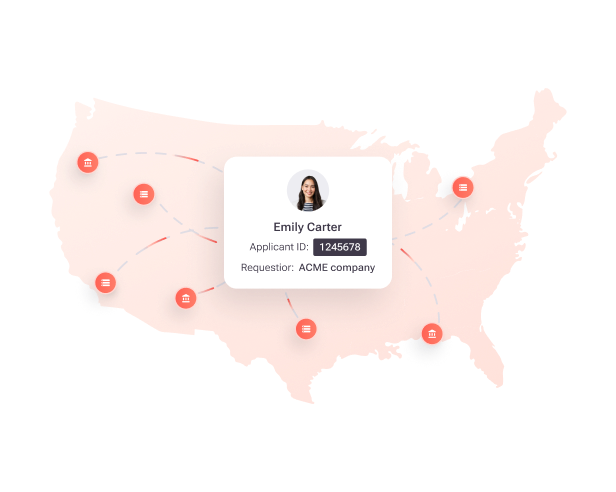
Florida tenant screening must follow the federal Fair Credit Reporting Act (FCRA), which protects tenant credit data and requires notice when credit history causes a denial. Thorough screening covers credit reports, criminal history, rental history, employment verification, and references.
Essential screening components:
- Credit score checks with payment history review
- Criminal background checks using HUD case-by-case guidance
- Eviction history and rental performance records
- Employment and income verification at least 3 times monthly rent
- Previous landlord references and character feedback
TenantEvaluation’s SafeCheck+ solution delivers FCRA-compliant background screening as a direct credit bureau reseller. This structure removes third-party data risks and keeps a complete audit trail for every application.
3. Confirm Identity With Biometric ID Verification
Florida communities face advanced identity fraud that simple document review cannot catch. Identity verification reduces the risk of applicants using stolen identities, so biometric confirmation now plays a central role for condo boards.
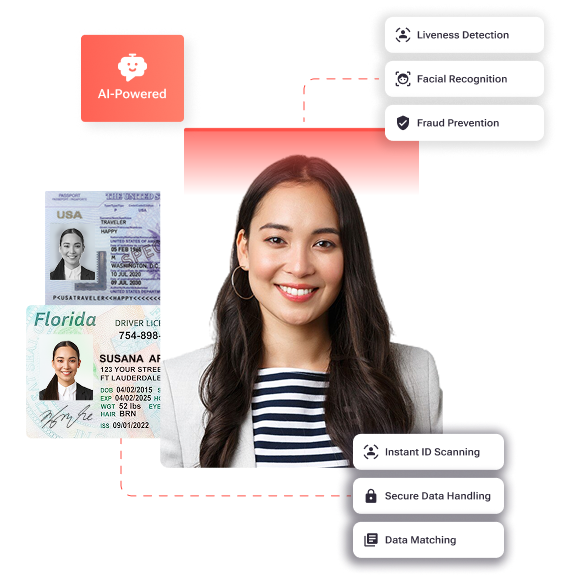
Advanced identity verification includes:
- Authentication of government-issued IDs
- AI-powered liveness detection during capture
- Facial landmark recognition and biometric matching
- Real-time fraud checks during the application
- On-platform verification without external redirects
TenantEvaluation’s IDVerify solution adds automated KYC verification directly into screening. The system confirms identity with biometric facial matching and liveness detection, shifting your community from document review to verified physical identity.
4. Require Strong Insurance From Day One
Clear insurance requirements protect the association from tenant-related liability and property damage. Florida boards should define specific insurance standards for liability, property damage, and directors’ and officers’ protection.
Critical insurance requirements:
- Minimum liability coverage limits
- Coverage for property damage and personal injury
- Directors’ and officers’ liability coverage
- Proof of insurance before move-in
- Annual renewal verification with documented proof
TenantEvaluation collects and verifies insurance documents during the application. The platform blocks approval until coverage is confirmed and stores digital records for audits.
5. Enforce Rules With Regular Inspections
Consistent enforcement keeps small issues from turning into legal disputes or major disruptions. Florida condo boards need a clear inspection schedule and firm protocols for lease violations and unruly behavior.
Effective enforcement strategies include:
- Scheduled property inspections based on lease terms
- Written violation notices with defined cure periods
- Progressive escalation steps for repeat issues
- Nuisance eviction procedures for ongoing violations
- Orientation or education on community standards for new residents
| Feature | TenantEvaluation | Manual Processes | ApplyCheck | Verify Screening |
|---|---|---|---|---|
| Processing Time | 5-10 minutes | 5-10 days | 2-3 days | 2-3 days |
| Automation Level | End-to-end automated | Manual paperwork | Partial automation | Basic automation |
| FCRA Compliance | Built-in foundation | Manual compliance risk | Standard compliance | Standard compliance |
| Fraud Prevention | Biometric IDVerify | Document review only | Document verification | Basic ID checks |
6. Give Boards Real-Time Dashboards
Real-time visibility helps boards make faster, better decisions on applications. Email chains slow approvals and weaken accountability.
Essential dashboard features:
- Live application status tracking
- AI-generated applicant summaries
- Direct voting tools for board members
- Full audit trails with timestamps
- Mobile access for remote reviews
TenantEvaluation’s QuickApprove dashboard lets board members review files, vote, and track every step in one place. The system replaces email back-and-forth and documents each decision.

7. Build FCRA Compliance and Audit Trails In
FCRA rules require secure disposal of credit data and written notice when credit history causes a denial. Florida condo boards face real liability when they lack clear compliance processes.
FCRA compliance essentials:
- Written consent before running any screening
- Adverse action notices for denials or conditional approvals
- Secure handling, storage, and disposal of data
- Complete audit trails for each application
- Regular reviews of policies and legal updates
As a direct TransUnion and Equifax reseller, TenantEvaluation treats FCRA compliance as a core feature. Automated adverse action workflows and built-in audit trails help shield your association from legal exposure.
8. Automate Workflows and Share Screening Revenue
Manual screening consumes staff time and usually produces no income for the association. Automation removes repetitive work and creates a steady revenue stream from application fees.
Revenue-focused automation includes:
- Automatic collection of application fees
- Revenue sharing with management companies
- Removal of manual payment handling
- Lower administrative overhead costs
- Pay-per-application pricing with no subscriptions
TenantEvaluation’s revenue sharing model turns screening into a profit center. The platform collects fees automatically and pays rebates to associations, avoiding upfront costs while generating ongoing income.
9. Use Community Analytics to Track Risk
Data-driven insights help boards manage risk and plan for the future. Modern condo boards benefit from analytics that reveal trends, demographics, and policy impact.
Strategic analytics capabilities:
- Analysis of community demographics
- Tracking of rental and purchase trends
- Identification of risk patterns
- Measurement of policy effectiveness
- Planning data for amenities and services
TenantEvaluation’s reporting tools highlight demographics, resident profiles, and trends. Boards use these insights to adjust policies, plan amenities, and support long-term strategy.
Schedule a demo today to see how community analytics can guide your board’s decisions.
Why Florida Condos Face Higher Tenant Risk
Florida condo associations carry unique risk compared to standard rentals. High-density buildings magnify the impact of one problematic tenant, and shared ownership structures complicate liability.
Vacation and short-term rental markets bring frequent turnover and higher fraud exposure. Limited board resources also make consistent enforcement harder to maintain.
Florida’s diverse tenant base and complex regulations demand tailored screening that generic rental tools rarely deliver. Condo boards must protect owner rights and community safety at the same time, which adds compliance pressure.
How Dysfunctional Boards Increase Tenant Risk
Weak governance and inconsistent screening raise legal and operational risk. Red flags include selective rule enforcement, missing written criteria, slow approvals, and poor documentation.
Boards that rely on manual processes often face more fraud attempts and compliance gaps. Lack of technology also reduces transparency and fuels owner disputes.
Without standardized workflows, applicants experience uneven treatment, and quality residents may look elsewhere. The association then struggles to maintain a stable, responsible community.
Frequently Asked Questions
How do condo boards screen tenants effectively?
Effective screening combines FCRA-compliant background checks, credit review, biometric identity confirmation, and automated workflows. TenantEvaluation offers an all-in-one platform for Florida associations with SafeCheck+ background screening, IDVerify biometric verification, and QuickApprove dashboards.
The platform processes applications in 5 to 10 minutes instead of several days with manual methods. Every file includes full compliance documentation and audit trails.
What is biometric tenant verification?
Biometric tenant verification uses technology to confirm identity through government ID validation, AI liveness checks, and facial matching. This process blocks identity fraud by confirming that the applicant is present and matches the ID.
TenantEvaluation’s IDVerify tool embeds biometric checks directly in the workflow. Applicants stay on the same platform while the system applies multiple fraud safeguards tailored to community associations.
What are Florida’s FCRA rules for tenant screening?
Florida tenant screening must follow federal FCRA rules. Boards must obtain written consent before pulling credit, protect credit data, investigate disputes, and send adverse action notices when credit history affects approval.
Associations also need secure data disposal and reliable audit trails. TenantEvaluation supports these requirements with automated adverse action steps, encrypted data handling, and full documentation for each decision.
What is the best platform for HOA risk mitigation?
TenantEvaluation serves as a leading platform for HOA and condo risk mitigation in Florida. The system centers on FCRA compliance and focuses on community associations.
The platform combines deep screening, biometric identity checks, board dashboards, and automation in one solution. With about 100,000 applications processed each year for more than 5,000 communities and partnerships with firms like RealManage and Castle Group, TenantEvaluation delivers up to 70 percent time savings and notable annual cost reductions.
How should condo boards handle unruly tenants?
Condo boards should rely on written enforcement plans that include regular inspections, documented violation notices, clear cure periods, and step-by-step escalation. Nuisance eviction procedures should apply to persistent offenders.
Prevention usually works better than reaction. TenantEvaluation supports prevention with thorough background screening, biometric identity checks, and analytics that highlight risk before approval, while preserving records for any later enforcement.
Secure Your Florida Community Now
These 9 steps give Florida condo boards a practical framework to cut tenant risk and streamline operations. Each step, from leasing rules to biometric verification, strengthens your overall risk management system.
TenantEvaluation turns manual screening into an automated, compliant, and profitable process. With results such as $240,000 in yearly savings for Florida management companies and more than 100,000 applications processed annually, TenantEvaluation equips modern boards to protect their communities.
Schedule a demo today to see how TenantEvaluation can secure your community and generate revenue from screening.