Written by: Luis Teran, Co-founder, CEO, TenantEvaluation
Key Takeaways for Florida Condo Renters and Boards
- Florida condo rentals require an extra layer of board approval beyond the owner’s consent, governed by each association’s Declaration, Bylaws, and Rules.
- Timelines range from 3–7 days with digital platforms to 15–30 days in self-managed or manual workflows. Incomplete applications are the leading cause of delays.
- A compliant process includes biometric identity verification, FCRA-regulated background and credit screening, documented board votes, and automated adverse-action notices.
- Common pitfalls such as missing documents, identity fraud, and fragmented lease records can be eliminated by using a purpose-built digital platform with intelligent form logic and centralized tracking.
- Associations ready to reduce approval times by up to 70% and strengthen compliance can explore TenantEvaluation’s all-in-one platform at TenantEvaluation.
Core Terms in the Florida Condo Rental Approval Process
Governing Documents are the legal instruments, including the Declaration of Condominium, Bylaws, and Rules and Regulations. They define what screening criteria the association may apply, how long the board has to act, and what fees the association may charge.
Application Package refers to the full set of forms, supporting documents, and fees an applicant must submit before the board can begin its review.
Right of First Refusal (ROFR) is a provision found in some Florida condo declarations that allows the association to step in and lease the unit itself on the same terms the owner negotiated, rather than approve the proposed tenant. Not every association has this provision. Its existence and scope are defined in the declaration.
Board Review Workflow describes the internal sequence of steps, including document verification, background screening, board vote, and written notice, that transforms a submitted application into a formal approval or denial.
How Each Element Shapes Screening, Onboarding, and Risk
Each element above feeds directly into the next in a clear chain. Governing documents set the permissible screening criteria. The application package collects the data needed to evaluate those criteria. The board review workflow applies the criteria and produces a decision. Compliance, particularly under the federal Fair Credit Reporting Act (FCRA), governs how background and credit data are obtained, used, and disclosed throughout that chain.
Manual or inconsistent handling at any link in this chain increases risk. Incomplete files delay decisions. Undocumented votes create audit exposure. Improperly handled credit data generates FCRA liability. Digital platforms that treat compliance as a foundation, not an afterthought, close these gaps in a consistent way.
Florida 2026: Higher Volumes and Stronger Regulatory Pressure
Florida’s population growth continues to drive rental demand across Miami-Dade, Broward, Palm Beach, Hillsborough, Pinellas, Sarasota, Lee, Orange, and Duval counties. Community associations now process more rental applications per year than at any prior point. At the same time, they face heightened scrutiny around data security, identity fraud, and fair-housing compliance. The combination of volume and regulatory pressure has made manual, paper-based approval workflows increasingly untenable. Associations that have not yet migrated to purpose-built digital platforms absorb unnecessary administrative cost and legal exposure.
Typical Timelines for Florida Condo Board Rental Approval
Florida’s Condominium Act (Chapter 718, Florida Statutes) does not prescribe a universal approval deadline for rental applications. The timeline is governed by each association’s declaration and bylaws. In practice, timelines vary significantly:
- Self-managed associations: 15–30 days is common. Delays beyond 30 days occur when documents are incomplete or board meetings are infrequent.
- Professionally managed associations using manual workflows: 10–21 days, depending on management company responsiveness and board availability.
- Professionally managed associations using digital platforms: As few as 3–7 days when applications are complete at submission and the board has a real-time review dashboard.
Incomplete applications remain the single largest driver of delay. When an applicant submits missing documents or an unsigned lease, the clock effectively resets while the manager chases corrections. Platforms with intelligent form logic that reject incomplete submissions at the point of entry remove this bottleneck before it starts.
Associations that want to see how intelligent form logic and a real-time board dashboard work inside their current workflow can explore TenantEvaluation’s platform in action.
7-Step Condo Board Approval Process for Renters
The sequence below reflects standard Florida practice. Individual associations may combine or reorder steps based on their governing documents.
- Obtain the Property Code or Application Instructions. The unit owner or their realtor provides the association’s application portal link or property code. Some associations require the owner to submit a formal notice of intent to lease before the tenant application is accepted.
- Complete the Online Application. The applicant fills out personal, financial, and occupancy information. All adult occupants typically must apply. A fully digital platform allows document upload directly from a mobile device at any time.
- Submit the Application Package. Required documents, listed in the checklist below, are uploaded and application fees are paid electronically. Smart form logic flags missing items before submission and prevents incomplete packages from entering the review queue.
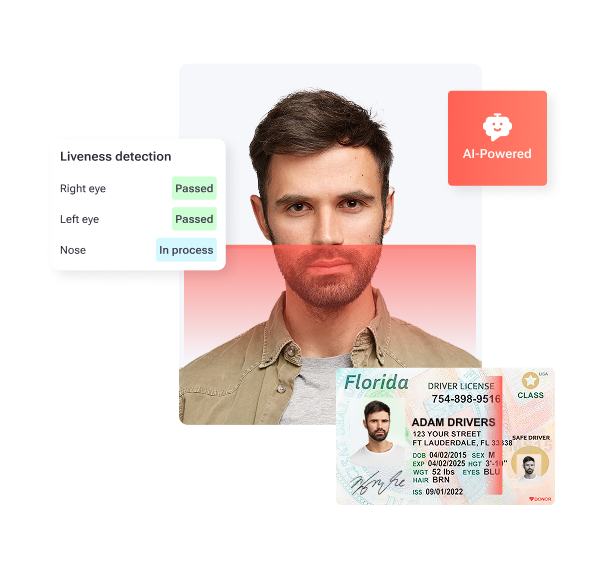
- Identity Verification. The applicant completes biometric identity verification that includes government ID validation, AI-powered liveness detection, and selfie-to-ID biometric comparison. This step confirms physical presence before the file advances to screening. IDVerify performs this step natively inside the platform, with no external portal redirect.
- Background and Credit Screening. The association’s screening criteria, including credit score thresholds, criminal history parameters, eviction records, and income verification, are applied against FCRA-compliant data sourced directly from TransUnion and Equifax. Automated adverse action workflows protect the association from FCRA liability.
- Board Review and Vote. The completed file, including AI-generated applicant summaries, appears in a dedicated review and voting dashboard for board members. QuickApprove accelerates this step by giving boards real-time application tracking and a structured voting workflow inside one connected platform, while preserving board oversight and compliance controls.
- Written Notice and Onboarding. The association issues a formal approval or denial in writing. On approval, a customized approval letter and personalized welcome package are generated. On denial, FCRA-compliant adverse action notices are dispatched automatically. Lease documentation is collected and stored in centralized Lease Tracking, which connects the approved application to an active, audit-ready lease record.
Florida Callout — Right of First Refusal: If the declaration contains a ROFR provision, the association must exercise or waive it within the timeframe specified in the governing documents before the approval is finalized. Failure to act within that window typically constitutes a waiver.
Grounds for Condo Board Rental Rejection in Florida
Florida law permits associations to reject rental applicants when the rejection is based on criteria established in the governing documents and does not violate federal or state fair-housing law. Permissible grounds include failure to meet credit score thresholds, criminal history that falls within the association’s stated screening criteria, incomplete applications, and, where the declaration provides for it, exercise of the Right of First Refusal. Boards may not reject applicants on the basis of race, color, national origin, religion, sex, familial status, disability, or other protected classes under the Fair Housing Act.
Every rejection must be documented. A built-in audit trail that includes timestamped votes, stored screening reports, and automated adverse action notices serves as the association’s primary defense against fair-housing complaints and FCRA claims.
Standard Document Checklist for Florida Condo Board Approval
Requirements vary by association, but the checklist below covers the documents most commonly requested:
- Completed association application form for all adult occupants
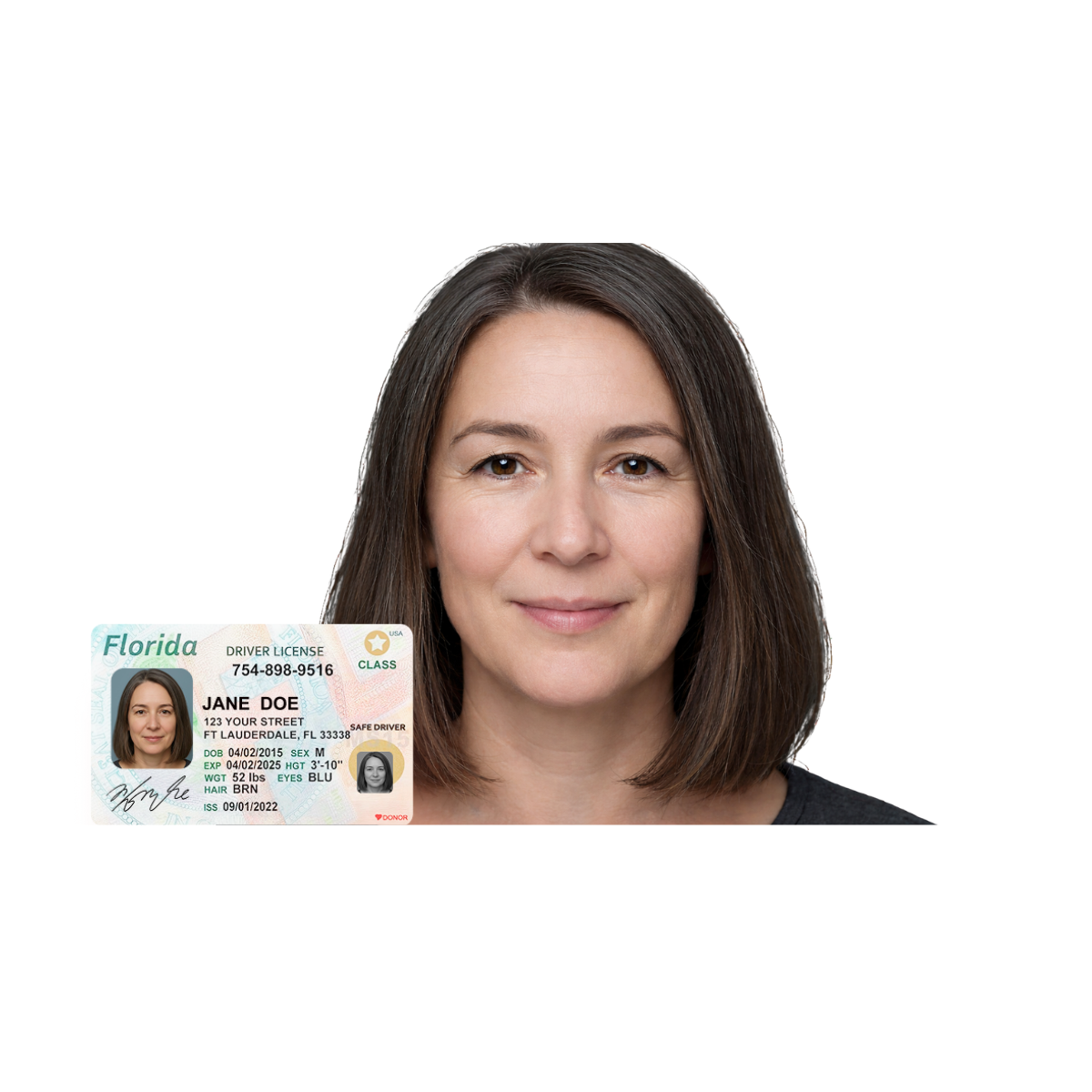
- Government-issued photo ID, such as a driver’s license or passport
- Executed lease agreement signed by owner and tenant
- Proof of income, such as pay stubs, tax returns, or an employer verification letter
- Bank statements, typically covering 2–3 months
- Authorization for background and credit check
- Pet registration and vaccination records, if applicable
- Vehicle registration or registrations
- Application fee and, where required, a move-in or move-out deposit
- References, including prior landlord contact information and any requested personal references
Age-restricted (55+) communities require additional documentation confirming that at least one occupant per unit meets the age threshold. 55+ Communities Verification standardizes this documentation process across applications and reduces manual work while improving documentation consistency for Florida condos and HOAs.
Self-Managed and Professionally Managed Buildings in Florida
In a self-managed association, the board handles application intake, document review, screening coordination, and communication directly. This model is common in smaller communities and often produces longer timelines because board members are volunteers with competing obligations. Inconsistency in document requirements and screening criteria also appears more frequently, which increases fair-housing risk.
In a professionally managed association, a licensed CAM or management company serves as the operational layer between applicants and the board. The CAM collects and reviews documents, coordinates screening, and presents completed files to the board for a vote. Timelines are generally shorter and process consistency is higher, especially when the management company uses a purpose-built digital platform rather than email and spreadsheets.
The gap between these two models narrows significantly when self-managed associations adopt the same digital tools available to large management companies. Platforms designed for community associations, not generic rental markets, give self-managed boards the structure and compliance infrastructure that previously required a professional management contract.
Compliance, Risk, and Governance for Florida Condo Screening
Florida condo associations that conduct background and credit screening are subject to the FCRA regardless of whether they use a management company. Key compliance obligations include obtaining written consent before pulling credit or background data, providing pre-adverse and adverse action notices when a denial is based on screening results, and maintaining a permissible purpose for every data request.
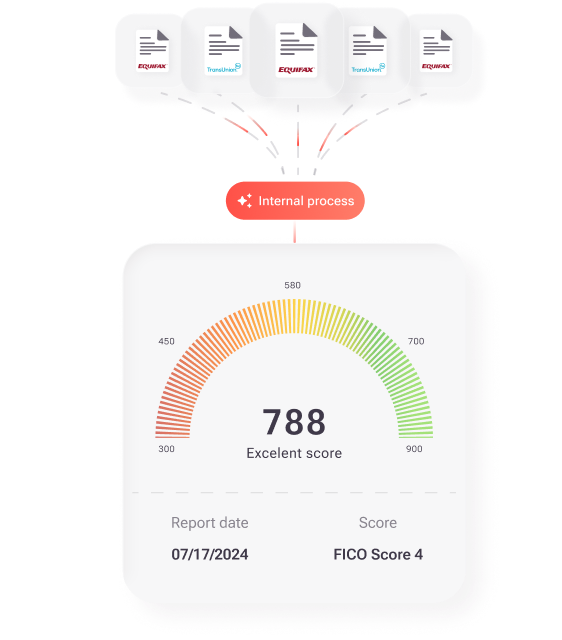
TenantEvaluation is built specifically for community associations and management companies, with FCRA compliance as the foundation, not a bolt-on feature. As a direct reseller of TransUnion and Equifax data, TenantEvaluation accesses credit information under strict bureau rules, with no gray-market or offshore data sources. Automated adverse action workflows, built-in audit trails, and clear separation between data provision by TenantEvaluation and decision-making by the association keep communities protected from liability exposure.
Common Bottlenecks in the Florida Condo Approval Process
Incomplete applications are the most frequent source of delay. Applicants submit unsigned leases, expired IDs, or missing income documentation, which triggers manual follow-up cycles that can add days or weeks to the timeline. Identity fraud is a growing secondary concern. Stolen IDs and synthetic identities that pass document-only review now appear more often in Florida’s high-density condo markets. Board scheduling conflicts create a third bottleneck. When board members must convene physically or coordinate via email to cast votes, decisions stall. Fragmented lease records after approval create ongoing operational risk. Missing or outdated lease copies, manual expiration tracking, and disconnected spreadsheets leave associations with compliance blind spots that surface during audits or disputes.
Best Practices for Faster and More Transparent Approvals
Florida associations can reduce approval cycles and strengthen governance by building a connected system of practices rather than isolated fixes. Start by digitizing the application entirely. Paper forms and email attachments introduce transcription errors and create untracked document versions that a fully online platform with mobile upload capability removes.
Once the process is digital, enforce completeness at submission. Intelligent form logic that rejects incomplete packages before they enter the review queue eliminates the most common source of delay that manual intake often misses. With complete applications in place, add biometric identity verification to close the fraud gap. Moving from document-only review to biometric-confirmed identity, including government ID validation plus AI-powered liveness detection, addresses synthetic identity threats that traditional screening cannot catch.
After identity and completeness are controlled, give the board a dedicated review dashboard. A voting panel with AI-generated applicant summaries and real-time application tracking replaces email chains and speeds decisions while preserving board control. At the same time, automate adverse action workflows so that pre-adverse and adverse action notices generate automatically at the point of denial. This automation protects the association from FCRA claims without adding staff workload.

Finally, connect approvals to lease tracking. Centralized, real-time lease visibility from application to occupancy replaces the spreadsheet-and-inbox model that creates compliance risk after move-in. To see how TenantEvaluation brings these practices together inside a single platform, request a personalized walkthrough for your association.
How to Evaluate Any Condo Approval System
When assessing whether a platform is the right fit for a Florida community association, apply the following framework. The table below maps four critical evaluation criteria to specific features and their compliance impact, and you can use it as a scorecard when comparing platforms.
| Evaluation Criterion | What to Look For | Why It Matters |
|---|---|---|
| FCRA Compliance Architecture | Direct bureau reseller, automated adverse action, built-in audit trails | Protects the association from federal liability |
| Identity Verification Depth | Biometric liveness detection plus government ID validation, not document upload alone | Prevents impersonation and synthetic identity fraud |
| Board Workflow Integration | Dedicated voting dashboard with real-time tracking, not email-based coordination | Accelerates decisions without removing oversight |
| Florida-Specific Configuration | Support for 55+ requirements, ROFR workflows, and Florida statute alignment | Addresses community-specific compliance needs that generic platforms miss |
A platform that scores well across all four criteria and is built exclusively for community associations, rather than adapted from generic rental software, delivers the compliance depth, workflow efficiency, and governance transparency that Florida associations require in 2026.
Frequently Asked Questions
Can a Florida condo association charge an application fee for rental approval?
Yes. Florida law permits community associations to charge application fees, and the amount is typically specified in the governing documents or established by the board within statutory limits. The fee covers the cost of processing the application, including background and credit screening. Some platforms, including TenantEvaluation, operate on a revenue-sharing model where the service fee is deducted from the collected application fee and the remainder is rebated to the association, which can make the process cost-neutral or revenue-generating for the community.
What happens if a condo board does not act on a rental application within the required timeframe?
If the association’s governing documents specify a review period and the board fails to act within it, the outcome depends on the specific terms in those documents. This reality makes timely board action critical. Digital platforms with real-time application tracking and board-ready voting dashboards reduce the risk of missed deadlines by keeping all parties informed of pending items and approaching deadlines throughout the review cycle.
Does the Right of First Refusal apply to all Florida condo associations?
No. The Right of First Refusal is an optional provision that associations may include in their Declaration of Condominium or other governing documents. Not all Florida associations have this provision. When it does exist, the association must exercise it within the timeframe stated in the declaration, or the right is waived for that transaction. Associations should consult their governing documents and legal counsel to determine whether ROFR applies and how it must be administered.
How does FCRA compliance affect the condo board approval process?
The Fair Credit Reporting Act governs how consumer credit and background data are obtained and used in any screening decision, including condo rental approvals. Associations must obtain written authorization from applicants before pulling credit or background reports. They must also issue pre-adverse and adverse action notices, including a copy of the report and a summary of consumer rights, when a denial is based in whole or in part on screening results. Failure to follow these procedures exposes the association to federal claims. Platforms built with FCRA compliance as a structural foundation automate these obligations and maintain the audit trails needed to demonstrate compliance.
What is the difference between a condo board approval and a standard landlord background check?
A standard landlord background check is a bilateral transaction between a property owner and a prospective tenant. A condo board approval is a three-party process. The unit owner, the prospective tenant, and the community association each have distinct roles and rights. The association applies its own screening criteria, independent of the owner’s preferences, and its decision is binding. The association is also subject to FCRA obligations as the entity requesting and using the screening data, which means it carries compliance responsibilities that a private landlord may not fully appreciate. Purpose-built platforms designed for community associations address this distinction directly, while generic tenant screening tools typically do not.
Conclusion: Streamline Your Next Florida Rental Approval
The condo board approval process for renters in Florida follows a structured, multi-step workflow governed by association documents, state statute, and federal compliance law. For renters and realtors, clear visibility into each step, from application package assembly through board vote and lease execution, removes uncertainty and compresses timelines. For CAMs and boards, replacing manual workflows with a purpose-built digital platform provides a direct path to faster approvals, stronger compliance, and lower operational risk.
With a proven track record across thousands of Florida communities, detailed in the Key Takeaways above, TenantEvaluation’s all-in-one platform covers every stage of the approval lifecycle. The platform includes intelligent application intake, biometric identity verification via IDVerify, FCRA-compliant screening, accelerated board review through QuickApprove, standardized age-restricted documentation via 55+ Communities Verification, and centralized lease lifecycle control through Lease Tracking, all inside one connected, audit-ready platform built specifically for Florida community associations.
Take the next step toward faster, more transparent, and fully compliant rental approvals and book your platform demo now.
