
Key Takeaways
- Condo associations in Florida face rising costs and resistance to higher dues, so non-dues revenue now plays a central role in long-term financial stability.
- Specialized software turns application fees, amenities, parking, and storage into predictable income by automating billing, tracking, and reporting.
- Data and analytics from these platforms help boards price amenities, evaluate investments, and identify new services residents are willing to pay for.
- Integrated compliance, screening, and reserve-fund tools allow boards to grow revenue while staying aligned with Florida regulations and governance rules.
- Tenant Evaluation offers a revenue-sharing screening model and end-to-end onboarding tools that help associations increase income without adding staff time; schedule a demo to see how it works in your community.
The Challenge: Diversifying Beyond Traditional Revenue Streams
Most condo associations still depend on monthly or quarterly assessments as their primary revenue source. These dues often no longer cover higher maintenance costs, insurance premiums, and capital projects, especially when owners resist increases.
Manual processes make the gap wider. Staff members lose hours on paper applications, fee collection, and amenity reservations. Delays, incomplete submissions, and missed payments reduce cash flow and hide revenue potential.
Specialized software gives boards a way to diversify income without adding headcount. Digital tools automate collections, surface new fee opportunities, and provide clear reporting so board members can make decisions based on current data instead of guesswork.
7 Ways Condo Associations Can Boost Revenue with Dedicated Software
1. Streamline Application Fees and Onboarding for Consistent Income
Clear, automated application workflows protect one of the most reliable non-dues revenue sources. Paper forms and email chains often lead to missing documents, delayed approvals, and application fees that fall through the cracks.
Digital application platforms require all documents and payments at the time of submission. Intelligent forms validate data, block incomplete applications, and route each file to the right reviewers. One Florida management company documented $240,000 in annual savings after moving to an automated system, with faster processing and better fee capture.
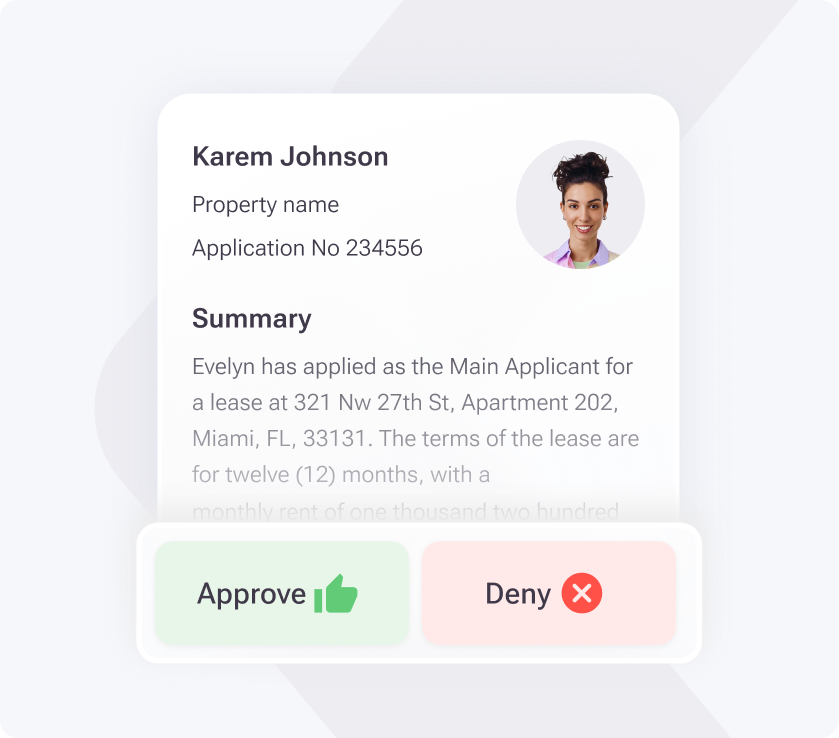
Real-time tracking keeps managers, board members, and applicants informed through status dashboards and automated notifications. Fewer phone calls and email follow-ups mean staff can handle more applications without overtime.
2. Monetize Amenities Through Automated Booking and Fee Management
Efficient amenity booking systems turn clubhouses, guest suites, courts, and pools into consistent revenue. Paper calendars and cash payments often cause double bookings, unpaid reservations, and facilities that sit empty during prime times.
Online booking tools let residents see availability, reserve instantly, and pay in one place. Amenity rentals such as clubhouses and pools already provide common revenue streams for many associations, and software increases that return through features like:
- Dynamic pricing for weekends, holidays, and peak hours
- Automated confirmations and reminders
- Deposit tracking and damage documentation
- Usage reports that show which amenities earn the most
Dedicated EV charging stations also generate predictable usage-based fees when software tracks consumption and bills residents automatically.
3. Optimize Parking, Storage, and Locker Rentals with Digital Management
Parking spaces, storage rooms, and lockers are limited resources that often sit underpriced or unused. Handwritten lists and manual billing make it hard to track occupancy, collect fees on time, and enforce rules consistently.
Associations that fully monetize parking and storage often unlock a major non-dues revenue source. Modern software supports that shift by:
- Maintaining a live inventory of every rentable space
- Automating waiting lists and notifications when spots open
- Applying tiered pricing for premium locations
- Invoicing and following up on late payments automatically
Occupancy reports help boards identify underused areas that could be converted into additional storage or parking, increasing both resident satisfaction and income.
Request a Tenant Evaluation walkthrough to see how digital inventory and billing tools support these rentals alongside applications and screenings.
4. Implement a Revenue Sharing Model for Resident Screening Services
Resident screening is essential for protecting the community, yet it often appears as a pure expense on the budget. Revenue-sharing models change that picture by directing a portion of application fees back to the association.
Tenant Evaluation highlights a model where its fee is taken from the applicant’s payment and the remaining amount is returned to the association. The association avoids upfront costs and earns income from every completed application.

Comprehensive checks such as credit, criminal history, income verification, and references support higher but justified application fees. That structure strengthens screening quality and increases pass-through revenue at the same time.
5. Leverage Community Analytics for Informed Revenue Opportunities
Accurate data on residents and usage patterns helps boards choose revenue projects that fit their community. Many associations rely on anecdotal feedback, which can delay or derail good ideas.
Platforms that track demographics, pet ownership, vehicle types, and lifestyle data make it easier to evaluate projects such as EV chargers or enhanced pet amenities. When paired with analytics dashboards, boards can:
- See ratios of owners to renters and adjust policies and fees
- Match amenities to age and income profiles
- Identify peak seasons for move-ins and adjust application pricing
- Compare amenity offerings with nearby communities to stay competitive
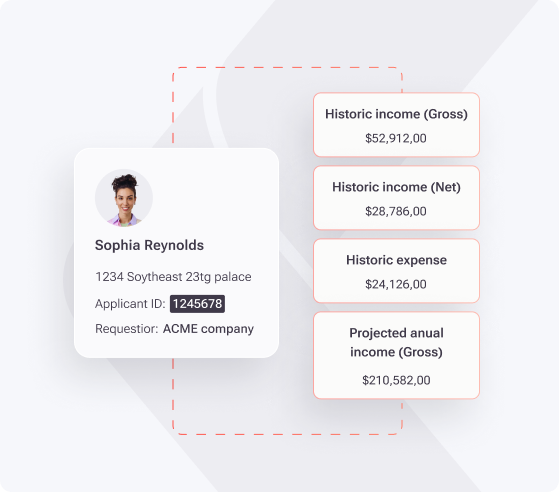
These insights reduce guesswork and direct investment toward projects most likely to pay for themselves through new or higher fees.
6. Use Smart Investment Management for Reserve Funds and Capital Improvements
Reserve funds now play a more active role in association finances. Florida’s 2026 rules allow boards to invest reserve funds without an owner vote, as long as they follow specific safeguards. That flexibility can add meaningful income when guided by clear policies.
Financial management software tracks certificates of deposit, depository accounts, and other permitted vehicles in one place. Tools that monitor reserve fund investments, returns, and compliance help boards meet their fiduciary duties while capturing interest and dividends as supplemental revenue.
Capital planning modules can also model payback periods for projects such as solar arrays, EV charging banks, or rentable workspaces, showing when these investments begin to generate net income.
7. Unlock Non-Dues Income with Broadband Deals and Local Advertisements
Partnerships with service providers and local businesses can produce recurring funds with limited additional workload. Software helps manage these relationships and document their impact.
Bulk or preferred broadband arrangements can lead to compensation for the association while giving residents predictable pricing. Digital tools support resident surveys, proposal comparisons, and contract tracking so boards negotiate from a strong position.
Large communities often add revenue through newsletter advertising or event sponsorships from nearby businesses. Software can schedule placements, manage artwork, and invoice sponsors, turning what used to be an informal process into a steady line item.
Frequently Asked Questions About Condo Association Revenue Generation Software
How can software help associations comply with Florida-specific regulations while generating revenue?
Platforms built for Florida associations embed rules tied to FCRA, data privacy, and condo governance into their workflows. Automated disclosures, document retention, and audit trails reduce the risk of noncompliance as the association collects application fees, runs screenings, and manages contracts.
Can software reduce the administrative burden associated with revenue generation?
Well-designed systems decrease manual data entry, paper handling, and status tracking. Automated payments, notifications, and document checks free staff to focus on resident service and board support instead of routine processing.
Is it possible to generate revenue from application fees without increasing costs to the association?
Revenue-sharing screening models make this possible. Applicants pay a single fee, the vendor retains its portion, and the remaining amount goes back to the association. The community receives full screening services while shifting from a cost structure to a net-positive model.
How does software provide transparency to the Board of Directors regarding revenue streams?
Board dashboards show application volume, collected fees, amenity income, and reserve-fund earnings in real time. Members can download reports, review audit logs, and see how policy changes affect revenue without relying on manual spreadsheets.
What types of new revenue streams can software help identify and implement?
Analytics highlight opportunities such as premium parking, storage rentals, pet-related services, concierge offerings, and seasonal pricing for amenities. Vendor and contract modules also make it easier to manage broadband deals, sponsorships, and other partnership-based income.
Conclusion: Building a More Resilient Financial Plan in 2026
Condo associations that add specialized software to their toolkit in 2026 gain more control over both expenses and income. Automated onboarding, amenity management, screening, analytics, and investment tracking work together to increase non-dues revenue while protecting compliance and transparency.
Schedule a Tenant Evaluation demo to see how these capabilities can support your board’s goals, reduce staff workload, and strengthen your community’s financial position for the years ahead.