Written by: Luis Teran, Co-founder, CEO, TenantEvaluation
Key Takeaways for Florida Condo Approvals
- Florida condo boards face recurring delays from incomplete applications and manual review processes that lack real-time visibility.
- Approval timelines typically range from 15 to 45 days, and incomplete files or 2026 regulatory changes can extend those windows.
- Boards may reject applicants when grounds are supported by governing documents, but inconsistent or undocumented decisions create liability exposure.
- Renovation approvals require architectural plans, contractor credentials, and board votes, with specific statutory carve-outs for hurricane protection and EV charging stations.
- See how TenantEvaluation replaces fragmented workflows with a single, auditable platform that accelerates every approval type.
Florida Condo Association Board Approval Timeline
Florida law does not establish a single statewide deadline for condo association approval of buyers or tenants. Each building’s written procedures in its governing documents control timing. In practice, approvals usually take 15 to 45 days from the date a complete application is received, with financed buyer transactions commonly taking 30 to 45 days when HOA documents or lender questionnaires extend the process.
Several statutory deadlines apply within the broader transfer process. Under Section 718.503, Florida Statutes, a buyer has 15 days after receiving the required condominium documents to cancel a purchase contract, and this period cannot be waived. Estoppel certificates must be delivered within 10 business days and remain valid for 30 days, with expedited delivery available within three business days for an additional fee.
Starting August 3, 2026, Fannie Mae and Freddie Mac will eliminate the limited review condo sales process. Nearly all condo sales will require full underwriting review. Boards and managers will face higher documentation and coordination demands, which will lengthen transaction timelines for communities that are not operationally prepared.
Incomplete applications are the single largest driver of timeline extensions. When documents are missing, the review clock effectively pauses while managers chase applicants and realtors for corrections. QuickApprove addresses this directly through real-time application tracking, automated communication support, and smart form logic that rejects incomplete submissions before they enter the review queue. This keeps applications moving without manual follow-up.

Buyer and Tenant Rejection Authority for Florida Condo Boards
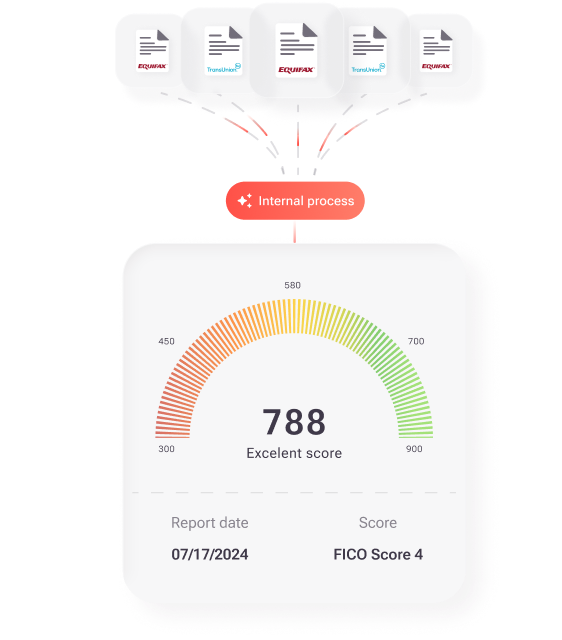
Florida condo boards may reject a buyer or tenant application when the grounds for rejection are supported by the association’s governing documents and applied consistently. Governing documents may contain restrictions on pets, vehicles, parking, rentals, noise, flooring requirements, and investor limits that serve as legal grounds for rejection. Common rejection grounds include failure to meet credit score thresholds, incomplete background check results, unresolved criminal history, failure to attend a required board interview, or non-compliance with rental cap limits already in effect for consenting owners.
Some Florida condo declarations also grant the association or other unit owners a right of first refusal to match the purchase price and acquire the unit, which can prevent a sale to the original buyer if exercised. When this right exists, the association must exercise it within the timeframe specified in the governing documents.
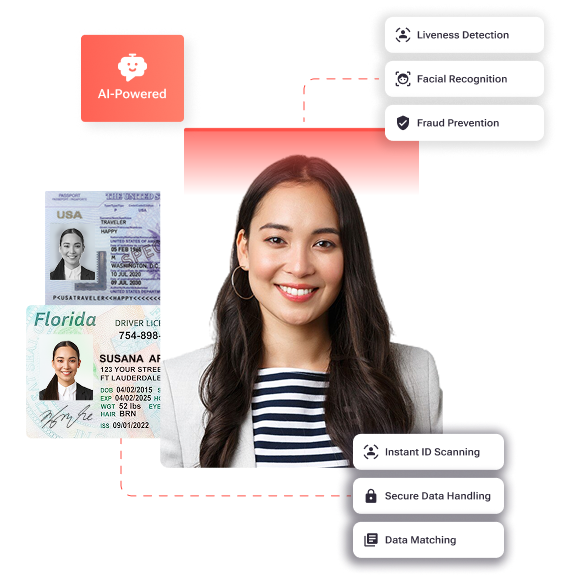
Beyond these structural mechanisms, boards must also manage the liability risk that comes with discretionary rejection decisions. Boards face liability exposure when rejection decisions are inconsistent, undocumented, or appear arbitrary. Rental caps must be applied consistently and uniformly, supported by proper records demonstrating nondiscriminatory enforcement. Identity fraud risk compounds this exposure because traditional document-based screening cannot reliably confirm that the person submitting an application is the person named in the documents.
IDVerify addresses both problems. It embeds biometric identity verification, including government ID validation, AI-powered liveness detection, and selfie-to-ID biometric comparison, directly inside the TenantEvaluation screening workflow. Every verification result is timestamped and auditable. Boards gain a documented, consistent basis for approval decisions and reduce liability exposure before residents enter the community.
Condo Board Approval Rules for Renovations and Alterations
Architectural modification approvals in Florida condominiums are governed by Florida Statute 718.113(2)(a), which prohibits material alterations or substantial additions to common elements except as provided in the declaration. When the declaration does not specify an approval procedure, 75 percent of the total voting interests of the association must approve before alterations or additions commence.
Standard renovation submissions typically require architectural plans or drawings, contractor licensing and insurance documentation, a description of materials and scope, and a timeline for completion. Boards reviewing these submissions must verify that the proposed work does not affect structural elements, common areas, or neighboring units without proper authorization.
Two statutory carve-outs reduce the approval burden in specific scenarios. Hurricane protection installed in accordance with board-adopted specifications that comply with applicable building codes is not considered a material alteration. In addition, no declaration or restrictive covenant may prevent a unit owner from installing an electric vehicle charging station within the boundaries of the owner’s limited common element or exclusively designated parking area. Under HB 293 (signed May 29, 2024), once an HOA adopts hurricane protection specifications, it cannot deny an application that meets those specifications, although it may require adherence to external appearance guidelines.
TenantEvaluation’s document collection and board voting dashboard keep every renovation submission organized and auditable. Required plans, contractor credentials, and supporting materials are collected digitally, which prevents missing files. Board votes are timestamped and stored in one place, so communities avoid the email chains and spreadsheet tracking that create gaps in the audit record.
Sales, Leasing, and Governance Decision Workflows
Sales Transfer Approval Steps
- Seller or buyer’s agent initiates the application through the association’s designated process.
- Buyer submits a completed application including personal and financial information, government-issued ID, executed purchase contract, and authorization for background and credit checks. Many Florida condo associations also require a board interview.
- Seller provides required statutory disclosures: declaration of condominium, articles of incorporation, bylaws and rules, annual financial statement and budget, milestone inspection summary if applicable, structural integrity reserve study or statement that none has been completed, turnover inspection report if performed on or after July 1, 2023, and the FAQ document.
- Association reviews the application, conducts screening, and schedules a board vote.
- Board approves or denies. Under Section 718.112(2)(k), Florida Statutes, the maximum transfer approval fee a Florida condominium association may charge is $150 per applicant, subject to periodic CPI-based adjustments calculated and published by DBPR, with spouses or a parent and dependent child counted as one applicant.
Lease Approval Steps
- Unit owner or prospective tenant submits a written application including occupant list, pet information, income and employment details, rental history, credit report authorization, government-issued ID, executed lease, and vehicle information.
- Association screens the application according to criteria in the governing documents.
- Board reviews and votes. A security deposit of up to one month’s rent may be collected from the tenant if authorized by governing documents.
- Association issues the approval letter and welcome materials.
Board Governance and Voting Requirements
Florida condominium associations with more than 10 units must hold board meetings at least once per quarter, with agendas that allow unit owners to speak on agenda items. When a contract is scheduled for board approval, a copy must be provided with the meeting notice. Boards must honor a unit owner’s request to vote electronically unless the owner formally opts out.
Common Bottlenecks in Condo Association Board Approval
The most consistent operational problems in Florida condo association board approval workflows fall into four categories.
Missing or incomplete documents. A complete application package moves through review faster than incomplete files, which stall while associations await missing items or clarifications. Manual intake processes have no mechanism to enforce completeness before a file enters the review queue.
Identity fraud risk. Traditional screening relies on document uploads that cannot confirm physical presence or prevent impersonation. This vulnerability is why CAI recommends using digital platforms for record sharing as part of addressing operational gaps in community association management.
Lack of board visibility. When applications live in email threads and spreadsheets, board members have no real-time view of what requires a decision. This lack of visibility creates delays during peak seasons and in communities with complex onboarding requirements.
Inconsistent record-keeping. The consistent enforcement standard for rental caps described earlier requires proper record-keeping that manual processes cannot reliably maintain. Manual workflows make it difficult to track decisions across a portfolio and to demonstrate nondiscriminatory enforcement.
Effective January 1, 2026, Florida condominium associations with 25 or more units must operate a password-protected website or secure member portal that provides access to governing documents, budgets, financial reports, meeting notices, agendas, minutes, active contracts, vendor bids, structural integrity inspection reports, and reserve studies. Manual workflows are structurally incompatible with this requirement.
How TenantEvaluation Streamlines Condo Association Board Approval
TenantEvaluation is a platform built specifically for Florida community associations and management companies, with FCRA compliance as the foundation rather than an add-on. Founded in 2007, TenantEvaluation has processed more than 100,000 applications annually across over 5,000 communities and generated $150 million for those communities through its revenue-sharing model.
The comparison below shows what manual workflows cost communities versus what TenantEvaluation delivers.
| Dimension | Manual Email/Spreadsheet Workflow | TenantEvaluation |
|---|---|---|
| Speed | Buyer approval typically takes 2–4 weeks, with financed closings often extending over multiple weeks when documents are delayed. | Application processing in 5–10 minutes, with approval cycles reduced by up to 70 percent through automated workflows. |
| Visibility | Application status lives in email threads, and boards have no real-time view of pending decisions. | QuickApprove provides real-time application tracking and a board-ready voting dashboard inside one connected platform. |
| Fraud Prevention | Document-based review only, with no biometric confirmation and manual oversight required to catch fraud. | IDVerify delivers government ID validation, AI liveness detection, and biometric selfie-to-ID comparison natively inside the workflow. |
| Audit Trail | Records spread across email, PDFs, and spreadsheets, which makes them difficult to produce on demand. | Every action is timestamped and auditable, with built-in adverse action workflows, PCI Level 1 compliance, end-to-end encryption, and automatic PII redaction. |
QuickApprove is TenantEvaluation’s accelerated approval workflow for CAMs, boards, and property management teams. It replaces email chains and spreadsheets with real-time application tracking, automated communication support, customized approval letters, and a personalized welcome package inside one connected platform. Communities keep control, compliance, and visibility while handling high-volume seasons and complex onboarding requirements.
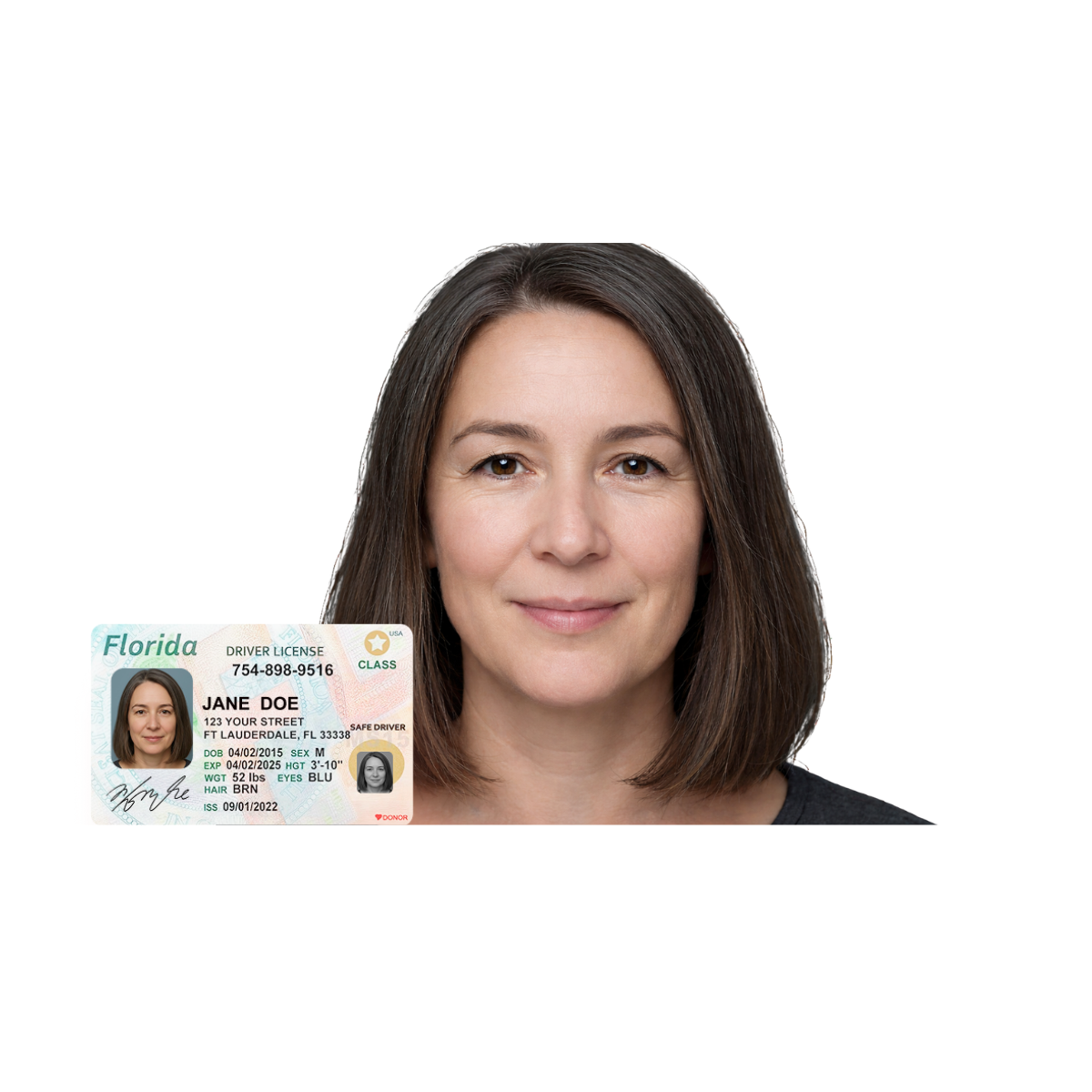
IDVerify moves communities from document-based validation to biometric-confirmed identity verification. It runs natively inside TenantEvaluation, without external portals or workflow disruption, and delivers ID authenticity confirmation, liveness verification status, biometric match results, and a redacted ID copy for compliance documentation, all embedded in the screening report.
55+ Communities Verification standardizes how age-restricted application requirements are handled across applications for Florida condos and HOAs. It reduces manual work, improves documentation consistency, strengthens internal processes, and supports operational efficiency for CAMs and boards managing age-restricted communities.
Request a walkthrough to see these workflows in action and understand how TenantEvaluation replaces fragmented tools with a single board-ready digital workflow.
Frequently Asked Questions
What documents are required for condo association board approval in Florida?
Required documents vary by approval type and governing documents, but standard packages for sales transfers include a completed application with personal and financial information, government-issued photo ID, executed purchase contract, background and credit check authorization, and payment of the transfer approval fee, which follows the statutory $150 cap described in the Sales Transfer Approval section above. The seller must also provide the buyer with the declaration of condominium, articles of incorporation, bylaws and rules, most recent annual financial statement and budget, milestone inspection summary if applicable, structural integrity reserve study or a statement that none has been completed, the turnover inspection report if performed on or after July 1, 2023, and the FAQ document. For lease approvals, associations typically require a written application, occupant list, pet information, income and employment verification, rental history, credit report authorization, executed lease, and vehicle information. Renovation submissions generally require architectural plans, contractor licensing and insurance documentation, a materials description, and a project timeline. TenantEvaluation’s smart form logic enforces document completeness before any application enters the review queue, which eliminates incomplete submissions that stall the process.
How long does condo association board approval take under Florida law?
Florida law does not mandate a specific approval deadline, so each association’s governing documents control timing. Most buyer approvals take 2 to 4 weeks for complete applications, although financed transactions and upcoming 2026 regulatory changes can extend this window. See the Condo Association Board Approval Timeline section above for full details.
Can a Florida condo board reject a tenant application?
A Florida condo board may reject a tenant application when the grounds for rejection are supported by the association’s governing documents and applied consistently and uniformly. Common grounds include failure to meet credit score thresholds, unresolved criminal history, incomplete documentation, non-compliance with rental cap limits, or failure to meet minimum lease term requirements. Boards must maintain proper records demonstrating nondiscriminatory enforcement to defend any rejection decision. Arbitrary or inconsistently applied rejections create liability exposure. TenantEvaluation supports defensible rejection decisions by standardizing the screening process, maintaining a complete audit trail for every application, and adding IDVerify biometric identity verification to confirm that applicants are who they claim to be before a decision is made.
What is the maximum transfer approval fee a condo association may charge?
Under Section 718.112(2)(k), Florida Statutes, the maximum transfer approval fee a Florida condominium association may charge is $150 per applicant, subject to periodic CPI-based adjustments calculated and published by DBPR. A husband and wife, or a parent and dependent child, are treated as a single applicant for fee purposes. This fee may only be charged if the authority to require approval and collect the fee is expressly contained in the declaration, articles of incorporation, or bylaws. The fee must be used solely for screening and transfer approval purposes and may not be applied to capital contributions or other association expenses. Associations that charge fees without governing document authorization or that exceed the statutory cap face compliance exposure. TenantEvaluation’s automated fee collection enforces these limits within the platform and supports the association’s revenue-sharing model without requiring manual payment processing.
Conclusion: Modernizing Florida Condo Board Approvals
Manual condo association board approval processes create measurable costs for Florida communities, including delayed closings, compliance exposure under Chapter 718, identity fraud risk, and board decisions made without adequate visibility or documentation. The 2026 regulatory environment, which includes new website requirements for associations with 25 or more units, updated Fannie Mae and Freddie Mac underwriting standards, and expanded flood disclosure obligations, increases the operational demands on CAMs and boards that have not modernized their workflows.
TenantEvaluation replaces disconnected email chains, spreadsheets, and manual document reviews with a single connected platform built specifically for Florida community associations. QuickApprove delivers faster, clearer, and more consistent approvals without removing board oversight or compliance controls. IDVerify+ moves communities from document-based screening to biometric-confirmed identity verification. 55+ Communities Verification standardizes age-restricted application handling across Florida condos and HOAs. Every action is auditable, every workflow is FCRA-compliant, and every approval is board-ready.
Talk to our team about modernizing your approval process so your community gains faster decisions, stronger fraud prevention, and full operational control in one platform.
