Written by: Luis Teran, Co-founder, CEO, TenantEvaluation
Key Takeaways
- Standard Florida condo association approvals take 2–6 weeks. Incomplete applications and monthly board meetings often extend that timeline.
- Cash purchases can clear in 3–7 days when applications are complete and processed through an automated workflow. Financed deals add lender reviews and estoppel requirements.
- The most common delays stem from missing documents, seasonal volume spikes, and lack of real-time visibility for boards and managers.
- Automation tools like TenantEvaluation’s QuickApprove platform cut approval cycles by up to 70 percent by handling intake, screening, and board review in one FCRA-compliant system.
- Ready to shorten your next Florida condo closing? Get started with TenantEvaluation today.
Florida Condo Association Approval Timeline: Four Core Phases
The condo association buyer approval process in a typical Florida condo sale takes 2 to 4 weeks under normal conditions, though complex transactions or disorganized associations can extend that to 6 weeks or more. The process breaks into four recognizable phases:
| Phase | Typical Duration | Key Activities | Common Bottleneck |
|---|---|---|---|
| 1. Application & Document Gathering | 1–2 weeks | Submission of personal/financial info, executed lease or purchase contract, valid ID, background authorization, application fee | Incomplete submissions trigger repeated document requests |
| 2. Background Check & Processing | 1–2 weeks | Credit check, criminal background screening, income verification, ID validation | Manual review queues, third-party processing delays |
| 3. Board Review & Interview | Few days to 2 weeks | Board meeting, applicant interview (if required), vote, approval or denial letter | Monthly board meeting cycles, lack of quorum |
| 4. Fast-Tracked / Cash Purchase | 3–7 days | Streamlined review without lender coordination, estoppel certificate requested in parallel | Estoppel certificate delays (10-day statutory deadline) |
Many Florida associations hold board meetings only once per month. An application submitted the day after a meeting can sit untouched for nearly four weeks before a vote occurs. One Florida realtor summarized the experience clearly: “The paperwork is ready in days, it is the waiting for the board that kills the timeline.”
Cash vs. Financed Purchases and Their Timelines
Cash purchases move faster through the association approval process because they eliminate lender-driven requirements. A well-prepared cash buyer can receive board approval in as few as 3–7 days when the association uses an automated workflow and the application is complete on submission.
Financed purchases introduce additional layers. Lenders require estoppel certificates and also conduct their own project review. As of August 3, 2026, Fannie Mae and Freddie Mac eliminated the Limited Review process for established condominium projects. Every financed transaction now requires a Full Review or qualifying Waiver of Project Review. That change adds scrutiny to financial and governance compliance and can extend lender-side timelines independent of the association’s own process.
For financed buyers, the practical timeline is 3–6 weeks when everything proceeds smoothly. Timelines run longer when lender and association reviews do not move in parallel.
What Typically Delays Condo Board Approvals
Several recurring factors account for most approval delays in Florida condo communities:
- Incomplete submissions. Many applicants in HOA communities face delays or extra costs due to non-compliance or incomplete applications. Missing a single document restarts the review clock.
- Monthly board meeting cycles. Boards that meet only once per month can create multi-week waiting periods if an application is submitted immediately after a meeting.
- Seasonal volume spikes. Seasonal spikes in application volume slow review times when many owners submit simultaneously. Florida’s peak buying seasons in winter and spring amplify this effect.
- Repeated document requests. Some Florida condo associations delay processing by repeatedly asking for more documents instead of issuing a formal approval or denial.
- Missing resale documents. HOA resale packages typically take five to 15 days to receive, and delayed or missing documents can stall a closing or give buyers the right to cancel.
- Post-Surfside regulatory complexity. Post-Surfside Florida condo-law reforms have increased reserve expectations and building obligations, causing associations to become more procedural about transfers.
Document Checklist to Prevent Rejection
Submitting a complete package on the first attempt is the single most effective way to compress the approval timeline. The following checklist aligns with TenantEvaluation’s automated intake workflow:

- Executed purchase contract or lease agreement
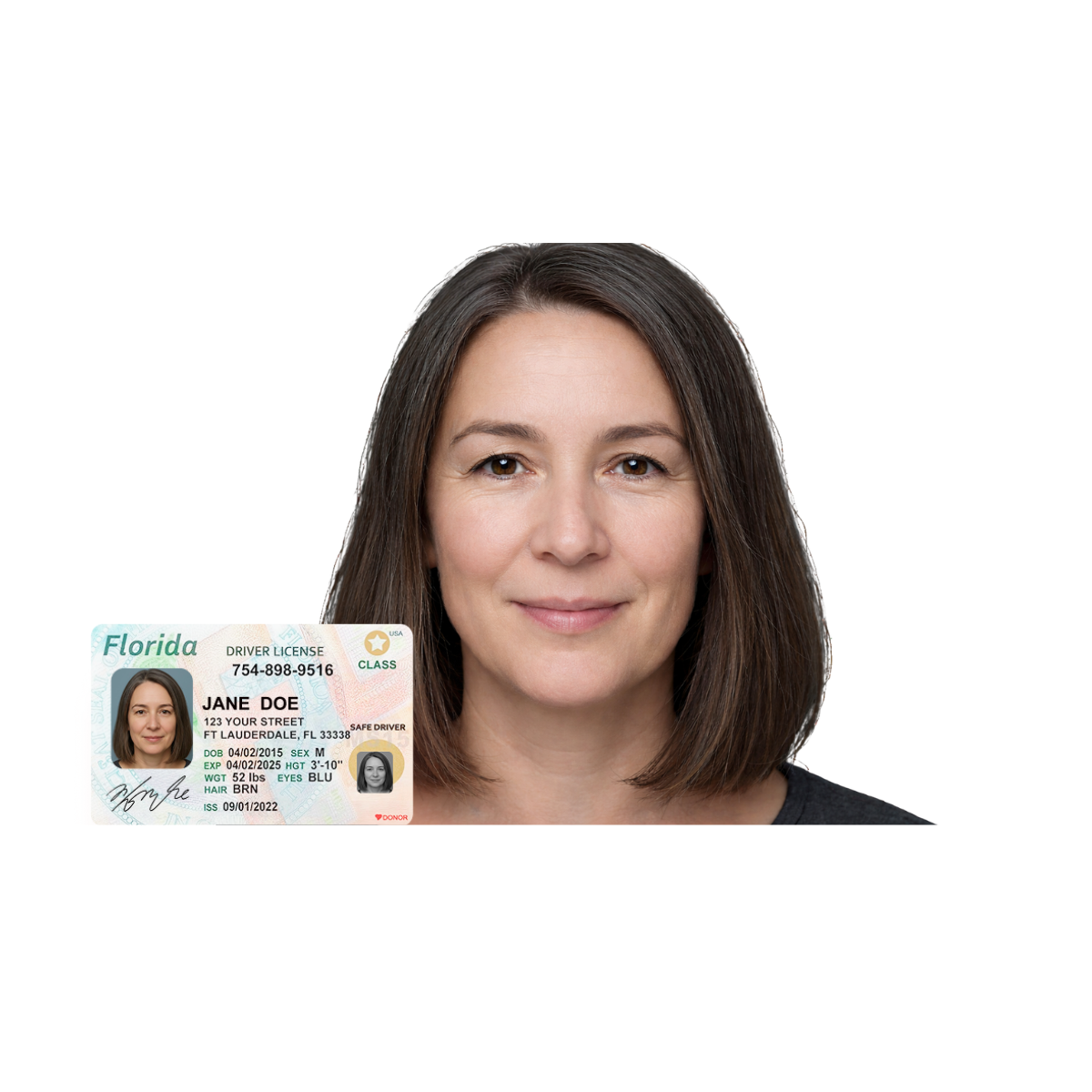
- Government-issued photo ID (validated via IDVerify+ biometric verification)
- Signed background check and credit authorization
- Proof of income or financial statements
- Estoppel certificate request (initiated in parallel; Florida law caps the estoppel certificate fee at $299 for owners current on assessments, with expedited delivery available for an additional $119)
- Application fee payment (The application fee is capped at $150 per applicant, as adjusted every five years for inflation under the Consumer Price Index and published by DBPR, pursuant to Florida Statute 718.112(2)(k))
- Pet documentation, vehicle registration, or other community-specific requirements
- Age-eligibility documentation for 55+ Communities Verification where applicable
TenantEvaluation’s intelligent form logic automatically checks for each required item and rejects incomplete submissions before they enter the review queue. This approach eliminates the back-and-forth that accounts for the majority of avoidable delays.

Red Flags That Slow or Kill Approvals
Beyond missing documents, certain application characteristics trigger extended scrutiny or outright denial:
- Inconsistent financial information. Discrepancies between stated income and credit report data prompt additional verification rounds.
- Missing or unverifiable identity. Traditional document uploads cannot reliably prevent impersonation, so associations without biometric verification via IDVerify face higher fraud exposure and longer manual review times.
- Failure to meet 55+ community requirements. Age-restricted communities require specific eligibility documentation. Fragmented manual handling of these requirements creates inconsistent records and audit risk.
- Delinquent assessment history. Florida associations may suspend an owner’s rights to use common elements if assessments are more than 90 days delinquent.
- Incomplete governing document delivery. Failure to provide required association records timely may render the contract voidable at the buyer’s option under updated Florida Statute 719.503.
- Inadequate reserve funding. Associations that fall short of the new 15 percent reserve threshold effective January 2027 now fail lender project review automatically. Financed buyers then cannot close regardless of how quickly the association processes the application itself.
How Automation Shortens the Approval Timeline
Manual approval workflows create bottlenecks at every phase, from intake through board review to final approval letters. The following comparison shows how automation eliminates delays at each of these four critical touchpoints:
| Dimension | Manual Process | TenantEvaluation QuickApprove | Impact |
|---|---|---|---|
| Application intake | Paper or email, staff manually checks completeness | 100% online, intelligent form logic rejects incomplete submissions automatically | Eliminates first-round document request delays |
| Board visibility | Email chains and spreadsheets, no centralized view | Board-ready dashboard with real-time application status, summarized reports, and voting panel | Boards decide faster without losing control, compliance, or visibility |
| Communication | Manual follow-up calls and emails to applicants, realtors, and owners | Automated communication support with real-time tracking notifications | Reduces manual follow-ups, applicants stay informed without calling the office |
| Approval completion | Manually drafted approval letters, welcome steps handled separately | Customized approval letters and personalized welcome package generated inside the platform | Creates a faster, clearer, more consistent onboarding experience |
TenantEvaluation processes applications in 5–10 minutes versus the 5–10 days typical of manual workflows. The platform has processed 100,000+ applications annually across 5,000+ communities. Schedule a demo today to see the QuickApprove workflow in action.

FHA and VA Certification Effects on Timelines
FHA and VA project approval is a separate process from association approval, yet the two are closely linked in practice. When a condominium project lacks current FHA or VA certification, buyers relying on those loan types cannot close. That gap can add 30–45 days or more to the transaction while the association pursues certification, if it pursues it at all.
Fannie Mae and Freddie Mac issued updated condominium project-eligibility standards on March 18, 2026 via Bulletin 2026-C (with aligned Fannie Mae updates issued separately). Associations that maintain organized, audit-ready records such as budgets, reserve studies, meeting minutes, and governing documents are better positioned to satisfy lender project review requirements quickly. TenantEvaluation’s built-in audit trails, document storage, and board voting records support the kind of organized documentation that lenders and certification reviewers require. This structure reduces the administrative scramble that typically extends these timelines.
Effective January 1, 2026, Florida condo associations with 25 or more units must operate an official website or secure member portal providing access to governing documents, budgets, financial reports, meeting notices, and reserve studies. Associations already using a centralized platform like TenantEvaluation meet this requirement more easily and respond to lender and buyer document requests faster.
Frequently Asked Questions
How long does HOA approval take in Florida?
The standard condo association approval timeline in Florida runs 2 to 4 weeks for a typical transaction, though the range extends to 6 weeks when board meeting schedules, incomplete applications, or high application volume create bottlenecks. Cash purchases with complete applications processed through an automated platform like TenantEvaluation’s QuickApprove workflow can reach a decision in as few as 3 to 7 days. Financed purchases add lender-driven requirements, including estoppel certificates and project review, that typically push the timeline to 3 to 6 weeks even when the association moves efficiently.
What documents are required for condo association approval in Florida?
Most Florida condo associations require a completed application with personal and financial information, a government-issued photo ID, a signed background check and credit authorization, an executed purchase contract or lease, proof of income, and payment of the application fee (Florida’s statutory cap applies). Financed buyers also need an estoppel certificate, which the association must deliver within 10 business days under Florida law. Age-restricted communities require additional eligibility documentation. TenantEvaluation’s intelligent form logic automatically surfaces the correct document requirements for each applicant type and community profile, which prevents incomplete submissions from entering the review queue.
What causes condo board approval delays in Florida?
The most common causes are incomplete application submissions that trigger repeated document requests, monthly board meeting cycles that create multi-week waiting periods, seasonal volume spikes during Florida’s peak buying seasons, and manual workflows that lack real-time visibility for managers and board members. Post-Surfside regulatory reforms have also made associations more procedural about transfers, adding documentation requirements that disorganized associations struggle to fulfill quickly. TenantEvaluation’s QuickApprove workflow addresses each of these causes through automated intake, a board-ready approval dashboard, and real-time application tracking inside one connected platform.
Does condo association approval differ for cash vs. financed buyers in Florida?
Approval requirements differ for cash and financed buyers in Florida. Cash buyers bypass lender-driven requirements entirely, so their approval timeline depends almost entirely on the association’s internal process. A well-prepared cash buyer using a streamlined platform can receive approval in 3 to 7 days. Financed buyers face additional steps: the lender must conduct a project review, the association must produce an estoppel certificate, and reserve funding levels must meet updated thresholds. These parallel tracks routinely add 1 to 3 weeks to the financed buyer’s timeline compared to a cash purchase.
Can a Florida condo association deny a buyer or tenant without explanation?
Florida condo associations must follow the procedures and criteria established in their governing documents and apply them consistently. Selective or arbitrary enforcement of otherwise valid restrictions can be challenged under Florida law. Associations that use repeated document requests to avoid issuing a formal decision, apply inconsistent standards, or charge unauthorized fees face legal exposure under Florida Statute 718. FCRA-compliant platforms like TenantEvaluation create a documented, auditable screening process with clear separation between data provision and the association’s decision-making authority. This structure reduces liability for both the association and its management company.
Conclusion: A Practical Path to Faster Florida Condo Approvals
Unpredictable approval timelines cost Florida realtors commissions, buyers closings, and CAMs hours of manual follow-up every week. The root causes, including incomplete applications, monthly board meeting cycles, disconnected workflows, and rising regulatory complexity, are solvable with the right platform. TenantEvaluation’s QuickApprove workflow moves applications from submission to decision faster inside one connected platform, with real-time application tracking, automated communication support, a board-ready approval process, customized approval letters, and a personalized welcome package. Associations keep control, compliance, and visibility while cutting delays.
Built specifically for Florida community associations and management companies, with FCRA compliance as the foundation and direct TransUnion and Equifax reseller relationships, TenantEvaluation shortens approval cycles by up to 70 percent while keeping boards in control and associations protected. Schedule a demo today.
