Written by: Luis Teran, Co-founder, CEO, TenantEvaluation
Key Takeaways
- Condo approval in Florida moves through four phases: application prep, lender and project review, board review, and final conditions. The board review phase most often creates 30-day delays.
- Incomplete application files and monthly board meeting schedules are the main causes of extended timelines. A complete package submitted on time with the board calendar avoids most preventable setbacks.
- Post-Surfside regulations, including Florida Senate Bill 4D milestone inspections and reserve studies, can disqualify projects from conventional financing and stall lender approval when issues remain unresolved.
- Digital workflows that replace email chains with real-time tracking and asynchronous board access can cut the typical 30-day board review down to 7–10 days while preserving compliance and oversight.
- TenantEvaluation streamlines the entire condo approval process with its QuickApprove platform. See how it works to accelerate board-ready submissions and shorten closing timelines.
Phase 1 – Building a Complete Application Package (Days 1–7)
The process starts when the buyer or their realtor assembles the full application package. This package includes personal financial documents, government-issued ID, an executed lease or purchase contract, proof of income, and any community-specific forms required by the association’s governing documents.
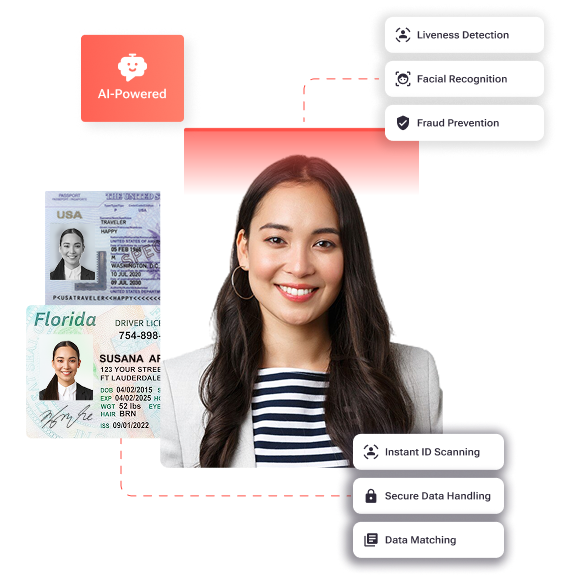
Incomplete files are one of the most common reasons the entire timeline extends. Associations cannot move a package through review if required items are missing, unsigned, expired, or inconsistent. This happens because the review process stops until the file is complete. Submitting a complete, correctly formatted file on day one eliminates this preventable delay.
Florida buyers also need to track statutory cancellation windows. The 7-business-day cancellation period begins when the buyer receives required condominium documents. For contracts entered after December 31, 2024 that involve milestone inspections or reserve studies, a 15-business-day voidability framework applies. Correctly timing document delivery protects both buyer and seller.
Phase 2 – Lender Project Certification and Risk Review (Days 8–20)
Once the buyer’s application package is complete, the focus shifts to the property itself. The lender evaluates whether the condominium project is eligible for the chosen loan type. A basic warrantability review can typically be completed within 24 to 48 hours when the current operating budget, master insurance certificates, completed condo questionnaire, and structural inspection reports are available. Full FHA or VA project approval takes considerably longer.
Post-Surfside, this phase carries more weight. Fannie Mae and Freddie Mac tightened condo project requirements after the 2021 Surfside collapse and now restrict financing for buildings with deferred maintenance, structural concerns, or flagged inspection reports. Florida Senate Bill 4D requires condo buildings three stories or taller to complete Milestone Structural Inspections and Structural Integrity Reserve Studies, and buildings with outstanding requirements can lose access to conventional financing.
Common non-warrantable triggers include more than 25% of units owned by a single investor (in projects with 21+ units), pending HOA litigation, or insufficient reserve funding. Any one of these conditions can disqualify a project from conventional financing, so identifying them before submitting the application prevents mid-process surprises that could derail the closing.
See how QuickApprove works to keep your application file complete and board-ready from day one.
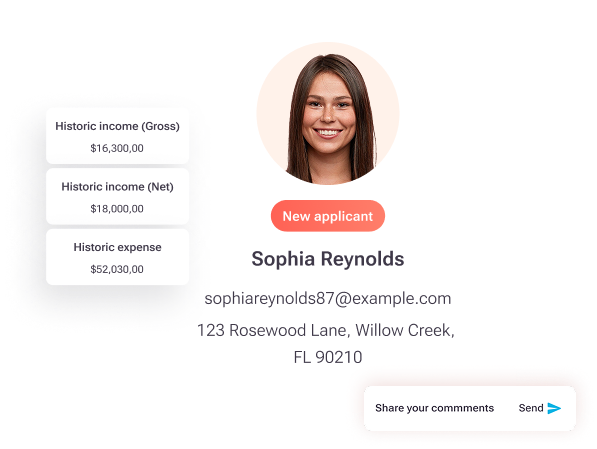
Phase 3 – Board and HOA Decision Window (Days 21–50)
The board review phase is where most Florida closings stall. The board reviews the application, checks it against the community’s screening criteria, and votes on approval, all within a meeting schedule governed by Florida law.
Under Florida Statutes §718.112(2)(c), condominium boards have meeting and notice requirements, with all board meetings where a quorum is present required to be noticed by posting at least 48 continuous hours in advance. For meetings considering nonemergency rule changes or special assessments, Florida law requires at least 14 days’ written notice mailed or delivered to owners. These requirements extend the window before a board can act.
When a board meets monthly and an application arrives the day after a meeting, the next review opportunity may be 28 to 30 days away. Once document follow-up cycles begin, this phase routinely stretches to 30–50 days on manual workflows.
Phase 4 – Clearing Final Lender Conditions and Closing (Days 51–60)
After the board issues its approval, the lender clears remaining conditions. These conditions include updated title, final appraisal sign-off, hazard insurance confirmation, and any outstanding HOA certification items. This phase typically runs 7–10 days when the prior phases are clean.
Delays in this phase almost always trace back to unresolved issues from Phase 2 or Phase 3 that surface at the last moment. Early project review and organized board workflows keep this final stretch predictable.
How Loan Type Changes Phase 2 Timelines
Loan type materially affects how long Phase 2 runs. The table below reflects current program requirements.
| Loan Type | Project Approval | Spot Approval Option | Typical Added Days |
|---|---|---|---|
| FHA | HRAP or DELRAP, expires every 2 years and requires re-certification | Single-unit approval available, requires lender-HOA paperwork coordination | 7–21+ days for spot approval, several weeks for full project approval |
| VA | Separate VA approval process, FHA approval does not satisfy VA requirements | Limited, VA spot approval is more restrictive than FHA | Similar to FHA full approval, timeline varies by VA regional office caseload |
| Conventional | Effective January 4, 2027, Fannie Mae and Freddie Mac guidelines require condominium associations to allocate at least 15% of annual budgeted income to reserves for conventional loan eligibility | Limited Review available for established projects, Full Review required after August 3, 2026 | 24–48 hours when full documentation is available, longer if structural flags exist |
Buyers can verify FHA condo approval status using the HUD FHA Condo Database by searching by state, city, or project name.
Florida Board Realities and Governance Risks
While lender requirements determine whether a project qualifies for financing, the board review phase determines how quickly an approved buyer can actually close. Florida’s statutory framework shapes every board review timeline. Under Florida Statutes Chapter 718 for condominiums and Chapter 720 for HOAs, operational delays in board decisions often stem from the timing of required board meetings and statutory posting requirements rather than the substantive review of matters themselves.
Florida law requires condominium associations to make official records available within 10 working days after a written request. This benchmark provides a practical operational standard for CAMs managing document turnaround.
Signs of a dysfunctional HOA board include refusal to produce financial records, coordinated non-response to multiple owners, sudden unavailability of the treasurer or management company, excessive copy fees above the $0.25 per page statutory cap, and retaliation within six months of a records request. Buyers who encounter these patterns during due diligence should treat them as material risk factors, not simple administrative inconveniences.
What Are the Biggest Delay Factors?
- Monthly meeting cadence: A board that meets once per month creates a hard ceiling on review speed for applications that miss the prior meeting.
- Incomplete application files: Missing documents restart the review clock and may push the package past the next meeting date.
- Structural inspection flags: Outstanding Milestone Structural Inspection or SIRS requirements (discussed in Phase 2) trigger lender holds that extend Phase 2 indefinitely.
- Expired FHA project approval: FHA condo project approvals expire every two years; if expired, the condo must go through single-unit approval instead, which adds paperwork and time.
- Manual workflows: Email chains and spreadsheets between CAMs, board members, and realtors introduce version-control errors, missed follow-ups, and no single source of truth for application status.
- HOA litigation or reserve shortfalls: Pending or active HOA litigation and insufficient reserve funding are common reasons a Florida condo is non-warrantable, which stalls lender review regardless of board speed.
What Red Flags Should Buyers Watch for in Condo Docs?
Many of the delay factors above stem from project-level issues that buyers can identify during due diligence. The following red flags signal financing obstacles or board dysfunction before you submit an application:
- Reserve funding below 10% of the annual budget (FHA minimum) or below the 15% conventional standard effective January 4, 2027
- HOA delinquency rates above 15% of units over 60 days past due
- Active or pending litigation involving the association
- Single-investor concentration above the 25% threshold (see Phase 2)
- Outstanding Milestone Structural Inspection or SIRS requirements under Florida Senate Bill 4D
- Board refusal to produce financial records or records-request non-compliance under Florida Statute 718.111 or 720.303(5)
- Expired FHA project approval with no active spot-approval pathway confirmed by the lender
How to Cut the 30-Day Board Review to 7–10 Days
The board review phase runs long because information moves slowly, not because decisions are inherently complex. Four operational tactics compress this phase by attacking different bottlenecks in the approval chain.
First, submit a complete file on day one. Use a pre-submission checklist that mirrors the association’s governing documents. Every missing item adds days, not hours, because incomplete files restart the review clock.
Second, align submission timing with the board calendar. Even a complete file submitted the day after a board meeting must wait 28–30 days for the next review opportunity. Submitting three days before a scheduled board meeting is structurally different from submitting the day after one. CAMs who track meeting schedules proactively can route applications to arrive before the agenda closes.
Third, give board members asynchronous review access. The 48-hour notice requirement mentioned earlier applies only to the meeting itself, not to pre-meeting document review. Board members can review summarized application materials before the meeting without violating notice rules. Pre-read packets reduce in-meeting deliberation time and allow faster votes, which turns the meeting into a formality instead of the first time board members see the file.
Finally, replace email chains with a connected approval workflow. The first three tactics only work when information flows reliably between all parties. When application status, documents, communications, and voting live in separate systems, every handoff introduces lag. A single platform with real-time tracking eliminates the “did you get my email?” cycle and keeps the complete file, correct timing, and pre-read access aligned.
Implementing these four tactics manually is possible but labor-intensive. TenantEvaluation’s QuickApprove is the Florida-specialized workflow that operationalizes all four tactics inside one connected platform. Built for CAMs, boards, and property management teams, QuickApprove accelerates resident approvals with real-time application tracking, automated communication support, customized approval letters, and a board-ready approval process, while preserving board oversight, compliance, and visibility. Communities using QuickApprove report up to 70% reduction in approval time, compressing the typical 30-day board review phase to 7–10 days.
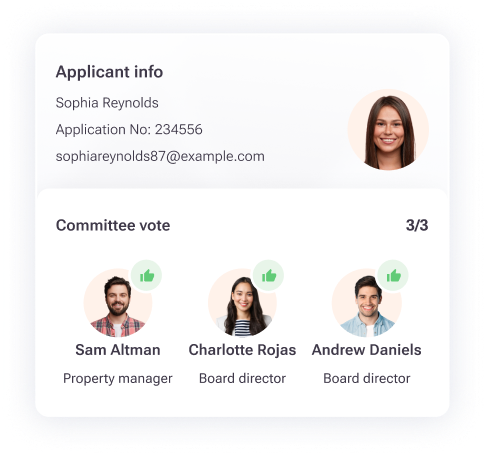
Watch the board-ready dashboard in action by booking a live demo.
Buyer and CAM Checklist for Faster Approvals
Before submitting the application:
- Confirm FHA or VA project approval status via the HUD FHA Condo Database or a lender warrantability review.
- Verify no outstanding Milestone Structural Inspection or SIRS flags under Florida Senate Bill 4D.
- Confirm reserve funding meets the applicable loan program threshold.
- Check HOA delinquency rate and litigation status in the condo docs.
- Assemble all required documents before submission (see Phase 1 for the complete list).
During the board review phase:
- Confirm the next scheduled board meeting date and submit before the agenda closes.
- Track application status in real time and avoid relying only on email follow-ups.
- Respond to any document requests within 24 hours to avoid missing the meeting cycle.
- Verify the association’s 10-working-day document turnaround obligation under Florida Statute 718.111.
Red flags to escalate immediately:
- Board non-response beyond 10 business days on a records request.
- Lender hold triggered by structural inspection flags.
- Expired FHA project approval with no confirmed spot-approval pathway.
Talk to our team to walk through a Florida-specific QuickApprove setup for your community.
Frequently Asked Questions
How long does HOA approval take in Florida?
No single statewide deadline requires every Florida HOA or condo association to approve a buyer or tenant within a fixed number of days. Each association sets its own review timeframe through its governing documents and internal procedures. In practice, the HOA or board review phase typically runs 21 to 50 days on manual workflows, mainly because boards meet monthly and incomplete application files restart the review clock.
Communities using a digital approval workflow with real-time tracking and a board-ready dashboard can compress this phase to 7–10 days without bypassing board oversight. Florida law does require associations to make official records available within 10 working days of a written request, and failure to comply within 10 working days creates a rebuttable presumption of willful noncompliance under Florida Statute 718.111.
Can FHA or VA loans close faster than conventional loans on Florida condos?
FHA and VA loans rarely close faster than conventional loans on Florida condos. These programs add a project-level approval layer that conventional financing does not always require. A conventional warrantability review can be completed in 24 to 48 hours when full documentation is available.
Full FHA project approval through the HRAP or DELRAP process takes several weeks or longer. FHA single-unit (spot) approval moves faster than full project approval but still requires lender-HOA coordination and additional paperwork. VA maintains a separate approval process from FHA, so FHA approval does not satisfy VA requirements.
After August 3, 2026, established condo projects will require a Full Review for conventional financing instead of the streamlined Limited Review. This change will increase documentation requirements and lengthen lender timelines for conventional loans as well. Buyers using FHA or VA financing should build additional time into their closing schedule and confirm project approval status before going under contract.
What happens if the board misses its meeting schedule?
Under Florida Statutes §718.112(2)(c), condominium boards have meeting requirements that control when they can take action. If a board fails to hold a scheduled meeting, any application pending board action remains in a holding pattern until the next noticed meeting.
Florida law requires at least 48 hours of posted notice for board meetings, and for certain matters, including nonemergency rule changes, at least 14 days’ written notice to unit owners. Missing a meeting cycle can add 30 or more days to an application timeline. Buyers and CAMs should document the board’s meeting schedule at the outset and flag any pattern of canceled or postponed meetings as a potential delay risk.
Persistent non-responsiveness or refusal to produce records may indicate a dysfunctional board. These patterns should be escalated through the appropriate Florida regulatory channel, such as the DBPR Division of Florida Condominiums, Timeshares, and Mobile Homes for condominiums, or pre-suit mediation under Florida Statute 720.311 for HOAs.
Are there exceptions for age-restricted communities?
Age-restricted communities operating under the Housing for Older Persons Act (HOPA) follow the same Florida statutory framework for board meetings and approval timelines as standard condominiums and HOAs. The application process itself carries additional documentation requirements to verify age eligibility, which can extend Phase 1 when the association’s intake process is manual or inconsistent.
Florida condos and HOAs that manage 55+ communities benefit from a standardized, structured approach to handling age-restricted application requirements across all applicants. TenantEvaluation’s 55+ Communities Verification is a built-in capability that helps Florida associations standardize how age-restricted requirements are handled. This structure reduces manual work, improves documentation consistency, and strengthens operational efficiency without replacing legal guidance.
For buyers, the practical implication is clear. Age-restricted communities with inconsistent intake processes may add 3–7 days to Phase 1 compared to standard communities that use a fully digital application workflow.
