Written by: Luis Teran, Co-founder, CEO, TenantEvaluation
Key Takeaways for Florida Condo Investors
-
Most Florida investor financing denials stem from condo project issues, not borrower qualifications, under 2026 Fannie Mae and FHA rules.
-
Common project red flags include reserve shortfalls, high HOA delinquencies, litigation, single-entity ownership concentration, and missing SIRS documentation under Florida SB 4-D.
-
Investors need a 48-hour pre-offer HOA document review window to avoid underwriting delays and protect deposits.
-
Even with 2026 changes such as Fannie Mae retiring investor concentration limits for established projects, lenders still verify owner-occupancy, reserves, and litigation status.
-
TenantEvaluation centralizes condo onboarding and document workflows so Florida communities can support faster, compliant approvals.
The Core Problem: Project-Level Failures Block Financing
Most condo loan denials for Florida investors start at the project level, not with the borrower. Lenders must approve both the buyer and the building. When a project shows low reserves, active litigation, or structural compliance gaps, the loan fails even if the borrower is strong.
Florida investors working with 48-hour or shorter due diligence windows have almost no time to uncover these issues after submitting an offer. This time pressure exposes the root problem: a fragmented document workflow. HOA questionnaires, reserve studies, budgets, and litigation disclosures sit in scattered inboxes, portals, and paper files. Without a clear pre-offer screening process, investors walk into underwriting without critical information.
Common Causes of Condo Loan Denial
-
Reserve fund below the lender threshold (10% FHA; 15% Fannie Mae reserve standard effective January 4, 2027 for Full Review loan applications (industry-wide via aligned Freddie Mac standards))
-
HOA delinquency rate above 15% of unit owners more than 60 days past due
-
Active or pending litigation involving the HOA or association
-
Commercial space exceeding 35% of total square footage
-
Missing or failed Structural Integrity Reserve Study (SIRS) documentation under Florida SB 4-D
-
Incomplete or non-warrantable project classification by the lender
-
Inadequate hazard or flood insurance coverage
2026 Fannie Mae and FHA Project Requirements for Florida Deals
These denial triggers map directly to specific 2026 agency thresholds. The table below summarizes five core project-level requirements Florida investors should confirm before submitting an offer.
|
Requirement |
FHA (2026) |
Fannie Mae (2026) |
Notes |
|---|---|---|---|
|
Owner-Occupancy Ratio |
Investor concentration limit retired for established projects (Full Review) |
Fannie Mae removal effective March 18, 2026, while the FHA threshold remains unchanged |
|
|
Reserve Fund Minimum |
|||
|
HOA Delinquency Cap |
15% cap, consistent with FHA |
Applies to HOA dues delinquency, not mortgage delinquency |
|
|
Single-Entity Ownership |
Applies to any individual, investor, or entity holding multiple units |
||
|
Litigation Status |
No pending material litigation |
No pending material litigation |
Minor slip-and-fall claims may be acceptable, while structural or financial litigation is disqualifying |
A key 2026 shift for Florida investors is Fannie Mae’s Lender Letter LL-2026-03, which removes investor concentration limits for established condo projects under Full Review. This change opens more investor-heavy buildings to conventional financing. At the same time, new and newly converted projects still must show that at least 50% of units are conveyed or under contract to principal residence or second home buyers.
Florida Rules: SIRS, Litigation, and Reserve Compliance
Florida Senate Bill 4D, passed in 2022, requires condo buildings three stories or taller to complete Milestone Structural Inspections and Structural Integrity Reserve Studies (SIRS). Lenders flag buildings with outstanding inspection requirements or major structural findings, which blocks access to conventional financing.
SB 4-D also prevents condominium associations from waiving reserve contributions for items listed in the SIRS. This change directly affects project eligibility. Lenders now expect SIRS compliance and milestone inspection status to appear in the condo questionnaire. Florida condo buildings with failed or missing SIRS reports, pending milestone inspections, or unresolved structural issues are treated as unfinanceable by conventional lenders until compliance is achieved.
Starting August 3, 2026, Fannie Mae retires its Limited Review process and requires Full Review for established condo projects unless a waiver applies. This shift increases the documentation burden on HOAs and lengthens lender review timelines. As a result, pre-offer document collection becomes even more important for Florida investors.
48-Hour Pre-Offer HOA Document Workflow
This step-by-step workflow helps Florida investors complete project-level screening within 48 hours of identifying a property.
-
Day 0–1: Confirm HOA status. Verify whether the project is FHA-approved, Fannie Mae-warrantable, or unapproved. Check the FHA condo approval database and ask the listing agent for the project’s current approval status.
-
Day 0–1: Identify the management company or HOA contact. Get the name, phone number, and email for the association manager or management company. Confirm whether documents are delivered through a third-party portal such as CondoCerts or HomeWise.
-
Day 1–2: Submit a formal document request. Include the property address, parcel or unit number, seller name and contact information, association or management company name, delivery deadline, and payment details.
-
Day 1–2: Request the condo questionnaire. Ask the listing agent or HOA for the lender condo questionnaire. Confirm that it covers owner-occupancy, delinquency rates, reserve balances, litigation status, SIRS compliance, insurance coverage, and commercial space percentage.
-
Day 2–3: Review documents immediately. Check the HOA resale package for completeness as soon as it arrives, because missing governing documents, budgets, or insurance certificates often delay underwriting or closing.
-
Day 2–3: Run the red-flag checklist. Use the checklists below against the received documents before submitting any offer.
Practical Red-Flag Checklists for Fast Screening
Reserve Fund Red Flags
-
Reserve fund below 10% of annual assessments, which disqualifies the project for FHA
-
Reserve fund below the 15% Fannie Mae threshold effective January 2027
-
No completed SIRS on file for buildings three stories or taller
-
Association previously voted to waive reserve contributions for SIRS items
Delinquency Red Flags
-
More than 15% of unit owners 60 or more days delinquent on HOA dues
-
No delinquency data available or HOA refuses to disclose delinquency information
Litigation Red Flags
-
Active or pending structural, financial, or construction-defect litigation
-
Unresolved milestone inspection findings noted in association records
-
Special assessments tied to litigation outcomes or structural repairs
Single-Entity Ownership Red Flags
-
Single entity owns more than 20% of units in a large project or more than 2 units in a small project
-
Developer retains unsold units above the applicable ownership threshold
Typical Condo Project Approval Timelines
Project-level condo approval timelines depend on the review type. Under Fannie Mae’s Full Review, which becomes standard for established projects after August 3, 2026, lenders usually need 2 to 4 weeks to complete project review once all HOA documents arrive.
Most associations or management companies take three to fourteen calendar days to deliver HOA resale documents. Turnaround can stretch longer during busy seasons or when third-party portals are involved. For Florida investors, this means pre-offer document collection should start before contract execution to avoid severe timeline pressure during underwriting.
Owner-Occupancy Ratios That Block Financing
For FHA financing, a project with fewer than 50% owner-occupied units fails standard approval, with a limited exception down to 35% for projects that show at least three years of strong financials. For Fannie Mae conventional loans, the 2026 guidelines remove investor concentration limits for established projects under Full Review. A high investor-to-owner ratio alone no longer disqualifies those projects from conventional financing.
Investors using FHA loans in investor-heavy buildings face tighter constraints than investors using conventional loans after March 2026.
Getting HOA Documents Before You Write the Offer
For investor deals, the best time to order HOA documents is before or at contract signing, with a 7 to 10 day buffer. Send the request to the association’s management company or directly to the HOA board if the community is self-managed.
In Florida, many larger associations use third-party portals, so identifying the portal early prevents delays. The seller’s agent usually provides the fastest path to the management company contact. Investors should request the full resale package, including the current budget, reserve study, most recent financial statements, meeting minutes from the past 12 months, insurance certificates, and the completed lender condo questionnaire.
Ready to simplify document collection and resident onboarding for your community? Schedule a demo today to see TenantEvaluation’s centralized workflow in action.
Manual vs Automated Approval Workflows in Practice
Manual HOA document workflows cost time and put deals at risk. In a manual process, a Community Association Manager receives document requests by email, forwards them to board members in separate threads, tracks application status in spreadsheets, and follows up manually with applicants and realtors. Missing documents, outdated leases, and scattered records create blind spots that slow lender questionnaire responses and push projects past underwriting deadlines.
TenantEvaluation replaces that manual process with three connected capabilities that support each stage of approval. QuickApprove accelerates resident approvals in one platform, giving CAMs, boards, and property managers real-time application tracking, automated communication, customized approval letters, and a board-ready review and voting dashboard while maintaining control and compliance.

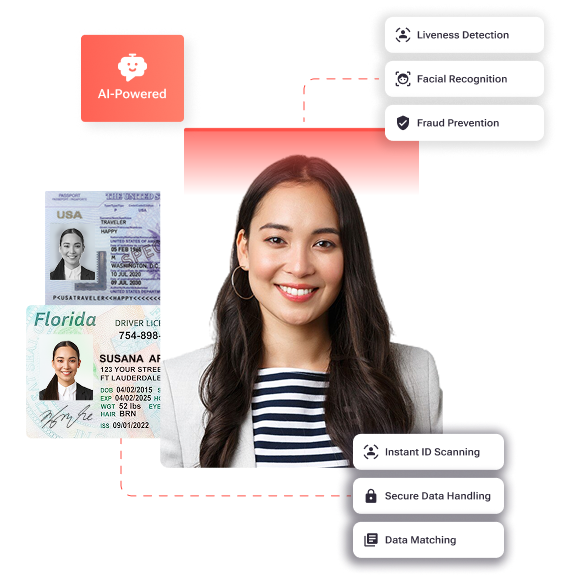
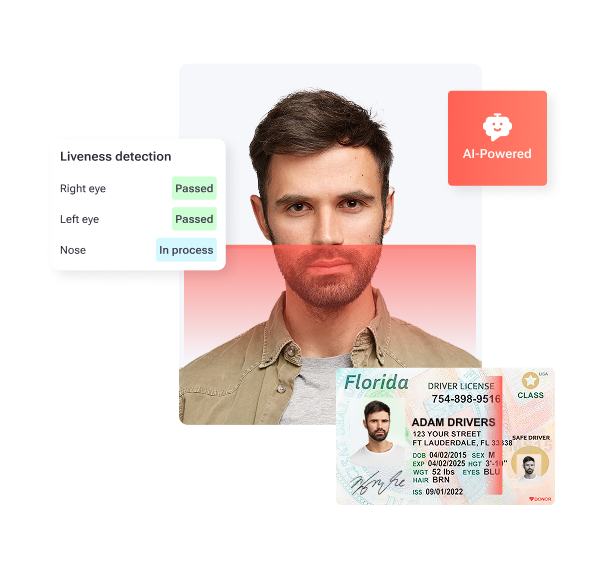
Before final approval decisions, IDVerify adds biometric identity verification to the screening workflow. It uses AI-powered liveness detection, government ID validation, and biometric facial matching to confirm applicant identity. After approval, Lease Tracking connects resident onboarding, unit data, approvals, and lease documentation in one centralized, real-time workflow. Communities gain clear lease status visibility, automated lease document collection, unit-level tracking, and audit-ready digital records that replace spreadsheets and email chains.
When lenders request HOA documentation on a tight deadline, communities running on TenantEvaluation can deliver organized, audit-ready records in hours instead of days. That speed often determines whether a Florida investor’s deal survives underwriting.
Conclusion: Treat the Project as Your First Underwriting File
For Florida investors, condo approval functions as a project-level screening challenge rather than a borrower-level one. The 2026 Fannie Mae and FHA standards covering reserves, delinquency, litigation, single-entity ownership, and SB 4-D SIRS compliance set fixed eligibility rules before a lender reviews any borrower file.
Investors who build a repeatable pre-offer screening workflow, secure HOA documents before contract execution, and apply structured red-flag checklists close more transactions and lose fewer deals to project denials. Streamlined, FCRA-first resident-screening and onboarding platforms such as TenantEvaluation give associations and management companies the infrastructure to respond to lender document requests quickly, maintain audit-ready records, and keep Florida condo deals on schedule. Schedule a demo today to see how TenantEvaluation supports compliant, efficient condo onboarding across Florida’s most active markets.
Frequently Asked Questions
What is the difference between FHA and Fannie Mae condo project approval for investors in 2026?
FHA condo project approval requires at least 50% of units to be owner-occupied, with a limited exception down to 35% for financially strong projects. Fannie Mae’s March 2026 update under Lender Letter LL-2026-03 retired the investor concentration limit for established condo projects reviewed under Full Review, so a high share of investor-owned units no longer automatically disqualifies those projects from conventional financing. Both agencies still require adequate reserves, delinquency rates below 15%, no disqualifying litigation, and compliance with single-entity ownership limits. Investors using FHA loans in investor-heavy buildings face stricter owner-occupancy rules than those using Fannie Mae conventional loans.
How does Florida’s SB 4-D affect condo financing eligibility for investors?
Florida Senate Bill 4-D requires all condominium buildings three stories or taller to complete Milestone Structural Inspections at 25 and 30 years of age and a Structural Integrity Reserve Study. Under SB 4-D, associations can no longer waive reserve funding contributions for items listed in the SIRS. Lenders reviewing Florida condo projects for conventional financing now expect documentation of SIRS compliance and milestone inspection status in the condo questionnaire. As noted earlier, buildings that fail to complete SIRS or have unresolved structural findings cannot secure conventional financing until compliance is achieved. SIRS documentation should sit at the top of every Florida investor’s project screening list.
What documents should a Florida investor request from an HOA before making an offer?
A complete pre-offer HOA package for a Florida condo investor should include the current annual budget, the most recent reserve study or SIRS report, the latest financial statements, and meeting minutes from the past 12 months. It should also include current hazard and flood insurance certificates and the completed lender condo questionnaire, which covers owner-occupancy percentage, delinquency rates, reserve balances, litigation status, single-entity ownership concentration, commercial space percentage, and SIRS compliance status. Investors should request disclosures for any pending or active special assessments. Securing these documents before contract execution, rather than during the inspection period, prevents underwriting time crunches and supports early red-flag screening.
How does TenantEvaluation help community associations respond to lender document requests faster?
TenantEvaluation is an all-in-one resident screening and onboarding platform built for community associations and management companies in Florida, with FCRA compliance at its core. Its Lease Tracking capability connects resident onboarding, unit data, approvals, and lease documentation into one centralized, real-time workflow, giving CAMs and boards clear lease status visibility, automated lease document collection, unit-level tracking, and audit-ready digital records. When a lender requests HOA documentation for condo project review, a community using TenantEvaluation can provide organized, searchable records in hours instead of days, which reduces underwriting delays. QuickApprove speeds up internal approvals, and IDVerify adds biometric identity verification to the screening process, all inside one connected platform.
What reserve fund percentage is required for condo project approval in 2026?
FHA condo project approval requires the HOA budget to allocate at least 10% of total monthly assessments into a reserve account for capital repairs and deferred maintenance. Fannie Mae raised its minimum replacement reserve requirement from 10% to 15% in its March 2026 policy update, with the 15% standard effective January 4, 2027 for Full Review loan applications. Florida investors screening projects in 2026 should treat the 15% level as the forward-looking benchmark, especially for deals expected to close after the January 2027 effective date. Projects with reserve allocations below 10% fail both FHA and Fannie Mae criteria immediately.
