Written by: Luis Teran, Co-founder, CEO, TenantEvaluation
Key Takeaways
- Florida 55+ communities must maintain HOPA compliance by keeping at least 80% of occupied units with one resident aged 55 or older.
- Age verification follows a clear timeline that covers move-in documentation, biennial surveys every two years, and resale or purchase checks using government-issued IDs.
- Core requirements include the 80/20 rule, written policies for housing for older persons, and reliable verification procedures that follow federal and Florida statutes.
- Manual processes create problems such as inconsistent documentation, fraud risks, and audit failures, while automation reduces administrative work and errors.
- Streamline HOPA compliance with TenantEvaluation’s platform, and use a guided demo to see automated age verification in action.
How the Condo Age Verification Timeline Works in Florida 55+ Communities
The condo age verification timeline follows three critical phases: move-in documentation, biennial surveys, and ongoing compliance monitoring. The table below shows the documentation and retention expectations at each milestone so CAMs and boards can see what to collect and keep.
| Timeline Milestone | Requirements | Documentation Needed | Retention Period |
|---|---|---|---|
| Move-In Verification | Age proof for qualifying residents | Government-issued identification displaying date of birth | Per compliance requirements |
| Biennial Survey | 80/20 verification per 24 CFR 100.307 | Resident surveys, affidavits, age documentation | Per compliance requirements |
| Resale/Purchase | Buyer age verification | Similar to move-in requirements | Per compliance requirements |
Move-in verification sets the foundation for HOPA compliance by confirming that qualifying residents meet age requirements before occupancy starts. Communities must verify residents’ ages using reliable methods per HUD rules, including surveys that collect age information, affidavits, copies of government-issued identification, and self-certification forms.
Biennial surveys create the most complex compliance task because they require documentation for all occupied units to maintain the 80/20 threshold. CAMs coordinate with residents, collect updated documentation, and maintain detailed records that can withstand audits.
Automate your condo age verification timeline with TenantEvaluation, and see how the platform handles move-in verification, biennial surveys, and resale checks in one demo.
Key HOPA Age Verification Requirements for Florida 55+ Condos
Understanding the timeline only solves part of the compliance challenge, because communities also need to follow specific HOPA documentation and policy rules at every stage. Florida 55+ condos must satisfy three core HOPA requirements: the 80/20 occupancy rule, written policies that show intent for housing for older persons, and reliable age verification procedures.
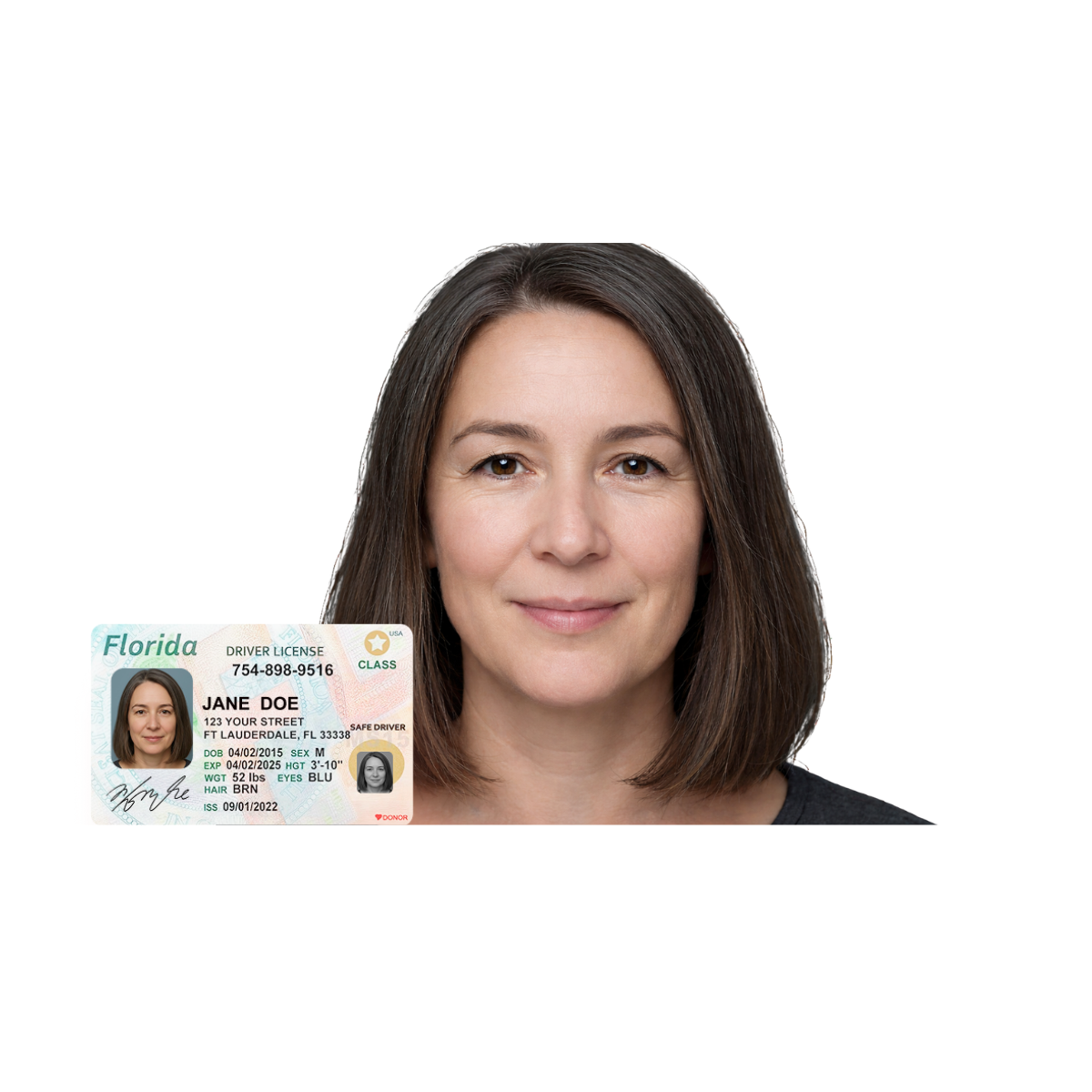
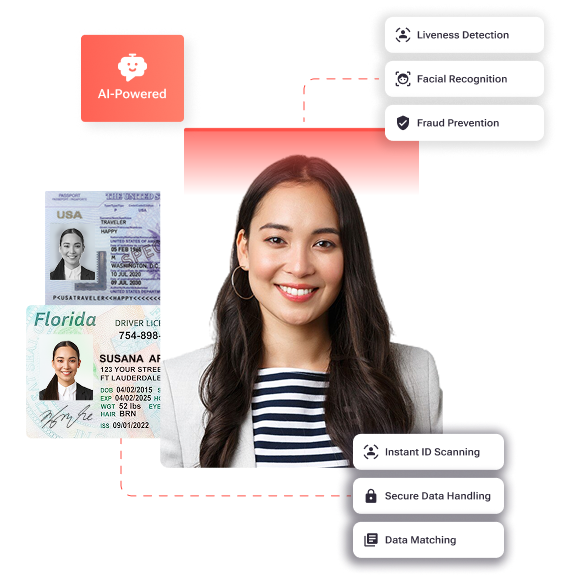
The government-issued identification mentioned in the timeline can include any official document that displays date of birth, such as driver’s licenses, state IDs, passports, birth certificates, or military IDs.
Florida-specific rules add another layer through Section 760.29, Florida Statutes, which mirrors federal requirements and sets state enforcement standards. To qualify for the 55+ exemption under Section 760.29(4)(a), Florida Statutes, a condominium association’s board must show that at least one resident in at least 80 percent of the units or properties is 55 years or older, the community presents itself as “housing for older persons” in its marketing and governing documents, and the board has filed the required paperwork for a 55 and older exemption.
TenantEvaluation’s 55+ Communities Verification reduces manual work, standardizes application handling, and supports documentation consistency for Florida Condos and HOAs, and lets boards see how automated verification maintains their 80/20 compliance.
Common 55+ Age Verification Challenges and How to Avoid Them
Manual age verification processes place heavy operational pressure on CAMs and boards. Common challenges include inconsistent documentation collection, incomplete resident surveys, and weak record retention systems that fail audit reviews. These manual approaches often cause delayed approvals, higher administrative costs, and gaps that threaten HOPA compliance.
Documentation inconsistencies create one of the most serious risks for 55+ communities. When teams rely on email threads, PDF forms, and manual follow-ups, they create fragmented records that may not meet audit standards. Missing or incomplete age verification documentation can place a community’s HOPA exemption status at risk.
These documentation gaps also increase fraud exposure. When communities lack standardized verification procedures, they lose consistent identity confirmation and document authentication, which leaves them open to fraudulent applications that can disrupt the 80/20 compliance ratio.
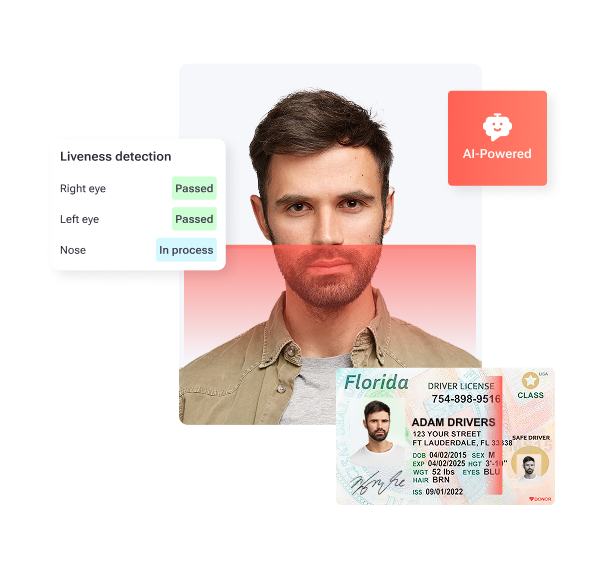
To address these documentation inconsistencies and fraud risks, communities should implement standardized documentation procedures that create consistent records, maintain comprehensive audit trails that satisfy review requirements, and establish clear communication protocols that replace scattered email and PDF exchanges. Communities that automate their age verification processes report significant time savings and stronger compliance outcomes because automation closes the manual gaps that create these problems.
Eliminate manual verification challenges with TenantEvaluation’s automated platform, and discover how automation prevents the documentation gaps and fraud risks that jeopardize compliance.
Best Practices and Tools for Florida 55+ Age Verification
Effective age verification in Florida 55+ condos depends on clear checklists, automated documentation collection, and strong record management systems. CAMs should set written protocols for survey preparation, document standards, and resident communication so every application follows the same steps.
TenantEvaluation’s 55+ Communities Verification serves Florida condos and HOAs that manage age-restricted requirements and need a specialized workflow. The platform reduces manual work, standardizes application handling, supports documentation consistency, and is built specifically for Florida Condos and HOAs. This specialization improves operational efficiency for Community Association Managers and strengthens internal processes across thousands of communities.
The platform includes automated document collection, IDVerify for identity verification, and the QuickApprove dashboard for board oversight. These specialized capabilities, built on an FCRA foundation with revenue-sharing models, provide comprehensive compliance support for Florida Condos and HOAs without upfront costs.

The comparison below highlights how TenantEvaluation’s specialized 55+ features differ from generic screening tools that lack age verification expertise.
| Feature | TenantEvaluation | ApplyCheck | Verify Screening Solutions | AppFolio |
|---|---|---|---|---|
| End-to-End Automation | Yes | Background-only | Background-only | Partial (property mgmt focus) |
| Board Dashboard | QuickApprove | No | No | Limited |
| Florida 55+ Specialization | Yes | No | No | Generic |
| Revenue-Sharing | Yes | No | No | Subscription |
Communities using TenantEvaluation report 70% faster approval times and large reductions in administrative workload. The platform’s focus on Florida 55+ requirements sets it apart from generic property management solutions that do not provide dedicated age verification workflows.
Get TenantEvaluation for your community and streamline your age verification process, and explore the QuickApprove dashboard and IDVerify features that set it apart from generic tools.
Successful age verification in Florida 55+ condos depends on consistent documentation practices that align with federal HOPA requirements and state-specific regulations. The timeline covers move-in verification, biennial surveys, and ongoing compliance monitoring, and each step requires precise record-keeping and repeatable procedures.
CAMs and boards protect their community’s HOPA exemption status when they prioritize standardized processes and reduce manual work. TenantEvaluation’s 55+ Communities Verification gives them specialized tools and automation that support efficient and reliable compliance.
Frequently Asked Questions
What is the HOPA 80/20 rule in Florida?
The HOPA 80/20 rule requires that at least 80% of occupied units in a 55+ community have at least one resident who is 55 years of age or older. The remaining 20% of units may be occupied by residents under 55 or families with children. This federal requirement applies to all HOPA-qualified communities in Florida and must be continuously maintained through regular verification and documentation.
How often must 55+ communities conduct HOPA surveys?
Communities must conduct comprehensive age verification surveys every two years to maintain HOPA compliance. These biennial surveys document the age status of all occupied units and ensure the community continues to meet the 80/20 occupancy requirement. Surveys must include resident age information, affidavits, and supporting documentation, with records retained for at least three years.
What documentation is required for age verification during condo purchases in Florida?
Age verification during condo purchases requires government-issued identification such as driver’s licenses, state ID cards, passports, birth certificates, or military IDs. Buyers must provide affidavits confirming their age eligibility, and communities must establish reliable verification procedures before approving occupancy. Documentation must be retained permanently as part of the community’s compliance records.
Can residents under 55 live in Florida 55+ communities?
Residents under 55 can live in Florida 55+ communities under specific circumstances. Up to 20% of occupied units may house residents who do not meet the 55+ requirement, including younger spouses and adult children over 18. Communities may also choose to enforce stricter standards and require 100% compliance rather than using the full 20% allowance.
What happens if a 55+ community fails HOPA compliance?
Communities that fail HOPA compliance risk losing their age-restriction exemption under the Fair Housing Act and may face discrimination lawsuits and enforcement actions. Non-compliance can result from inadequate documentation, failure to maintain the 80/20 ratio, or weak written policies that do not show intent for housing for older persons. Regular audits and systematic verification procedures help prevent these compliance failures.
