Written by: Luis Teran, Co-founder, CEO, TenantEvaluation
Key Takeaways for Florida 55+ Age Verification
- Florida 55+ HOAs face lawsuits and HOPA violations when manual age verification creates inconsistent policies and weak documentation.
- Frequent errors include accepting insufficient IDs, skipping biennial re-verifications, and miscalculating the 80/20 rule compliance threshold.
- Manual processes increase administrative burdens, fraud exposure, and discrimination claims because enforcement varies from applicant to applicant.
- Automated platforms apply consistent documentation rules, track compliance, and keep secure records that reduce these legal and operational risks.
- TenantEvaluation’s 55+ Communities Verification protects Florida condos with specialized tools, and you can see them in action with a personalized demo: request your demo.
10 Costly Condo Age Verification Mistakes Florida 55+ HOAs Make
1. No Formal Age Verification Policy
Florida condos that operate without written age verification procedures rely on informal steps that produce inconsistent enforcement. These gaps expose communities to discrimination claims and HOPA violations when verification standards change from one applicant to another.
Fix it now: TenantEvaluation’s 55+ Communities Verification applies the same application process to every applicant, which improves documentation consistency and reduces manual review. This standardization is particularly valuable for Florida Condos and HOAs because it creates structured processes that strengthen internal controls and remove the informal procedures that create discrimination exposure.
2. Accepting Insufficient Initial Documentation
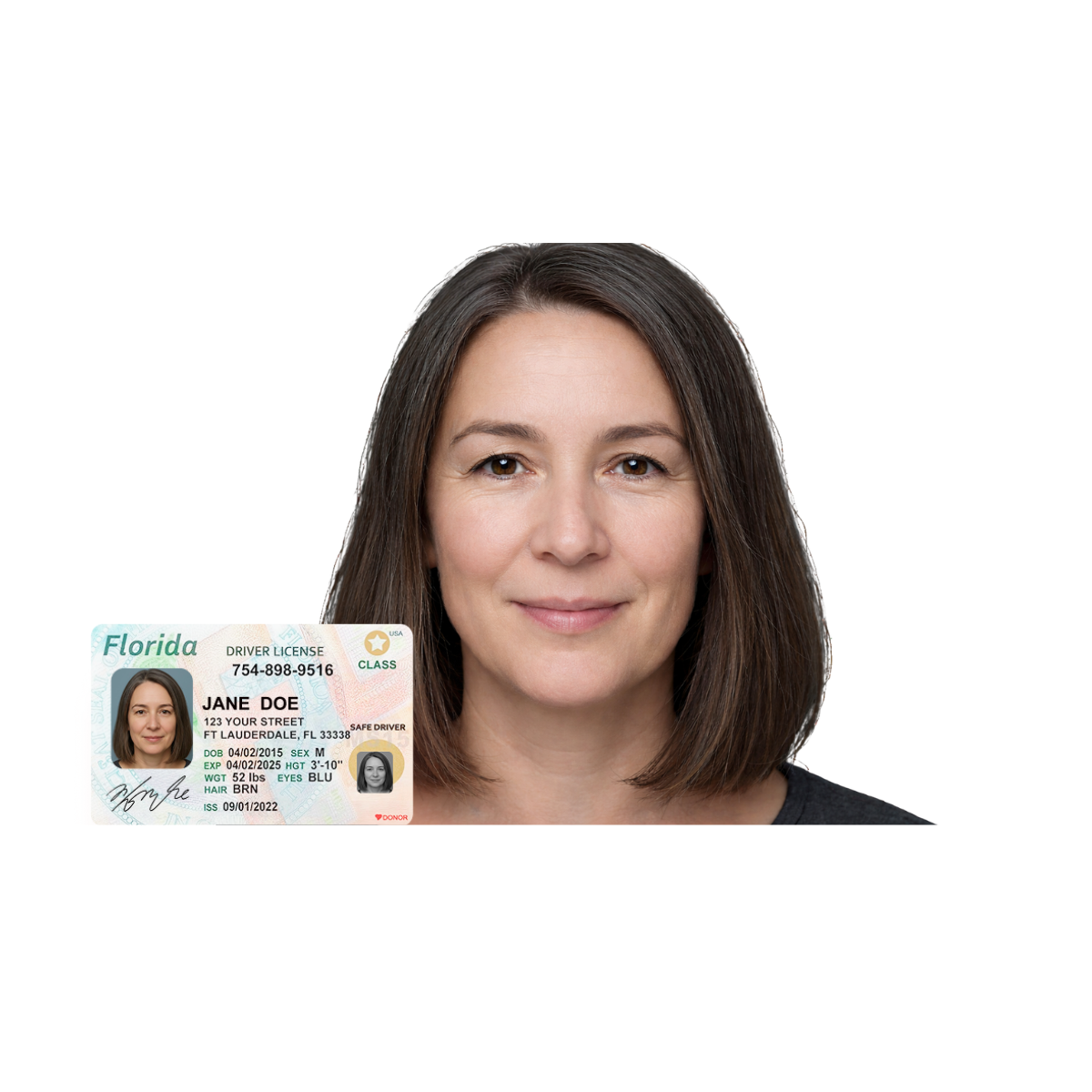
Many communities accept a driver’s license or utility bill as the only proof of age, which fails to meet HOPA documentation requirements for reliable age verification. Weak initial documentation creates audit vulnerabilities and leaves compliance gaps that are hard to fix later.
Fix it now: Automated platforms designed for Community Association Managers apply consistent documentation standards to every application. This consistency improves operational efficiency and supports the detailed recordkeeping that compliance reviews require.
3. Wrong Document Types for Age Verification
CAMs often accept expired IDs, foreign documents without translation, or photocopies instead of original or certified documentation. These document errors weaken the integrity of age verification records and create legal exposure during audits or fair housing investigations.
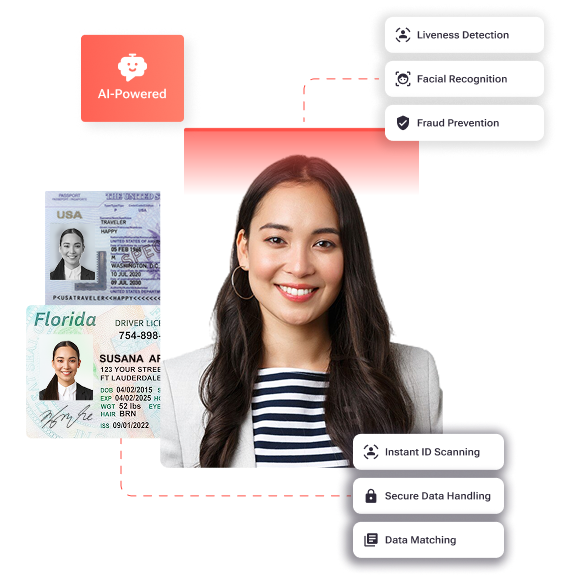
Fix it now: TenantEvaluation’s platform includes IDVerify capabilities that validate government-issued identification. This validation reduces fraud risks and brings consistency to document collection across all applicants.
4. Skipping Biennial Re-verification Requirements
HOPA requires communities to re-verify age eligibility every two years, yet many Florida condos do not track or complete these mandatory updates. Missed biennial verification deadlines can cause loss of age-restricted status and Fair Housing Act protection.
Fix it now: Structured verification systems track re-verification schedules automatically and send reminders before deadlines. These tools ease oversight for CAMs and help communities maintain consistent compliance with biennial requirements.
5. Poor Record-Keeping and Documentation Storage
Manual filing systems scatter records across emails, PDFs, and physical folders. Disorganized documentation makes audit preparation difficult and increases liability when verification records cannot be located, verified, or produced on request.
Fix it now: Digital platforms store age verification documentation in a secure, centralized, and searchable database. This structure supports audit preparation and improves record consistency across all buildings and communities.
6. 80/20 Rule Calculation Errors
Florida’s 80/20 rule under Section 760.29(4)(a) requires precise unit counting and accurate tracking of occupied units. Manual calculations often contain errors, and miscounting or failing to update ratios after move-outs can push communities below the required 80 percent threshold.
Fix it now: Automated tracking systems maintain current unit counts and age ratios for the entire community. These tools reduce calculation errors and provide real-time compliance monitoring that boards can review at any time.
7. Inconsistent Enforcement Across Applicants
Different verification standards for different applicants create clear discrimination risks and potential Fair Housing violations. Patterns of inconsistent enforcement can become evidence in legal challenges against age-restricted communities.
Fix it now: Consistent application workflows ensure identical verification steps for every applicant. This approach reduces discrimination exposure and improves operational consistency across Community Association Managers and board members.
8. Outdated Verification Policies
Communities that rely on verification policies written years ago often miss current HOPA requirements and modern fraud prevention practices. These outdated policies create compliance gaps and add extra administrative work for CAMs and boards.
Fix it now: Modern verification platforms reflect current compliance standards and updated fraud prevention measures. This alignment keeps policies current with evolving requirements without constant manual rewriting by board members or managers.
9. Manual Process Administrative Burdens
Email-based verification creates heavy administrative workloads for CAMs, who must manage follow-ups, document requests, and status tracking by hand. These manual processes scale poorly as communities grow and as application volume increases.
Fix it now: TenantEvaluation’s 55+ Communities Verification uses automated workflows to handle routine steps like reminders, document collection, and status updates. These automations improve operational efficiency and free CAMs to focus on higher-value community management tasks such as resident service and board support.
10. Vulnerability to Document Fraud
With 41 percent of adults aged 50 and older experiencing fraud, manual document review cannot reliably detect sophisticated forgeries or identity theft attempts. Document fraud in age verification exposes communities to liability, financial loss, and serious compliance violations.
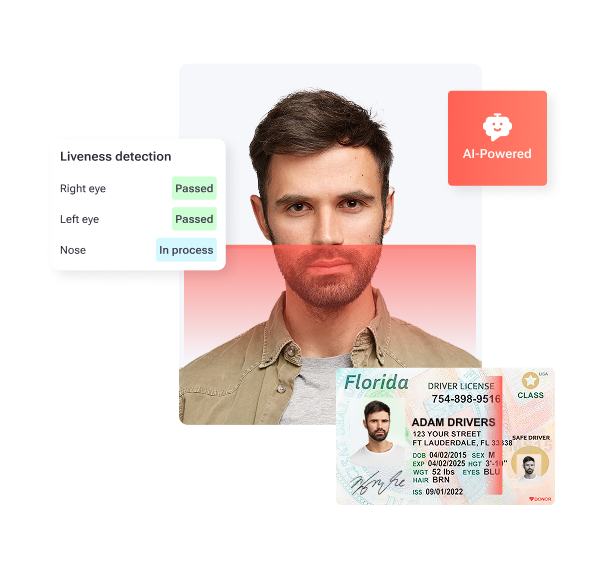
Fix it now: Biometric verification through IDVerify adds strong fraud prevention layers that manual processes cannot match. These tools strengthen verification integrity and reduce administrative burden for CAMs and boards.
Why Manual Age Verification Fails Florida 55+ Communities
Manual age verification creates systematic problems that threaten Florida 55+ communities. Inconsistent documentation standards lead directly to audit failures and discrimination claims. Administrative overload from email-based processes consumes CAM time and creates verification gaps that are easy to miss. Given the fraud vulnerabilities discussed above, manual document review cannot keep pace with sophisticated forgeries or identity theft attempts. These manual process failures invite legal exposure and operational chaos that automated platforms like TenantEvaluation prevent through consistent, structured workflows.
Safest Age Verification Approach for 55+ Communities
Structured verification platforms outperform manual processes by applying clear documentation rules, automating compliance tracking, and reducing human error. TenantEvaluation, a 2007 pioneer that serves more than 5,000 communities and processes over 100,000 applications each year, offers specialized 55+ Communities Verification built for Florida Condos and HOAs. The platform includes QuickApprove board dashboards, FCRA-compliant background screening, and IDVerify biometric verification. With a 4.8/5 Google rating and $150M generated for communities, TenantEvaluation delivers comprehensive fraud prevention and revenue sharing that manual competitors like ApplyCheck and Verify Screening Solutions do not provide. Given the risks described above, you can request a walkthrough to see how TenantEvaluation removes these verification gaps in your own community: book your walkthrough.
Frequently Asked Questions
What are common condo age verification mistakes in Florida?
Common mistakes include accepting insufficient documentation, skipping mandatory biennial re-verification, miscalculating 80/20 rule compliance, maintaining inconsistent enforcement standards, and relying on manual processes that are vulnerable to fraud. These errors expose communities to lawsuits, audit failures, and loss of age-restricted status under Florida Statutes Section 760.29.
How often must condos verify age under HOPA?
HOPA requires age verification every two years for all residents in 55+ communities. Initial verification occurs during application approval, and mandatory re-verification follows on a biennial schedule. Missed deadlines can result in loss of Fair Housing Act exemptions and increased legal exposure.
What is the safest way for 55+ age verification?
The safest approach uses standardized documentation requirements, automated compliance tracking, biometric identity verification, and centralized record-keeping. Platforms like TenantEvaluation remove manual errors and provide audit-ready documentation and fraud prevention capabilities that email-based processes cannot match.
How does TenantEvaluation standardize 55+ processes?
TenantEvaluation’s 55+ Communities Verification applies a consistent application workflow to every applicant and uses automated steps to reduce manual work. The platform improves documentation consistency and strengthens internal processes for boards and managers. Built specifically for Florida Condos and HOAs, it supports Community Association Managers with structured verification tools that raise operational efficiency.
What documentation is required for Florida 55+ communities?
Florida 55+ communities must maintain reliable age verification records for at least 80 percent of units. These records include government-issued identification, birth certificates, or other acceptable proof of age. Documentation must be collected consistently, stored securely, and available for audit purposes under Section 760.29(4)(a), Florida Statutes.
Conclusion: Turning Age Verification into a Strength
Condo age verification mistakes create expensive legal exposure and operational chaos for Florida 55+ communities. Missing biennial requirements, miscalculating 80/20 rule compliance, and relying on email-based processes all increase the risk of HOPA violations and discrimination claims that threaten community status and finances. TenantEvaluation’s 55+ Communities Verification addresses these risks through consistent application workflows, automated compliance tracking, and fraud prevention capabilities designed specifically for Florida Condos and HOAs. With more than 5,000 communities served and $150M generated, TenantEvaluation turns age verification from a liability into a clear competitive advantage. You can get started with a demo that shows exactly how to protect your community from these costly condo age verification mistakes: schedule your demo.
