Written by: Luis Teran, Co-founder, CEO, TenantEvaluation
Key Takeaways for Florida CAMs and Boards
- HOPA requires 80% of occupied units in 55+ communities to have at least one resident aged 55 or older, verified with official IDs such as driver’s licenses or passports.
- Florida 55+ condos apply the same age rules to renters and owners, generally prohibiting minors under 18 as permanent residents while allowing limited visits.
- Manual age verification creates fragmented emails, higher fraud risk from synthetic IDs, and serious audit vulnerabilities for association managers.
- TenantEvaluation’s 55+ Communities Verification automates workflows, uses biometric IDVerify for fraud prevention, and cuts processing time by 70% with board dashboards.
- Choose TenantEvaluation for Florida-specific compliance and efficiency, and see it in a personalized demo tailored to your community.
HOPA Age Rules and Documentation Requirements for 55+ Condos
The Housing for Older Persons Act sets three core requirements for age-restricted communities. First, the 80/20 rule mandates that at least 80% of occupied units must have at least one resident aged 55 or older, and unoccupied units under construction or empty do not count toward this percentage. Second, communities must publish and follow written policies that show a clear intent to serve older adults. Third, communities must maintain reliable age verification procedures using official documentation.
Florida-specific rules add another layer of complexity for community associations. Most Florida 55+ communities prohibit minors under 18 from living as permanent residents but allow visits for 15 to 30 days per year. In addition, renters in Florida 55+ communities must meet the same age requirements as owners, with at least one household member being 55 years or older.
Common pitfalls include inconsistent document handling, low survey response rates, and audit risk from incomplete records. Failure by 55+ communities to maintain HOPA standards results in loss of exemption from familial status discrimination protections under the Fair Housing Act, which creates significant liability exposure for associations.
To maintain HOPA compliance, communities must collect and verify specific documentation from each household. The table below outlines the three core document types and how they support age verification.
| Document | Purpose | Notes |
|---|---|---|
| Driver’s License/Passport | Prove age | Government-issued |
| Birth Certificate | Age verification | Used as backup |
| Affidavit | Surveys every two years | Sworn by adult member of the household |
How TenantEvaluation Standardizes 55+ Age Verification
TenantEvaluation’s 55+ Communities Verification replaces manual chaos for Florida CAMs and association boards with a single structured system. The platform eliminates fragmented email workflows and inconsistent document handling by routing every application through one digital process. This standardization reduces manual work, supports documentation consistency, and strengthens internal processes while still leaving room for legal guidance from your attorneys.
The system is built for Community Association Managers who need operational efficiency and for boards that require clear, real-time oversight. Key features include end-to-end onboarding workflows, IDVerify for fraud prevention using biometric ID and liveness detection, and the QuickApprove dashboard for board voting and real-time application tracking.
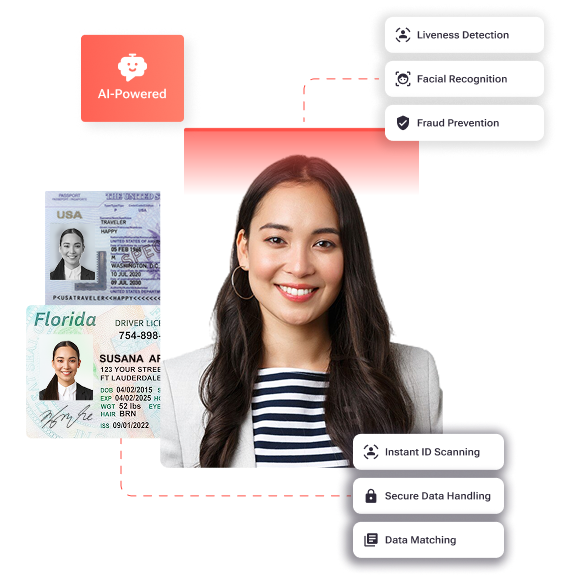
The platform currently serves more than 5,000 communities and processes about 100,000 applications each year, with FCRA compliance as a core foundation. Unlike generic screening tools, TenantEvaluation’s 55+ Communities Verification reflects Florida-specific workflows and regulatory nuances. The platform improves day-to-day operations while creating structured records that support internal controls and future audits.
See these efficiency gains in action with a walkthrough of the 55+ Communities Verification platform for your team.
Manual vs Digital Age Verification for Renters
Traditional manual processes create significant inefficiencies for CAMs and boards. The typical workflow involves receiving renter documents by email or physical delivery, manually reviewing IDs and birth certificates, distributing biennial surveys, tracking responses in spreadsheets, and processing approvals over several days or weeks. Because each step relies on different systems and manual handoffs, documentation becomes scattered across email threads and file folders, which delays revenue from slow approvals and increases audit risk from missing records.
TenantEvaluation’s automated approach replaces this fragmented workflow with a guided digital process. Intelligent forms walk applicants through required documentation, automated checks validate submissions in real time, and integrated tracking gives every stakeholder clear visibility. Processing times drop from days to hours, and staff can reclaim dozens of hours each day for higher-value work such as resident communication and board support.
Efficiency Gains for Community Association Managers
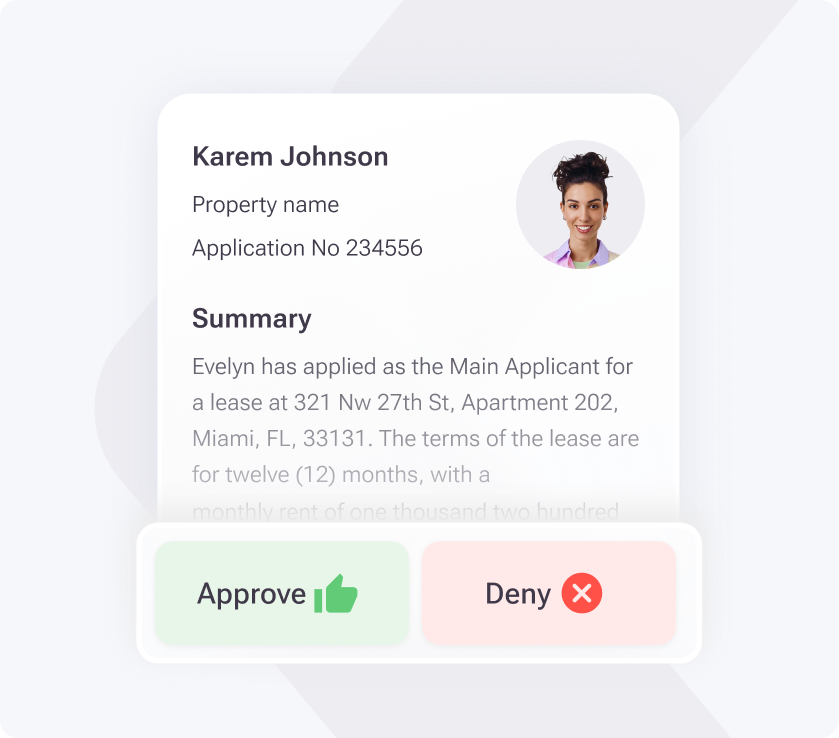
Community Association Managers gain immediate relief from repetitive administrative tasks. Automated notifications replace constant follow-up calls and reminder emails. Standardized workflows ensure consistent handling across all applications, regardless of staff turnover or experience level. Built-in audit trails create defensible documentation for compliance reviews and legal inquiries.
Real-Time Transparency for Boards
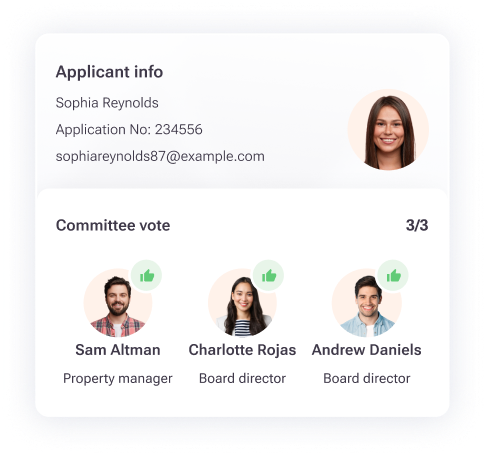
Board members see real-time application status through QuickApprove, so decisions no longer wait for email updates. The platform provides summarized reports and clear voting capabilities that keep discussions organized. This structure removes long email chains while preserving proper oversight and a documented decision history.
Simple, Clear Experience for Renters
Applicants benefit from mobile-friendly uploads, clear documentation requirements, and automated status updates at each step. The streamlined process reduces confusion, shortens approval timelines, and supports smoother coordination for renters and their realtors.
The operational impact becomes clear when you compare key metrics side by side. Manual processes create bottlenecks that digital automation removes.
| Metric | Manual | Digital (TenantEvaluation) |
|---|---|---|
| Processing Time | 5-10 days | Hours (70% savings) |
| Doc Consistency | Fragmented emails/PDFs | Standardized workflows |
| Fraud Prevention | Document review only | Biometric IDVerify+ |
| Audit Trail | Manual records | Built-in, timestamped |
Why TenantEvaluation Fits Florida 55+ Communities
TenantEvaluation stands apart from competitors such as ApplyCheck and Verify Screening Solutions through its focus on community associations. Generic tools provide basic background checks but lack board dashboards, 55+ standardization, and Florida-specific workflows. TenantEvaluation instead delivers complete application workflows designed for community managers and association boards in Florida.
The platform’s revenue-sharing model removes upfront costs and can generate new income for associations. Built-in FCRA compliance, direct credit bureau relationships, and automated adverse action workflows provide stronger protection than manual processes or simplified screening tools. TenantEvaluation’s 55+ Communities Verification also addresses the unique age-restriction challenges that generic platforms overlook.
Compare your current process in a live demo and see where specialized workflows can close compliance gaps.
Frequently Asked Questions
What is the 80/20 rule in age-restricted communities?
The 80/20 rule under HOPA, explained in detail in the HOPA basics section above, allows up to 20% of occupied units to house residents under 55. The community must still maintain its intent to serve older adults and follow proper verification procedures to keep its exemption.
Can adult children live in a 55+ condo?
Adult children can often live in a 55+ condo, subject to community rules. Most Florida 55+ communities allow younger spouses under 55 and adult children over 18 to reside with a qualifying resident who is 55 or older. Minors under 18 are generally prohibited from permanent residence, although they may visit for limited periods, typically 15 to 30 days per year. Each community’s bylaws set the exact limits and exceptions.
What are Florida-specific condo age verification rules?
Florida 55+ condominium associations must comply with federal HOPA requirements and Florida Statutes Chapter 718. This includes maintaining written policies that show intent to operate as a 55+ community, conducting age verification using official identification such as driver’s licenses, birth certificates, or passports, and ensuring all governing document amendments receive legal review by licensed attorneys. Directors must treat HOPA compliance as part of their fiduciary duties.
Can under-55 renters apply to 55+ communities?
Under-55 renters can apply if their household meets the community’s age requirements. In most cases, at least one household member must be 55 or older, and additional residents must be at least 18 or 19 years old, depending on the community’s rules. The household must also fit within the 20% allowance for units without a 55+ resident while the community maintains its overall 80% compliance rate.
How does biometric verification improve age verification accuracy?
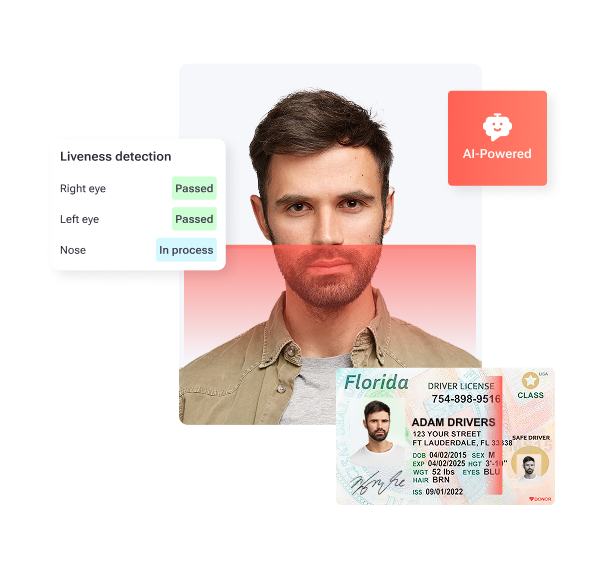
Biometric verification through platforms such as TenantEvaluation’s IDVerify+ adds several layers of fraud prevention beyond traditional document review. The system validates government-issued IDs, confirms physical presence through AI-powered liveness detection, and performs facial biometric matching between selfies and identification photos. This approach helps address synthetic identity fraud and deepfake documents that can bypass manual review.
Conclusion: Move From Manual Chaos to Digital Control
Manual HOPA compliance places heavy burdens on community managers and association boards while exposing communities to fraud risk and audit failures. TenantEvaluation’s 55+ Communities Verification turns these challenges into a structured, efficient process that reduces manual work, standardizes application handling, and strengthens internal controls.
As a leading platform for Florida community associations, TenantEvaluation combines specialized 55+ verification with comprehensive screening tools, board dashboards, and biometric fraud prevention. Its focus on FCRA compliance, direct credit bureau relationships, and a revenue-sharing model makes it a strong choice for associations that want efficiency without losing oversight.
Transform your condo age verification from scattered emails to a clear digital workflow. Request a demo now and see how TenantEvaluation can reduce administrative burden while supporting compliance for your 55+ community.
