Written by: Luis Teran, Co-founder, CEO, TenantEvaluation
Luxury condominium associations need screening solutions that match their high standards of security and sophistication. This guide compares resident screening and background verification systems to help property managers and HOA boards make informed choices. We’ll cover key features and compliance factors to help you select a system that boosts efficiency, reduces risks, and maintains your community’s reputation.
Why Luxury Condominiums Face Unique Screening Challenges
Luxury condominiums have specific needs that differ from standard rental properties. To maintain exclusivity, you need advanced vetting processes that prioritize security and privacy while meeting community standards. Basic screening tools often fail to address these priorities, leaving gaps in protection.
Florida’s strict regulations and unique condominium bylaws add another layer of complexity. Many generic property management tools lack the flexibility to adapt to these specific rules, which can result in compliance issues or legal risks for managers.
Financial and security risks also demand thorough background checks and identity verification. Standard methods frequently miss the mark for luxury communities, making specialized systems a practical necessity for effective resident selection.
Lastly, manual screening processes burden Community Association Managers (CAMs) and boards with time-consuming tasks. This inefficiency increases errors and diverts focus from improving community value. A targeted solution can streamline operations without compromising quality.
Key Factors for Choosing a Luxury Condo Screening System
Finding the right screening system starts with understanding your community’s needs. Below are the critical factors to evaluate for a solution that fits luxury condominium associations.
- Customization and Florida Compliance: A system must adapt to your specific bylaws and state regulations to avoid compliance missteps.
- Thorough Background Checks: Look for in-depth criminal, credit, eviction, and identity verification to build a complete picture of applicants.
- Efficiency Through Automation: Digital tools for applications, document handling, and approvals can save significant time over manual methods.
- Data Security and Privacy: High standards like PCI Level 1 compliance and encryption are essential to protect sensitive applicant information.
- Board Oversight and Transparency: Features like real-time status updates and voting tools help boards maintain control over decisions.
- User-Friendly Design: Simple interfaces for applicants and staff, along with mobile access and language options, improve adoption rates.
- System Integration: Compatibility with property management tools reduces duplicate work and minimizes errors.
- Support and Insights: Access to 24/7 assistance and community data helps with daily tasks and long-term planning.
Comparing Top Resident Screening and Verification Systems
TenantEvaluation: Tailored for Florida Condominiums
TenantEvaluation offers a focused solution for luxury condominium associations, designed specifically for HOA and condo environments in Florida. It addresses unique challenges with a range of practical features.
The fully online platform eliminates paper forms, letting applicants use an easy web or mobile interface. This cuts processing time by up to 70%, ensuring accuracy and consistency in data collection.
Custom setups align with Florida regulations and your association’s specific bylaws, screening rules, and workflows. This adaptability helps maintain standards and meet legal requirements.
Smart form logic adjusts questions based on applicant answers and community needs, collecting only relevant information for efficiency.
Enhanced security includes PCI Level 1 compliance and automatic redaction of personal data in documents. Full encryption protects information throughout the process, reducing liability risks.
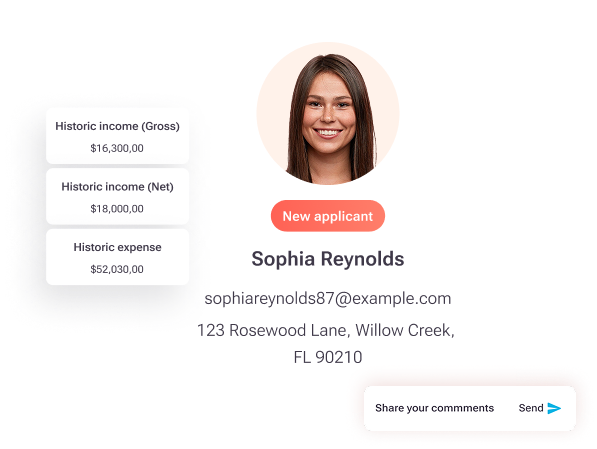
The QuickApprove dashboard provides boards with instant access to application details, AI-generated summaries, and voting options, tailored for condo governance.
Round-the-clock multilingual support in 11 languages caters to diverse luxury markets, offering immediate help when needed.
Detailed analytics on demographics and trends inform decisions about amenities and policies, supporting strategic planning.
Robust screening tools like IDverify, IncomeEV, and SafeCheck+ combine identity checks, income validation, and background searches for a complete evaluation.
A revenue-sharing model offsets costs by allowing associations to earn from application fees, making the system financially sustainable.
General Property Management Platforms with Screening Features
Platforms like AppFolio, RealPage, Buildium, and Vantaca include screening as part of wider management tools, offering convenience for users already on their systems.
- Advantages: Integration with other management functions provides a single hub for operations, with solid screening and reporting options.
- Limitations: Customization may not meet the detailed needs of luxury condos. Florida-specific compliance tools vary, and board-focused features might not fully align with condo governance priorities.
Specialized Background Screening Services
Services like Snappt, Verify Screening Solutions, RentSpree, and others focus on verification and fraud detection but may lack full application management.
- Advantages: Strong background check tools with advanced technology suit the security needs of luxury properties.
- Limitations: Many lack comprehensive application or workflow features critical for condo operations. Board approval options are often minimal, and Florida-specific customization may not be prioritized.
Feature Comparison for Luxury Condo Screening Systems
|
Feature/Criterion |
TenantEvaluation |
Generic PM Suites |
Dedicated Screening Platforms |
|
End-to-End Online Application |
Yes |
Partial |
No |
|
Florida-Specific Customization |
Yes (proprietary) |
Limited |
No |
|
Automated Document Review & Redaction |
Yes |
Limited |
No |
|
Board Approval Dashboard (QuickApprove) |
Yes |
No |
No |
|
FCRA-Compliant Comprehensive BG Checks |
Yes (SafeCheck+) |
Yes |
Yes |
|
AI-Powered Income/ID Verification |
Yes (IncomeEV, IDverify) |
Limited |
Limited |
|
Revenue Sharing Model |
Yes |
No |
No |
|
24/7 Multilingual Applicant Support |
Yes |
Limited |
Limited |
|
Community Analytics |
Yes |
Limited |
Limited |
|
PCI Level 1/Bank-Grade Security |
Yes |
Varies |
Yes |
|
Customizable Screening Criteria |
Yes |
Limited |
Limited |
|
Integrates with Property Management Systems |
Yes |
Yes |
Limited |
|
Digital Logs & Audit Trails |
Yes |
Limited |
No |
How Screening Systems Improve Operations, Reduce Risk, and Boost Satisfaction
Boosting Efficiency with Targeted Tools
Specialized screening systems for condos save time by automating repetitive tasks. Some associations report freeing up to 50 staff hours daily for more valuable work.
Faster processing, often by as much as 70%, speeds up resident onboarding. This reduces vacancies and improves cash flow while cutting costs for paper and storage.
Automated document handling flags issues and verifies information without manual effort, ensuring consistency and reducing errors.
Lowering Risks with Strong Compliance
Advanced screening and compliance features help avoid legal issues by minimizing regulatory errors. Secure encryption and data redaction protect against breaches, reducing exposure to liability.
Complete audit trails track every step of the screening process, providing documentation for reviews or fair housing compliance checks.
Improving Experience for Residents and Realtors
A clear, efficient application process shapes the resident experience from day one. Mobile access and real-time updates meet the expectations of luxury markets.
For realtors, quick processing and transparent requirements build trust, encouraging them to recommend qualified applicants to your community.
Multilingual options ensure accessibility for diverse applicants, aligning with fair housing goals and broadening your applicant pool.
Supporting Board Decisions with Clear Data
Dedicated dashboards give boards real-time insights into applications, summaries, and voting tools, enabling faster, informed decisions.
Community data on resident trends helps boards plan amenities or adjust policies based on solid information.
Consistent reporting provides all board members with the same details, saving preparation time and enhancing discussion quality.
Finding the Right Fit for Your Luxury Condo’s Needs
High-Volume Luxury Buildings
For high-rise condos with frequent turnover, handling large application volumes without sacrificing accuracy is key. TenantEvaluation’s automation and scalable design process applications 70% faster while upholding security standards.
Exclusive, Member-Driven HOAs
Communities with strict standards need tailored tools and board control. TenantEvaluation’s QuickApprove dashboard and customization options adapt to specific rules, balancing efficiency with high expectations.
Management Firms Handling Multiple Properties
Property managers overseeing several condos require consistent compliance across locations. TenantEvaluation’s enterprise features and partnerships with firms like RealManage and FirstService Residential show its ability to scale for luxury portfolios.
Common Questions About Screening Systems for Luxury Condos
How do these systems handle Florida-specific regulations for condominiums?
Platforms built for Florida condos embed state rules into their workflows. TenantEvaluation lets you configure bylaws and processes to match local laws, keeping thorough records for compliance.
How does AI improve screening for luxury associations?
AI automates document checks and verifies data in real time. TenantEvaluation uses AI in tools like IDverify and IncomeEV to confirm identities and income, speeding up decisions with greater accuracy.
How do screening systems protect sensitive applicant data?
Top systems use full encryption, PCI Level 1 standards, and automatic data redaction. TenantEvaluation minimizes human access to details like Social Security numbers, lowering breach risks.
How do platforms make board approvals more efficient?
Modern tools offer specialized features for boards. TenantEvaluation’s QuickApprove dashboard provides tracking, summaries, voting options, and audit records to speed up decisions while keeping oversight.
What kind of financial benefits can associations expect from these systems?
Associations gain from lower admin costs, quicker unit fills, and better compliance. TenantEvaluation saves up to 50 hours of staff time daily, accelerates processing, and offers a revenue-sharing model for additional returns.
Final Thoughts: Choosing the Best System for Your Luxury Condominium
Picking the right resident screening system affects your operations, resident quality, and compliance. Specialized platforms like TenantEvaluation stand out with tailored customization, strong security, and board-focused tools that generic options often lack.
These systems improve onboarding by saving time, speeding up approvals, and enhancing satisfaction for all involved. They also reduce risks from regulatory errors or data issues.
For Florida luxury condos, TenantEvaluation’s focused design, proven results with major management firms, and comprehensive features make it a reliable option for maintaining high standards.
Investing in a targeted platform delivers better operations, lower risks, greater satisfaction, and even potential revenue, with processing speeds improved by up to 70%.
