Written by: Luis Teran, Co-founder, CEO, TenantEvaluation
Key Takeaways for Florida 55+ Communities
- Florida 55+ communities must keep at least 80% of units occupied by residents 55+ under HOPA, with no current state registration requirement.
- Use permanent documents like birth certificates and passports, plus biometric ID verification, to counter increasingly sophisticated fraud.
- Build structured workflows with standardized forms, centralized board review, and audit-ready documentation to support compliance.
- Reduce manual bottlenecks by automating document collection, approvals, and 80% compliance tracking.
- Streamline your 55+ verification with TenantEvaluation’s specialized platform designed for Florida HOAs and condos.
Core Definitions: Florida 55+ Rules and HOPA Requirements
Florida Statutes Section 760.29(4)(a) requires that at least one resident in at least 80 percent of the units or properties in a 55+ community must be 55 years or older to qualify for exemption from the Fair Housing Act. Communities must also present themselves as “housing for older persons” in marketing materials and controlling documents. Effective July 1, 2020, the Florida Legislature eliminated the requirement for 55+ communities to register with the Florida Commission on Human Relations or submit biennial compliance letters to maintain exemption status as housing for older persons. TenantEvaluation’s 55+ Communities Verification standardizes how CAMs apply these rules across applications, reducing manual work while keeping documentation consistent throughout the verification process.
Industry Landscape: Fraud Growth and 2026 Florida Updates
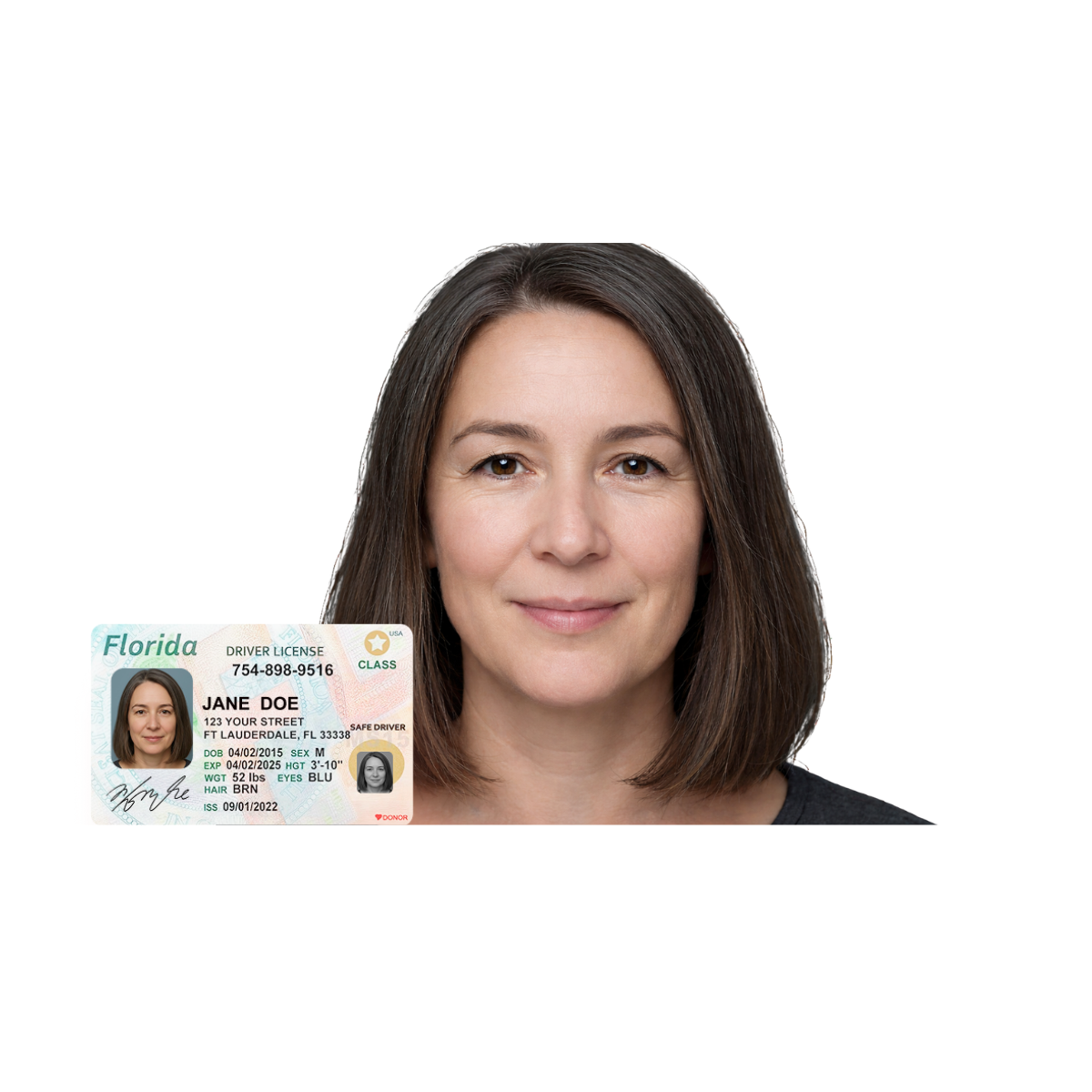
Digital identity fraud has increased significantly across residential communities, with synthetic identities and document manipulation becoming more sophisticated. This rising threat makes strong verification systems essential for Florida’s age-restricted communities that must protect their 80% compliance status. Florida’s 2026 regulatory updates respond to these fraud trends by emphasizing reliable documentation and defensible records for maintaining the 80% threshold. At this level of risk, manual verification becomes impractical for many associations.
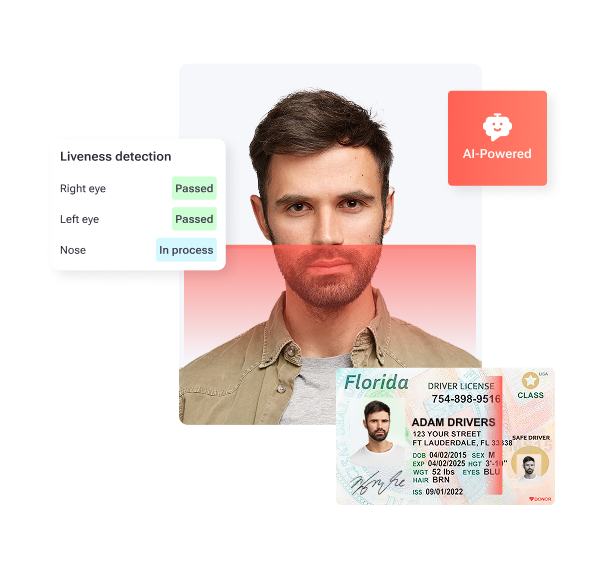
TenantEvaluation processes over 100,000 applications annually across 5,000+ communities and incorporates IDVerify biometric verification to strengthen identity confirmation before age verification begins. This multi-layer approach moves CAMs beyond document-only review to verified physical identity confirmation, which reduces fraud exposure in age-restricted communities. See how biometric verification fits into your 55+ compliance workflows by requesting a personalized demo.

Practical Application: Daily 55+ Workflows for CAMs and Boards
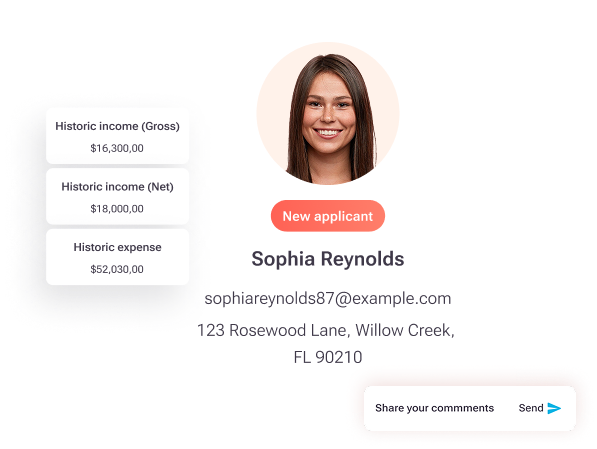
Effective 55+ verification relies on structured workflows that replace email chains and manual document tracking. Start with standardized applicant intake forms that capture all required age documentation upfront. Add automated document collection systems that request birth certificates, government-issued IDs, and supporting materials without repeated follow-ups.
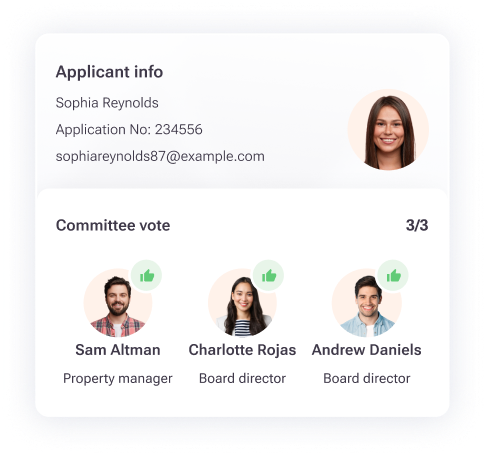
Use centralized review processes so board members can access complete application packages in one place. Pair these with streamlined approval mechanisms through platforms like QuickApprove, which provide real-time voting capabilities and clear decision records. TenantEvaluation’s 55+ Communities Verification for Florida condos and HOAs brings these elements into a single platform so Community Association Managers can improve operational efficiency while maintaining comprehensive audit trails that support later compliance reviews.
Compliance and Risk: Audit Trails, Documentation, and Governance
Defensible audit trails depend on systematic documentation practices and permanent record retention. Best practices include using permanent documents such as birth certificates and passports for age verification, with copies retained in files rather than originals. Electronic data matches should take priority over applicant-provided documents when those data sources are available.
Implementing these practices manually creates significant administrative burden for CAMs and boards. TenantEvaluation’s FCRA-compliant foundation addresses this challenge by enforcing proper permissible purpose controls and automating adverse action workflows. With $150 million generated for communities and a 4.8/5 Google rating across 5,000+ communities, TenantEvaluation delivers the compliance infrastructure and audit-ready documentation that Florida associations need for reliable 55+ verification.
Common Challenges: Manual Bottlenecks and Inconsistent Decisions
Manual 55+ verification creates significant operational pain points for Florida CAMs. Fragmented communication through emails and PDFs often leads to incomplete documentation, missed deadlines, and inconsistent handling of similar applications. Document authenticity concerns grow when teams rely only on uploaded files without biometric verification or electronic matching.
Board approval delays appear when members lack centralized access to complete application packages. Administrative burden increases quickly as communities scale, with CAMs spending excessive time on follow-ups and document requests. TenantEvaluation’s 55+ Communities Verification addresses these challenges by standardizing application handling, improving documentation consistency, and strengthening internal processes for better operational control.
Ultimate 55+ Compliance Checklist for Florida HOAs
This comprehensive compliance checklist for age-restricted communities gives Florida CAMs and boards a clear implementation path. Start by confirming your regulatory baseline, then define document collection protocols, and finally put technology and training in place to support scalable verification.
Regulatory Foundation
1. Confirm your community is exempt from the prior state registration requirement, which Florida eliminated in 2020.
Document Collection Protocols
2. Request government-issued photo identification from all applicants.
3. Collect birth certificates or passports for permanent age documentation.
4. Implement biometric identity verification through IDVerify with liveness detection.
5. Establish collateral contact procedures for document clarification when needed.
6. Set 10-day deadlines for applicant document submission with clear extension protocols.
7. Maintain copies only and never store original documents in case files.
Decision and Recordkeeping Standards
8. Document board voting decisions through QuickApprove or similar centralized systems.
9. Create comprehensive audit logs with timestamps for all verification activities.
10. Provide staff training on HOPA requirements and Florida-specific regulations.
11. Establish electronic data matching priorities before requesting applicant documents.
12. Implement automated redaction for sensitive personal information.
13. Maintain 80% compliance tracking across all community units.
14. Create standardized communication templates for applicant interactions.
15. Establish escalation procedures for complex verification scenarios.
This checklist forms a practical foundation for consistent 55+ verification processes. Watch TenantEvaluation automate these steps in a live demonstration of the Florida-specific platform.
Best Practices: Biometrics, Standardization, and CAM Tools
Modern 55+ verification works best with technology-enhanced processes that reduce manual oversight and improve accuracy. The foundation of this approach is prioritizing electronic data matches over applicant-provided documents when those data sources exist, which reduces reliance on potentially fraudulent submissions. Building on that verified identity baseline, communities can implement biometric verification to confirm physical presence and identity authenticity before age verification begins.
Once these technical safeguards are in place, standardize communication templates and document requests across all applicants to ensure consistent treatment. TenantEvaluation’s 55+ Communities Verification reduces manual work, standardizes application handling, and supports documentation consistency for Florida condos and HOAs. This comprehensive approach moves communities from fragmented manual processes to structured, scalable verification workflows that CAMs can manage confidently.
Evaluation Framework: How TenantEvaluation Compares
Florida CAMs evaluating 55+ verification solutions should focus on processing speed, Florida-specific specialization, and compliance capabilities. The comparison below shows how TenantEvaluation’s purpose-built design delivers faster processing and stronger compliance infrastructure than generic screening platforms.
| Feature | TenantEvaluation | Competitors |
|---|---|---|
| Processing Time | 5-10 minutes end-to-end automation | 5-10 days manual processing |
| Revenue Model | Revenue-sharing ($150M generated) | Monthly subscriptions |
| FL 55+ Specialization | Built-in 55+ Communities Verification | Generic tools, no HOA focus |
| Security Infrastructure | PCI Level 1, biometrics, direct TransUnion | Basic security, no end-to-end verification |
TenantEvaluation’s specialized focus on Florida community associations, combined with FCRA-compliant infrastructure and biometric verification capabilities, provides stronger value than generic screening platforms like ApplyCheck, Verify Screening Solutions, or broader property management software such as AppFolio.
FAQ: Florida 55+ Compliance and Verification
What are Florida 55+ compliance basics?
Florida 55+ communities must maintain at least 80% of units with residents 55 years or older and present themselves as housing for older persons in marketing materials. State registration is no longer required, following the 2020 change. Communities must verify applicant ages through reliable documentation like birth certificates or passports, maintain audit trails of all verification activities, and apply age requirements consistently across all applicants. Proper compliance protects communities from Fair Housing Act violations while preserving their age-restricted exemption status.
How do HOAs verify age restrictions?
Age verification starts with collecting permanent documentation such as birth certificates or government-issued passports from all applicants. Communities then implement biometric identity verification to confirm document authenticity and physical presence. Standardized workflows for document collection, board review, and approval decisions keep the process consistent.
Comprehensive audit trails with timestamps should record each verification step. Teams should use electronic data matching when available before requesting documents from applicants. Staff training on proper verification procedures and Florida-specific requirements ensures consistent application across all cases.
Is there a free 55+ compliance checklist PDF?
A comprehensive 55+ compliance checklist should cover confirmation that state registration is no longer required, government ID collection, birth certificate requirements, biometric verification protocols, collateral contact procedures, deadline management, and document handling guidelines. It should also address board voting processes, audit trail creation, and staff training requirements.
The checklist needs to align with Florida statutes, HOPA compliance rules, and best practices for maintaining the 80% age threshold. Regular updates keep the checklist aligned with evolving regulations and industry standards.
What belongs on a Florida 55+ verification checklist?
Florida-specific verification requires understanding state statutes governing age-restricted housing and applying consistent documentation practices across all applicants. Key elements include permanent document collection, electronic verification when possible, standardized communication protocols, centralized board review processes, and comprehensive audit trail maintenance. Communities must balance efficient processing with thorough verification so they maintain compliance while serving applicants effectively.
What are common age-restricted documentation items for HOAs?
Age-restricted HOAs typically require birth certificates or passports for permanent age documentation and government-issued photo identification for identity verification. They also collect lease agreements or purchase contracts listing all occupants, income verification documents, and background check authorizations. Additional items may include previous landlord references, emergency contact information, and signed acknowledgments of community age restrictions. This documentation supports compliance with the 80% rule and gives boards the information they need for sound decisions.
How should HOAs audit 55+ documentation?
Effective 55+ auditing involves systematic review of age verification documentation and confirmation that permanent documents support claimed ages. Associations should verify community-wide 80% compliance ratios and check documentation consistency across approved applicants. Audit procedures can include random sampling of approved applications, verification of document authenticity, review of board approval decisions, and confirmation of proper record retention practices. Regular internal audits help identify potential compliance gaps before external reviews occur.
Manual 55+ verification processes create unnecessary administrative burdens and expose Florida communities to compliance risks and audit vulnerabilities. The compliance checklist in this guide provides a framework for standardized, efficient verification that protects both applicants and associations. TenantEvaluation’s 55+ Communities Verification delivers the scale and results referenced throughout this guide, with a proven track record of reducing manual work by up to 50 hours per day for management teams. The platform’s FCRA-compliant foundation, biometric verification capabilities, and Florida-specific design make it a strong choice for CAMs seeking scalable 55+ verification solutions. Transform your manual verification process by scheduling a demo to see TenantEvaluation in action, with streamlined, compliant workflows that strengthen operational efficiency and support documentation consistency across your 55+ communities.
