
Key Takeaways
- Florida HOAs in 2026 manage stricter digital and data compliance standards, so software choices now directly affect legal risk and board workload.
- Specialized HOA screening tools support website mandates, secure document handling, and fair housing compliance more effectively than generic property management platforms.
- Core features to prioritize include online applications, identity and income verification, background screening, board workflows, and strong data security.
- Different platforms serve different needs: larger portfolios often favor broad management suites, while many Florida associations gain more value from HOA-specific screening tools.
- Tenant Evaluation offers Florida-focused, end-to-end screening with identity verification, background checks, and board dashboards; get started with Tenant Evaluation here.
Why Robust HOA Screening Software is Essential in 2026
Addressing Growing Complexities and Compliance Demands in Florida
Florida HOAs in 2026 operate under tighter administrative and regulatory expectations than even a few years ago. Florida HOA law mandated websites or mobile apps by January 1, 2025, for associations managing over 100 parcels, with specific document posting and secure access requirements. This shift made digital processes a core part of HOA governance, not an optional upgrade.
Manual screening or generic tools now create unnecessary risk. Associations must manage fair housing obligations, handle sensitive personal data, and follow state-specific procedures. Software that does not match these workflows can lead to inconsistent reviews, missing documentation, and avoidable liability.
The Benefits of Specialized HOA Software for Operational Efficiency and Risk Mitigation
Many leading HOA platforms now combine member databases, portals, online payments, event tools, and reporting. Screening systems built for HOAs extend this approach into applications and approvals, with Florida-focused compliance rules, automated document redaction, and board-ready review tools.
Centralized, secure screening reduces manual data handling, supports consistent decisions, and creates clear audit trails. These capabilities limit exposure to data breaches, missed deadlines, and incomplete files, while helping boards move faster on approvals.
Comparing 7 Leading HOA Screening Software Options
1. TenantEvaluation: Florida-Focused End-to-End Solution
TenantEvaluation is built specifically for Florida HOA and condominium associations. The company, founded in 2007, processes over 100,000 applications each year and has generated more than $150 million for communities through its platform.
The system includes a fully online application, adaptive forms for each community, automated document redaction, PCI Level 1 compliance, and end-to-end encryption. The QuickApprove dashboard gives board members a concise view of each file, easy-to-read reports, and structured voting.
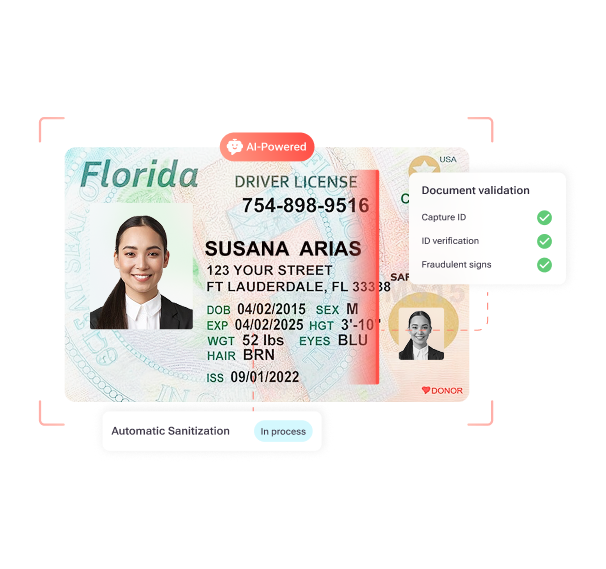
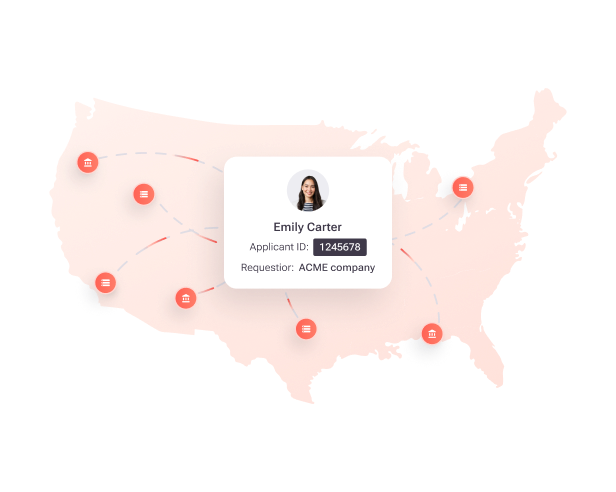
The platform bundles IDverify for identity checks, IncomeEV for income verification, and SafeCheck+ for FCRA-compliant background screening, including national databases.
Additional benefits include:
- 24/7 AI chat support in 11 languages for applicants
- Revenue-sharing on application fees, which can create a new income stream for associations
- Paperless handling of sensitive information to limit in-office risk
TenantEvaluation works with firms such as RealManage, Castle Group, Vesta, FirstService Residential, Campbell Property Management, and Associa. One Florida management company reported annual savings of $240,000 after switching to TenantEvaluation, along with a 50 percent reduction in processing time and less staff time spent on manual tasks.
Schedule a demo today to review TenantEvaluation’s Florida-specific workflows for your community.
2. AppFolio: Broad Property Management With HOA Tools
AppFolio supports HOAs with architectural reviews, dues collection, violation tracking, board approvals, communication tools, resident portals, and financial reporting. Screening is one component within a wide property management suite.
Per-unit pricing starts at $1.49 per unit per month with a minimum fee, which fits larger or mixed portfolios more than small stand-alone associations.
3. Buildium: Core Property Management With Basic HOA Capabilities
Buildium offers online payments, maintenance tracking, accounting, tenant screening, inspections, renters insurance, and 1099 eFiling, with plans starting at $58 per month and a 14-day trial. Screening features sit within a general property management framework.
Associations that need detailed board workflows or Florida-specific automation may find the screening tools less tailored than HOA-focused systems.
4. CINC Systems: Large-Scale HOA Management and Accounting
CINC Systems combines property management, banking, and accounting, with online payments, work orders, document sharing, mobile access, violations management, and reporting. The platform particularly suits larger HOAs that need automated accounting and banking integration.
CINC emphasizes financial operations and portfolio oversight, while screening functions typically require configuration or use alongside other tools.
5. PayHOA: Website and Management for Small to Mid-Sized HOAs
PayHOA helps Florida associations comply with website rules through a built-in website or app, document storage, and role-based access. The software targets small and mid-sized HOAs with online payments, invoicing, and violation tracking on a subscription model.
PayHOA focuses on digital presence and basic management; screening features are more limited than those in specialized screening platforms.
6. Vantaca: HOA Management With Financial Compliance Focus
Vantaca integrates with FinCEN Report for Corporate Transparency Act (CTA) compliance reporting for HOAs. The platform emphasizes financial workflows, accounting controls, and regulatory filings.
Communities that place compliance reporting at the center of operations may benefit, though some will still pair Vantaca with a dedicated screening solution.
7. Verify Screening Solutions & ApplyCheck (TazWorks Platform)
Verify Screening Solutions and ApplyCheck both run on the TazWorks platform and specialize in background checks such as criminal searches, eviction records, and credit verification. These tools focus on depth and accuracy of screening data.
They do not provide full HOA application workflows, document management, or board dashboards, so many communities use them as a component inside a broader onboarding process.
Essential Features to Prioritize in HOA Screening Software
Florida-Specific Compliance and Regulatory Adherence
Florida-focused software should support state screening standards, FCRA-compliant checks, fair housing requirements, and digital record rules. Some tools now support reusable credit reports to reduce costs for applicants, which illustrates how quickly compliance expectations shift.
Audit trails, controlled access, and compliant document posting help boards demonstrate proper procedures during audits or disputes.
Streamlined Application and Digital Document Collection
Effective platforms provide clear, mobile-ready applications that adjust to owners, tenants, and other residents. Features such as electronic signatures, automated document collection, and real-time status tracking keep applicants and managers aligned.
Automated reminders and checklists reduce back-and-forth communication and help files reach the board complete and on time.
Robust Background and Credit Screening Capabilities
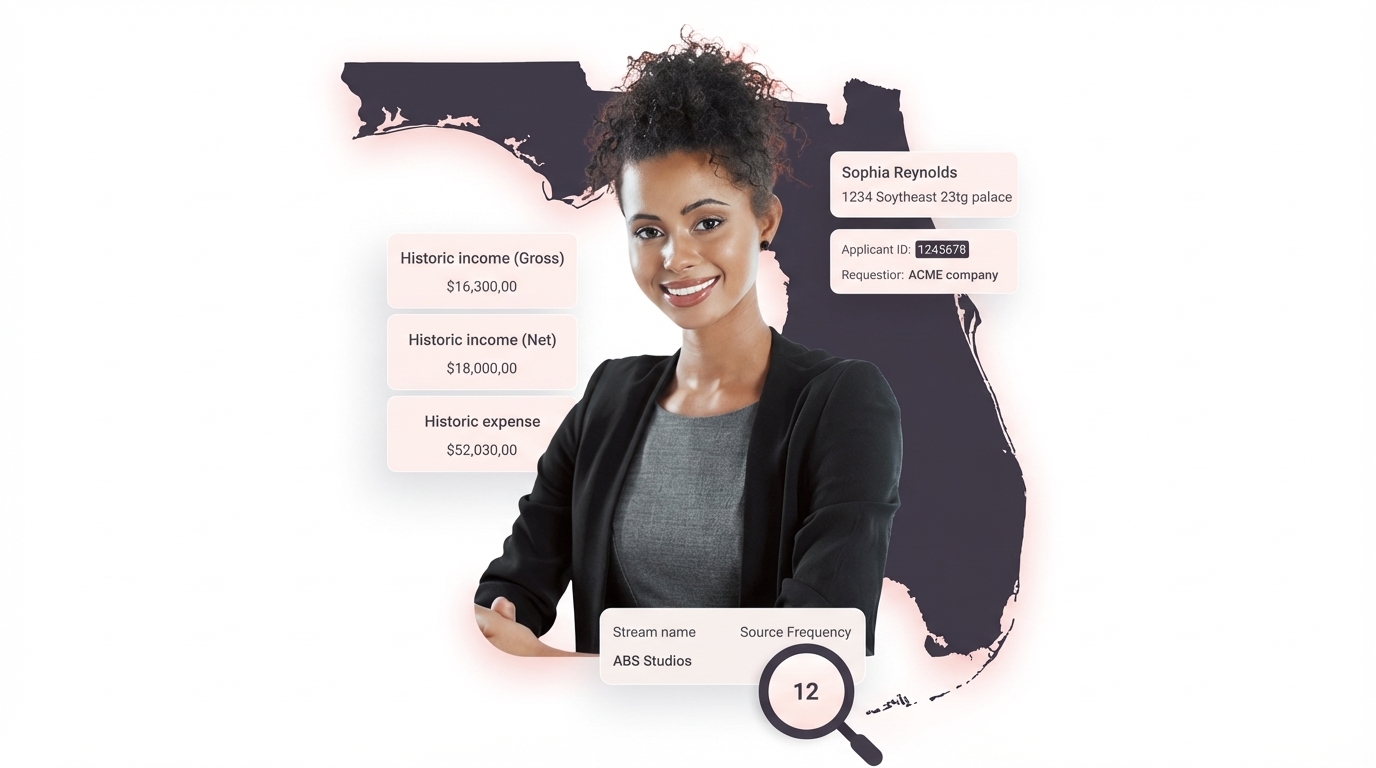
Comprehensive HOA screening usually includes credit checks, criminal searches, eviction history, and income verification. Platforms that integrate identity, employment, and reference checks into one workflow give boards more complete, consistent information for decisions.
Board Member Review and Approval Workflows
Board-specific dashboards, summary views, and voting panels support clear and auditable approvals. Real-time notifications and mobile access help board members review applications quickly, which improves the experience for incoming residents.
Security, Data Protection, and Redaction
Bank-level security, PCI Level 1 compliance, encryption, and automatic redaction of sensitive data all protect applicants and the association. Detailed logs of who accessed which information at what time further reduce risk.
Integration With Existing HOA Management and Accounting
Modern HOA accounting systems automate ledgers, reporting, online payments, and bank integrations while supporting regulatory compliance. Screening tools that sync with these systems prevent duplicate entry and connect application fees, resident records, and ongoing assessments.
Aligned systems give management teams one reliable source of truth for ownership, residency, and account status.
Comparison Table: Key Features of Leading HOA Screening Options
The table below summarizes how select solutions handle core HOA screening and workflow needs.
|
Feature |
TenantEvaluation |
AppFolio |
Buildium |
Verify Screening |
|
Florida-Specific Compliance |
Yes |
Limited |
Limited |
No |
|
End-to-End App Management |
Yes |
Partial |
Partial |
No |
|
Board Review Dashboard |
Yes |
Limited |
No |
No |
|
Automated Document Redaction |
Yes |
No |
No |
No |
|
24/7 Applicant Support |
Yes |
Limited |
No |
No |
|
Revenue Sharing Model |
Yes |
No |
No |
No |
Frequently Asked Questions About HOA Screening Software
How does Florida HOA law impact my choice of screening software in 2026?
Florida law now requires many associations to maintain digital records and secure access, so screening systems must connect cleanly to compliant websites or apps. Software designed for Florida HOAs reduces the chance of missed postings, incomplete records, or inconsistent handling of applications.
Can HOA screening software help our association generate revenue?
Many modern screening platforms collect application fees online and can share a portion of those fees with the association. This model turns a necessary administrative process into a modest but ongoing revenue source while standardizing fee collection.
What kind of support should I expect from HOA screening software for applicants and management?
Strong providers support applicants with guided online forms, status updates, and often multilingual chat or email support. Management teams benefit from training, responsive technical help, and clear documentation so staff and board members can use the system confidently.
Conclusion: Choosing the Best HOA Screening Software for Your Community
Board members and managers in 2026 need screening software that fits both Florida regulations and daily workflows. The most effective platforms combine online applications, secure data handling, detailed background checks, and board-focused review tools, all aligned with state-specific rules.
When comparing options, consider how each system addresses Florida compliance, automation of routine tasks, clarity for applicants, and support for your board’s decision process. A Florida-focused platform such as TenantEvaluation can help your association protect data, move faster on approvals, and manage application-related revenue in a structured way.