Written by: Luis Teran, Co-founder, CEO, TenantEvaluation
Key Takeaways
- The community board approval process in Florida HOAs and condos follows a defined sequence based on statutes, bylaws, and declarations, typically spanning 10 to 60 days.
- Two distinct approval tracks, resident screening and architectural review, each involve different documentation, timelines, and liability considerations that CAMs must manage separately.
- Manual workflows create delays, compliance gaps, and fraud risks, while digital platforms with automated checks and real-time dashboards significantly shorten approval timelines.
- Complete applications, standardized checklists, and documented decision criteria help prevent delays, selective enforcement claims, and legal exposure.
- TenantEvaluation unifies these workflows for Florida associations, so you can see the platform in action and replace fragmented processes with a single connected system.
The Problem: Manual Approvals, Regulatory Pressure, and Fraud Risk
Florida Community Association Managers (CAMs) and board members manage two approval tracks that often get mixed together: resident screening approvals and architectural review requests. Resident screening covers the evaluation of prospective buyers, tenants, and occupants. Architectural review governs exterior modifications, structural changes, and improvements to common or limited common elements. Each track carries its own documentation requirements, statutory timelines, and liability exposure.
Manual processes make these responsibilities harder. Email chains fragment communication. Incomplete submissions stall review cycles. Paper documents create data security risks. Many homeowners in HOA communities experience delays or extra costs due to non-compliance or incomplete applications. For CAMs managing large portfolios across Miami, Fort Lauderdale, Tampa, or Orlando, these inefficiencies multiply across hundreds of simultaneous applications.
These operational challenges now collide with tightening regulatory requirements. Effective January 1, 2026, condominium associations with 25 or more units must operate an official website or secure member portal providing access to governing documents, budgets, meeting minutes, and more under updated Florida Statute 718.111(12)(g). HOAs with 100 or more parcels face the same requirement under Florida Statute 720.303(4), as amended by 2024 HB 1203. Associations that rely on manual workflows face growing exposure to compliance gaps, audit failures, and member disputes.
Identity fraud adds another layer of risk. Traditional document-based screening cannot reliably detect stolen IDs, synthetic identities, or impersonation attempts. These threats are growing across Florida condo and HOA communities.
Florida HOA and Condo Approval Timelines
Approval of sale or lease applications in Florida HOAs and condominiums often takes several weeks after a complete application is received. Architectural review timelines commonly range from 30 to 45 days, depending on project complexity and board meeting schedules. Digital platforms shorten these timelines by removing manual handoffs, automating completeness checks, and enabling real-time board review.
| Request Type | Typical Timeline (Manual) | Common Delay Causes | Timeline with Digital Workflow |
|---|---|---|---|
| Resident Application (Lease/Sale) | Several weeks | Incomplete documents, board scheduling, email delays | As few as 3–7 days |
| Simple Architectural Request (e.g., paint, landscaping) | 30–45 days | Missing permits, incomplete ARC form, seasonal volume | 1–2 weeks |
| Complex Architectural Request (e.g., repiping, addition) | 30–45 days or more | Contractor documentation, permit verification, board cycles | 2–3 weeks |
Required Documents for Florida Community Association Approvals
Each request type requires specific documentation, and a complete first submission is the fastest way to avoid delays.
Resident Application (Lease or Sale): A completed and signed application form, a copy of a government-issued ID for each adult occupant, a signed lease or purchase contract, a background and credit check authorization form, and applicable fees are standard requirements. Florida condominium associations may charge a transfer approval fee of up to $150 per applicant, as adjusted for inflation every five years based on the Consumer Price Index when authorized by the governing documents.
Architectural Modification Request: A detailed ARC form, project plans, material samples, contractor information including license number and proof of insurance, a project timeline, before-and-after renderings or photos, and proof of local permits if required are typically expected. For condominium repiping or structural work, a written request, scope of work, contractor license verification, building permits, estimated timeline, plumbing diagrams, photos of current conditions, and proof of contractor liability insurance are standard.
55+ Age-Restricted Communities: Additional documentation verifying occupant age eligibility is required. Florida condos and HOAs managing age-restricted communities should standardize how these requirements are collected and retained across all applications to maintain consistent records and support internal operational control.
Step-by-Step Community Board Approval Workflow
This eight-step workflow applies to both resident applications and architectural requests, with differences noted for each track.
- Review Governing Documents. Homeowners and applicants review the CC&Rs, architectural guidelines, and bylaws to understand permitted materials, colors, design standards, submission procedures, review timelines, fees, and appeal options. For resident applications, the declaration and bylaws define screening criteria, fee authority, and approval rights.
- Prepare a Complete Application Package. Applicants gather all required documents before submission. Incomplete ARC submissions are a primary cause of approval delays in Florida HOAs. For resident applications, the lease or purchase contract must be fully executed and all adult occupants included.
- Pay Required Fees. Many associations will not begin review until all required fees are paid. Transfer approval fees for condos, up to the statutory cap mentioned earlier, must be authorized by the governing documents. HOAs have no statutory cap, but fees must be authorized and reasonable.
- Submit Through the Designated Channel. Applicants submit via the association’s preferred method, such as an online portal, email, or physical drop-off. Florida courts consistently hold that verbal permission from board members does not bind the association, so written submission and written approval are required.
- Completeness Review. The management company or CAM reviews the submission for completeness. Incomplete or missing documents delay processing. Applicants receive notice of any deficiencies and can resubmit.
- Committee or Board Review. For architectural requests, the Architectural Review Committee (ARC) evaluates the submission against published standards. Florida HOAs may review or approve plans only to the extent specifically authorized in the declaration or other published guidelines under Section 720.3035. For resident applications, the board or an appointed committee reviews screening reports, background checks, and supporting documents.
- Board Vote and Decision. Boards maintain written decisions and conditions, meeting minutes reflecting deliberation and votes, and correspondence with homeowners to demonstrate good-faith decisions based on established standards. If an architectural request is denied, Florida law requires written notice stating with specificity the rule or covenant relied on and the specific aspect of the proposed improvement that does not conform.
- Decision Communication and Post-Approval Steps. Applicants receive approval or denial decisions by email once the board decides, and occupancy before written approval is prohibited and may result in fines or cancellation of the lease. For architectural approvals, many Florida HOAs require a final inspection after project completion to verify that work matches the approved plans.
Common Approval Bottlenecks and Practical Fixes
Incomplete Submissions. Missing documents cause many delays. Automated completeness checks that reject incomplete submissions before they reach the review queue remove this bottleneck at the source.
Email-Chain Delays. Approval workflows spread across email threads and spreadsheets create version-control problems, lost communications, and unclear accountability. A centralized platform with real-time tracking replaces this fragmentation.
Lack of Transparency. Applicants and realtors who cannot see application status generate repeated follow-up calls that consume CAM time. Automated status notifications and applicant-facing portals reduce inbound inquiries significantly.
Identity Fraud Risk. Applications submitted with copied or fraudulent government-issued IDs can pass document-only review. Biometric verification, which combines government ID validation, AI-powered liveness detection, and facial biometric matching, confirms that the applicant is physically present and matches their identification before approval decisions.
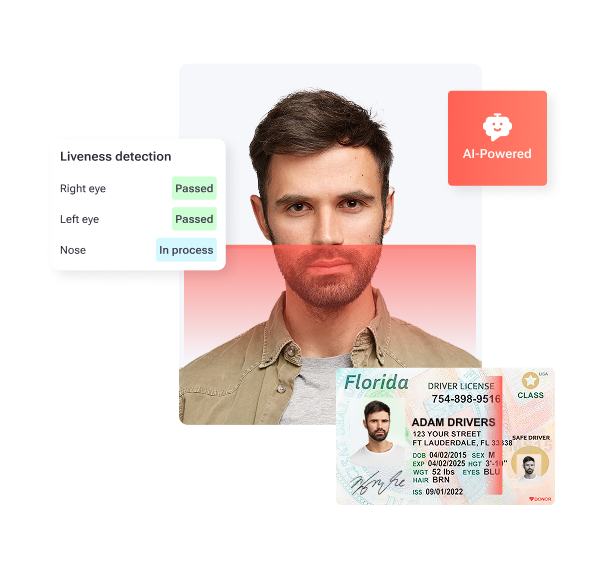
Board Scheduling Gaps. Applications that arrive between board meetings often sit idle. A dedicated board review dashboard with asynchronous voting capability allows board members to act between scheduled meetings while preserving oversight and documentation.
Best Practices for Faster, Transparent Decisions
A standardized architectural review process uses a uniform application form, required supporting materials, clear submission deadlines and meeting schedules, written decisions issued within statutory or document-required timeframes, and documentation of approvals, denials, and conditions. The same structure supports resident screening workflows.
Audit trails provide the backbone of that structure. Every action, including submission, completeness check, committee review, board vote, and decision communication, should be timestamped and stored. These documented records become especially critical when board turnover occurs, because new members rely on historical decisions and rationales to apply precedent consistently and maintain uniform guideline interpretation.
Florida associations must uniformly enforce architectural restrictions or risk a selective enforcement defense, since an association may not arbitrarily enforce a valid restriction against one owner while allowing another to violate it. Objective, documented decision criteria support legal compliance and build applicant trust.
A downloadable pre-submission checklist that covers required documents, fee amounts, submission channels, and expected timelines, and that is distributed to applicants and realtors at the start of the process, reduces incomplete submissions and sets accurate expectations.
Manual vs. Digital HOA Approval Workflows
| Process Stage | Manual Workflow | Digital Workflow | Impact |
|---|---|---|---|
| Application Submission | Paper forms, email attachments, physical drop-off | 100% online portal, web and mobile | Eliminates lost documents, provides 24/7 access |
| Completeness Check | Manual CAM review, applicant notified by phone or email | Automated logic rejects incomplete submissions instantly | Reduces back-and-forth cycles |
| Identity Verification | Document upload reviewed manually | Biometric ID validation, liveness detection, facial matching via IDVerify | Shifts from document-based to biometric-confirmed identity |
| Board Review & Voting | Email chains, spreadsheets, in-person meetings only | Board-ready dashboard with real-time tracking and voting panel via QuickApprove | Enables faster decisions while preserving control and visibility |
How TenantEvaluation Supports Florida CAMs and Boards
TenantEvaluation is an all-in-one resident screening and onboarding platform built for Florida community associations and management companies, with FCRA compliance as the foundation rather than an afterthought. Founded in 2007 by property managers, board members, and software engineers, TenantEvaluation has processed 100,000+ applications annually across 5,000+ communities and generated $150M for those communities.
QuickApprove is TenantEvaluation’s accelerated approval workflow for CAMs, boards, and property management teams inside one connected platform. It replaces email chains and spreadsheets with real-time application tracking, automated communication support, reduced manual follow-ups, customized approval letters, and a personalized welcome package. QuickApprove delivers a board-ready approval process with a dedicated review and voting dashboard, which makes decisions faster, clearer, more consistent, and easier to manage during high-volume seasons and in communities with complex onboarding requirements, while preserving control, compliance, and visibility.

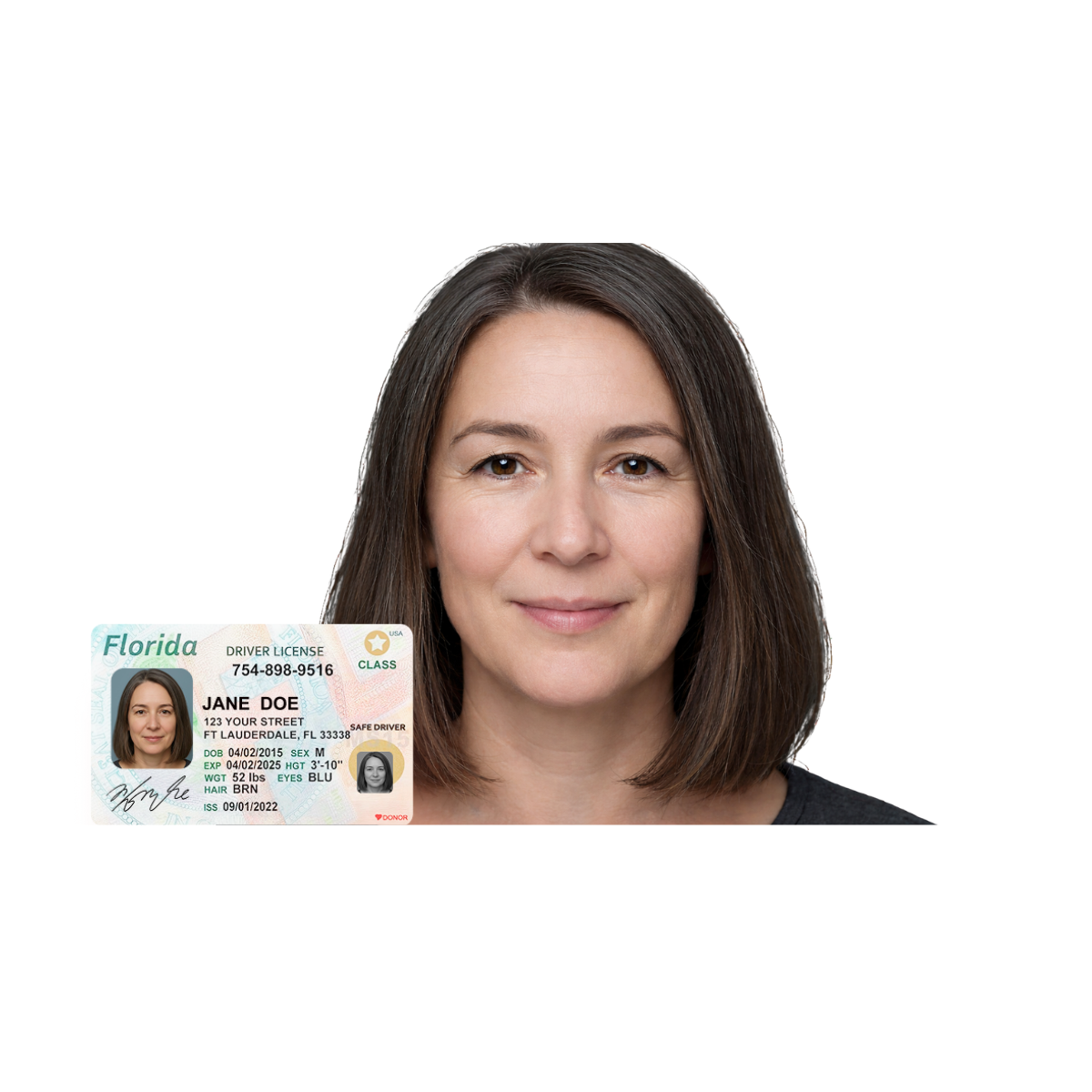
IDVerify brings biometric identity verification directly into the TenantEvaluation workflow. It combines government-issued ID validation, AI-powered liveness detection, and biometric selfie-to-ID comparison to confirm that applicants are real, physically present, and matched to their identification before approval decisions. IDVerify can be enabled per condo or HOA and configured per property portfolio, which supports different community risk profiles without a one-size-fits-all approach.

55+ Communities Verification helps Florida condos and HOAs standardize how age-restricted application requirements are handled across applications. It reduces manual work, improves documentation consistency, strengthens internal processes, and improves operational efficiency for CAMs and boards managing age-restricted communities, while still leaving room for legal guidance.
TenantEvaluation is a legitimate reseller of TransUnion and Equifax data, accessed under strict bureau rules with regular compliance reviews and built-in adverse action workflows. PCI Level 1 compliance and end-to-end encryption protect sensitive applicant data throughout the process.
Frequently Asked Questions
How long does HOA board approval take in Florida?
Resident application approvals in Florida HOAs and condominiums often take several weeks after a complete application is received. Architectural modification requests generally take 30 to 45 days depending on project complexity, application completeness, and board meeting schedules. Digital platforms with automated completeness checks and real-time board dashboards can shorten resident application timelines to as few as 3 to 7 days by removing manual handoffs and scheduling delays.
What documents are needed for community association approval in Florida?
For resident applications, standard documents include a completed and signed application form, government-issued photo ID for each adult occupant, a signed lease or purchase contract, background and credit check authorization, and applicable fees. For architectural requests, associations typically require a completed ARC form, project plans or drawings, material samples, contractor license and insurance documentation, a project timeline, before-and-after photos or renderings, and proof of any required local permits. Age-restricted 55+ communities require additional documentation verifying occupant age eligibility. Requirements vary by association and are defined in each community’s governing documents.
What is the difference between resident screening approval and architectural review in Florida HOAs?
Resident screening approval evaluates prospective buyers, tenants, and occupants against the association’s eligibility criteria, including background checks, credit history, income verification, and identity confirmation. Architectural review evaluates proposed exterior modifications, structural changes, or improvements to common or limited common elements against the association’s published design standards and governing documents. Each track has distinct documentation requirements, review committees, statutory timelines, and decision standards. Florida law requires associations to apply architectural standards uniformly and to provide written notice with specific reasons for any denial.
Who is responsible for approving resident applications and architectural requests in Florida community associations?
The Board of Directors holds ultimate decision-making authority for both resident applications and architectural requests. Many associations delegate initial review to an appointed committee, such as a screening committee for resident applications or an Architectural Review Committee (ARC) for modification requests, which makes recommendations to the board. The management company or CAM processes paperwork, conducts completeness checks, and facilitates communication but does not make approval decisions. All decisions must be documented in meeting minutes with a clear audit trail.
Can a Florida HOA or condo board deny an application without providing a reason?
For architectural requests, Florida law requires the association to provide written notice stating with specificity the rule or covenant relied on and the specific aspect of the proposed improvement that does not conform. For resident applications, the governing documents and applicable statutes define the basis for denial, and associations must follow FCRA-compliant adverse action procedures when a consumer report contributes to a denial decision. Associations that deny applications inconsistently or without documented basis face selective enforcement claims and potential legal liability. Maintaining complete audit trails and applying objective, documented criteria for every decision supports defensible governance.
Conclusion: Moving From Manual Chaos to Structured Approvals
Structured community board approval processes protect Florida associations from compliance exposure, reduce administrative burden on CAMs and boards, and deliver faster, more predictable outcomes for applicants and realtors. The combination of clear documentation standards, objective decision criteria, complete audit trails, and digital workflows turns approval cycles from a source of operational friction into a controlled, scalable process.
TenantEvaluation delivers that structure through a single connected platform that combines QuickApprove for accelerated board-ready approvals, IDVerify for biometric identity confirmation, and 55+ Communities Verification for age-restricted community documentation consistency, all built on an FCRA-compliant foundation designed exclusively for Florida community associations and management companies.
Discover how TenantEvaluation can streamline your approvals and help Florida CAMs and boards move from manual approval chaos to a structured, transparent, and accelerated workflow.
