Written by: Luis Teran, Co-founder, CEO, TenantEvaluation | Last updated: December 29, 2025
Key Takeaways
- Florida HOAs and condos now manage more applications, regulations, and documentation than ever, so manual workflows create delays, risk, and frustration for boards and residents.
- Effective community association software should support Florida-specific compliance, secure data handling, and clear communication between managers, boards, and residents.
- Specialized tools for digital applications, background checks, and board approvals create faster, more accurate onboarding and reduce costly errors.
- Comparing general property management platforms with specialized Florida-focused tools helps boards understand tradeoffs in compliance, automation, and long-term value.
- TenantEvaluation offers Florida-focused screening and onboarding with digital applications, board dashboards, and automated compliance; schedule a short demo to see how it works for your association.
Why the Right Community Association Software Matters for Florida Boards
Florida managers and boards face complex operational demands that spreadsheets, email chains, and paper files no longer handle well. Many CAM teams still spend hours every week on manual AP tasks and paper workflows, which slows down approvals, increases errors, and frustrates residents.
Growth has also raised the stakes. In 2025, 92% of community association management companies planned to expand their portfolios, and about 4,000 new associations were expected, so 2026 boards must scale operations without adding the same amount of staff.
Modern community association software should automate key tasks, support compliance, and provide visibility for managers, boards, and residents. The right platform reduces manual work, improves communication, and lowers the risk of missed deadlines, inconsistent decisions, and security issues.
Key Evaluation Criteria for Florida Community Association Software
Resident Screening and Onboarding That Reduces Risk
Associations benefit from end-to-end digital application workflows. Effective platforms provide:
- Online applications with e-signatures and fee collection
- Structured document uploads and checklists
- Integrated background, credit, and income checks
- Clear approval workflows for managers and boards

Florida-Specific Compliance and Regulatory Fit
Florida associations operate under state statutes, local rules, FCRA requirements, and fair housing laws. Generic tools may not align with these details. Strong options for Florida boards include:
- Configurable rules that match your governing documents
- Built-in support for FCRA-compliant screening workflows
- Fair housing safeguards within application and decision processes
Automation That Saves Time
Automation reduces work for managers and board volunteers. Helpful capabilities include:
- Automated status updates and notifications
- Template-based communications to applicants and residents
- Standardized workflows for reviews and approvals
Communication Tools That Keep Stakeholders Informed
Community-focused software with email tools, filtered lists, and preference tracking helps boards maintain consistent communication with residents and vendors. Centralized messaging also improves recordkeeping when disputes arise.
Data Security and Privacy Protections
Background checks, IDs, and financial documents contain sensitive data. Modern software with stronger security features now replaces many older systems that increase breach risk. Florida associations should look for encryption, access controls, and clear audit trails.
Scalability and Integration With Existing Systems
The right platform should grow with your portfolio. Helpful traits include flexible user permissions, support for more units and communities, and integrations with accounting and communication tools so your team keeps one connected workflow instead of separate systems.
TenantEvaluation: Florida-Focused Screening and Onboarding for HOAs and Condos
TenantEvaluation focuses on resident screening and onboarding for Florida HOAs and condominiums. The platform centers on applications, compliance, and board decisions rather than broad property management features.
Digital Applications and Payments in One Place
TenantEvaluation replaces paper packets with a fully online application portal. Applicants submit forms, upload documents, sign electronically, and pay fees from any device. Managers and boards see accurate, legible information without chasing missing pages or signatures.
Rules and Compliance Configured for Each Community
Each community can configure its own rules, such as minimum credit standards, occupancy limits, and required documents. These rules align with Florida regulations and the association’s governing documents so the process stays consistent and defensible.
Smart Forms and Automatic Redaction for Security
Smart forms adjust questions based on applicant type and community rules, which reduces incomplete or incorrect applications. The system also redacts sensitive data in board packets, supports PCI Level 1 compliance, and uses end-to-end encryption to protect resident information.
QuickApprove Dashboard for Boards
The QuickApprove dashboard gives board members concise application summaries, a simple voting panel, and a full audit trail of decisions. This structure speeds up approvals and creates a clear record if questions arise later.
Integrated Screening Suite: IDverify, IncomeEV, and SafeCheck+
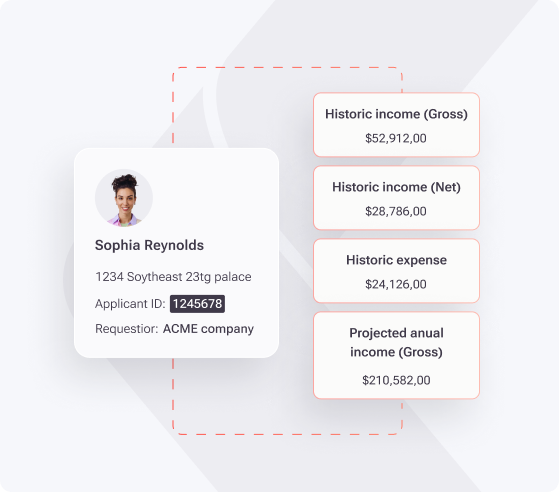
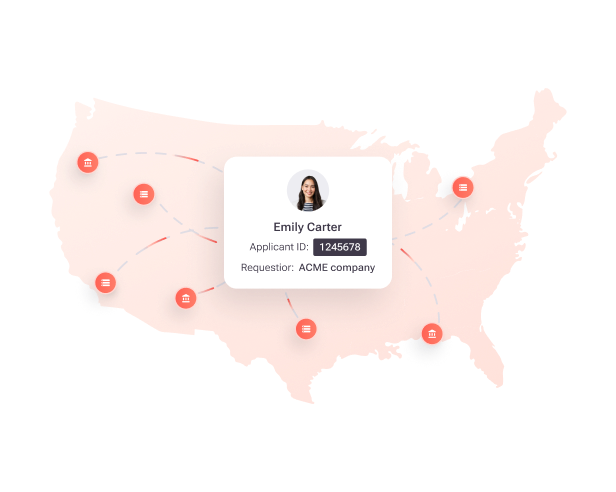
TenantEvaluation connects ID checks, income verification, credit information, and national and international background searches in one workflow. The tools support consistent, documented decisions instead of ad hoc checks handled by different vendors.
Schedule a demo to see how TenantEvaluation can support your Florida HOA or condo board.
Head-to-Head: How Leading Platforms Compare for Florida Associations
Broad Community Management Platforms
Buildium and AppFolio provide accounting, maintenance tracking, portals, and basic screening. They work well for general property management but place less emphasis on detailed onboarding flows, Florida-specific compliance, and board voting structures. Screening often depends on third-party tools that require extra setup and manual review.
Screening and Fraud-Detection Tools
Services such as Verify Screening and Snappt focus on background checks or fraud detection. These tools help verify applicant information but usually do not handle full application workflows, board approvals, or automated document redaction for packets shared with decision-makers.
Comparison Table: Key Features for Florida HOAs and Condos
|
Feature / Software |
TenantEvaluation |
Buildium |
AppFolio |
Verify Screening |
|
Florida-specific compliance tools |
✅ |
❌ |
❌ |
❌ |
|
End-to-end digital onboarding |
✅ |
Partial |
Partial |
❌ |
|
Dedicated board approval portal |
✅ |
❌ |
❌ |
❌ |
|
Automated document redaction |
✅ |
Partial |
Partial |
❌ |
|
Integrated screening suite |
✅ |
Partial |
✅ |
✅ |
|
24/7 multilingual support |
✅ |
❌ |
❌ |
❌ |
Looking Beyond Features: Total Cost and Strategic Value
Well-chosen software reduces staff workload and shortens approval timelines. TenantEvaluation clients report large time savings from automation and faster processing of applications, which lowers per-application labor costs.
AI-supported tools now help community association managers automate repetitive tasks, scale portfolios, and maintain service levels. For Florida boards, this shift means more time for policy decisions and less time sorting paperwork.
Risk reduction also matters. Automated compliance checks, structured workflows, and secure data handling reduce exposure to disputes, regulatory findings, and security incidents. For management companies seeking growth, the right software supports more communities without a matching increase in staff.
Explore how TenantEvaluation can support your long-term operations and risk management strategy.
Frequently Asked Questions (FAQ)
How does TenantEvaluation address Florida-specific compliance needs?
TenantEvaluation supports Florida regulations by configuring each community’s governing documents, approval rules, and screening criteria inside the platform. The system ties ID checks, background screening, and audit trails into one workflow so associations can document how each decision followed consistent, rule-based criteria.
Can smaller HOAs or condos benefit from specialized software?
Smaller communities still manage deadlines, applications, and sensitive resident data, often with limited staff or volunteer boards. TenantEvaluation automates many manual steps, reduces back-and-forth with applicants, shortens approval times, and provides secure storage for documents. These gains help smaller associations reduce risk and improve service without hiring more staff.
How does screening software create savings or new revenue for an association?
Screening software reduces staff time spent on data entry, document review, and status updates. TenantEvaluation also supports automated fee collection during the application process. Consistent screening decisions lower the chance of future problems with residents, which can reduce legal and operational costs over time.
Conclusion: Choose Software That Fits Your Community
Community association software now plays a central role in how Florida HOAs and condos operate. Platforms built with Florida rules, digital onboarding, and board workflows in mind give associations better control over risk, timelines, and resident experience.
TenantEvaluation combines online applications, Florida-focused compliance tools, integrated screening, and a board-friendly approval dashboard. The platform has processed more than 100,000 applications per year, generated over $150 million for communities, and maintains a 4.8 out of 5 Google rating.
Boards that want to modernize resident screening and onboarding in 2026 can start by seeing the process in action. Schedule a TenantEvaluation demo to review how the platform could support your Florida HOA or condominium association.
