
Key Takeaways
- Florida community associations in 2026 must manage stricter rules on records, transparency, and resident screening, especially for HOAs and condos.
- Clear, standardized screening policies reduce Fair Housing risk and align with Florida Statutes 718 and 720.
- Secure background, credit, and income checks protect residents while honoring Florida privacy exemptions for personal identifying information.
- Automated workflows, analytics, and structured application fees shorten approval times, strengthen governance, and can add predictable revenue.
- Tenant Evaluation offers a Florida-focused screening platform that supports compliant, efficient workflows; schedule a demo to get started at Tenant Evaluation.
Florida community associations operate in a complex legal environment with recent legislative changes in 2025 such as amended records retention rules, milestone inspections for condos, and expanded website requirements for HOAs. Effective, compliant screening protects the community, limits legal exposure, and keeps operations efficient.
Why Manual Screening Fails in Florida’s Evolving Regulatory Environment
Manual processes increase administrative workload
Paper applications, email chains, and repetitive data entry consume staff time that could support owners and residents. Teams often spend hours tracking missing documents and retyping information instead of managing the community.
Outdated workflows raise compliance risk
Constant legal changes make it difficult for manual systems to stay current with the Fair Housing Act and Florida Statutes such as FS 718.111 and FS 720.303. Screening errors can trigger Fair Housing claims, statutory violations, fines, and reputational damage. The requirement for HOAs with 100 or more parcels to offer electronic records access by January 1, 2026 adds further detail to track.
Unsecured data handling creates vulnerabilities
Paper forms, email attachments, and shared drives often expose Social Security numbers and financial data. These practices conflict with Florida privacy provisions that exempt personal identifying information from public disclosure and increase the risk of data breaches or identity theft.
Slow reviews delay move-ins
Manual review and unclear workflows extend approval timelines, frustrate buyers, tenants, and realtors, and can leave units vacant longer than necessary. Boards also struggle to track where an application stands and who must act next.
1. Master Florida’s Legal Framework for Resident Screening
Fair Housing compliance protects your association
Boards and managers must understand protected classes under the Florida Fair Housing Act and maintain objective, non-discriminatory criteria. Screening questions and decisions should relate directly to legitimate safety or financial concerns and apply the same way to every applicant.
State statutes shape your policies
Key provisions in FS 718 and FS 720 guide records, transparency, and privacy. Requirements for maintaining official records with specific retention periods and protecting PII from disclosure should appear in your written screening procedures, checklists, and workflows.
Consistent, documented procedures reduce risk
Boards should adopt written policies that define approval criteria, evaluation steps, and documentation standards. When an applicant has a criminal history, decision makers should follow an individualized assessment tied to community safety instead of broad exclusions.
2. Implement Robust Background Checks: Criminal and Financial
Criminal background checks should be structured and fair
Effective criminal checks define which records to review, how far back to search, and what types of offenses may affect eligibility. FCRA-compliant consent forms, clear disclosures, and adverse action procedures protect both the applicant and the association.
Financial reviews support long-term stability
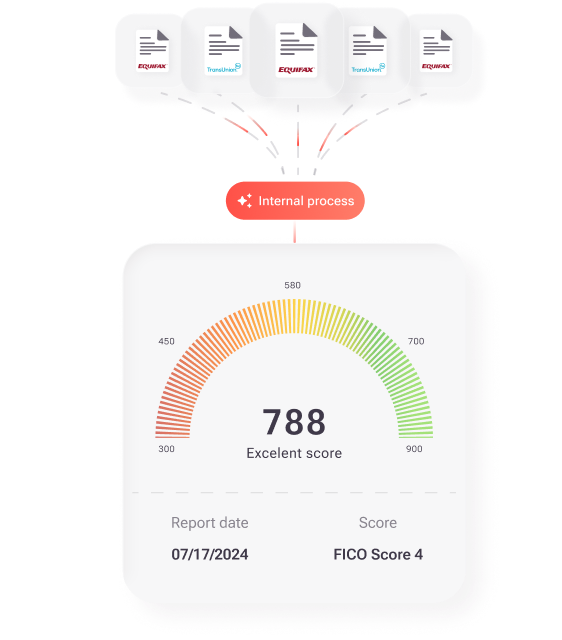
Credit history and income verification help boards gauge an applicant’s ability to meet association obligations. Tenant Evaluation’s IncomeEv solution verifies income with employers instead of relying solely on documents supplied by the applicant, which reduces fraud and improves accuracy.
Reliable screening partners reduce errors
FCRA-compliant services such as Tenant Evaluation’s SafeCheck+ provide nationwide and global background checks, including criminal databases, offenses registries, and FBI Most Wanted lists. Centralizing this data in one platform helps boards make informed decisions with fewer delays.
Schedule a demo today to see how Tenant Evaluation can streamline community association applications and support compliant screening in Florida.
3. Streamline Application and Document Collection
Digital intake reduces incomplete files
Online applications with required fields and document prompts cut down on missing information and follow-up emails. Staff gain time to handle owner questions, projects, and meetings instead of chasing paperwork.
Electronic records support new Florida mandates
Florida’s push toward digital access now includes electronic records access for HOAs with at least 100 parcels by January 1, 2026 and public posting requirements for condo associations with 25 or more units by the same date. A platform that stores screening records securely and organizes them for access helps associations stay ready for audits and owner requests.
Automation saves time for managers and boards
Systems like Tenant Evaluation use smart forms and IDverify tools to confirm that leases, IDs, and key documents are complete before submission. Many management teams report saving dozens of staff hours per day when they replace manual intake with automated workflows.
4. Protect Applicant Data and Meet Florida Privacy Rules
Stronger data security builds owner trust
Communities handle highly sensitive information, including SSNs, bank details, and employment records. Secure handling reduces the risk of data breaches, legal claims, and long-term reputational damage.
Privacy exemptions require careful handling of PII
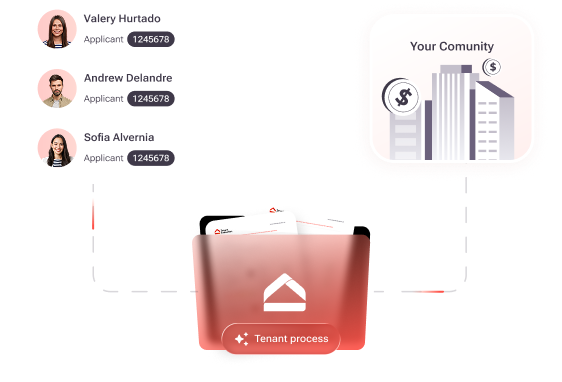
Platforms that use encryption, role-based access, and redaction help associations comply with Florida’s exemptions for personal identifying information. These tools allow boards to share required records without exposing protected data.
Compliance-focused technology limits exposure
Solutions with PCI Level 1 compliance and automatic redaction offer an added layer of protection. Tenant Evaluation’s infrastructure supports secure payments, storage, and transmission of applicant data, which helps associations meet both legal and ethical standards.
5. Optimize Board Review and Approval Workflows
Clear workflows reduce approval bottlenecks
Boards often face delays when applications move by email or paper packet. Lack of tracking can cause confusion about who must review next, which slows move-ins and creates frustration.
Board dashboards improve transparency
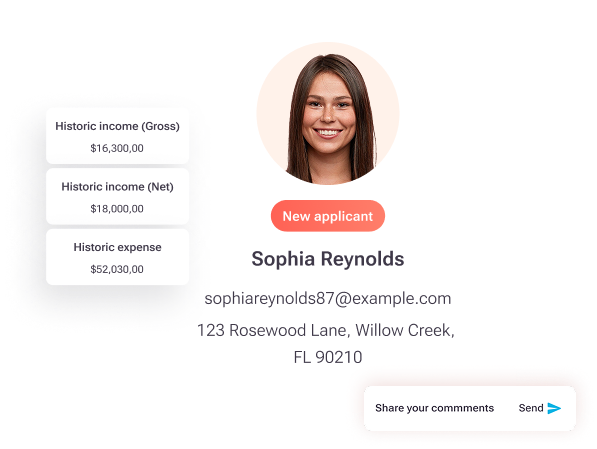
Dedicated tools such as Tenant Evaluation’s QuickApprove present summaries, supporting documents, and voting options on a single screen. Audit trails and time stamps align with growing expectations for board accountability and with proposed changes to HOA mediation and oversight.
Faster decisions support sales and rentals
Summarized reports and direct voting features shorten approval timelines while keeping the board fully informed. Communities often see faster closings and happier applicants when they shift from email chains to structured board dashboards.
6. Use Technology for Ongoing Compliance and Analytics
Custom setups reflect each community’s rules
Screening platforms that map to your governing documents, rider language, and building-specific criteria help maintain consistent decisions. Tenant Evaluation configures workflows to reflect Florida law and each association’s documents, which reduces the need for manual workarounds.
Analytics inform long-term planning
Aggregated data about application volume, approval rates, and demographics supports better planning and communication. These insights also help boards respond to new posting and disclosure requirements for condos by January 1, 2026.
Data supports policy updates
Trends in pet ownership, parking usage, or EV adoption can guide decisions on pet rules, parking management, and charger installations. Evidence-based policies are easier to explain to owners and more likely to stand up to scrutiny.
7. Turn Screening into a Revenue-Positive Process
Structured fees can support community finances
Well-designed application fees can cover screening costs and help fund reserves or mandated inspections. Partnerships with providers such as Tenant Evaluation allow associations to collect fees efficiently without upfront software expenses.
Revenue-sharing models offset operating costs
Some screening programs share a portion of fee revenue with the association. These funds can help address rising insurance, maintenance, or compliance expenses while keeping dues more stable.
Documented savings show real impact
Florida management companies using Tenant Evaluation have reported large time and cost savings, including documented annual reductions in labor and processing costs that reach into the hundreds of thousands of dollars. These outcomes come from automation, reduced errors, and streamlined approvals.
Ready to modernize your community association screening? Schedule a demo today to see how Tenant Evaluation supports compliance, security, and financial health for Florida HOAs and condos.
Frequently Asked Questions About Florida Community Association Screening
Typical screening requirements for HOA and condo applicants in Florida
Most associations request criminal background checks at local, state, and national levels, along with credit checks, income verification, and prior landlord or association references. These requirements must follow Florida’s Fair Housing Act and should apply consistently to every applicant, with clear documentation of decisions.
Effects of 2026 Florida laws on resident screening processes
New and updated laws increase expectations for electronic records, online access, and timely posting of association documents. HOAs with at least 100 parcels and condos with at least 25 units must ensure that screening records are stored securely, organized for electronic access, and separated from information that remains exempt from disclosure.
Use of criminal records in application decisions
Boards may consider criminal history, but decisions must rely on objective criteria related to safety and community welfare. Policies should avoid blanket bans and instead weigh the type of offense, how long ago it occurred, and any evidence of rehabilitation.
Ways to keep screening compliant and efficient
Associations can improve both compliance and efficiency by using a Florida-focused digital platform that manages applications, automates background and financial checks, redacts PII, and provides board dashboards with full audit trails. This structure reduces manual work, supports consistent decisions, and strengthens data security.
Cost benefits of automated screening for Florida associations
Automated screening reduces staff time, shortens approval cycles, and lowers the risk of costly errors or legal disputes. Many communities see substantial annual savings and new fee-based revenue while improving the applicant experience.
Conclusion: Build a Compliant, Efficient Screening Program for 2026
Florida community associations in 2026 need screening processes that match today’s legal, security, and transparency requirements. Clear policies, robust background and financial checks, secure data handling, and modern board workflows create a safer and more predictable environment for residents and managers.
Tenant Evaluation supports this approach with tools built for Florida communities, from intake and verification to board review and reporting. Schedule a Tenant Evaluation demo today to strengthen compliance, protect sensitive data, and streamline screening for your HOA or condominium association.