
Key Takeaways
- Community association managers lose significant time to repetitive administrative work, which increases stress and burnout and leaves less time for resident relationships and strategic planning.
- Core productivity tools such as all-in-one management platforms, automated screening, and accounts payable systems help reduce manual data entry, errors, and compliance risk.
- Efficient communication, vendor management, and meeting software create clear processes for boards, residents, and vendors, which improves transparency and speeds up decision-making.
- Cloud-based document management and standardized workflows give teams fast access to accurate records, strengthening compliance and reducing risk during audits or disputes.
- Tenant Evaluation provides automated, compliant resident screening and onboarding for associations, and a quick demo can show how it streamlines applications, improves compliance, and supports revenue for your community.
Why Community Association Managers Are Drowning in Administrative Tasks
Community Association Managers handle a wide mix of administrative responsibilities that often fill entire days. Duties like reviewing proposals, screening prospective owners, and compiling applications rank among the most time-consuming tasks and leave limited time for higher-level planning.
The workload stretches across every part of association life. Managers record and distribute minutes, facilitate board meetings, manage vendor contracts and due diligence, oversee HOA communications, pay bills, collect assessments, and help plan community events. Each responsibility requires accuracy, documentation, and coordination with multiple stakeholders.
Heavy workloads and tight timelines raise burnout risk. Managing multiple properties and processing invoices on time contributes directly to stress and fatigue for many CAMs. Manual processes add opportunities for error and delay, which can frustrate residents and boards.
Manual handling of sensitive resident and financial information also introduces compliance and security risk. Inconsistent documentation can weaken audit trails, and delays in approvals or billing can affect cash flow and service quality for the community.
Targeted productivity tools address these challenges by automating repeatable work, organizing information in one place, and guiding teams through consistent, compliant workflows.
Community teams that adopt smart automation free up hours each week for proactive communication, resident satisfaction, and long-term planning.
To see what this looks like in practice, managers can explore tools that fit their portfolio size, board preferences, and community goals.
Tenant Evaluation offers one of these tools for application and screening workflows. Schedule a demo to see how it can streamline applications, strengthen compliance, and support revenue for your condominium or homeowner association.
7 Essential Productivity Tools to Empower Community Association Managers
1. All-in-One HOA/Condo Management Software
Centralized management platforms act as the operational hub for communities. They combine resident portals, accounting tools, communication modules, and document storage in one system so teams avoid switching between separate applications.
Integrated systems reduce duplicate data entry and keep information consistent across accounting, communications, and records. Well-designed HOA management software with member portals can save managers hundreds of hours each month, which allows more time for resident engagement and planning.
2. Automated Resident Screening and Onboarding Platforms
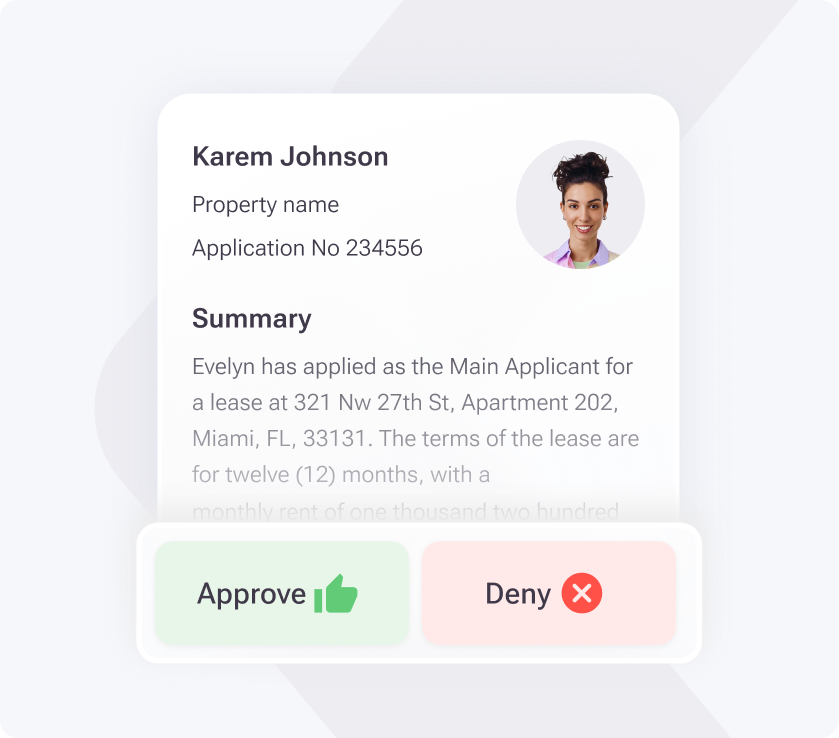
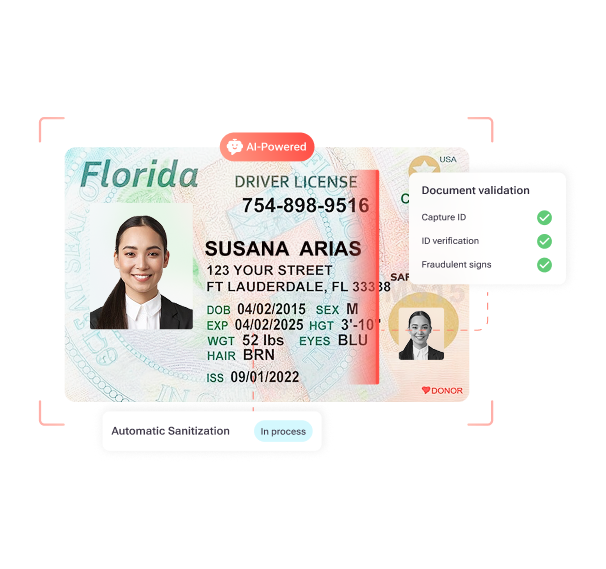
Resident screening and onboarding platforms streamline one of the most complex processes CAMs manage. These tools support digital applications, secure document uploads, ID and income verification, and background checks in one guided workflow.
Tenant Evaluation focuses on associations and boards, with smart forms, secure data handling, and FCRA-compliant background checks that help maintain fair housing and bylaws compliance. Automation reduces manual follow-ups, speeds application review, and gives boards clear information for decisions. This workflow replaces time-intensive screening and application compilation with a structured, trackable process.

3. Digital Communication and Collaboration Tools
Dedicated communication platforms help managers keep conversations organized and transparent. Many solutions offer resident apps, shared inboxes, announcement tools, and online discussion areas that replace scattered email threads and missed calls.
Clear communication protocols reduce back-and-forth and support faster decisions. Standardized communication practices shorten decision-making time for boards and managers, and features such as event calendars, broadcast alerts, and online voting improve participation across the community.
4. Automated Accounts Payable and Financial Management Systems
Accounts payable and financial platforms help CAMs manage invoices, pay vendors, and produce reports with less manual work. Many tools include expense tracking, budget planning, reserve tracking, and integrations with banks and management software.
Association budgeting often involves multiple funding sources, reserves, and unplanned repairs, so reliable tools provide visibility into cash flow and balances. Automated bill payment reduces stress and frees managers to focus on higher-value work, while ensuring on-time payments and better vendor relationships.
5. Vendor Management and Contract Tracking Software
Vendor management platforms organize work orders, contracts, insurance documents, and performance data in one place. These tools simplify scheduling, track completion, and keep certificates and contracts up to date.
Coordinating vendors for landscaping, maintenance, and repairs takes considerable time for HOA managers. Centralized systems support preventative maintenance schedules, track service quality, and streamline bidding for larger projects, which helps safeguard the community’s physical assets and budget.
6. Meeting Management and Minute-Taking Solutions
Meeting management software supports the full lifecycle of board and committee meetings. These tools help with scheduling, agenda templates, digital minutes, document sharing, and follow-up on decisions.
Attending meetings and taking minutes ranks among the most time-consuming tasks for many managers and volunteers. Built-in vote tracking, action item lists, and e-signatures reduce administrative work after the meeting and create a clear record of decisions for boards and residents.
7. Cloud-Based Document Management Systems
Cloud document systems give boards and managers a single, searchable repository for governing documents, contracts, financial records, and resident files. Custom permissions control who can view or edit each category of information.
Fast, reliable document access supports daily administrative tasks and frees board members for more strategic work. Features such as automatic backups, version history, and audit trails support compliance and reduce the risk of lost records or outdated information.
Common Questions About CAM Productivity Tools
The Biggest Administrative Challenge for Community Association Managers
Many CAMs struggle most with the volume and variety of tasks that compete for attention each day. Work such as proposal review, screening prospective owners, vendor coordination, correspondence, and database updates easily fills the day and often spills into evenings. Without automation, managers must track details across emails, spreadsheets, and paper files, which increases the chance of delays, errors, and burnout.
How Technology Reduces Burnout for CAMs
Automation tools reduce burnout by taking over repetitive steps that do not require judgment. Systems can route invoices for approval, send routine notices, gather application documents, and log activity automatically. When technology handles these repeatable tasks, managers have more time for resident issues, vendor strategy, and board support, which leads to better results and more sustainable workloads.
The Role of Efficient Resident Screening in CAM Productivity
Efficient resident screening serves as a key productivity driver because it touches legal risk, resident satisfaction, and board workload. Automated screening platforms collect documents, run background checks, and organize information for board review in one place. Faster, more consistent approvals reduce backlogs, shorten vacancy times, and limit manual follow-ups with applicants and agents.
Strategies Beyond Software That Improve CAM Productivity
Productivity also improves when managers refine internal processes. Clear response templates for common questions, documented workflows for approvals, and realistic service-level expectations help teams prioritize work. Training staff, aligning with boards on decision paths, and holding regular process reviews keep operations efficient as communities grow and needs change.
How Productivity Tools Support Compliance and Risk Management
Modern tools support compliance by enforcing consistent workflows and keeping reliable records. Automated logs show who approved what and when, and standardized templates ensure required disclosures and notices stay up to date. Encryption, access controls, and automated redaction protect sensitive information and reduce the likelihood of data exposure or regulatory violations.
Conclusion: Build a More Manageable Day With Smart Automation
Community association managers face rising expectations while handling complex administrative work. Practical technology choices help close this gap by organizing information, reducing manual tasks, and supporting consistent, compliant workflows across communities.
The seven categories of tools in this guide give CAMs a framework for modernizing their operations in 2026. Managers who invest in all-in-one management platforms, automated screening, digital communication, financial automation, vendor tools, meeting software, and cloud document systems can reclaim time and focus on the resident experience and long-term community health.
Tenant Evaluation fits into this toolkit as a focused solution for application and screening workflows for associations. Schedule a demo today to see how it can streamline applications, improve compliance, and support revenue for your condominium or homeowner association.