
Key Takeaways
- Florida HOAs and condos face stricter 2026 requirements for virtual governance, structural reporting, and DBPR online records, which makes reliable digital management tools essential.
- Digital application, screening, and onboarding platforms reduce manual work, shorten approval timelines, and help maintain compliance with Florida statutes and community bylaws.
- Compliance, communication, and board governance tools give managers and boards clear audit trails, stronger transparency, and better documentation for state reporting.
- Automated payments and analytics features help associations manage cash flow, forecast needs, and align community policies and amenities with resident trends.
- Tenant Evaluation provides Florida-specific screening, workflow automation, and board tools that support compliant, efficient community association management in 2026, and you can get started at Tenant Evaluation.
The Evolving Landscape of Florida Community Association Management
Florida associations face more complex oversight in 2026. Legislative updates that took effect in 2025 reshaped rules for virtual meetings, electronic voting, mandatory inspections, and reserve studies. Amendments to Chapter 718 promote technology-driven governance, including virtual meetings and electronic voting to improve transparency and owner participation.
New mandates for milestone inspections, Structural Integrity Reserve Studies, and DBPR online accounts mean associations now must track more information and maintain current online records. Statutory SIRS requirements with 2025 completion deadlines and funding plans and annual DBPR account and reporting rules highlight the need for organized, verifiable systems. For thousands of Florida communities, the right mix of digital tools now supports both day to day operations and long term regulatory compliance.
1. Digital Platforms for Streamlined Resident Screening and Onboarding
The Future of Resident Applications: Secure, Fast, and Consistent
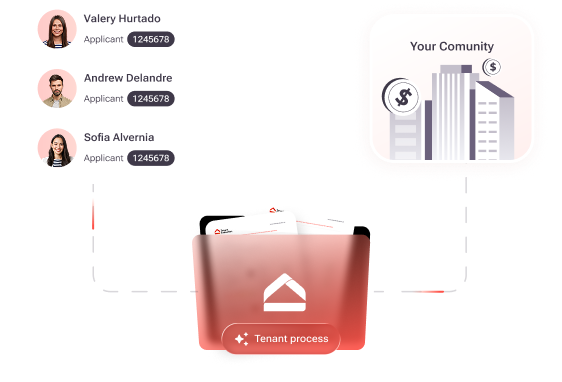
Modern community association management tools Florida boards rely on start with digital application and onboarding workflows. Online platforms replace paper packets with guided forms that capture complete, legible data and apply association rules up front.
Effective application platforms typically support:
- Custom, Florida specific application rules that reduce incomplete or non compliant submissions
- Automated status updates for applicants, managers, and boards
- Integrated document collection with secure storage and access controls
- Data security features such as auto redaction of PII and encryption of sensitive information
Associations that adopt all in one systems often report shorter approval timelines and lower administrative workload. One Florida management company reported significant annual savings and roughly 50 percent faster processing after moving to a unified digital platform, which freed staff for higher value resident service tasks.
Schedule a demo today to see how Tenant Evaluation can streamline applications, improve compliance, and support revenue for your condominium or homeowner association.
2. Communication and Engagement Tools That Support Diverse Communities
AI Assistance and Multilingual Channels for Faster Answers
Clear communication supports resident trust and reduces conflict. Modern community association management tools in Florida increasingly include AI chat, multilingual support, and automated messaging to keep residents informed.
AI powered chatbots now provide 24/7 resident support through websites and apps, guiding users to answers and resources. When combined with email and SMS notifications, these tools deliver:
- Instant responses to common questions about applications, rules, and payments
- Automated alerts for meeting notices, maintenance work, and emergencies
- Multilingual communication that reflects Florida’s diverse resident base
These capabilities lower call and email volume for onsite staff and management companies, while giving residents consistent, documented information from a single system.
3. Compliance Monitoring and Reporting Systems
Staying Ahead of Florida’s 2026 Requirements
Compliance tools now sit at the core of community association management tools Florida boards choose. Associations must document adherence to rules around meetings, voting, inspections, SIRS, and official records.
Legislative updates such as HB 913 streamlined electronic voting and updated notice requirements for adopting electronic systems, which makes consistent digital record keeping more important. Advanced platforms support this by:
- Tracking key deadlines for inspections, reserve studies, and filings
- Logging board decisions and communications in audit trails
- Managing online records required for DBPR accounts and association websites
Compliance engines such as AI assisted calendars and document reviewers can flag gaps and missing items. They also help maintain websites that host budgets, financial statements, minutes, and video links within required timeframes, which reduces the risk of penalties and disputes.
4. Advanced Resident Screening and Background Check Capabilities
Comprehensive Vetting for Safer, More Stable Communities
Resident screening sits at the intersection of safety, fairness, and regulatory compliance. Community association management tools Florida associations favor now go beyond simple credit reports to give boards a fuller picture of applicants.
Robust screening services often include:
- ID verification and fraud checks
- Income verification using pay stubs, bank data, and employer outreach
- Nationwide and international criminal and sex offender searches
- Eviction, rental history, and prior landlord references
- FCRA compliant disclosures, consents, and adverse action processes
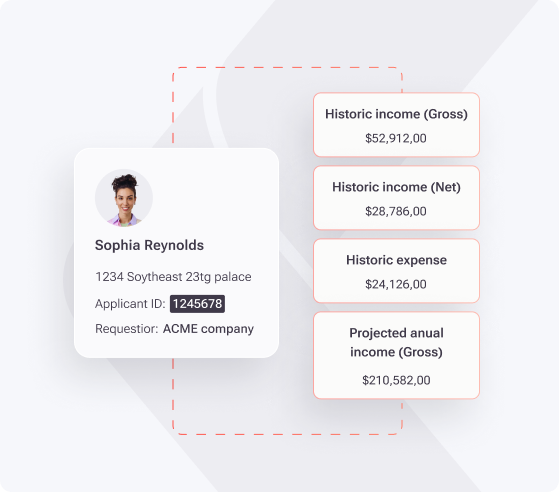
Accurate verification limits reliance on self reported information and helps protect current residents. Boards can make better decisions with consistent reporting formats and clear risk indicators, while maintaining fair and documented processes in line with FCRA standards.
5. Board-Specific Tools for Governance and Transparency
Real Time Dashboards and Structured Approvals
Board members need quick access to reliable information without sorting through long email chains. Community association management tools Florida boards implement now often provide secure portals tailored to directors.
Key capabilities usually include:
- Dashboards with application queues, community statistics, and key deadlines
- Online voting for applications and policy decisions, with time stamped records
- Centralized storage for minutes, budgets, contracts, and legal documents
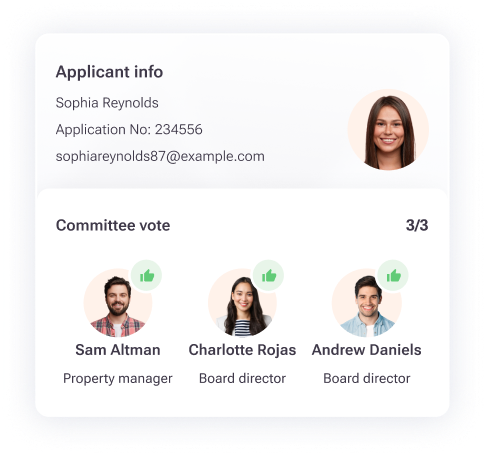
Recent Chapter 718 amendments encourage use of virtual meetings and electronic voting to improve participation and transparency. Board portals that support these methods create clearer audit trails and make it easier to demonstrate compliance if owners or regulators request records.
Schedule a demo today to see how Tenant Evaluation can support your board with organized approvals, clear reporting, and detailed documentation.
6. Automated Fee Collection and Revenue Support
Efficient Payments and Better Cash Visibility
Reliable fee collection underpins every association budget. When application and screening tools accept payments online, they remove manual steps, reduce errors, and create clearer records for managers and auditors.
Capabilities that matter for Florida HOAs and condos include:
- Online payment options for application fees and related charges
- Automatic reconciliation and reporting for treasurers and managers
- Configurable fee structures that reflect association specific policies
Some platforms use a revenue sharing model in which the vendor collects service fees from applicants and sends the remaining portion to the association. This can offset administrative costs for processing applications and generate modest new income without raising dues.
7. Data Analytics and Community Insights
Using Data to Plan Amenities, Policies, and Budgets
Data from applications, screenings, and daily operations can help guide better decisions. Community association management tools Florida organizations adopt now often include analytics modules that summarize trends and highlight risks.
Useful insights may cover:
- Resident demographics, including age ranges and household types
- Owner versus renter ratios and turnover patterns
- Pet ownership, vehicle types, and EV adoption that influence parking and charging plans
- Common application issues that signal policy or communication gaps
These analytics help boards decide when to adjust rules, consider new amenities, or plan capital projects. Benchmarking against similar properties also shows where operations and resident services may need attention.
Frequently Asked Questions (FAQ)
What specific Florida regulations should my community association management tools comply with in 2026?
In 2026, tools should support amendments to Chapter 718 that address virtual meetings, electronic voting, milestone inspections, and Structural Integrity Reserve Studies. Systems should also help maintain DBPR online accounts for CAMs, firms, and associations, including reporting unit counts, building ages, assessments, and contact details. Platforms that store budgets, financials, minutes, and meeting videos on association websites with timely updates align best with current rules.
How can AI powered tools enhance resident satisfaction in Florida community associations?
AI powered tools improve satisfaction by giving residents 24/7 access to answers about applications, rules, and payments in multiple languages. Chatbots handle routine questions and route complex issues to staff with context, which reduces wait times and inbox volume. AI assisted compliance and analytics features also help managers anticipate recurring issues and respond before they escalate.
What are the key benefits of digitalizing the resident application and onboarding process for Florida HOAs and condos?
Digital onboarding reduces paperwork, improves legibility, and shortens processing times. Smart forms apply association criteria from the start, which limits incomplete applications and follow up requests. Security features such as encryption and redaction protect sensitive data, while built in logs and reports create an audit ready record that supports Florida specific compliance needs.
Can community association management tools help generate revenue for my HOA or condominium?
Certain onboarding and screening platforms can reduce net administrative costs or create modest revenue through shared application fees. Online payments and automated accounting cut staff time for processing checks and tracking balances. When a vendor retains its service fee and returns the remaining portion to the association, the community can offset processing costs without direct budget increases.
How do these tools help with board governance and transparency requirements?
Board portals and approval workflows give directors centralized access to applications, records, and voting tools. Each action is time stamped and stored, which supports transparency and simplifies preparation for record requests. Features that support virtual meetings and electronic voting align with Florida’s current emphasis on technology enabled, documented governance.
Conclusion: Building a Compliant, Resident Focused Community in 2026
Florida’s 2026 regulatory environment favors associations that use digital tools to document actions, support residents, and manage risk. Community association management tools Florida properties now adopt, including online applications, AI supported communication, compliance tracking, advanced screening, and analytics, provide a practical framework for meeting these expectations.
Boards and managers that invest in integrated solutions gain clearer records, more predictable workflows, and better insight into resident needs. Over time, this approach supports safer communities, stronger financial health, and more confident compliance with Florida law.
Schedule a demo today to see how Tenant Evaluation can help your Florida HOA or condominium streamline applications, support board decisions, and maintain compliance in 2026.