
Key Takeaways
- Modern HOAs and condos can reduce administrative work and costs by replacing manual tasks with association management software, automation, and specialized services.
- Hybrid and tech-forward management models give boards more flexibility, combining local control with expert support for finance, legal matters, and resident onboarding.
- Dedicated screening and onboarding platforms, such as TenantEvaluation, help boards approve residents faster, stay compliant, and protect sensitive data.
- Financial automation and community engagement tools improve transparency, resident satisfaction, and long-term property values.
- TenantEvaluation supports any management model with automated screening, QuickApprove board tools, and revenue-sharing from application fees. Get started with TenantEvaluation today to modernize your community’s onboarding process.
1. Fully Self-Managed with Advanced Association Management Software (AMS)
The self-managed model keeps control with the board, which suits smaller or highly engaged communities where volunteers handle daily operations. Advanced Association Management Software (AMS) now makes this model far more realistic by centralizing financials, documents, and communication in one place.
Modern AMS platforms support online payments, automatic invoicing, budget tracking, and secure document storage with controlled access. Resident communication improves through portals, messaging tools, and event management. Associations that rely on these tools can cut costs by an estimated 60–80 percent compared with full-service management while keeping full decision-making authority. Budget-friendly AMS options such as Wild Apricot provide core features like member databases and payment processing, while enterprise tools such as Fonteva on Salesforce support complex reporting and multilingual communication. Boards that choose self-management often add specialized tools like TenantEvaluation for screening and onboarding to reduce risk without hiring a full management company.
Schedule a TenantEvaluation demo to see how resident screening can strengthen a self-managed model.
2. The Hybrid Approach: Board Control with Targeted Professional Support
The hybrid model gives boards direct control while outsourcing high-risk or time-consuming tasks to specialists. Boards typically keep everyday decisions in-house and contract out accounting, legal work, maintenance, and resident screening to proven providers.
This structure allows associations to align spending with specific needs. A CPA can manage association financials, an HOA attorney can handle documents and disputes, and digital platforms can process applications, run background checks, and standardize approvals. Technology makes this mix easier to coordinate, since modern dashboards and reporting tools give boards visibility into the work of each vendor. Platforms such as Forj and Raklet support virtual engagement and member communities, and solutions such as Tradewing help boards organize communication and community interaction, which fits well with hybrid structures.
3. Full-Service Management with a Tech-Forward Provider
Full-service community association management still appeals to boards that want professional oversight, but expectations have shifted toward providers that use robust technology. Leading firms now operate with integrated software stacks that connect budgeting, maintenance, communication, and screening.
Real-time financial dashboards, online maintenance requests, and mobile communication tools create transparency for boards and residents. Screening workflows and digital approvals reduce risk and shorten move-in timelines. Industry trends highlight growing adoption of payment automation and modern software in community management, which helps managers handle larger portfolios while still delivering detailed reporting. Boards that select a tech-forward firm often pair that relationship with dedicated screening tools such as TenantEvaluation to add extra control over approvals and compliance.
4. Dedicated Resident Onboarding and Screening Platforms such as TenantEvaluation
Resident onboarding and screening affect every association, no matter which management model is in place. Dedicated platforms reduce manual paperwork, cut approval delays, and support compliance with fair housing, FCRA, and state-specific requirements.
TenantEvaluation focuses exclusively on condominiums and HOAs. The platform automates applications, document collection, background checks, and approvals. Smart forms collect accurate data and route it to the right reviewers, while integrated tools such as IDverify and SafeCheck+ support identity verification and FCRA-compliant screening.

Boards gain faster decisions and stronger security. TenantEvaluation can reduce approval times by up to 70 percent and free dozens of staff hours each day by automating routine steps. Sensitive data stays protected with PCI Level 1 compliance, encryption, and automatic redaction. The QuickApprove dashboard shows real-time application statuses, summarized reports, and a clear voting panel for board members. Specialized resident screening tools can lower risk and improve community quality while giving boards better data about their applicant pool.
TenantEvaluation also offers a revenue-sharing model so communities can benefit from application fees without upfront software costs. Schedule a TenantEvaluation demo to see this onboarding workflow in action.
5. Advanced Financial Management and Automation Solutions
Accurate, transparent financial management sits at the center of every association, whether it is self-managed, hybrid, or fully managed. Automation tools now handle many of the routine tasks that used to consume board and staff time.
Modern financial platforms support automated invoice processing, online assessments, real-time payment tracking, and integrated general ledger reporting. Budget tools provide variance reports and projections so boards can adjust quickly. These systems reduce human error, speed up collections, and strengthen controls against fraud. Current payment trends in community management point toward stronger fraud prevention and broader use of automation, and vendors such as FRONTSTEPS and CINC Systems design features specifically for association accounting.

Financial data can also connect directly with screening and onboarding. Income verification and payment histories feed into approval decisions, which helps boards manage both risk and cash flow more proactively.
6. Integrated Community Communication and Engagement Platforms
Clear, consistent communication often determines whether residents feel informed and satisfied. Dedicated engagement platforms give associations structured ways to share updates, collect feedback, and promote participation.
These tools commonly include community portals, mobile apps for announcements, amenity reservations, direct messaging, online voting, and event management. Strong communication lowers the volume of one-off questions, improves attendance at meetings, and supports better rule compliance. Solutions such as Forj and Raklet help communities build online spaces for discussion and updates, while Tradewing provides tools for networking and information sharing in larger or more dispersed communities.
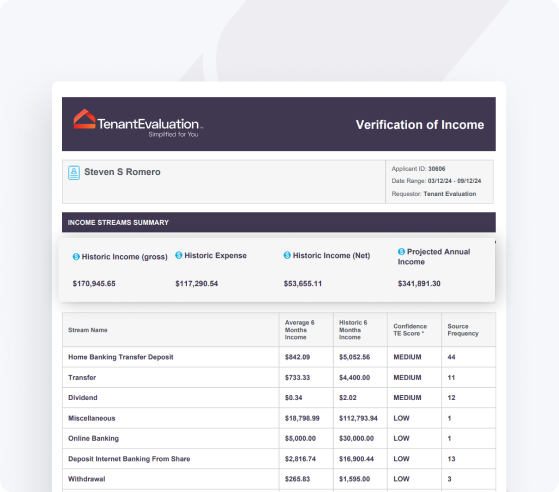
TenantEvaluation fits into this ecosystem by handling the most sensitive part of resident engagement, the move-in process, then handing off approved residents to whatever portals or communication tools the community already uses.
Frequently Asked Questions
What are the primary benefits of moving away from fully traditional community association management?
Associations that move away from manual, paper-heavy processes often see higher efficiency, lower administrative burden, and stronger compliance, especially around screening and financial reporting. Technology-driven models make it easier to track income and expenses, standardize workflows, and document decisions. Many communities also report 60–80 percent cost savings compared with traditional full-service contracts when they combine software with selective outsourcing instead of relying on one provider for everything.
Can a smaller HOA or condo association realistically adopt these modern alternative management strategies?
Smaller communities can successfully adopt these strategies when they match tools to their capacity and budget. Scalable AMS platforms give even small HOAs access to online payments, document libraries, and communication tools at reasonable cost. Screening and onboarding solutions like TenantEvaluation work well for communities of any size, since they replace manual paperwork with guided online steps. The most important choice for a small association is selecting tools that are simple to use and realistic for the available volunteer time.
How do specialized resident onboarding and screening platforms integrate with these alternative management models?
Resident onboarding platforms such as TenantEvaluation act as a shared layer that supports self-managed, hybrid, and full-service models. Self-managed boards gain a compliant, structured screening process without hiring extra staff. Hybrid communities can outsource complex checks to a digital system while still monitoring each application through dashboards like QuickApprove. Full-service managers can plug in a specialized platform to strengthen risk management and revenue collection through automated application fees and reporting.
What should associations consider when choosing between these alternative management models?
Boards should weigh community size, complexity, volunteer expertise, regulatory requirements, budget, and desired control. Smaller, highly involved communities often do well with self-management supported by strong AMS tools. Larger or more complex properties may prefer a hybrid model that combines board leadership with accounting, legal, or maintenance specialists. Tech-forward full-service management suits associations that want professional oversight with robust reporting. In every case, targeted tools for critical functions such as resident screening and financial management should be part of the evaluation.
How do these alternative models support compliance with Florida HOA and condo regulations?
Modern tools reduce compliance risk by embedding Florida-specific requirements into everyday workflows. AMS platforms typically include features for proper financial reporting, meeting notices, and record retention. Screening systems such as TenantEvaluation reflect Florida workflows and documents, support FCRA compliance, and maintain audit-ready records of every application and decision. Automated audit trails and rule-based approvals give boards clearer documentation than manual processes, which helps reduce liability as state regulations continue to evolve.
Conclusion: Choosing the Right Modern Path for Your Community
Community association management in 2026 now relies on technology, targeted services, and flexible models rather than one-size-fits-all full-service contracts. Self-managed, hybrid, and tech-forward providers can all succeed when they combine clear roles, strong software, and reliable partners.
Resident onboarding sits at the center of this shift, since every new owner or tenant passes through that process. Schedule a TenantEvaluation demo today to streamline applications, strengthen compliance, and add new revenue to your association, no matter which management model you choose.