Written by: Luis Teran, Co-founder, CEO, TenantEvaluation
Key Takeaways for Faster Florida HOA Approvals
- Incomplete applications missing required documentation are the top reason Florida HOA approval requests fail, causing 30–45 day delays and potential fines.
- Starting work before formal approval can result in work stoppages, fines up to $1,000 per violation, and requirements to undo completed modifications.
- Using non-conforming materials, colors, or violating height and setback requirements leads to automatic denials and costly rework.
- Missing contractor licensing details, inadequate timelines, and failing to address 55+ community requirements create compliance issues and enforcement disputes.
- TenantEvaluation’s automated platform with QuickApprove and IDVerify reduces these common mistakes by validating submissions and streamlining the entire HOA approval process. Get started today.
The Role of Automated Resident Onboarding Platforms in HOA Approvals
Digital platforms like TenantEvaluation turn chaotic manual approval processes into clear, predictable workflows. Instead of chasing missing documents through email chains and phone calls, automated systems check for completeness before anyone hits submit. QuickApprove accelerates the approval workflow while preserving compliance and board oversight.
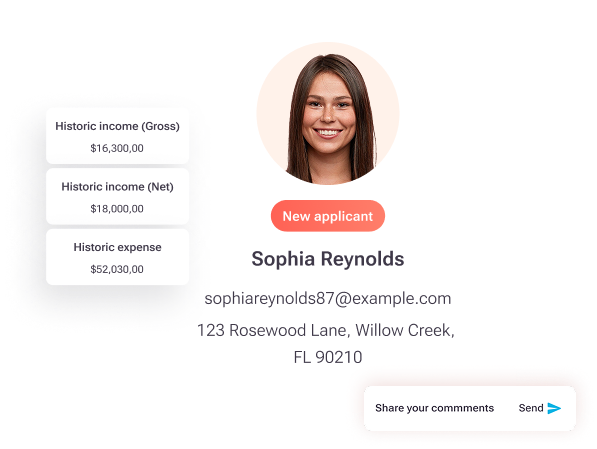
TenantEvaluation’s platform also addresses Florida’s unique requirements, including 55+ community verification, hurricane protection compliance, and selective enforcement prevention. The system connects document collection, identity verification through IDVerify, and board-ready approval dashboards in a single workflow.
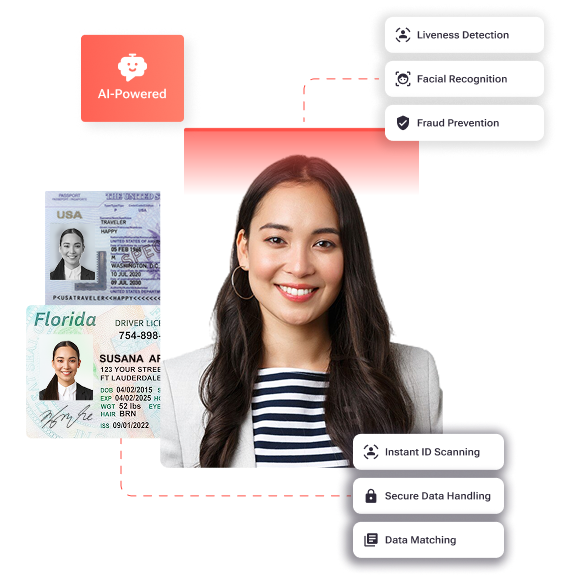
To see how digital platforms prevent approval failures, review the eight most common mistakes that plague manual processes and the specific automation features that eliminate each one.
8 Common HOA Approval Mistakes and How to Avoid Them
1. Submitting Incomplete Applications
Why it happens: Homeowners and realtors often misunderstand which documents are required or submit outdated forms. Incomplete applications frequently lack material samples, contractor details, or scale drawings.
Consequence: Automatic rejection and restart of the entire review process. Homeowners in HOA communities often face delays or extra costs due to non-compliance or incomplete applications.
Fix: Use digital submission platforms that validate required documents before allowing submission. QuickApprove automatically checks for missing information and prevents incomplete applications from reaching the board.
2. Starting Work Before Formal Approval
Why it happens: Homeowners treat verbal approval or informal board discussion as permission to begin construction or modifications.
Consequence: Florida law caps HOA fines at $100 per violation per day and $1,000 total per violation, and once unpaid fines exceed $1,000, the association may place a lien on the property. Skipping HOA approval can also result in immediate work stoppages or requirements to undo completed modifications at the homeowner’s expense.
Fix: Establish clear approval workflows with documented decision points. The platform provides real-time status tracking so all parties know exactly when formal approval is granted.
3. Using Non-Conforming Materials or Colors
Why it happens: Homeowners pick materials without checking current architectural guidelines or assume similar options will be acceptable.
Fix: Digital platforms can embed current material and color specifications directly into application forms, ensuring homeowners see up-to-date requirements before submitting requests.
4. Missing Required Contractor Information
Why it happens: Homeowners submit applications before choosing contractors or forget to include complete licensing documentation.
Fix: Automated workflows can require contractor verification before submission. The platform validates contractor licensing and insurance information as part of the application process.
5. Violating Height, Size, or Setback Requirements
Why it happens: Homeowners mismeasure projects or misunderstand property line restrictions and easement limitations.
Consequence: Height or size violations such as fences over 6 feet and setback or placement issues near property lines or easements result in automatic denials.
Fix: Digital submission forms can include measurement validation tools and property line overlays. The platform helps homeowners verify dimensions before submission.
6. Failing to Address 55+ Community Requirements
Why it happens: Age-restricted communities often have extra verification requirements that are not clearly communicated or consistently applied.
Consequence: Approvals slow down and potential fair housing compliance issues arise when requirements are not properly documented.
Fix: 55+ Communities Verification standardizes age-restricted application handling, reduces manual work, and improves documentation consistency across Florida condos and HOAs.
7. Inadequate Project Timeline Documentation
Why it happens: Homeowners provide vague completion dates or ignore permit approval timelines.
Consequence: Unclear timelines create enforcement difficulties when projects extend beyond the approved completion date.
Fix: Structured timeline requirements in digital applications support realistic project scheduling. The platform integrates timeline validation with approval workflows.
8. Ignoring Selective Enforcement Prevention
Why it happens: Boards apply standards inconsistently across similar requests, which creates legal risk for associations.
Fix: Digital platforms maintain consistent approval criteria and decision documentation. The platform provides audit trails that help prevent selective enforcement disputes.
How QuickApprove and IDVerify Support Accurate HOA Decisions
TenantEvaluation’s integrated platform addresses common approval mistakes through automated validation and streamlined workflows. QuickApprove moves applications from submission to decision faster while preserving board control and compliance visibility.
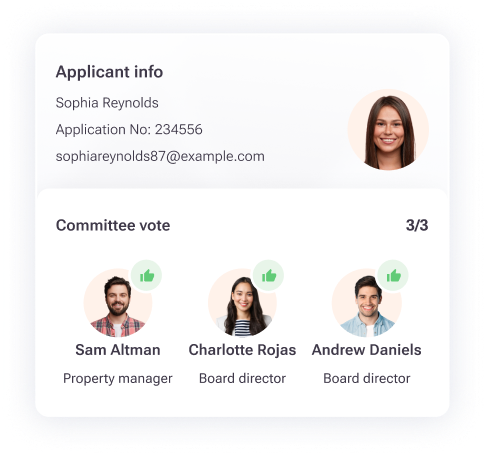
The platform also includes biometric identity verification through IDVerify, which confirms applicant identity before approval decisions. Board members use dedicated dashboards with summarized reports and voting panels, which replaces email chains and spreadsheet management.
The efficiency gains are substantial across every stage of the approval process. The following comparison shows how TenantEvaluation’s automation reduces time investment at each critical step.
| Process Element | Manual Method | TenantEvaluation Digital | Time Savings |
|---|---|---|---|
| Application Review | Manual HOA architectural review typically targets a decision in under 14 days, though most governing documents require a board response within 30-60 days | 5-10 minutes initial validation | Up to 70% reduction |
| Document Collection | Multiple email exchanges | Automated validation | Eliminates back-and-forth |
| Board Communication | Email chains and meetings | Real-time dashboard | Instant status updates |
| Approval Letters | Manual drafting | Automated generation | Same-day delivery |
Step-by-Step Digital HOA Approval Workflow with TenantEvaluation
TenantEvaluation’s workflow starts with intelligent form logic that adapts to each community’s specific requirements. Applicants upload required documents through secure portals, and automatic validation blocks incomplete submissions.
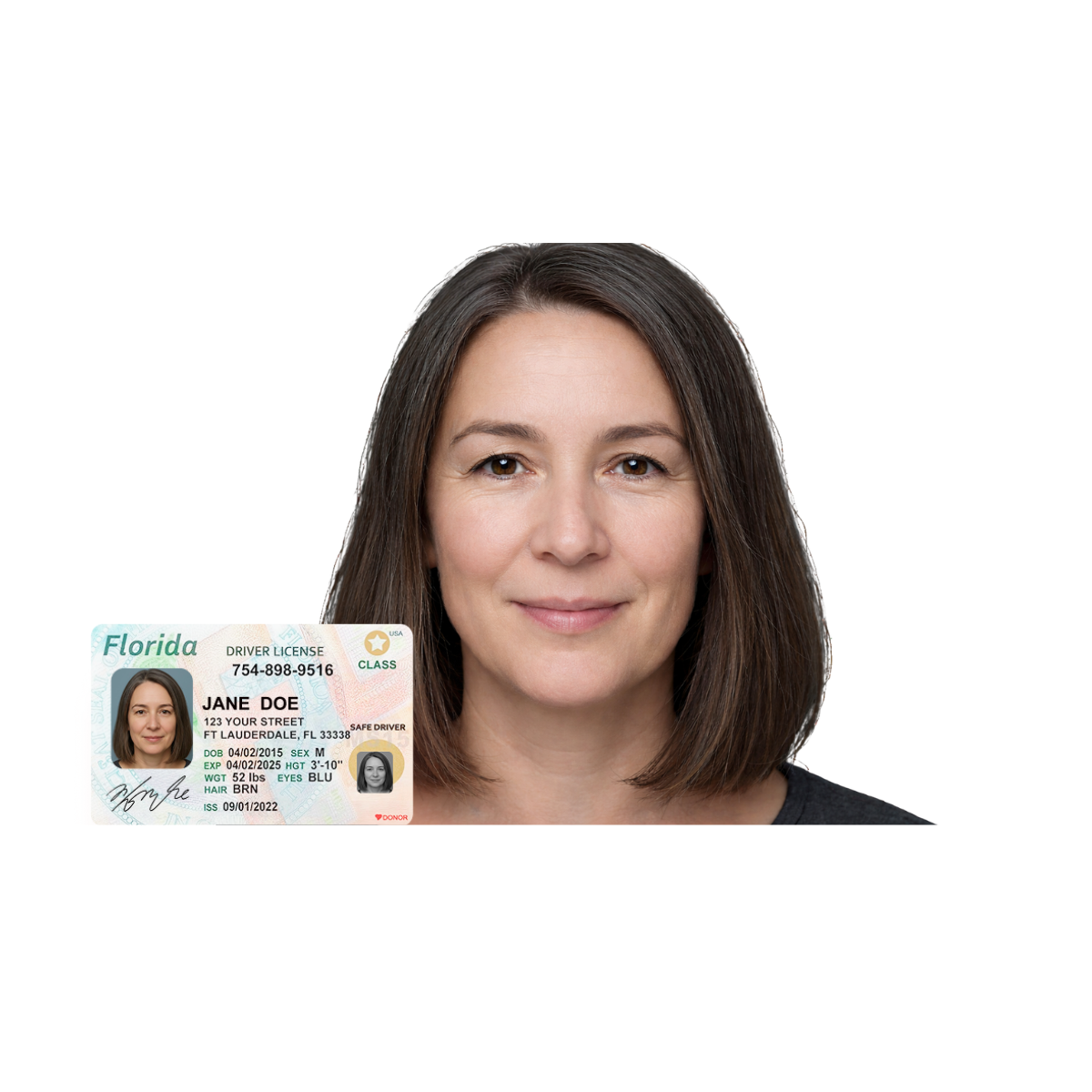
IDVerify confirms applicant identity through government ID validation and biometric verification. Board members receive summarized reports with voting capabilities, and automated communication keeps all parties informed of status changes.
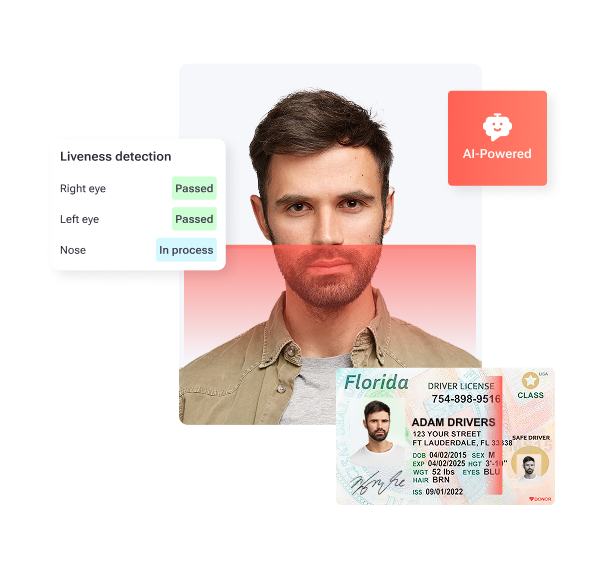
The system then generates customized approval letters and welcome packages to complete the onboarding process without manual intervention. All actions are timestamped and auditable, which supports consistent enforcement and reduces dispute risk.
What to Look For in a Florida HOA Submission Platform
Florida communities should treat FCRA compliance as a core requirement when choosing a platform. TenantEvaluation maintains direct credit bureau reseller relationships and provides built-in audit trails for every application.
Key evaluation factors include biometric identity verification, board-specific dashboards, automated adverse action workflows, and Florida-specific compliance features. The platform should also manage 55+ community requirements and offer revenue-sharing models that remove upfront costs.
Schedule a demo today to compare TenantEvaluation’s platform against your community’s specific needs.
Downloadable Pre-Submission Checklist for Florida HOA Requests
Successful HOA applications start with complete documentation. Essential items fall into three categories: project specifications, contractor credentials, and compliance documentation.
Project specifications include detailed project descriptions with measurements, material specifications, and color samples. Contractor credentials cover licensed contractor information with insurance verification. Compliance documentation includes realistic timeline estimates and property survey information that confirms setback compliance.
Florida-specific requirements may include hurricane protection compliance documentation, solar facility approval processes per Florida Statute 163.3205 and solar system certifications per Florida Statute 377.705, and age-restricted community verification for 55+ properties. Digital platforms remove manual checklist tracking by embedding these requirements directly into submission forms.
Conclusion: Move Away from Repeated HOA Approval Errors
Manual HOA approval processes create unnecessary delays, costs, and disputes for Florida homeowners, realtors, and community associations. The eight common mistakes described above are avoidable when communities use digital automation and structured workflows.
TenantEvaluation’s platform with QuickApprove and IDVerify shifts approval processes from reactive problem-solving to proactive compliance management. Communities gain faster decisions, less administrative burden, and stronger legal protection.
Boards can continue managing approvals through email chains and spreadsheets, or they can adopt a comprehensive digital solution designed for Florida community associations. Schedule a demo today to see how TenantEvaluation reduces common HOA approval mistakes and speeds up your community’s decision-making process.
Frequently Asked Questions
What happens if my Florida HOA application is incomplete?
Incomplete applications trigger automatic rejection and restart the entire review timeline required by most Florida HOA governing documents. The association must provide written notice that specifies exactly which documents or information are missing. Homeowners then face additional delays while gathering missing materials and resubmitting their request. Digital platforms like TenantEvaluation reduce this risk by validating completeness before the application reaches the board.
How long do Florida HOAs have to respond to architectural modification requests?
Florida HOAs must make official records available within 10 business days after receiving a written request, per Florida Statute 720.303. The exact response timeline for architectural requests appears in each community’s CC&Rs rather than a single statewide statute. If the HOA fails to respond within the specified timeframe, many governing documents include “deemed approved” clauses that automatically approve the request. This timeline only begins when the homeowner submits a complete application.
Can Florida HOAs fine homeowners for starting work before approval?
Yes. Florida law allows HOAs to impose fines up to $100 per violation per day, with a maximum of $1,000 total per violation. Once unpaid fines exceed $1,000, the association may place a lien on the property and suspend amenity access or voting rights. Homeowners who begin work before formal approval also risk being required to undo completed modifications at their own expense, regardless of project cost or completion status.
What constitutes selective enforcement in Florida HOA architectural decisions?
Selective enforcement occurs when an HOA denies one homeowner’s modification request while approving substantially similar requests from other owners without documented differences in standards. Florida courts examine whether associations apply consistent criteria across all applications and maintain proper documentation of approval and denial decisions. Incomplete decision records or reactive enforcement based on individual complaints rather than systematic monitoring can create selective enforcement liability for associations.
How do 55+ communities in Florida handle architectural approval requirements differently?
Age-restricted communities in Florida must confirm that modifications comply with both standard architectural guidelines and age-restriction requirements. This often requires additional documentation to confirm occupant eligibility and to show that modifications do not conflict with community age verification standards. The process demands structured record-keeping and consistent application across all residents to avoid fair housing compliance issues. Digital platforms can standardize these requirements and improve documentation consistency across applications.
