Written by: Luis Teran, Co-founder, CEO, TenantEvaluation
Key Takeaways for Florida Condo Approvals
- Florida condo approval delays usually come from incomplete documentation, manual bottlenecks, and fragmented workflows that increase risk for CAMs and boards.
- Frequent issues include missing documents, lack of biometric identity verification, non-FCRA-compliant screening, and poor communication that can stretch timelines from days to weeks.
- Smart application logic, biometric verification, board-ready dashboards, and automated workflows remove these errors and speed up compliant approvals.
- Specialized tools like QuickApprove, IDVerify, and 55+ verification standardize processes, maintain audit trails, and reduce administrative work across Florida communities.
- Discover how TenantEvaluation streamlines condo approvals with FCRA-compliant screening and automated workflows by getting started today.
The Problem: 10 Approval Mistakes Slowing Florida Communities
Mistake #1: Incomplete or Inconsistent Document Submissions
Incomplete or inconsistent applications reset the review process and create avoidable holdups for Florida condos and HOAs. In Miami high-rise condos, missing financial statements or unsigned lease agreements force CAMs to restart the approval cycle. Fort Lauderdale waterfront communities experience delays when applicants submit outdated bank statements or skip required co-signer documentation.
How to Avoid It
Use smart application form logic that checks for executed leases, valid IDs, and required documents before submission. QuickApprove rejects applications that lack essential documentation, so CAMs only review complete and ready-to-process packages.
Mistake #2: Lack of Biometric Identity Verification
Communities that rely only on document-based screening face growing exposure to identity fraud and synthetic identity attempts. Even when applications contain all required documents, traditional review cannot reliably confirm that the person behind those documents is real. Tampa urban condos see more stolen IDs and impersonation attempts, while Orlando vacation rental conversions face fraudulent occupants using falsified documentation to bypass screening.
How to Avoid It
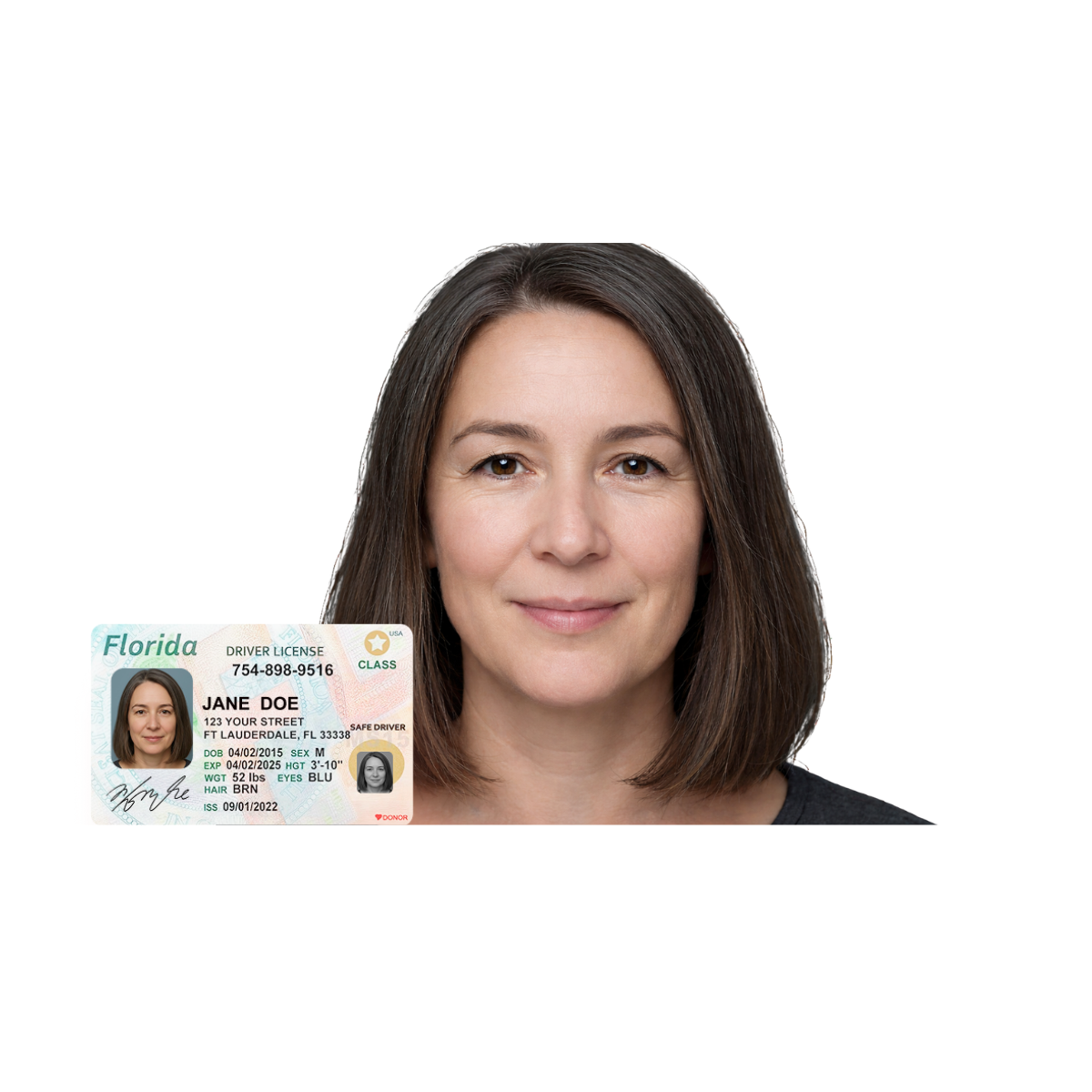
Deploy biometric identity verification that confirms physical presence and identity authenticity before any approval decision. IDVerify provides automated KYC checks through government ID validation, AI-powered liveness detection, and biometric facial matching inside the screening workflow.

Mistake #3: Manual Board Review Bottlenecks
Manual board review through email and spreadsheets slows decisions and extends approvals from a few days to two to four weeks. Miami Beach condos struggle when board members lack real-time visibility into application status. Fort Myers communities face seasonal bottlenecks when application volumes surge and board coordination breaks down.
How to Avoid It
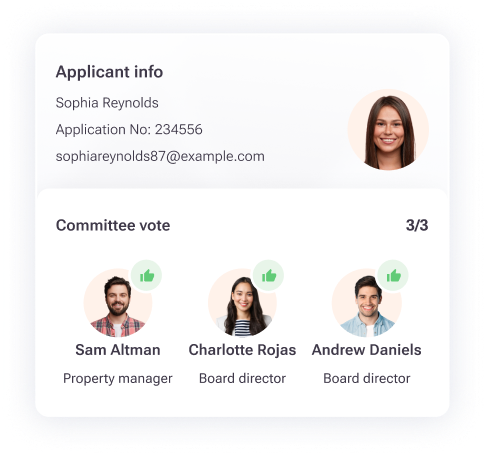
Create a board-ready approval process with dedicated review dashboards and clear voting panels. QuickApprove gives Board Members direct access to application summaries, real-time status tracking, and streamlined voting tools that replace confusing email threads.

Mistake #4: Non-FCRA-Compliant Screening Practices
Non-compliant screening tools expose Florida communities to serious FCRA liability. Many condos rely on generic platforms that lack permissible purpose controls and proper adverse action workflows. Jacksonville condos using third-party data scraping face audit risks, while Tampa HOAs without built-in adverse action processes risk violations when they reject applicants.
How to Avoid It
Work with a direct credit bureau reseller that enforces permissible purpose controls and automated adverse action workflows. TenantEvaluation operates as a legitimate reseller of TransUnion and Equifax data and treats FCRA compliance as a core design requirement.
Mistake #5: Poor Communication and Status Tracking
Lack of status visibility drives constant calls and emails from applicants and realtors. CAMs in Orlando’s competitive market see deals collapse when missing association approvals cause buyers to lose contractual rights. Miami realtors often walk away from condo transactions when approval timelines remain unclear or unpredictable.
How to Avoid It
Introduce real-time application tracking with automated updates that keep every party informed. QuickApprove uses automated status notifications and shared visibility to reduce manual follow-ups for applicants, realtors, and CAMs throughout the process.
Mistake #6: Ignoring Audit Trails and Record Retention
Weak audit trails and poor record retention create compliance gaps that surface during reviews or disputes. Fort Lauderdale management companies often struggle to reconstruct approval decisions months later. Palm Beach condos face liability when board voting records are incomplete, inconsistent, or missing entirely.
How to Avoid It
Maintain complete audit trails with timestamped actions and reliable record retention. TenantEvaluation records every application step, board vote, and approval decision so communities can demonstrate full regulatory compliance when needed.
Mistake #7: 55+ Community Documentation Errors
Age-restricted communities that manage eligibility through scattered manual steps often end up with inconsistent documentation. Sarasota 55+ condos experience approval delays when age verification documents are incomplete or unclear. Clearwater communities face audit exposure when record-keeping standards vary from one application to another.
How to Avoid It
Standardize age-restricted application handling with a consistent documentation workflow. 55+ Communities Verification helps Florida condos and HOAs reduce manual work, keep documentation consistent, and improve operational efficiency for age-based requirements.
Mistake #8: Over-Reliance on Paper or Email Workflows
Paper forms and email-based workflows slow approvals and increase security risks for Florida communities. St. Petersburg condos lose applications in long email chains and shared inboxes. Naples HOAs struggle with version control when multiple board members review different copies of the same file.
How to Avoid It
Move to a centralized digital platform that replaces paper and scattered email threads. QuickApprove creates a single connected workflow inside TenantEvaluation where all parties can review, communicate, and approve applications with full visibility.
Mistake #9: Failure to Collect Application Fees Efficiently
Inefficient fee collection adds administrative work and delays revenue for associations. Bonita Springs condos lose income when checks arrive late or go missing. Aventura communities face accounting headaches when application fees come through multiple uncoordinated payment methods.
How to Avoid It
Automate application fee collection through secure online payments. TenantEvaluation’s revenue-sharing model collects fees during application submission and automatically rebates the association’s portion, which removes manual payment processing.
Mistake #10: Lack of Centralized Application Analytics
Communities without consolidated application data cannot see recurring approval bottlenecks or patterns in incomplete submissions. CAMs miss chances to address the most common delay sources or refine screening criteria based on real approval outcomes. Boards also lose insight into how long each approval stage takes and where decisions consistently stall.
How to Avoid It
Use centralized application analytics that highlight trends in timelines, documentation issues, and approval outcomes. TenantEvaluation reporting shows which steps cause the most delays, which documents fail most often, and how approval performance changes over time so teams can adjust policies with confidence.
See how TenantEvaluation eliminates these common approval mistakes in a live demo.
The TenantEvaluation Platform: Fixing Approval Mistakes at Scale
TenantEvaluation’s all-in-one platform addresses each of these condo approval mistakes with features built for Florida community associations. The platform combines FCRA-first design, direct credit bureau reseller status, and a revenue-sharing model to turn error-prone workflows into consistent, compliant processes.
The integrated approach removes the need for multiple third-party providers while still maintaining complete audit trails and regulatory compliance. This consolidation directly converts into time savings, because CAMs recover hours once spent coordinating between disconnected tools. Boards gain real-time visibility and voting capabilities that speed decisions while preserving the oversight that fragmented workflows often weaken.
Frequently Asked Questions About Florida Condo Approvals
What documents most often cause condo approval delays in Florida?
The most frequent problem documents include incomplete lease agreements, outdated financial statements, missing co-signer documentation, and invalid identification. Many delays occur when applicants submit unsigned leases or bank statements older than 30 days. Age-restricted communities also see slowdowns when age verification documentation is incomplete. TenantEvaluation smart application logic checks document completeness and basic authenticity before submission to remove these common delay sources.
How can boards speed up approvals without losing oversight?
Boards speed up approvals by using review dashboards that show real-time application status, summarized applicant reports, and clear voting tools. Replacing email chains and spreadsheets with a connected digital workflow keeps every step visible and traceable. Board members gain direct access to application status, automated communication support, and structured voting panels that cut back-and-forth delays while preserving authority and compliance records.
What FCRA compliance risks do Florida condos face with manual screening?
Manual screening often lacks permissible purpose controls, adverse action workflows, and audit documentation required under FCRA. Communities that use generic tools or data scraping services face higher liability during regulatory reviews. Key risks include improper data handling, missing adverse action notices, and failure to prove a legitimate business purpose for credit checks. Direct credit bureau reseller relationships with embedded compliance workflows reduce these risks for Florida associations.
How does biometric verification improve condo security compared to document review?
Biometric verification improves security by confirming physical presence and identity authenticity through liveness detection and facial matching. Traditional document review depends on uploaded files that can be stolen, altered, or fabricated. Biometric checks verify that applicants are real people present during the process, which blocks synthetic identities and impersonation attempts that increasingly target Florida communities.
What operational benefits do 55+ communities gain from standardized age verification?
Standardized age verification cuts manual work, improves documentation consistency, and strengthens day-to-day operations for age-restricted communities. Instead of managing eligibility through scattered emails and PDFs, communities use structured workflows that keep records consistent across every application. CAMs handle fewer one-off exceptions, while boards gain stronger internal controls and audit-ready documentation that supports compliance reviews.
Conclusion: Turn Condo Approval Risks into Reliable Workflows
Common condo approval mistakes drain time, revenue, and security from Florida communities through incomplete submissions, manual bottlenecks, compliance gaps, and fragmented workflows. These issues increase administrative pressure on CAMs, slow board decisions, and expose associations to avoidable liability.
TenantEvaluation addresses these problems with automated document validation, biometric identity verification, board-ready workflows, and FCRA-compliant screening. Communities gain faster approvals, less manual work, stronger security, and complete audit trails while keeping full control over every decision.
