Written by: Luis Teran, Co-founder, CEO, TenantEvaluation | Last updated: August 13, 2026
Key Takeaways for Florida 55+ Communities
- Florida 55+ communities must keep at least 80% of occupied units with a resident age 55+ and refresh age-verification records every two years to preserve HOPA exemption status.
- Common compliance failures include lapsed surveys, inconsistent 80/20 enforcement, incomplete documentation, and no standard process for uncooperative residents.
- Loss of HOPA exemption exposes communities to Fair Housing Act complaints and weakens resale appeal in the 55+ buyer market.
- Digital workflows that collect age documentation at application intake and provide unit-level visibility cut audit risk and replace scattered manual records.
- TenantEvaluation provides a purpose-built 55+ Communities Verification workflow that standardizes age-restricted documentation and strengthens internal controls for Florida condo boards and CAMs.
What Happens When a 55+ Community Fails Age Verification
Communities that fall below the 80% occupancy threshold lose their HOPA exemption. After that loss, the community cannot exclude buyers under 55, and its resale value in the 55+ buyer market drops. Loss of exemption status also exposes the association to familial status complaints under the Fair Housing Act.
A community that meets the 80/20 occupancy rule in practice but cannot document current age-verification records remains exposed to loss of HOPA exemption. The burden sits on the operator to demonstrate qualification with current, accessible records. Without a current occupancy survey, a community may struggle to defend against a familial status complaint, so record availability and a public-inspection summary on file become a practical necessity.
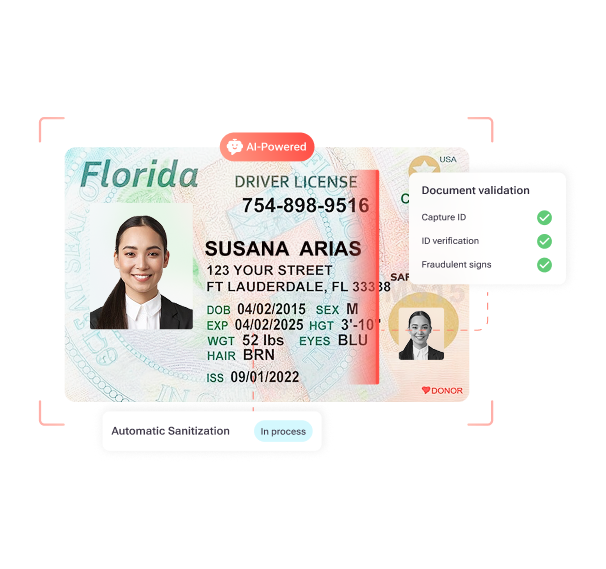
This documentation requirement exposes the operational gap between manual and digital record-keeping. The contrast between manual and digital workflows is most visible when communities need to produce current records on demand. A manual email and PDF process scatters records across inboxes and shared drives, with no reliable way to confirm completeness. A centralized digital workflow collects age documentation at application intake, assigns it to the correct unit, and surfaces real-time status, so a CAM can confirm documentation coverage across the entire community without a manual audit.
Managing Uncooperative Residents in 55+ Communities
Uncooperative owners and tenants who ignore age-verification requests create a recurring operational challenge for Florida 55+ boards and CAMs. Practical steps for managing non-response include the following:
- Send written requests through a documented channel with a clear deadline and a reference to the community's governing documents.
- Follow up with a second written notice that cites the specific HOPA survey requirement and the biennial timeline.
- Escalate to the board with a documented record of outreach attempts before pursuing enforcement options under the association's rules.
- Maintain a unit-level log of all requests, responses, and documentation received.
These steps represent a manual follow-up process that many CAMs try to manage through email and spreadsheets. The operational problem with manual follow-up is that it relies on individual CAMs to track each unit's status across email threads, which creates inconsistency and gaps. TenantEvaluation's 55+ Communities Verification standardizes how age-restricted documentation requests are handled across applications, stores documentation with unit-level visibility, and reduces the manual follow-up burden on CAMs and boards. Instead of scattered outreach, every unit's documentation status appears in one place.
Real-World 80/20 Rule Enforcement Scenarios
Consistent 80/20 enforcement requires that every new application trigger the same age-documentation process, regardless of whether the applicant is a buyer, tenant, or additional occupant. When enforcement is inconsistent, where some units are surveyed and others are not or documentation standards vary by applicant type, the result is record gaps. These gaps become visible during audits because the community cannot demonstrate uniform documentation practices across all units.
Two scenarios show how this plays out in practice:
- Consistent enforcement: Every incoming application requires age documentation at intake. The CAM can confirm at any point that 83% of occupied units have a qualifying resident on file, with documentation stored and searchable by unit.
- Inconsistent enforcement: Some units were surveyed two years ago via email, others have no documentation on file, and the CAM cannot confirm the current 80/20 ratio without manually contacting each unit owner.
The following table compares the operational reality of spreadsheet-based enforcement against a connected platform, highlighting how centralized documentation reduces both time investment and audit exposure:
| Process | Time Required | Record Visibility | Audit Risk |
|---|---|---|---|
| Manual spreadsheet tracking of age documentation | Hours per survey cycle, manual follow-up per unit | No real-time unit-level view, records scattered across email and folders | High, documentation gaps leave communities exposed even when the 80/20 ratio is met in practice |
| Connected platform with 55+ Communities Verification | Documentation collected at application intake, status visible in real time | Unit-level visibility across the entire community in one centralized workflow | Reduced, structured records and consistent documentation handling support internal audit readiness |
Can a 25-Year-Old Live in a 55+ Community?
HOPA does not require that every resident be 55 or older. The statute requires that at least 80% of occupied units have at least one qualifying resident age 55 or older. The remaining 20% of units may be occupied by residents of any age without affecting the community's exemption status, as long as the community maintains its written intent policy and current survey documentation.
A 25-year-old may therefore live in a 55+ community if the unit falls within the 20% allowance and the community's governing documents permit that occupancy. The documentation requirement still applies to those units. The community must track which units fall within the 20% allowance and which do not, and that calculation must be supportable at any point.
A digital workflow flags these exceptions at intake. When an application does not include a qualifying resident age 55 or older, the platform surfaces that status at the unit level. This visibility allows the CAM and board to confirm whether approving the application keeps the community within its 80/20 threshold before a decision is made. TenantEvaluation's 55+ Communities Verification supports this documentation and consistency layer without replacing the legal guidance that governs final eligibility decisions.
See how unit-level age documentation tracking works inside TenantEvaluation and schedule a demo.
How TenantEvaluation's 55+ Communities Verification Solves HOPA Gaps
Florida CAMs and 55+ condo boards need more than a checklist. They need an operational system that standardizes age-restricted application handling, reduces manual work, improves documentation consistency, and strengthens internal controls at scale. TenantEvaluation's 55+ Communities Verification is a built-in capability within TenantEvaluation's all-in-one resident screening and onboarding platform, designed specifically for Florida condos and HOAs that manage age-restricted communities.
Unlike generic tools or legal blog checklists, 55+ Communities Verification aligns with the real workflows of Florida associations. It standardizes how age-restricted requirements are handled across applications, supports documentation consistency, and creates a more structured process for CAMs and boards. The workflow supports, rather than replaces, the legal guidance that governs HOPA qualification decisions.
TenantEvaluation processes more than 100,000 applications annually across 5,000+ communities, holds a 4.8/5 Google rating, and is built specifically for community associations, not generic rentals. FCRA compliance forms the foundation of the platform, not an afterthought.
Frequently Asked Questions
What documents are acceptable for HOPA age verification in a Florida 55+ community?
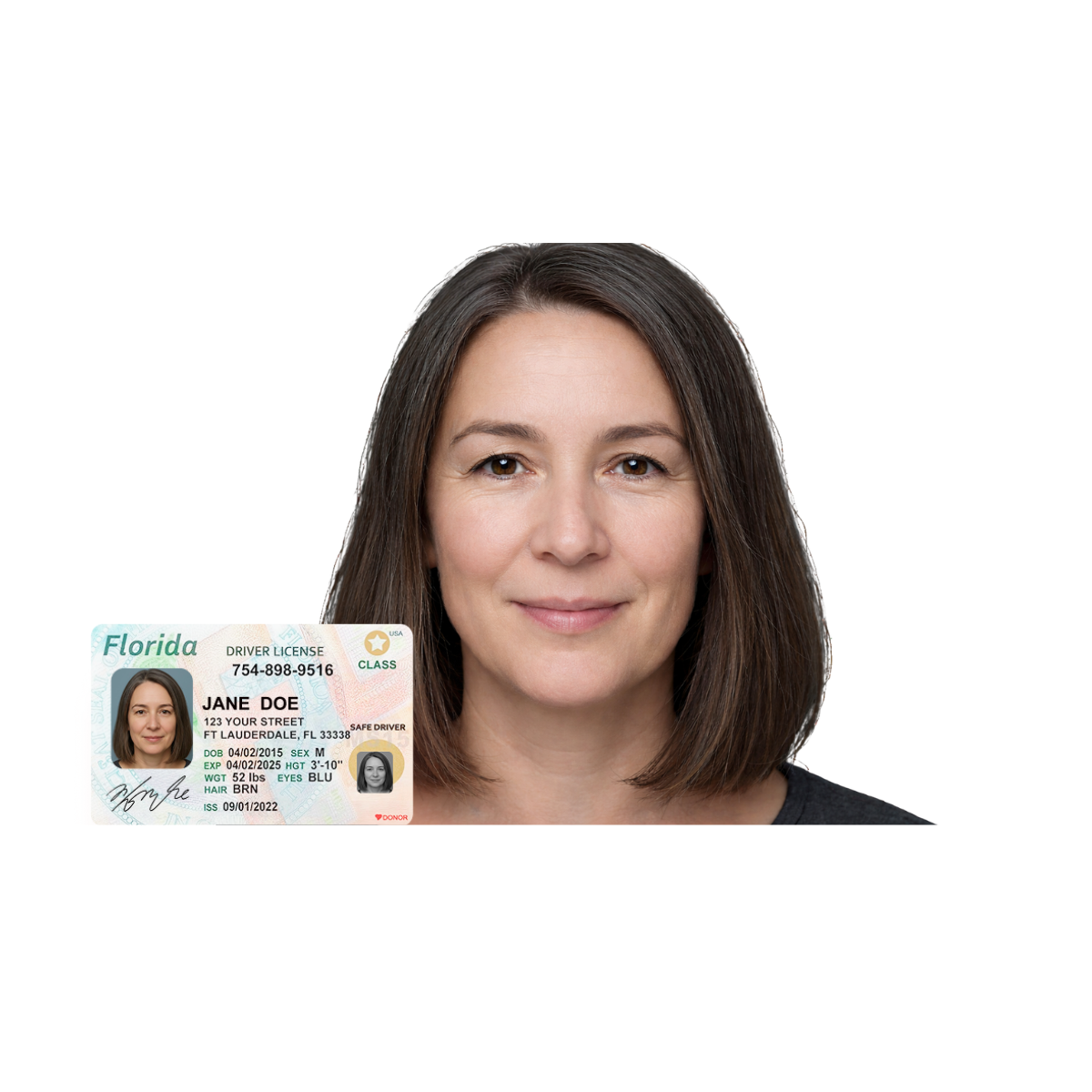
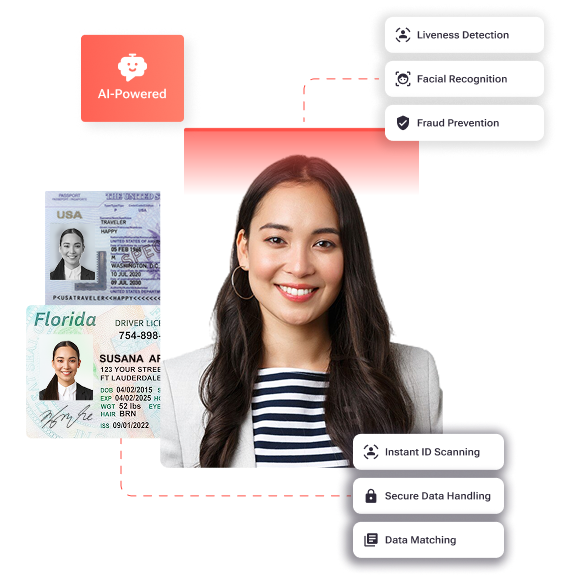
Acceptable documentation for HOPA age verification includes reliable proof of age such as a government-issued photo ID or a birth certificate. Communities should collect and store these documents at application intake and maintain them in a format that can be produced during an audit or in response to a Fair Housing complaint.
How often must a Florida 55+ community conduct its occupancy survey?
HUD guidance implementing HOPA recommends that providers review and update age verification records for each occupied unit at least once every two years to maintain the 80% occupancy requirement. This process does not occur once and then stop. It functions as an ongoing operational practice. A community that conducted a survey two years ago and has not updated its records since may be at risk if its documentation cannot demonstrate current compliance. Boards and CAMs should treat the update cycle as a recurring operational milestone, not a periodic administrative task.
What happens to a Florida 55+ community that loses its HOPA exemption?
Loss of HOPA exemption status means the community can no longer legally exclude residents under the age of 55 based on age alone. This change exposes the association to familial status complaints under the Fair Housing Act and reduces the community's appeal and resale value within the 55+ buyer market. Communities that meet the 80/20 threshold in practice but cannot produce current documentation face the same exposure as communities that have fallen below the threshold, because the burden of proof rests with the operator.
Can a Florida 55+ community enforce age restrictions against an uncooperative owner who refuses to provide documentation?
Boards have enforcement authority under their governing documents and Florida law, but the process requires documented outreach before escalation. Written requests with clear deadlines, followed by formal notices referencing the community's rules and the HOPA survey requirement, create the paper trail needed for any subsequent enforcement action. The operational challenge is maintaining consistent documentation of every outreach attempt across all units, a process that manual email follow-up handles poorly at scale. A centralized platform with unit-level tracking makes that documentation consistent and easy to retrieve.
Does the 20% allowance in the 80/20 rule mean a 55+ community can approve any applicant for those units?
The 20% allowance permits units to be occupied by residents who do not meet the age-55 threshold without affecting the community's HOPA exemption, as long as the community's overall occupancy remains at or above the 80% qualifying threshold and the community maintains its written intent policy and current survey documentation. Whether a specific applicant may be approved for a unit within the 20% allowance depends on the community's governing documents and applicable Florida law. Boards should confirm with legal counsel how their specific documents address this scenario, and CAMs should track the 80/20 calculation at the unit level so each approval decision relies on current data.
Conclusion
Fragmented email and PDF age-verification processes cause the most common HOPA compliance failures in Florida 55+ communities, including lapsed surveys, inconsistent 80/20 enforcement, incomplete documentation, and unmanageable follow-up with uncooperative residents. These issues start as operational problems and then create legal exposure.
TenantEvaluation's 55+ Communities Verification delivers that operational system, a purpose-built digital workflow that works from application intake through occupancy without replacing the legal guidance that governs HOPA qualification. Built specifically for Florida condos and HOAs, it replaces scattered processes with a centralized, audit-ready operational system that supports CAMs, boards, and residents.
