Written by: Luis Teran, Co-founder, CEO, TenantEvaluation
Key Takeaways for Florida CAMs
- CAM integration workflow automation replaces manual email chains and paper processes with a single, auditable six-stage digital pipeline for Florida community associations.
- Manual onboarding creates delays, compliance gaps, and identity fraud risks. Automated intake, document validation, and biometric verification directly reduce those risks.
- TenantEvaluation’s QuickApprove and IDVerify tools deliver FCRA-compliant screening, real-time board voting, and automated approval letters while preserving full audit trails.
- Implementation delivers measurable results, including up to 70% faster approvals, 50 staff hours saved daily, and $240,000 in annual savings for Florida management companies.
- CAMs who want to streamline resident approvals can get started with TenantEvaluation today.
The Problem: How Manual Onboarding Slows Florida Communities
Manual resident onboarding in Florida condos and HOAs relies on email threads with realtors, physical or scanned document submissions, spreadsheet tracking, and board approval cycles across separate communication channels. Each handoff point introduces delay and error risk.
Integration between disconnected systems creates duplicated work, data mismatches, and slower handoffs between steps and teams. These integration gaps become worse when workflows depend on paper documents that must be routed between stakeholders for signatures and approvals. This physical routing makes it difficult to detect duplicate submissions or incomplete documents in real time, increasing error risk in high-volume processing, a pattern documented across industries where paper-driven processes required physical routing across facilities for multiple signatures, creating delays when stakeholders worked different schedules.
For Florida CAMs managing portfolios across Miami, Fort Lauderdale, Tampa, or Orlando, these inefficiencies compound during peak application seasons. Incomplete submissions require manual follow-up. Board members lack real-time visibility into application status. Sensitive applicant data handled outside secure systems creates FCRA exposure and data breach liability. Identity fraud, including stolen IDs, synthetic identities, and impersonation attempts, adds risk that document-only review cannot reliably address.
Clarifying CAM for This Guide: Community Association Manager
Before exploring the solution, readers need clarity on what “CAM” means in this context, because the term has multiple uses. Search results for “CAM integration workflow automation” are often dominated by content about Computer-Aided Manufacturing software used in industrial production. This article addresses a different domain: Community Association Managers, the licensed professionals in Florida responsible for operating condos, HOAs, and community associations under Florida Statute Chapter 468.
Florida CAMs oversee resident onboarding, document compliance, board governance, and vendor coordination. Their workflow automation needs focus on resident screening, identity verification, document collection, and board approval cycles, not CNC machining or factory floor integration.
The Product: TenantEvaluation’s QuickApprove and IDVerify for CAMs
TenantEvaluation, founded in 2007, is built specifically for community associations and management companies, with FCRA compliance as the foundation, not an afterthought. The platform serves more than 5,000 communities and processes approximately 100,000 applications annually across Florida, with partnerships that include FirstService Residential, Campbell Property Management, and Associa.
Two core capabilities power the six-stage workflow for Florida CAMs.
QuickApprove is TenantEvaluation’s accelerated approval workflow built for CAMs, boards, and property management teams inside one connected platform. It replaces email chains and spreadsheets with real-time application tracking, automated communication support, reduced manual follow-ups, customized approval letters, a personalized welcome package, and a board-ready approval process, without sacrificing control, compliance, or visibility.

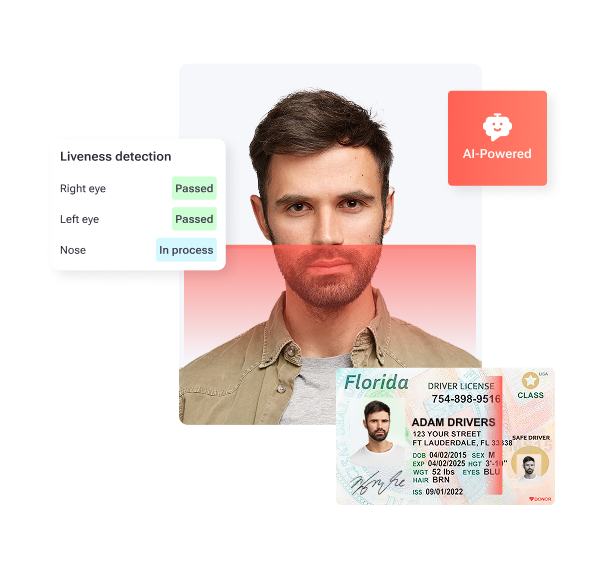
IDVerify is a biometric identity verification layer embedded directly into the screening workflow. An effective real-time identity verification workflow combines document authentication, biometric analysis with liveness detection, and data cross-referencing against trusted third-party sources to address distinct fraud risks and produce more defensible decisions with fewer manual reviews. IDVerify delivers this through government ID validation, AI-powered liveness detection, and biometric selfie-to-ID comparison, all natively inside TenantEvaluation with no external portal redirects.

Six-Stage Workflow Automation Framework for Resident Approvals
Stage 1: Digital Application Intake with Intelligent Form Logic
Applicants receive a Property Code from the association and complete a fully online application via web or mobile. TenantEvaluation’s intelligent form logic adjusts required fields based on applicant type, such as tenant, purchaser, or additional resident. This approach keeps questions relevant and improves data accuracy. Incomplete submissions are rejected automatically before they reach the CAM’s queue.
Stage 2: Automated Document Collection and Completeness Validation
The platform enforces document requirements configured to each community’s governing documents and Florida-specific bylaws. Executed leases, valid IDs, and required supporting documents are validated on submission. AI-assisted operations can monitor tenant files for missing or expired documents, flag compliance gaps before audits, and automatically create tasks while emailing property managers, reducing audit preparation time from three weeks to five days for large portfolios.
Stage 3: Biometric Identity Verification via IDVerify
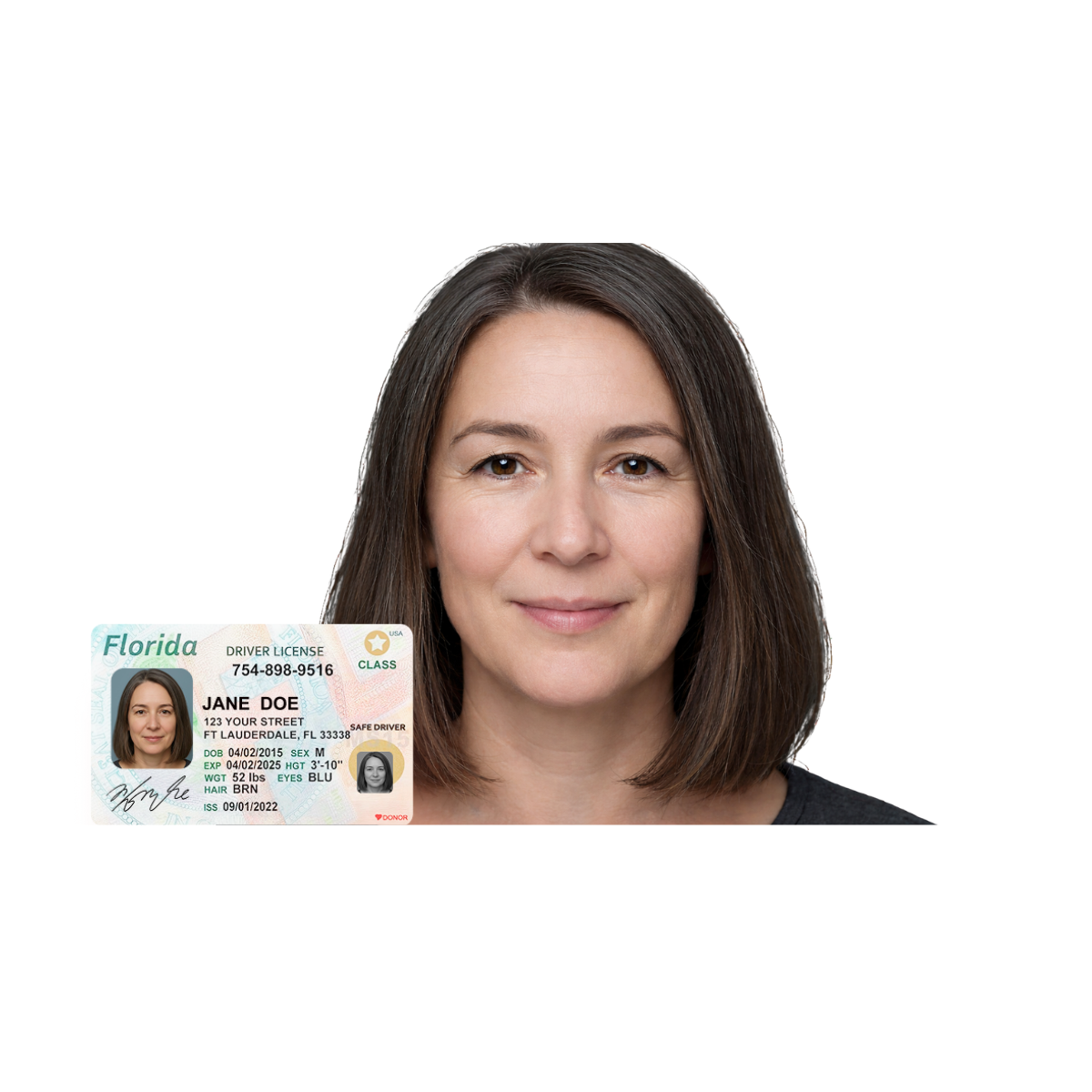
Applicants complete a guided biometric verification step before the application proceeds to screening. Document authentication uses AI to inspect hundreds of data points including holograms, microprinting, watermarks, font consistency, and signs of digital or physical alteration to confirm a government-issued ID is genuine and unexpired. Liveness detection confirms physical presence. The final result, including ID authenticity confirmation, liveness status, and biometric match, appears directly in the screening report visible to the CAM.
Stage 4: Background, Credit, and Income Screening with FCRA Controls
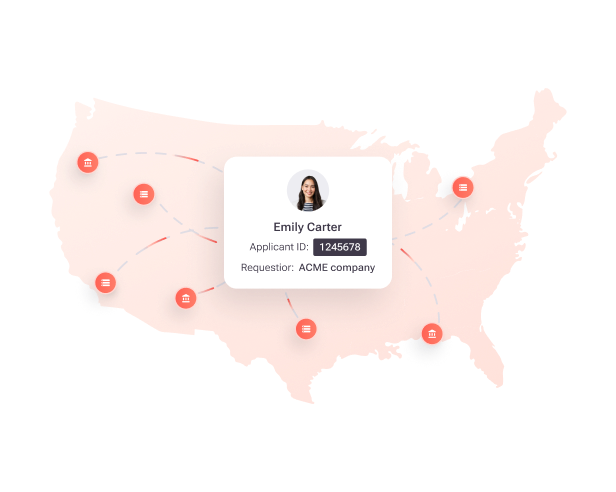
TenantEvaluation is a direct reseller of TransUnion and Equifax data and accesses this information under strict bureau rules with no gray-market or offshore sources. The Fair Credit Reporting Act establishes permissible purpose controls, adverse action notice requirements, and recordkeeping obligations that TenantEvaluation supports through built-in adverse action workflows and audit trails. SafeCheck+ delivers nationwide criminal, offenses registry, and FBI Most Wanted checks. IncomeEV verifies employment and income beyond self-reported data.
Stage 5: Board Review and Voting via the QuickApprove Dashboard
Board members access a dedicated panel with AI-generated applicant summaries and a structured voting workflow. Digital signatures create a clear chain of custody for board decisions through timestamped records and non-repudiation, preserving an evidentiary record that supports transparent and defensible board-review stages during audits or regulatory reviews. All actions are timestamped and auditable. Community association software allows board members to see what is happening in the community without repeatedly asking the manager for status updates.
Stage 6: Approval Letters, Welcome Packages, and Audit Trail Archiving
Upon board decision, QuickApprove triggers customized approval letters and a personalized welcome package automatically. The complete application record, including documents, verification results, screening reports, board votes, and communications, is archived with a full audit trail. Workflow automation dashboards that identify bottlenecks in multi-stakeholder document review processes can reduce processing time by as much as 90% and increase accuracy by a similar margin.
CAMs who want to see this in practice can schedule a demo to walk through all six stages with a TenantEvaluation specialist.
Common Challenges and Practical Best Practices
Staff training time is frequently underestimated when implementing new systems, and teams accustomed to manual workflows require structured onboarding. Inadequate training results in low adoption and wasted investment. TenantEvaluation addresses this through a configured onboarding process where each community’s rules, screening criteria, and document requirements are built into the platform before go-live.
Sensitive or complex cases still require human escalation, and unclear handoff logic between automated systems and staff can slow approvals. TenantEvaluation preserves board authority throughout. QuickApprove accelerates the process while keeping board oversight, legal or compliance review, and screening due diligence in place.
For Florida communities with age-restricted requirements, 55+ Communities Verification standardizes application handling across applicants, reduces manual work, supports documentation consistency, and improves operational efficiency. This capability is built specifically for Florida condos and HOAs that manage these requirements at scale.
Implementation Steps, Governance, and Comparison Table
A workflow-assessment phase should document current processes, identify where data gets stuck in manual re-entry points or duplicate systems, and quantify hours spent on data entry and error rates before automating. For Florida CAMs, this assessment means auditing current email-based intake, document storage practices, and board communication channels before configuring TenantEvaluation.
Boards should establish clear policies defining when digital signatures are required, acceptable signature types by document category, and exception handling procedures. TenantEvaluation’s platform supports these governance policies through configurable approval workflows and role-based access controls.
| Metric | Manual Process | TenantEvaluation Automated | Source |
|---|---|---|---|
| Application processing time | 5–10 days | 5–10 minutes | TenantEvaluation platform data |
| Staff hours impacted daily | High manual burden across intake, follow-up, and review | Up to 50 hours per day freed for higher-value tasks | TenantEvaluation customer case study |
| Audit trail availability | Fragmented across email, paper, and spreadsheets, and offsite paper storage makes retrieval time-consuming | Complete timestamped audit trail per application, accessible on demand | TenantEvaluation platform; digital governance best practices |
| Revenue model | High operational costs with no application fee revenue return | Pay-per-application with revenue-sharing rebate to the association and no upfront fees | TenantEvaluation revenue-sharing model |
Quantifiable Outcomes and Florida Case Study
A Florida-based management company that switched to TenantEvaluation from a fully manual process documented several outcomes. The team freed 50 hours per day for operational improvements. Processing time dropped by 50 percent, resulting in $10 savings per hour per property. Total annual savings reached $240,000, and paper-based handling of sensitive resident information was eliminated, reducing liability through bank-level data encryption.
Approval cycle time reductions of up to 70 percent have been recorded across TenantEvaluation’s client base. TenantEvaluation has generated $150 million for communities through its revenue-sharing model, with more than 100,000 applications processed annually and a 4.8 out of 5 Google rating.
Frequently Asked Questions (FAQ)
What does CAM integration workflow automation mean for Florida community associations?
In the Florida community association context, CAM integration workflow automation connects the stages of resident onboarding, including application intake, document collection, identity verification, background screening, and board approval, into a single digital platform. For Community Association Managers, this connection removes manual handoffs between email, spreadsheets, and separate tools that create delays and compliance gaps. TenantEvaluation’s platform automates each stage while preserving board visibility, compliant recordkeeping, and a complete audit trail for every application.
How does QuickApprove differ from standard approval workflows?
Standard approval workflows in community associations typically rely on email chains, PDF attachments, and manual follow-ups between managers, board members, and applicants. QuickApprove replaces this with a single connected workflow inside TenantEvaluation that gives CAMs real-time application tracking, automated communication support, and fewer manual follow-ups. Board members receive a dedicated review and voting dashboard with AI-generated applicant summaries. The result is faster, clearer, and more consistent approvals designed for high-volume seasons and communities with complex onboarding requirements, while board oversight and compliance review remain in place.
What FCRA obligations apply to Florida HOAs and condos conducting resident screening?
The Fair Credit Reporting Act requires any entity using consumer reports for housing decisions to have a permissible purpose, provide adverse action notices when a decision is based on report data, and maintain appropriate recordkeeping. Florida community associations using third-party screening platforms must ensure the platform operates as a compliant reseller of credit bureau data and that adverse action workflows are properly documented. TenantEvaluation is a direct reseller of TransUnion and Equifax data with automated adverse action workflows, strict permissible purpose controls, and built-in audit trails designed specifically for community associations rather than generic rental markets.
How does IDVerify address identity fraud risk in condo and HOA communities?
Traditional screening relies on applicants uploading document images, which cannot reliably detect stolen IDs, synthetic identities, or impersonation attempts. IDVerify adds a biometric layer directly inside the TenantEvaluation workflow that includes government-issued ID authentication, AI-powered liveness detection to confirm physical presence, and facial biometric comparison between the selfie and the ID. Verification results, including ID authenticity confirmation, liveness status, and biometric match, appear in the screening report visible to the CAM. This approach moves communities from document-based review to biometric-confirmed identity verification before any approval decision.
Is TenantEvaluation suitable for Florida 55+ age-restricted communities?
Yes. TenantEvaluation includes 55+ Communities Verification, a built-in capability that helps Florida condos and HOAs standardize how age-restricted requirements are handled across applications. It reduces manual work, supports documentation consistency, improves operational efficiency, and strengthens internal processes for CAMs and boards managing these communities. The feature supports documentation and consistency while leaving room for legal guidance where needed.
Conclusion: Moving Florida CAMs Beyond Spreadsheets and Email
Manual resident onboarding creates measurable liability for Florida CAMs and boards of directors in staff hours, approval delays, compliance exposure, and identity fraud risk. TenantEvaluation’s six-stage automated workflow, powered by QuickApprove and IDVerify+, replaces fragmented processes with a single platform built specifically for community associations. With more than 5,000 communities served, documented savings of up to 50 staff hours per day, and approval cycle reductions of up to 70 percent, TenantEvaluation gives Florida CAMs a clear path away from spreadsheets and email chains.
