Written by: Luis Teran, Co-founder, CEO, TenantEvaluation | Last updated: August 19, 2026
Key Takeaways for Florida CAMs and Boards
- Florida CAMs and HOA boards now prioritize security depth and FCRA defensibility over pricing as synthetic identity and AI document fraud surge in 2026.
- Buildium lacks biometric liveness detection and board-ready dashboards, which exposes associations to deepfake fraud and undocumented approval trails that conflict with Florida recordkeeping rules.
- TenantEvaluation delivers end-to-end encryption, direct TransUnion and Equifax access, automated adverse-action workflows, and biometric IDVerify to close the gaps Buildium leaves open.
- Real-world scenarios show TenantEvaluation reduces per-application fraud and FCRA exposure for self-managed condos, large portfolios, and 55+ communities.
- Associations ready to replace document-only screening with biometric-backed, FCRA-first workflows can see TenantEvaluation’s secure workflow in action.
Security Standards That Define a Safe Screening Workflow
Best-practice encryption for tenant screening uses TLS 1.3 for data in transit and AES-256 for data at rest, with all backups encrypted independently of the primary platform. Access controls enforce multi-factor authentication on every staff account and apply role-based permissions so leasing staff, accounting staff, and board members each see only the data their role requires. Audit logs capture time-stamped events including disclosure versions accepted, report access, status changes, employer decisions, and administrative actions, and remain exportable for regulatory review. Documented retention schedules ensure that applicant records are securely deleted, not merely archived, once the legal retention period expires.
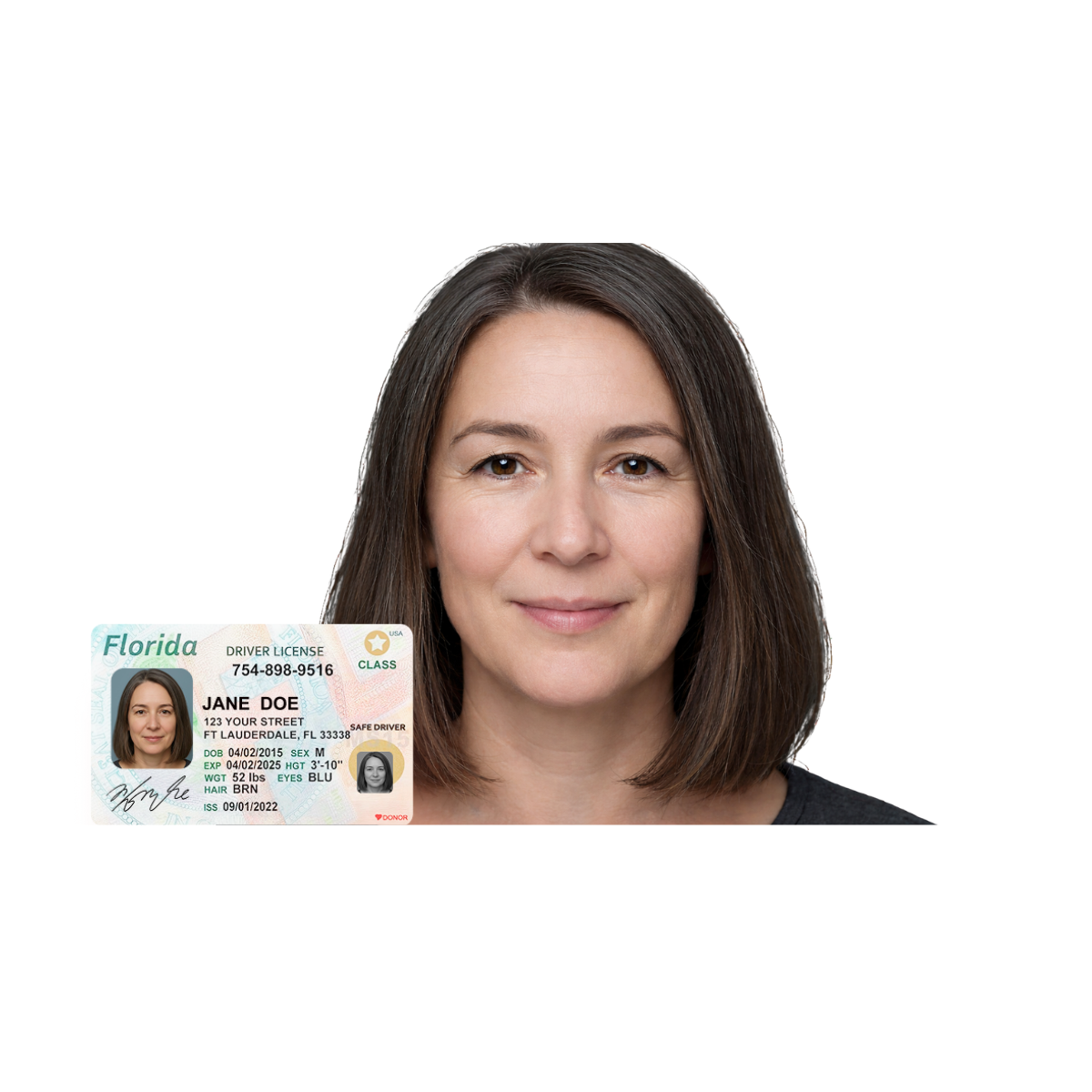
The fraud landscape now demands stronger controls. AI-generated document fraud increased significantly in 2025, and U.S. unsecured credit losses tied to synthetic identity fraud are projected to exceed $3.1 billion in 2026. MRI Real Estate Software purchased 200 AI-generated fake IDs and found that optical card readers, the industry-standard verification system, flagged only 26% of them. Document-only screening cannot close that gap. Liveness detection functions as a separate control from document verification because synthetic media and deepfakes have raised fraud risk beyond what basic photo-matching can handle.
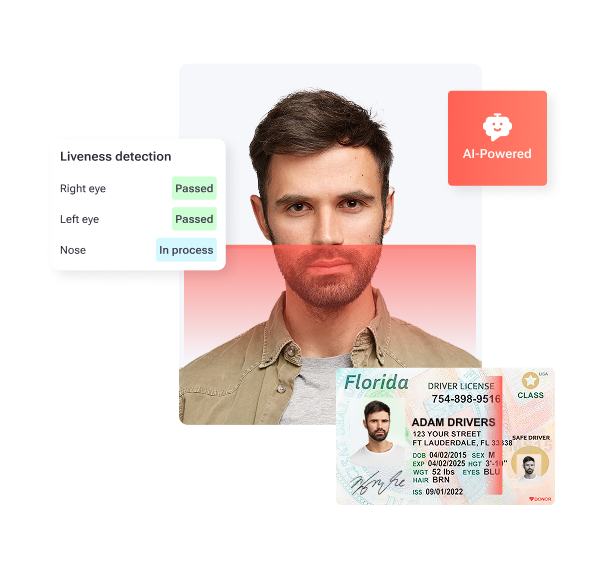
The table below maps these security requirements against how Buildium and TenantEvaluation handle each dimension, with a focus on the fraud-prevention and audit gaps that document-only workflows leave open.
Buildium vs. TenantEvaluation: Security & Workflow Comparison
| Criteria | Buildium | TenantEvaluation | Risk Impact |
|---|---|---|---|
| Encryption depth | TLS in transit, document-level storage | End-to-end encryption, PCI Level 1 compliance, AES-256 at rest, automatic PII redaction | Unredacted PII in storage increases breach exposure and FCRA liability |
| Identity verification | Document upload and TransUnion integration, no biometric liveness layer | IDVerify: government ID validation, AI-powered liveness detection, and biometric selfie-to-ID facial matching, native to the platform | Optical readers flagged only 26% of AI-generated fake IDs, so document-only flows leave the remaining 74% undetected |
| Credit bureau access | TransUnion integration via third-party reseller pathway | Direct reseller of TransUnion and Equifax data under strict bureau rules, with no gray-market or offshore sources | Third-party data pathways introduce permissible-purpose gaps and audit defensibility risk |
| Adverse-action automation | Manual notice generation required | Built-in automated adverse-action workflows with pre-adverse and final notice sequencing | Willful FCRA noncompliance carries statutory damages of $100–$1,000 per violation plus attorney’s fees |
| Board visibility | No dedicated board review or voting dashboard | QuickApprove board-ready dashboard with real-time application tracking, AI-generated summaries, and a voting panel | Absent board dashboards push decisions into email chains, which creates undocumented approval trails |
| Florida 55+ handling | No built-in age-restricted community workflow | 55+ Communities Verification: standardized documentation workflow built for Florida condos and HOAs | Fragmented manual processes increase documentation inconsistency and audit exposure |
From Buildium’s Gaps to TenantEvaluation’s Layered Upgrades
Buildium’s screening workflow creates two structural limitations for high-risk Florida associations. The absence of biometric liveness detection prevents the platform from confirming that the person submitting an application is physically present and matched to the submitted ID. A liveness check is the single most reliable defense against deepfake IDs and live-deepfake video in rental application fraud. Buildium also provides no board-ready dashboard, so approval decisions move into email threads that lack timestamped audit trails, which creates direct liability under Florida’s expanded HOA recordkeeping requirements that took effect July 1, 2024, with a January 1, 2025 deadline for certain associations to post records online.
TenantEvaluation addresses both gaps through a layered upgrade path that connects identity verification, board oversight, and lifecycle management.

- IDVerify provides biometric identity verification embedded in the screening workflow. It performs government ID validation, AI-powered liveness detection, and facial landmark biometric matching. Results appear directly in the screening report with ID authenticity confirmation, liveness status, and a redacted ID copy for compliance documentation.
- QuickApprove activates once identity is confirmed and delivers an accelerated approval workflow for CAMs, boards, and property management teams. It offers real-time application tracking, automated communication support, customized approval letters, a personalized welcome package, and a board-ready voting panel inside one connected platform.
- Lease Tracking extends that audit trail from approval through occupancy. It centralizes real-time lease visibility and lifecycle control by connecting resident onboarding, unit data, approvals, and lease documentation into one audit-ready workflow.
- TEpayments by Zinc closes the payment loop with a connected payment workflow inside TenantEvaluation. It collects application fees, deposits, and other required resident payments during onboarding, with funds moving directly from the applicant to the association’s designated account while TenantEvaluation avoids holding the funds.
Real-World Risk Scenarios for Florida Associations
Small self-managed condos. A 40-unit self-managed condo in Fort Lauderdale that processes applications manually through email and PDF uploads has no audit trail for board votes and no liveness check on submitted IDs. Nearly 1 in 4 eviction filings is linked to fraudulent applications, and the cost of an eviction can exceed $10,000 per incident. TenantEvaluation’s IDVerify and built-in adverse-action automation close both the fraud and FCRA exposure gaps without adding staff.
Large enterprise portfolios. A management company overseeing more than 200 communities across Miami-Dade and Broward counties needs consistent permissible-purpose controls and exportable audit logs across every property. Buildium’s document-level storage and manual notice generation create inconsistency at scale. TenantEvaluation’s direct bureau reseller status, role-based access controls, and automated adverse-action workflows deliver standardized compliance across the full portfolio.
Age-restricted 55+ communities. Florida condos and HOAs operating under HOPA requirements face documentation inconsistency when age verification runs through fragmented emails and PDFs. TenantEvaluation’s 55+ Communities Verification standardizes application handling, supports documentation consistency, reduces manual work, and improves operational efficiency while still leaving room for legal guidance.
Security Across the Full Resident Lifecycle
Screening security continues after the approval decision, and TenantEvaluation connects the full resident lifecycle inside one platform. The earlier capabilities extend into day-to-day operations so CAMs and boards keep a single, auditable system of record.
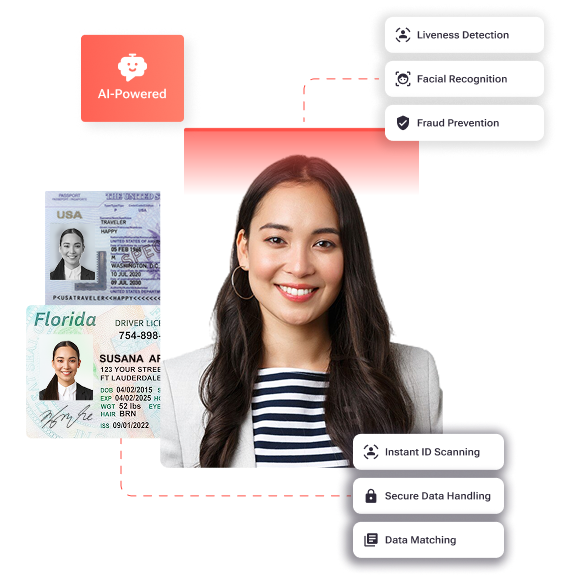
- QuickApprove accelerates resident approvals from submission to decision with real-time application tracking, fewer manual follow-ups, and a board-ready approval process designed for high-volume seasons and complex onboarding requirements.
- Lease Tracking provides centralized, real-time lease visibility and lifecycle control from application to occupancy. It supports automated lease document collection during onboarding, unit-level tracking, real-time lease status, and audit-ready digital records.
- TEpayments by Zinc collects application fees, deposits, and other required resident payments within the same onboarding process. Each association defines what to collect and at which stage, while payments move directly from the applicant to the association’s designated account, which removes payment chasing from staff workloads.
Decision Checklist: Matching Risk Tolerance to a Platform
Use the criteria below to assess which platform matches your association’s risk profile. TenantEvaluation fits any association that checks more than two items.
- Your association processes more than 50 applications per year and needs consistent permissible-purpose controls across all of them.
- Your board requires a documented, timestamped voting record for every approval decision.
- Your community has experienced or suspects identity fraud in the past 24 months.
- Your screening workflow relies on document uploads without a biometric liveness layer.
- Your adverse-action notices are generated manually, which creates inconsistency and FCRA exposure.
- Your association operates as a 55+ age-restricted community and handles eligibility documentation through email and PDF follow-ups.
- Your lease records live across spreadsheets, inboxes, and shared drives with no centralized visibility.
- Your payment collection for application fees and deposits is disconnected from the onboarding workflow.
Frequently Asked Questions
How does synthetic identity fraud affect Florida HOA screening in 2026?
As noted in the evaluation criteria above, synthetic identity fraud combines real data elements with fabricated information to create identities that pass standard credit checks. In Florida HOA and condo screening, this allows a fraudulent applicant to clear a standard TransUnion pull and document review without triggering any alert. The fraud usually surfaces only after the resident occupies the unit and the association faces the eviction costs discussed earlier. TenantEvaluation’s IDVerify+ layer adds biometric liveness detection and facial matching to confirm that the person submitting the application is physically present and matched to the submitted government ID, which document-only workflows cannot match.
What encryption and access controls meet best practices for tenant screening?
Best-practice tenant screening security requires TLS 1.3 for data in transit, AES-256 encryption for data at rest, and independently encrypted backups. Access controls enforce multi-factor authentication on every staff account and apply role-based permissions so leasing staff, accounting staff, board members, and administrators each access only the data their role requires. Sensitive identifiers such as Social Security numbers stay masked in the interface and are redacted automatically from uploaded documents. Audit logs capture time-stamped events for every application action and remain exportable for regulatory review. TenantEvaluation meets these requirements through PCI Level 1 compliance, end-to-end encryption, automatic PII redaction, and built-in audit trails for every application.
How do FCRA adverse-action rules apply to automated platforms?
Under the FCRA, an adverse action occurs whenever a consumer report influences a decision that leaves an applicant worse off, including denial, requiring a co-signer, demanding a larger deposit, or charging higher rent. The housing provider, not the screening platform, bears the legal obligation to send the adverse-action notice. That notice must include the consumer reporting agency’s name, address, and phone number, a statement that the CRA did not make the decision, and notice of the applicant’s right to dispute the report and obtain a free copy within 60 days. A pre-adverse action notice with a copy of the report and the FCRA Summary of Rights must precede the final notice by at least five to seven business days. Willful noncompliance carries statutory damages of $100 to $1,000 per violation plus attorney’s fees. TenantEvaluation’s built-in adverse-action workflows automate this sequencing and reduce the risk of missed or incorrectly formatted notices across high-volume portfolios.
Why is biometric liveness detection now required beyond document checks?
Document verification confirms whether an ID document is genuine, while liveness detection confirms whether the person presenting that document is physically present and matched to it. These controls address different attack vectors. A fraudster using a stolen authentic passport passes document verification but fails liveness detection when presenting a photograph or deepfake. A real person submitting an AI-generated ID passes liveness but fails document forensics. Modern identity fraud often combines both attack types, which is why financial-services KYC regulations and NIST identity-proofing guidance treat document verification and liveness detection as complementary minimum standards. For Florida community associations, where a single fraudulent occupant triggers the eviction costs discussed earlier, the layered approach that TenantEvaluation’s IDVerify+ provides materially reduces per-application risk exposure.
Conclusion: Choosing a Secure Upgrade Path for Florida Associations
Buildium’s TransUnion integration and TLS-level document handling matched a previous threat environment. In 2026, with synthetic identity fraud up eight-fold, AI-generated documents passing optical readers at a 74% rate, and Florida’s HOA recordkeeping requirements expanding board liability, document-only screening now creates measurable data exposure and audit defensibility risk for Florida CAMs and boards.
TenantEvaluation is built specifically for community associations and management companies, with FCRA compliance as the foundation. Direct credit bureau reseller status, IDVerify biometric liveness detection, automated adverse-action workflows, board-ready QuickApprove dashboards, centralized Lease Tracking, and TEpayments by Zinc connected payment collection together create an end-to-end secure upgrade path for high-risk Florida associations across self-managed condos, enterprise portfolios, and age-restricted 55+ communities.
See how TenantEvaluation closes the security and compliance gaps that Buildium leaves open.
