
Key Takeaways for Florida HOA Managers
- Florida HOA managers face new regulatory pressures like mandatory websites and enhanced CAM education, which expose gaps in Buildium’s resident screening and board transparency.
- Buildium excels in accounting and violations but lacks HOA-specific automation, often taking 5 to 10 days for applications instead of minutes with specialized tools.
- Competitors such as AppFolio, DoorLoop, and Condo Control provide general features but fall short in HOA screening, compliance, and board dashboards compared to dedicated solutions.
- TenantEvaluation leads across onboarding, board features, compliance, and ROI with 5 to 10 minute processing, FCRA compliance, real-time QuickApprove, and more than $150 million in revenue-sharing.
- HOA managers who want to remove screening bottlenecks and generate revenue should get started with Tenant Evaluation today for proven Florida compliance and efficiency.
Six Criteria That Matter Most for HOA Software in 2026
HOA managers should evaluate platforms across six clear capability areas. Resident screening depth controls how quickly and accurately applications move through approval workflows. Board portal functionality shapes transparency and speeds up decisions. Automated workflows cut administrative work and reduce human error.
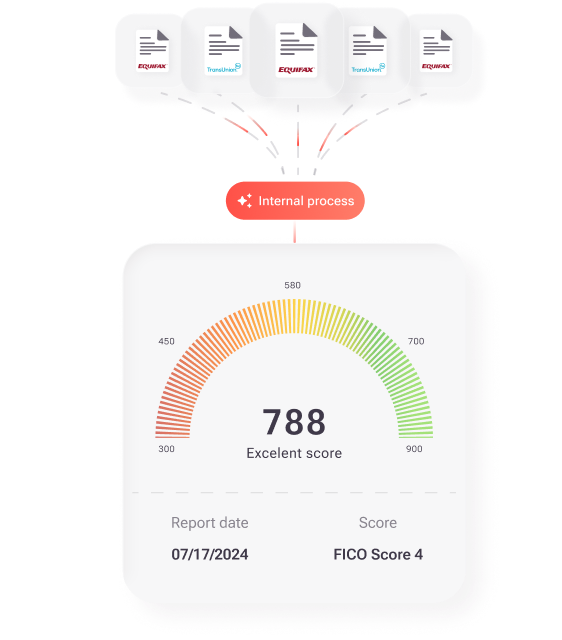
Compliance features protect associations by supporting FCRA regulations and Florida’s 2026 HOA-specific requirements. Revenue models affect the total cost of ownership and long-term financial impact. Time savings metrics reveal real operational efficiency gains.
Modern HOA platforms should process more than 100,000 applications each year while maintaining audit trails and strong security standards. Integration with existing accounting systems and communication tools also plays a major role in final platform selection.
Buildium for HOAs: Where It Works and Where It Falls Short
Buildium performs well for core property management tasks such as accounting, violation tracking, and mobile access. The platform supports violation logging through a mobile app with customizable stages and automated notices, which helps community association managers manage maintenance and compliance issues.
Buildium’s generalist design creates gaps for HOA-specific needs. The platform lacks dedicated resident screening workflows, so application processing often takes 5 to 10 days instead of minutes. Board members see limited application status details and do not have real-time approval dashboards.
Document redaction and FCRA compliance features remain basic, which increases potential liability for associations that handle sensitive applicant data. These gaps become more serious as Florida regulations tighten around screening and record handling.

Buildium vs Key Competitors for Florida HOAs
The HOA software market includes several platforms that focus on different parts of community management. AppFolio ranks highly for AI automation and unified platform capabilities, with per-unit pricing that fits a wide range of portfolios. DoorLoop offers a user-friendly interface and open API integration, but focuses mainly on rental properties instead of HOA workflows.
Condo Control delivers web-based HOA automation and amenity management features but lacks full screening and onboarding tools. TenantEvaluation stands apart by offering end-to-end automation built specifically for HOA applications and approval workflows.
Table 1: Onboarding Automation
|
Feature |
Buildium |
AppFolio |
DoorLoop |
Condo Control |
TenantEvaluation |
Winner |
|
App Time |
5-10 days |
3-7 days |
4-8 days |
Manual |
5-10 mins |
TenantEvaluation |
|
Automation |
Partial |
AI leasing |
Leasing tools |
Amenities |
End-to-end |
TenantEvaluation |
Table 2: Board Features
|
Feature |
Buildium |
AppFolio |
DoorLoop |
Condo Control |
TenantEvaluation |
Winner |
|
Dashboard/Voting |
None |
Investor portal |
Basic portal |
Voting tools |
Real-time QuickApprove |
TenantEvaluation |
Table 3: Compliance & Security
|
Feature |
Buildium |
AppFolio |
DoorLoop |
Condo Control |
TenantEvaluation |
Winner |
|
FCRA/FL Regs |
Basic |
Configurable |
Integrates |
Basic |
Direct reseller/IDverify |
TenantEvaluation |
Table 4: ROI
|
Feature |
Buildium |
AppFolio |
DoorLoop |
Condo Control |
TenantEvaluation |
Winner |
|
Model |
Subscription ($55+/mo) |
Per-unit ($280+ min) |
Subscription |
Subscription |
Revenue-sharing ($150M generated) |
TenantEvaluation |
TenantEvaluation’s specialized design delivers clear advantages across every evaluation category. The revenue-sharing model removes upfront software costs and creates a new income stream for associations. FCRA-first workflows and direct credit bureau relationships support compliance and reduce liability.
See the QuickApprove dashboard in action. Schedule a demo today.

How TenantEvaluation Solves Everyday HOA Pain Points
Small self-managed HOAs gain immediate relief from manual application processing and constant back-and-forth with applicants and realtors. Enterprise-level Community Association Managers gain stronger compliance through automated FCRA workflows and complete audit trails. One Florida management company reported $240,000 in yearly savings after switching to TenantEvaluation and recovered 50 staff hours each day for higher-value work.
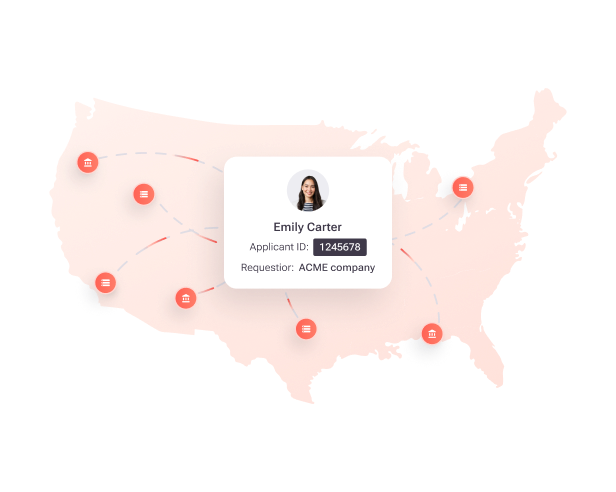
Automated processing can cut payment processing time up to 70 percent, and TenantEvaluation extends similar efficiency to the full screening workflow. Multilingual AI chat support and 24/7 availability improve applicant satisfaction and reduce support tickets for management teams.
Total Ownership Value for Boards, Managers, and Residents
Specialized HOA technology creates measurable value for every stakeholder in the application process. Applicants receive faster approvals and clearer communication at each step. Realtors benefit from predictable timelines and fewer delays at closing.
Board members gain data-driven insights that support strategic decisions, including EV charging policies and pet regulations. TenantEvaluation’s partnerships with leading management companies such as RealManage, FirstService Residential, and Associa show proven success across many portfolio sizes.
The platform’s analytics tools provide demographic insights and trend analysis that guide long-term community planning. Generate revenue while improving operations. Schedule a demo today.
Decision Framework for Comparing Buildium Competitors
HOA managers can use a weighted scoring system to compare platforms across six criteria. Assign points for screening automation (25%), board transparency (20%), compliance features (20%), time savings (15%), revenue generation (10%), and integration capabilities (10%). TenantEvaluation typically scores highest because of its HOA focus and documented results.
Decision makers should also review implementation timelines, training needs, and ongoing support quality. Platforms built specifically for HOAs usually require less customization and deliver faster time-to-value than general property management tools adapted for associations. Choose the top Buildium alternative. Schedule a demo today.
FAQ
Is AppFolio better than Buildium for HOAs?
AppFolio offers advanced features with per-unit pricing that fits many portfolio sizes, while Buildium provides a more affordable entry point but lacks HOA-specific screening tools. TenantEvaluation delivers specialized HOA functionality with no unit minimums and revenue-sharing pricing that removes upfront costs and generates income for associations.
What is the best Buildium alternative for Florida compliance?
TenantEvaluation stands out as the strongest option for compliance, with FCRA-first workflows, direct credit bureau reseller relationships, and Florida-specific regulatory expertise. The platform automatically manages document redaction, adverse action workflows, and audit trail requirements that generic property management software often overlooks.
Which HOA software includes board portals?
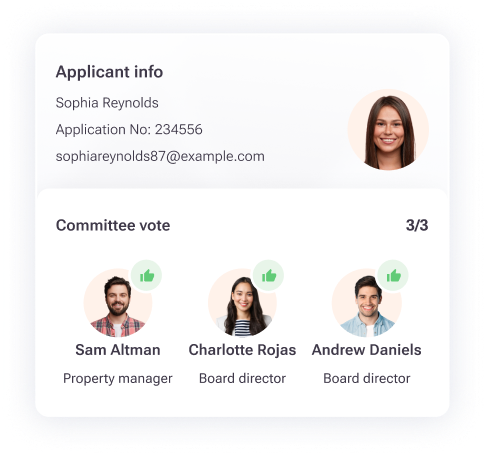
TenantEvaluation’s QuickApprove dashboard offers real-time application visibility, AI-generated summaries, and streamlined voting tools designed for HOA boards. This focused approach outperforms generic investor portals from broader property management platforms.
How do Buildium and AppFolio compare for HOA management?
Buildium delivers affordable accounting and violation tracking that works for smaller associations. AppFolio provides enterprise-level automation with higher costs and more complexity. Neither platform specializes in HOA resident screening like TenantEvaluation, which processes more than 100,000 applications each year and delivers roughly 70 percent time savings.
Is DoorLoop better than Buildium for condos?
DoorLoop excels in user experience and API integration but focuses mainly on rental properties instead of HOA workflows. Buildium offers stronger accounting features, yet both platforms lack dedicated screening automation and board transparency tools that specialized HOA solutions provide.
What automated screening options exist for Florida condos?
TenantEvaluation provides the most complete automated screening for Florida condos, with 5 to 10 minute processing times, end-to-end document collection, and FCRA-compliant background checks. The Florida-focused design addresses state regulatory requirements that generic screening tools often miss.
Which Buildium competitors offer revenue-sharing?
TenantEvaluation uniquely offers revenue-sharing pricing that has generated more than $150 million for client communities. This model removes upfront software costs and creates ongoing income from application processing, unlike subscription-only competitors.
What works best for small self-managed HOAs?
TenantEvaluation supports small self-managed communities with no unit minimums, automated workflows that replace manual processing, and revenue-sharing pricing with no upfront investment. The simple interface and HOA-specific design outperform general property management alternatives.
How important is FCRA compliance in HOA software?
FCRA compliance is critical for HOAs that handle applicant screening because it reduces legal risk. TenantEvaluation operates as a direct credit bureau reseller and includes built-in adverse action workflows and audit trails, which provide stronger protection than platforms that treat screening as a minor add-on.
Have the answers you need? Schedule a demo today.
Conclusion: Why TenantEvaluation Beats Buildium Competitors
Buildium and its competitors deliver useful property management features, yet none match TenantEvaluation’s focus on HOA resident screening and onboarding. The combination of 5 to 10 minute processing times, FCRA-first compliance, board-focused dashboards, and revenue-sharing pricing creates strong value for Florida community associations.
TenantEvaluation’s record of serving more than 5,000 communities and handling over 100,000 applications each year shows that the platform scales while maintaining quality and compliance. Florida HOA managers who want to close Buildium’s screening gaps and generate revenue from application processing gain a clear advantage with TenantEvaluation. Transform your HOA operations. Schedule a demo today.