Written by: Luis Teran, Co-founder, CEO, TenantEvaluation
Key Takeaways for Florida Boards and CAMs
- Board dashboard lease tracking replaces fragmented spreadsheets and email chains with one centralized, real-time system for Florida HOAs and condos.
- Disconnected lease data creates compliance risks, missed expirations, and audit delays that centralized dashboards prevent.
- Automated alerts, unit-level occupancy views, and searchable digital records reduce manual workload and support Florida’s strict recordkeeping requirements.
- Lease Tracking connects directly with applications, approvals, and board voting panels, creating a single workflow from onboarding to occupancy.
- Eliminate spreadsheet errors and gain full lease visibility, explore TenantEvaluation’s Lease Tracking today.
The Problem: Fragmented Lease Management Drains Time and Raises Risk
Florida CAMs and Board Presidents managing multi-unit communities face a persistent operational problem: lease data is scattered across tools and people. Copies live in email inboxes, expiration dates sit in spreadsheets no one updates consistently, and occupancy status requires manual follow-up instead of a live system. Because no single source of truth exists, teams spend time reconciling conflicting information, and that gap creates blind spots when audits or resident disputes demand fast, complete documentation.
The gap between communities using integrated platforms and those still running on spreadsheets and email threads is widening operationally, particularly for associations managing 50 or more units. Many HOAs now plan to deploy new technology, which shows how clearly the industry recognizes the cost of staying manual.
CAMs and CAM firms must return all community association records within 20 business days of termination of a services agreement or written request, with failure resulting in civil fines of $1,000 per day for up to 10 business days. Lease records spread across folders and inboxes make that statutory timeline difficult to meet and increase the risk of penalties.
Why Lease Tracking Fails in Many Florida Communities
Lease tracking failures in community associations share a common root: systems and processes do not connect. The most frequent causes include:
- Disconnected spreadsheets: Excel-based systems fail quietly through incorrect formula drag, accidental row deletion, duplicate tenant entries, and use of outdated sheet versions, and these errors compound over time.
- Missing lease copies: Executed leases stored in email attachments or local folders are difficult to locate during audits or disputes, which slows response times.
- Manual expiration tracking: Spreadsheet systems lack automated alerts for lease expirations, so CAMs rely on calendar reminders that often get missed during high-volume seasons.
- No application-to-lease connection: When the onboarding process ends at approval, there is no automatic link between the approved application and the active lease record. That gap forces manual re-entry and follow-up.
- Linear scaling problem: Manual Excel processes require significant monthly effort that grows with every additional tenant, while purpose-built software automates that growth.
The Solution: Centralized Board Dashboards for Lease Tracking
These failure points share a common solution: replace disconnected tools with a single, integrated system that eliminates manual reconciliation. Board-ready lease tracking dashboards consolidate lease records, occupancy data, expiration alerts, and document history into one centralized platform accessible to CAMs and board members in real time. Cloud-based platforms replace scattered spreadsheets with centralized digital systems for instant visibility into operations, finances, and compliance.
TenantEvaluation’s Lease Tracking is a purpose-built solution for Florida HOAs and condos. It lives inside the TenantEvaluation ecosystem, the same platform that handles resident screening, QuickApprove board workflows, and IDVerify biometric identity verification. Lease Tracking connects resident onboarding, unit data, approvals, and lease documentation into one streamlined, audit-ready workflow. It supports CAMs, Boards, Property Management Companies, and community operations teams, with FCRA compliance built in from the start.
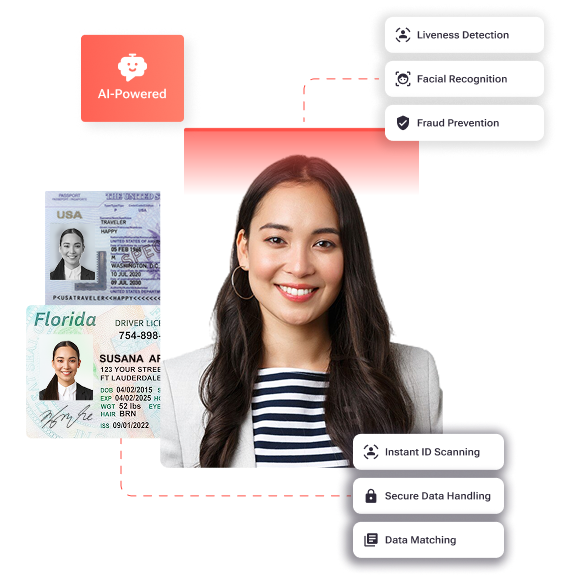
Real-Time Lease Status Visibility for Every Unit
Real-time lease visibility gives boards and CAMs instant clarity on which units have active leases, which are pending, which have expired, and which are missing documentation. TenantEvaluation’s Lease Tracking delivers this view through live lease status indicators tied to each unit record.
Instead of opening a spreadsheet and cross-referencing dates, CAMs and board members see current status for every unit inside the platform. This unit-level tracking connects to occupancy records and the onboarding lifecycle, so status updates as applications move through approval, not after a manual data entry step.
Dashboards should provide role-specific views, with owners receiving high-level financial summaries, property managers accessing operational data, and field staff seeing task-focused views, and TenantEvaluation’s board and CAM access structure follows that principle.
Critical Date Alerts and Expiration Tracking Automation
Automated critical date alerts replace the fragile practice of manual calendar checks for lease expirations. Spreadsheet systems lack automated alerts for lease expirations or payment issues, so missed renewals and compliance gaps accumulate quietly.
TenantEvaluation’s Lease Tracking surfaces upcoming expirations directly inside the board dashboard. When a lease approaches expiration, the system flags it automatically, without any manual review of dates. This reduces the risk of expired leases going unaddressed and supports organized, proactive management that aligns with Florida’s recordkeeping expectations.
Occupancy Confirmation and Clear Unit-Level Views
Boards need instant confirmation of who occupies each unit to make informed decisions. Without a centralized system, confirming occupancy requires contacting the CAM, who then searches email threads or spreadsheets, which introduces delays and potential inaccuracies.
TenantEvaluation’s unit-level tracking ties occupancy records directly to lease documentation and the onboarding workflow. When a resident completes the application and approval process, their occupancy status updates in the platform automatically. Boards gain a clear, current picture of community occupancy without manual reconciliation. Maintaining occupancy rates above 95% is crucial for steady cash flow in most residential properties, and accurate unit-level visibility supports that metric.
Digital Lease Records that Support Florida Audits
Florida’s recordkeeping requirements create a direct operational need for organized, retrievable lease documentation. Under Florida Statute 718.111(12)(g), condominium associations with 25 or more units must operate an official website or secure member portal by January 1, 2026, providing owner access to governing documents, budgets, financial reports, meeting notices, agendas, and at least 12 months of meeting minutes. Under Florida Statutes Chapter 720, members of homeowners associations have a statutory right to inspect and copy official association records within a defined period of the request.
TenantEvaluation’s Lease Tracking maintains a searchable digital history of lease records, resident activity, and document trails, all organized for fast retrieval. When a record request arrives, CAMs can locate and produce documentation without searching across folders, inboxes, or physical files. Automation minimizes clerical errors by handling compliance and accounting workflows automatically, and the same principle applies to lease document organization inside TenantEvaluation.
Board Voting and Approval Panel Connected to Lease Data
Lease data in TenantEvaluation flows directly into QuickApprove board workflows. Board members access a dedicated review and voting panel where lease documentation, applicant summaries, and approval status appear in one place. This replaces email chains and disconnected spreadsheets with a connected approval process inside TenantEvaluation.
This integration keeps boards from reviewing lease information in isolation. The same platform that tracks the application, collects documents, and runs the background check through IDVerify also surfaces the lease record at the point of board decision. Communities gain a complete onboarding-to-occupancy workflow without manual handoffs between systems.
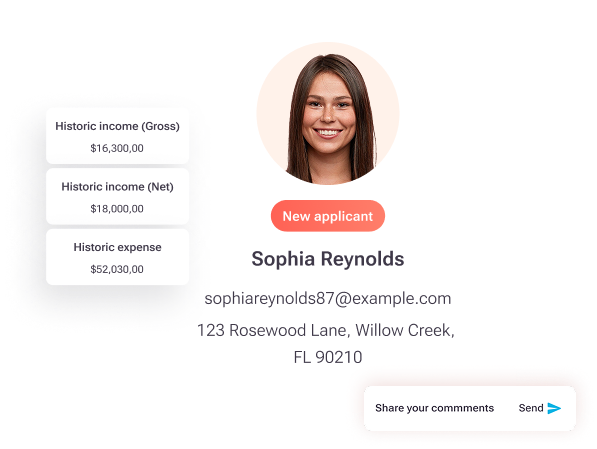
What a TenantEvaluation Board Dashboard Typically Shows
A board dashboard in TenantEvaluation is organized for fast operational review and quick decision-making. The standard layout includes:
- Summary tiles: Total active leases, pending leases, expired leases, and units with missing documentation, all visible at a glance without opening individual records.
- Alert panels: Critical date notifications for upcoming expirations and missing documents, surfaced automatically so no one relies on manual calendar checks.
- Unit-level views: Individual unit records showing current occupancy status, lease term, resident information, and document history.
- Searchable history: A complete, filterable record of lease activity, resident transitions, and document submissions, accessible instantly for audit or dispute response.
A traffic light color-coding system on dashboards uses red to highlight critical issues such as sharp drops in occupancy, yellow to flag potential risks like upcoming lease expirations, and green to indicate metrics meeting targets, which makes board-level review faster and more actionable.
Before-and-After: From Manual Spreadsheets to Automated Dashboards
Spreadsheet-based lease management consumes measurable time and introduces compounding risk. Manual Excel processes demand ongoing effort each month for formula maintenance, expiration checks, document searches, and data reconciliation. That effort scales with portfolio size, so larger communities face proportionally greater administrative burden without automation.
Centralized platforms change that equation by automating repetitive work and standardizing workflows. Associations that adopt digital platforms typically see significant reductions in payment errors and faster reporting cycles. TenantEvaluation’s automated workflows have helped management companies free up to 50 hours of staff time per day and reduce application processing time by up to 70%. Those hours previously went to manual follow-ups, document searches, and spreadsheet maintenance.
On the risk side, small spreadsheet errors in rent and lease tracking compound into payment disputes, tenant mistrust, revenue gaps, and accounting confusion as properties grow. Centralized lease tracking with connected digital records reduces that compounding risk by keeping every lease current and searchable from application to occupancy.
Key Implementation Factors for Florida Associations
Florida associations evaluating board dashboard lease tracking should consider several implementation factors before rollout:

- Portfolio size: Smaller self-managed communities benefit from simplified unit-level views and automated alerts. Larger enterprise portfolios, such as those managed by RealManage, FirstService Residential, or Campbell Property Management, require scalable workflows that handle high onboarding volume without added complexity. TenantEvaluation serves both, with 5,000+ communities and approximately 100,000 applications processed annually.
- Onboarding workflow integration: Lease Tracking inside TenantEvaluation connects directly to the application, document collection, and approval process. Communities avoid maintaining or syncing a separate system because lease records are created as part of onboarding.
- Florida-specific recordkeeping requirements: Community association managers serving HOAs must complete at least three hours of recordkeeping-focused continuing education every two years, which reflects the regulatory weight Florida places on organized records. Upcoming HB 465, effective January 1, 2027, will require condominium associations with total annual revenues of $500,000 or more to contract with a licensed CAM firm, raising the operational bar for documentation and record management statewide.
- Age-restricted communities: Florida condos and HOAs managing 55+ communities can pair Lease Tracking with 55+ Communities Verification to standardize application handling and improve documentation consistency across age-restricted requirements.
Frequently Asked Questions
How long does it take to set up TenantEvaluation’s Lease Tracking for a Florida HOA or condo?
TenantEvaluation configures each community’s governing documents, screening criteria, and association workflows into the platform during onboarding. Because Lease Tracking is built into the TenantEvaluation ecosystem alongside applications, approvals, and document collection, communities avoid implementing a separate system. Setup timelines vary by portfolio size and complexity, but the platform is designed to get associations operational quickly without requiring technical staff on the association’s side.
Who on the board or management team can access the lease dashboard?
TenantEvaluation provides role-specific access so each stakeholder sees the right level of detail. CAMs and property managers access full operational data, including unit-level lease status, document history, and expiration alerts. Board members access a dedicated review and voting panel through QuickApprove, which surfaces summarized applicant and lease information relevant to approval decisions. Access controls are configured per community to match the association’s governance structure.
Can TenantEvaluation’s Lease Tracking be used on mobile devices?
TenantEvaluation’s platform is accessible via web and mobile app, which supports 100% online access for CAMs, board members, and applicants. Lease status, occupancy records, and critical date alerts remain available from any device, not just a desktop in the management office.
How does Lease Tracking support audit readiness for Florida associations?
TenantEvaluation maintains a searchable digital history of lease records, resident activity, and document submissions inside the platform. When an audit, record request, or resident dispute arises, CAMs can locate and produce documentation without searching across email folders or spreadsheets. Every action inside the platform is timestamped and traceable, which supports the organized record trail that Florida’s statutory recordkeeping requirements expect from CAMs and community associations.
Does TenantEvaluation’s Lease Tracking connect to the resident application process?
Lease Tracking is built directly into the TenantEvaluation onboarding workflow. When a resident completes an application, the platform collects lease documentation as part of that process, not as a separate manual step afterward. Lease records connect to the application, the approval decision, and the occupancy record from the start, which removes the gap that appears when lease management runs in a separate system from resident onboarding.
Conclusion: Move from Fragmented Spreadsheets to Connected Lease Visibility
Fragmented lease management across spreadsheets, email chains, and disconnected folders creates operational blind spots, manual workload, and compliance exposure for Florida CAMs and Board Presidents. Board dashboard lease tracking replaces that fragmentation with centralized, real-time visibility from application to occupancy.
TenantEvaluation’s Lease Tracking delivers the centralized visibility and automated workflows described throughout this article, all inside one connected platform built specifically for Florida HOAs and condos. It connects resident onboarding, unit data, approvals, and lease documentation into one streamlined workflow, so every lease stays connected, searchable, trackable, and ready for review. No spreadsheets. No missing leases. No operational guesswork.
Get started with the lease tracking platform built for Florida associations and book your demo now.
