
Key Takeaways
- Biometric verification confirms applicant identity through AI-powered facial matching and liveness detection, which helps prevent identity fraud in HOA tenant screening.
- The 7-step process, from ID upload to fraud risk scoring, finishes in minutes within a single platform and can reduce approval times by up to 70%.
- Communities gain enhanced FCRA compliance, save up to 50 staff hours per day, and avoid $5,000 to $10,000 in eviction costs for each fraudulent tenant.
- TenantEvaluation’s IDVerify offers native integration, Florida-specific compliance, and bank-grade security tailored for more than 5,000 communities.
- Schedule a demo with TenantEvaluation today to secure your community’s screening process against rising identity threats.
The Shift from Manual Document Checks to Biometric Identity Confirmation
Traditional tenant screening relies heavily on uploaded documents, which cannot reliably prevent impersonation or synthetic identity fraud. Community associations now require stronger identity confirmation before approval decisions, especially as Florida House Bill 197 mandates E-Verify compliance starting July 2026 for enhanced identity verification processes.
Biometric verification closes these gaps by confirming applicant presence and authenticity through advanced AI detection systems. HOA boards and property managers can save up to 50 staff hours daily and reduce fraud exposure that can cost $5,000 to $10,000 or more per fraudulent tenant in eviction expenses. TenantEvaluation’s platform maintains PCI Level 1 compliance with end-to-end encryption and automated data redaction, so associations meet regulatory requirements while protecting sensitive applicant information.
TenantEvaluation focuses on community association workflows instead of generic rental screening. The platform supports this focus with QuickApprove board dashboards and Florida-specific compliance features that adapt to each community’s unique screening criteria.

Step-by-Step Biometric Verification in TenantEvaluation’s Screening Flow
The biometric verification process follows a clear sequence of validation steps that confirm applicant identity before screening authorization.
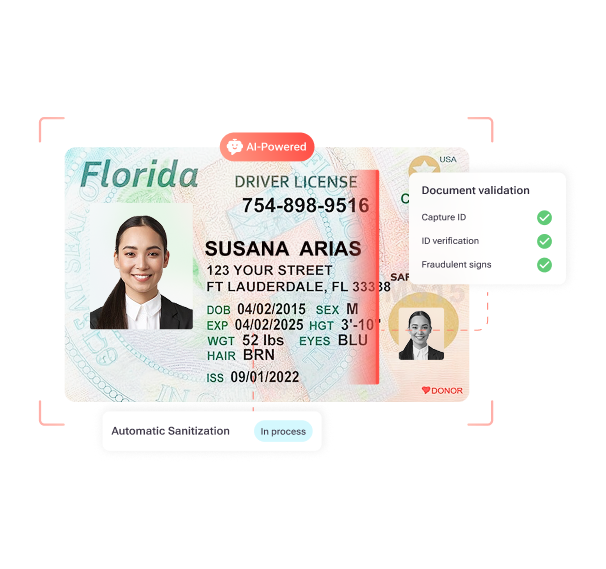
1. Government ID Upload: Applicants photograph their driver’s license or state-issued identification using their mobile device or computer camera within the screening platform.
2. Guided Selfie Capture: The system prompts applicants to take a live selfie and follow simple positioning guidelines so the platform can clearly capture facial features.
3. AI-Powered Liveness Detection: Advanced algorithms analyze facial features and movements to confirm real-time human presence instead of static photos or deepfake attempts.
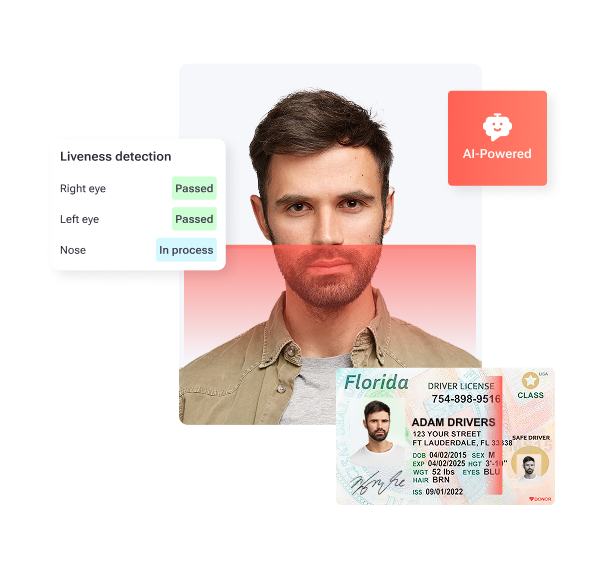
4. Facial Biometric Matching: AI compares facial landmarks from the live selfie with the ID photograph using matching algorithms that account for aging and minor appearance changes.
5. Document Authentication: The system scans for security elements on the ID, verifies authenticity, and detects signs of tampering.
6. Fraud Risk Scoring: All verification elements combine into a fraud risk assessment that flags potential concerns for manual review.
7. Native Report Integration: Verification results appear directly within TenantEvaluation’s screening reports, giving CAMs instant identity confirmation alongside background checks and income verification.
This entire process completes within minutes while applicants remain in the same platform. The unified experience avoids workflow disruption and preserves user convenience that third-party verification services often cannot match.
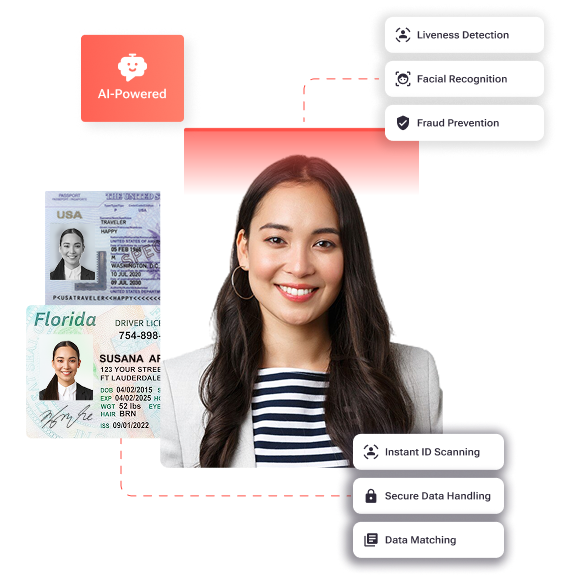
Practical Benefits of Biometric Verification for CAMs and Boards
Biometric verification delivers clear, measurable advantages for community association management teams.
- Fraud Prevention: Confirms physical applicant presence and blocks identity theft attempts that often bypass traditional document review.
- Time Efficiency: Instant verification results remove manual ID review steps and shorten screening cycles from days to hours.
- Mobile Convenience: Applicants complete verification on smartphones without in-person visits or mailing physical documents.
- FCRA Compliance Enhancement: Strengthens permissible purpose validation by confirming identity before background check authorization.
- Audit Trail Documentation: Creates timestamped verification records that support compliance documentation and dispute resolution.
TenantEvaluation’s configurable verification settings let each community adjust fraud detection sensitivity based on risk tolerance and resident demographics. The platform’s 4.8 out of 5 Google rating reflects consistent performance across diverse Florida communities, from luxury condos to family-oriented HOAs.
Security, Reliability, and FCRA Compliance in Biometric Screening
Modern biometric systems reach accuracy rates above 99% through advanced AI algorithms that improve over time. TenantEvaluation applies bank-grade security with automatic data encryption and redaction protocols that protect applicant privacy while maintaining verification strength.
Biometric tools still face some limits, including environmental sensitivity that affects camera quality, demographic bias in facial recognition algorithms, and privacy concerns around biometric data storage. TenantEvaluation addresses these issues with diverse training datasets, multiple verification attempts for technical problems, and strict data retention policies that automatically purge biometric information after verification completes.
FCRA compliance remains central to the platform. TenantEvaluation maintains direct credit bureau reseller relationships with TransUnion and Equifax, which ensures legitimate data access under strict bureau regulations. Unlike competitors such as Snappt or RentSpree that focus on generic rental markets, TenantEvaluation’s HOA-specific design includes built-in adverse action workflows and audit trails tailored to community association requirements.
Schedule a demo today to see TenantEvaluation’s compliance-first biometric verification platform in action.
Embedding IDVerify into Everyday HOA Screening Workflows
IDVerify operates natively within TenantEvaluation’s screening workflow as Step 3 of the resident application journey. Applicants never leave the platform, and staff do not manage extra logins or redirects that disrupt user experience.
Implementation follows three clear phases. First, TenantEvaluation configures community-specific verification requirements. Next, the team activates the feature with your existing screening criteria. Finally, staff receive training through 24/7 AI chat support available in 11 languages.
Florida communities report strong operational gains after IDVerify deployment. One management company achieved $240,000 in annual savings through automated verification that removed manual document review bottlenecks. The technology scales without extra headcount, so associations can handle higher application volumes while maintaining strong fraud prevention.
TenantEvaluation’s unified platform consolidates identity verification, background screening, and board approval workflows into one auditable system. CAMs avoid the separate vendor relationships and integration complexity that often come with third-party verification services.
Next Steps for Biometric-Secured Community Screening
Biometric verification now defines the next stage of community association screening by moving beyond document-based checks to confirmed physical identity authentication. TenantEvaluation’s IDVerify+ leads this shift for Florida HOA and condo communities through native integration, FCRA-compliant workflows, and features built specifically for association management.
The seven-step verification process delivers fast fraud prevention while preserving applicant convenience and regulatory compliance. As identity fraud attempts rise across residential communities, biometric verification provides protection that manual document review alone cannot match.
Schedule a demo today to adopt biometric-secured resident screening that protects your community and streamlines daily operations.
FAQ
How does liveness detection work in tenant screening?
Liveness detection uses AI algorithms to analyze real-time facial movements, 3D depth perception, and micro-expressions that confirm a live human presence instead of static photos or video replays. The technology prompts applicants to perform subtle head movements or facial gestures while capturing their selfie, which creates biometric patterns that spoofing attempts cannot easily copy. IDVerify processes these liveness checks instantly within the screening workflow and provides immediate confirmation that the person completing the application is physically present and matches their submitted identification.
What are the main limitations of biometric verification for tenant screening?
Biometric verification can experience false positives when poor lighting or low camera quality affects image capture, and it may show demographic bias if training datasets lack diversity. Privacy concerns also arise around biometric data storage and potential surveillance uses. Temporary physical changes such as injuries or aging can affect matching accuracy as well.
TenantEvaluation reduces these risks through multiple verification attempts, diverse algorithm training, automatic data purging after verification completion, and human review options for edge cases that need additional assessment.
Is biometric verification FCRA compliant for community associations?
Biometric verification remains FCRA compliant when communities use it as identity confirmation before background check authorization. This approach strengthens permissible purpose validation instead of replacing consumer reporting requirements. TenantEvaluation operates as a direct credit bureau reseller with TransUnion and Equifax, which ensures legitimate data access under strict regulatory oversight.
The platform includes built-in adverse action workflows, audit trail documentation, and a clear separation between identity verification and screening decision-making that protects associations from compliance violations.
How does TenantEvaluation’s IDVerify+ differ from competitors like Snappt?
IDVerify+ integrates natively within TenantEvaluation’s HOA-specific screening platform and does not require external redirects or separate vendor relationships, unlike many generic rental screening tools. The system supports community association workflows with board approval dashboards, Florida compliance features, and revenue-sharing models that can benefit associations financially.
While competitors focus on broad rental markets, TenantEvaluation specializes in HOA and condo communities with more than 5,000 Florida properties and direct credit bureau relationships that support regulatory compliance.
Can biometric verification prevent rental fraud in HOA communities?
Biometric verification significantly reduces rental fraud by confirming applicant physical presence and blocking identity theft attempts that bypass traditional document review. The technology detects synthetic identities, stolen ID usage, and impersonation schemes that can cost communities thousands of dollars in eviction expenses and legal liability.
When combined with comprehensive background screening and income verification, biometric authentication creates multiple fraud prevention layers that protect HOA communities from bad actors while keeping application processing efficient for qualified residents.