Written by: Luis Teran, Co-founder, CEO, TenantEvaluation | Last updated: July 5, 2026
Key Takeaways for Florida Community Associations
- Florida community associations now face higher application volumes, stricter regulations, and more sophisticated fraud than manual processes can handle in 2026.
- FCRA compliance requires documented consent, clear permissible purpose certification, and automated adverse action workflows that reduce legal risk for associations.
- Biometric identity verification with AI-powered liveness detection replaces vulnerable document-only screening and confirms physical presence in minutes instead of days.
- Centralized lease tracking and board-ready dashboards replace email chains, spreadsheets, and fragmented records while giving real-time visibility from application to occupancy.
- TenantEvaluation delivers FCRA-compliant screening, biometric verification, and lease tracking built specifically for Florida associations, with a connected workflow that supports CAMs and boards.
The 2026 Tenant Screening Environment for Florida Associations
Application fraud in Florida in 2026 is more sophisticated than ever, involving altered documents and AI-generated identities, so document-only screening no longer protects community associations that manage shared-governance environments.
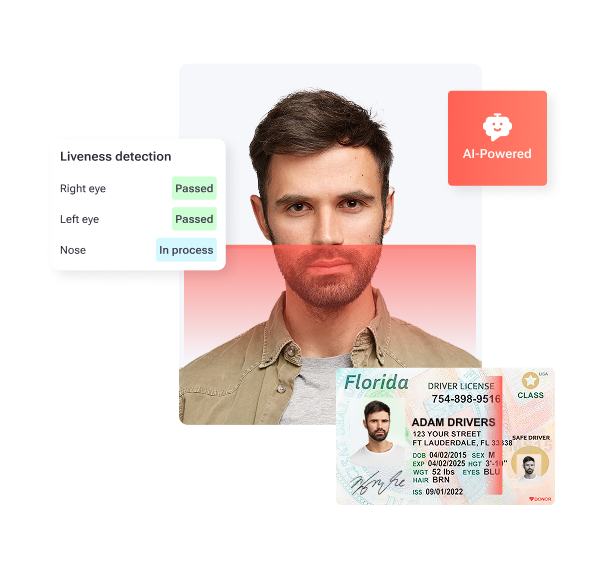
The shift toward biometric verification is accelerating across the industry. Traditional screening methods relying on physical copies of driver’s licenses and bank statements take several days to weeks, are prone to human error, and remain vulnerable to fraud from manipulated documents. Biometric systems that use AI-powered liveness detection and facial matching cut verification time from days to minutes and confirm physical presence, not just document possession.
Day-to-day CAM and board operations now span application intake, document collection, identity verification, board voting, lease documentation, and occupancy tracking. A 2025 Voice of the Property Manager report found that 69% of property managers say technology eases workloads, yet 38% lack the right tools. The gap between what Florida associations need and what generic platforms deliver continues to widen.
See how TenantEvaluation connects every step of the resident journey inside one platform.
FCRA Compliance, Risk, and Governance for Community Associations
Under the federal Fair Credit Reporting Act (FCRA), any person obtaining a consumer report must have a legally recognized permissible purpose, such as written authorization from the consumer or a legitimate business need in connection with a transaction initiated by the consumer. For community associations, every background check and credit pull must connect to documented applicant consent.
Any person obtaining a consumer report must certify to the consumer reporting agency the permissible purpose for obtaining the report and that it will not be used for any other purpose. Vague authorization language fails to meet this standard and increases legal exposure.
If adverse action is taken based on a consumer report, landlords must provide an adverse action notice under the FCRA. Associations that lack automated adverse action workflows carry direct legal risk. Audit trails, strong data security, and a clear separation between data provision and decision-making authority now form the baseline for defensible governance.
Operational and Fraud Challenges Slowing Approvals
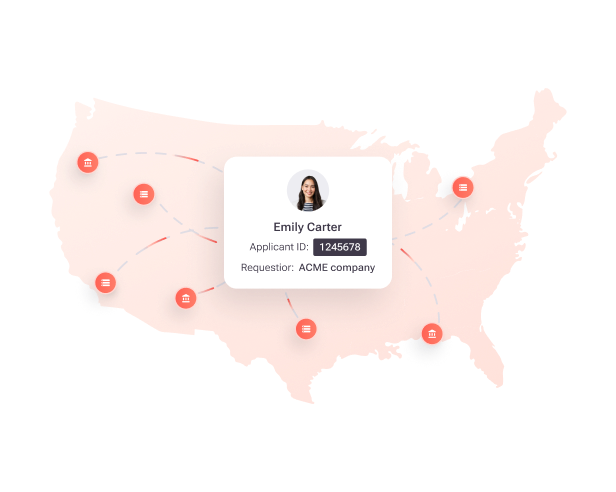
Most Florida CAMs still juggle manual follow-ups with applicants, realtors, and owners, incomplete or incorrect applications, fragmented lease records stored across folders and inboxes, and email-chain bottlenecks that delay board decisions for days or weeks.
Common screening mistakes include relying on incomplete applications, skipping thorough income verification, and ignoring inconsistencies in credit or rental history. Synthetic identity fraud, where fraudsters combine real and fabricated data, often passes document-only review completely.
Fraudsters who can pass a basic document check will often fail once the system requires biometric confirmation or SSN validation at the application stage. Associations that rely only on uploaded IDs have no reliable way to catch impersonation attempts before approval.
Best Practices for HOA and Condo Resident Onboarding Platforms
Florida associations can address these operational and fraud challenges by adopting resident onboarding platforms that standardize workflows across every application, regardless of volume or season. Core best practices include:
- Workflow standardization: Apply identical screening criteria, document requirements, and approval steps to every applicant to support FCRA and Fair Housing compliance. This consistency creates the foundation for defensible decision-making.
- Stronger identity confirmation: Building on that standardized foundation, move from document-based review to biometric-backed verification that confirms physical presence before approval, so the person applying matches the identity on file.
- Centralized digital records: Connect lease documentation, unit data, and occupancy status inside one searchable, audit-ready system that replaces scattered folders and inboxes.
- Clear separation of roles: Maintain a documented boundary between data provision through the screening platform and decision-making authority held by the board, which aligns with core FCRA governance requirements.
- Board visibility: Give board members direct, real-time access to application status and a structured voting workflow, instead of relying on email attachments and informal replies.
Electronic signatures reduce document turnaround time by 80% in property management workflows, and automation of administrative tasks can reclaim 10–15 hours per month for property managers. These gains compound across large Florida portfolios.
Evaluation Framework for Tenant Screening Software with Integration
Florida CAMs and boards evaluating tenant screening software with integration can assess platforms across seven practical dimensions:
- Compliance readiness: FCRA-first design, direct credit bureau reseller status, automated adverse action, and strong permissible purpose controls.
- Operational efficiency: End-to-end automation from application intake through lease documentation, with measurable time savings for staff.
- Board visibility: A dedicated dashboard for board review, voting, and real-time application status, instead of email chains.
- Integration depth: Native connection between screening, onboarding, approvals, and lease tracking inside one platform.
- Scalability: Capacity to handle high-volume seasons and complex onboarding requirements without adding headcount.
- Auditability: Timestamped records, searchable digital history, and audit-ready documentation for every application and lease.
- Fraud prevention: Biometric identity verification that goes beyond document uploads to confirm physical presence and identity authenticity.
Generic multifamily platforms such as AppFolio, Buildium, RentSpree, and TenantCloud were not designed for Florida association governance structures, board voting workflows, or FCRA reseller-level compliance. They address parts of the workflow but do not connect the full lifecycle.
How TenantEvaluation Supports Florida Association Workflows
TenantEvaluation is built specifically for community associations and management companies, with FCRA compliance as the foundation rather than an add-on. Founded in 2007, TenantEvaluation has processed 100,000+ applications annually across 5,000+ communities and has generated $150M for those communities through its revenue-sharing model.
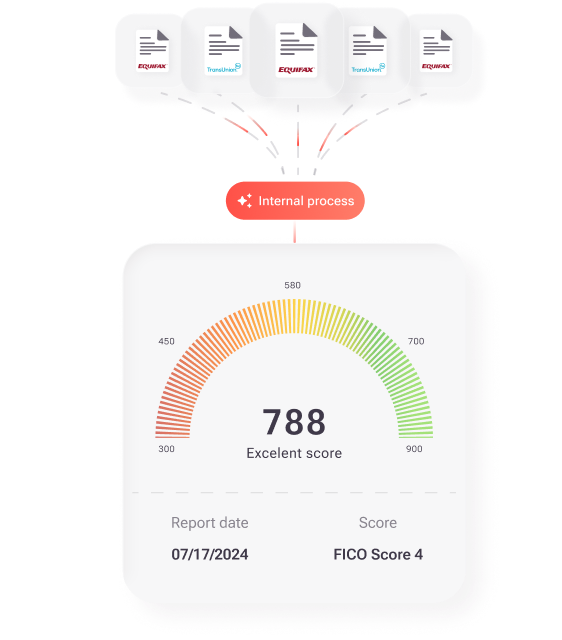
As a direct reseller of TransUnion and Equifax data, not a third-party scraper, TenantEvaluation accesses credit bureau data under strict bureau rules with regular compliance reviews and no gray-market sources. This structure protects community associations from the liability exposure that indirect data pipelines create.
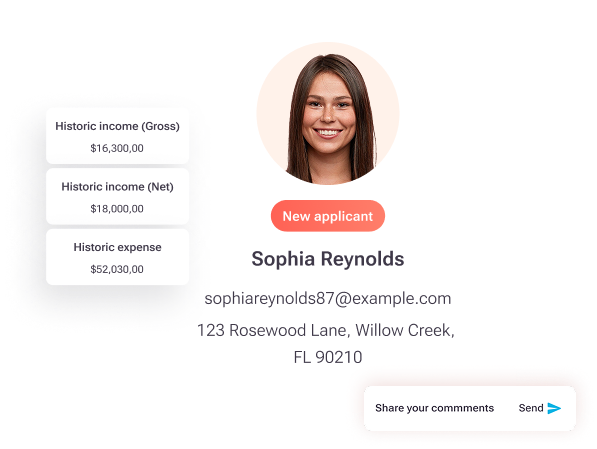
QuickApprove accelerates resident approvals inside one connected platform. It replaces email chains and spreadsheets with real-time application tracking, automated communication support, customized approval letters, and a board-ready voting dashboard, while preserving control, compliance, and visibility. It supports high-volume seasons and communities with complex onboarding requirements.
IDVerify embeds biometric identity verification directly into the screening workflow using government ID validation, AI-powered liveness detection, and biometric selfie-to-ID comparison, all natively inside TenantEvaluation with no external portals. This shift moves communities from document-based validation to biometric-confirmed identity verification before approval decisions.
55+ Communities Verification helps Florida condos and HOAs standardize how age-restricted requirements are handled across applications. It reduces manual work, improves documentation consistency, and strengthens operational efficiency and internal controls.
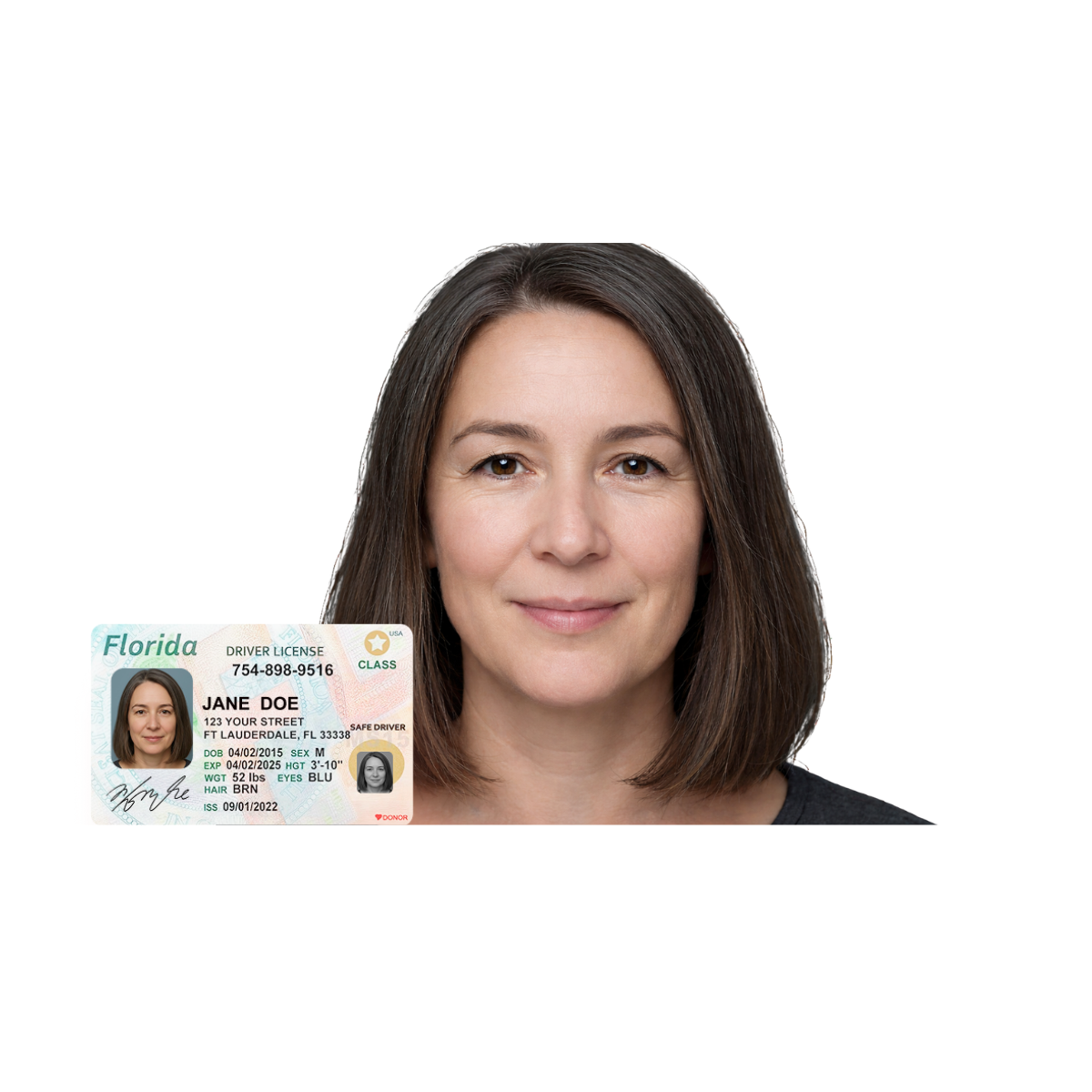
Lease Tracking delivers centralized, real-time lease visibility and lifecycle control from application to occupancy. It connects resident onboarding, unit data, approvals, and lease documentation inside one platform, with real-time lease status, automated lease document collection, unit-level tracking, and audit-ready digital records that replace spreadsheets and scattered email chains.
Request a walkthrough of TenantEvaluation’s complete application-to-occupancy workflow.
TenantEvaluation’s Application-to-Occupancy Workflow
- Application Submission: Applicant receives the Property Code, creates a TenantEvaluation account, and completes a 100% online application. Intelligent form logic rejects incomplete submissions automatically.
- Document Collection: Required documents are uploaded directly through the platform. Smart logic checks for executed leases, valid IDs, and community-specific requirements before the application moves forward.
- Biometric Identity Verification (IDVerify): Applicant completes guided government ID validation and AI-powered liveness detection. Biometric match results appear directly in the screening report for CAM review.
- Background and Credit Screening: Credit, criminal, eviction, income, and reference checks run through direct bureau connections with full FCRA permissible purpose controls and automated adverse action workflows.
- Board Review and Voting (QuickApprove): Board members access a dedicated dashboard with AI-generated applicant summaries and a structured voting panel. All actions are timestamped and auditable.
- Approval and Onboarding: Customized approval letters and a personalized welcome package generate automatically, and the applicant receives real-time notifications.
- Lease Tracking and Occupancy: Lease documentation is collected and connected to unit-level records inside TenantEvaluation. CAMs and boards see real-time lease status from this point through the full occupancy lifecycle.
Comparison: TenantEvaluation vs. Generic Alternatives
The following comparison highlights the critical capability gaps between TenantEvaluation and generic multifamily platforms across the dimensions that most affect Florida association operations: board governance workflows, compliance infrastructure, fraud prevention, and Florida-specific customization.
| Capability | TenantEvaluation | AppFolio / Buildium | RentSpree / TenantCloud |
|---|---|---|---|
| Board dashboard and voting panel | Dedicated board review and voting dashboard with real-time application visibility and a timestamped audit trail | No dedicated board voting dashboard, so approval workflows are managed outside the platform | No board dashboard, since the tools are designed for landlord-tenant use, not association governance |
| Florida-specific association workflows | Built exclusively for Florida community associations and management companies, with custom setup for governing documents and screening criteria | General property management tools that are not configured for HOA or condo governance structures | Generic multifamily tools with no Florida association workflow customization |
| Biometric fraud prevention | IDVerify: government ID validation, AI liveness detection, and biometric selfie-to-ID comparison natively inside the platform | Basic ID upload review with no native biometric verification layer | No biometric verification and document-upload-only workflows |
| FCRA reseller status and compliance | Direct TransUnion and Equifax reseller with strict permissible purpose controls, automated adverse action, and built-in audit trails | Third-party screening integrations where FCRA compliance depends on external vendor configuration | Third-party bureau access with no documented reseller status, so compliance responsibility falls on the user |
TenantEvaluation’s revenue-sharing model, where application fees offset platform costs and generate a rebate back to the association, does not exist in subscription-based platforms like AppFolio or RealPage that charge fixed monthly fees regardless of application volume or outcomes.
Frequently Asked Questions
Does TenantEvaluation integrate with existing property management software?
TenantEvaluation operates as an all-in-one platform that handles application intake, screening, board approvals, and lease tracking inside one connected ecosystem. It complements existing property management tools used by Florida community associations and management companies rather than replacing them. CAMs and operations teams can continue using their accounting or management software while running the full resident screening and onboarding workflow through TenantEvaluation. The platform’s centralized Lease Tracking capability connects onboarding, unit data, approvals, and lease documentation in one place, which reduces the need to reconcile data across multiple disconnected systems.
How much time can a Florida CAM realistically save using TenantEvaluation?
TenantEvaluation’s automated workflows can free up to 50 hours of staff time per day for management companies that previously handled applications manually. Application processing time drops from a multi-day manual cycle to roughly 5–10 minutes per application. Approval cycles shrink by up to 70% through QuickApprove’s connected workflow, which removes manual follow-ups, email chains, and disconnected board communications. These gains compound across high-volume seasons and large portfolios, allowing teams to scale onboarding without adding headcount.
How does the board dashboard work inside TenantEvaluation?
Board members access a dedicated review and voting panel inside TenantEvaluation that provides real-time application status, AI-generated applicant summaries, and a structured voting workflow. Every action taken by a board member is timestamped and recorded in an auditable log, which creates a defensible record of the approval process. This approach replaces the common practice of emailing application packets to board members and waiting for responses, which creates delays, version-control issues, and gaps in the audit trail. The board dashboard forms a core component of QuickApprove and does not exist in generic multifamily screening platforms.
What makes IDVerify+ different from standard ID upload verification?
Standard document-upload verification confirms that an applicant submitted an image of an ID, but it does not confirm that the person submitting the application is the person on that ID. IDVerify+ adds three layers that document review cannot match: government-issued ID authenticity validation, AI-powered liveness detection that confirms physical presence in real time, and biometric facial matching that compares the applicant’s live selfie to the ID photo using facial landmark recognition. All three layers run natively inside TenantEvaluation with no external portals or workflow disruption. CAMs see verification results embedded directly in the screening report, including ID authenticity status, liveness confirmation, and biometric match result.
What is Lease Tracking and how does it replace spreadsheets?
Lease Tracking is a centralized operational capability built directly into TenantEvaluation that connects resident onboarding, unit data, approvals, and lease documentation into one real-time workflow. It provides real-time lease status visibility, including active, pending, expired, or missing, for every unit in a community’s portfolio. Lease documents are collected automatically during the onboarding process and stored in a searchable digital history tied to each unit’s occupancy record. CAMs and boards can confirm occupancy status, track lease expirations, and access historical records instantly without searching across folders, inboxes, or spreadsheets. The result is an audit-ready lease record for every unit from application submission through occupancy.
Conclusion: Choosing a Platform Built for Florida Associations
Florida community associations evaluating tenant screening software with integration in 2026 face a clear decision. They can continue using generic multifamily tools that address isolated parts of the workflow, or they can adopt a platform built specifically for association governance, FCRA compliance, and the full application-to-occupancy lifecycle.
The evaluation framework remains straightforward. Compliance readiness, board visibility, biometric fraud prevention, integration depth, and lease lifecycle control now function as operational requirements for Florida CAMs and boards managing shared-governance communities under increasing regulatory scrutiny.
TenantEvaluation accelerates resident approvals inside one connected platform, replaces email chains and spreadsheets, and manages the process from application to occupancy in a single system. With the scale and track record described earlier, plus direct credit bureau reseller status and a 4.8/5 Google rating, TenantEvaluation stands out as the leading resident screening and onboarding platform built exclusively for Florida community associations.
