
Key Takeaways
- Condominium associations in Florida reduce legal and administrative risk when they use rental application systems built around state regulations, FCRA rules, and community bylaws.
- Digital, all-in-one platforms with intelligent forms, secure payments, and automated document checks shorten approval timelines and cut down on manual follow-up.
- Advanced screening tools, including ID verification, income checks, and credit and background reports, give boards a clearer view of each applicant and support more consistent decisions.
- Board-focused dashboards, strong security, and detailed audit trails create transparency for approvals while protecting sensitive applicant data.
- Tenant Evaluation helps Florida condominiums and HOAs modernize applications, screening, and approvals while keeping costs predictable. Get started with Tenant Evaluation.
The Critical Need: Why Specialized Rental Application Systems Are a Must for Condominiums
Florida condominium associations face heavy administrative workloads when they rely on paper forms, email, and generic software. Community Association Managers often spend hours chasing missing documents, clarifying requirements, and coordinating with applicants, realtors, and owners. This effort increases labor costs and leaves more room for compliance mistakes.
Regulatory missteps around Florida law or Fair Credit Reporting Act rules can lead to penalties and reputational damage. Handling Social Security numbers and banking details in email or on paper also raises the risk of a data breach.
Specialized rental application systems address these issues by automating workflows, enforcing compliance rules, and protecting sensitive data. Modern HOA and condo association software focuses on community management needs, not only generic rental workflows. For many associations, a well-designed platform turns applications from a cost center into a predictable, trackable process that can even support new revenue.
1. All-in-One Online Platform with Intuitive Design
Description
An effective rental application system centers everything in one digital space. Applicants should submit forms, upload documents, sign electronically, pay fees, and complete screening steps through a single web and mobile interface.
Significance
A unified online platform cuts out paper and after-hours office visits. Features such as e-signatures, online payments, and automated lease workflows reduce manual data entry and document handling, so managers can focus on exceptions instead of routine tasks.
Real-World Impact
Digital applications frequently move from submission to decision in days instead of weeks. Shorter timelines reduce vacancy days, help realtors close faster, and lower the volume of status calls to the management office.
2. Florida-Specific Compliance and Customizable Setup
Description
Specialized systems for Florida condominiums embed state statutes, association bylaws, and custom screening criteria directly into the application flow. The platform should handle different paths for tenants and purchasers, customized questions, required documents, and community rules.
Significance
Automated compliance checks reduce reliance on memory or manual checklists. The system flags incomplete or noncompliant submissions before they reach the board, which lowers legal exposure and simplifies audits.
Real-World Impact
Associations that configure rules once and keep them updated in software avoid many common mistakes, including missing disclosures or inconsistent document requests. This structure supports fair treatment for all applicants and more predictable outcomes for the association.
3. Intelligent Form Logic and Automated Document Review
Description
Smart forms adapt to applicant type, relationship to the unit, and community rules. Strong systems verify ID details, check that required leases and addenda are attached, and block submission until mandatory fields and documents are in place.
Significance
Intelligent form logic reduces incomplete or incorrect applications, which are a major source of delays. Managers spend less time tracking down signatures or missing pages and more time reviewing complete files.
Real-World Impact
Automation in form review allows one team to manage more units without increasing headcount. Associations that adopt this approach report shorter approval timelines and fewer back-and-forth emails with applicants.
See how Tenant Evaluation automates forms, documents, and screening for your condominium or HOA.

4. Enhanced Security, Auto-Redaction, and Audit Trails
Description
Modern application platforms should meet PCI Level 1 standards for payment processing, use encryption for data in transit and at rest, and automatically redact sensitive information such as full Social Security numbers and account details. Comprehensive audit logs should track who accessed or changed each record.
Significance
These security practices protect residents and the association during and after the application process. Auto-redaction prevents oversharing of sensitive data with board members or staff who do not need to see it.
Real-World Impact
Associations with strong data protection practices reduce the likelihood and cost of a security incident. Transparent audit trails also help resolve disputes about approvals, denials, and board decisions.
5. Dedicated Board Member Dashboard for Streamlined Approvals
Description
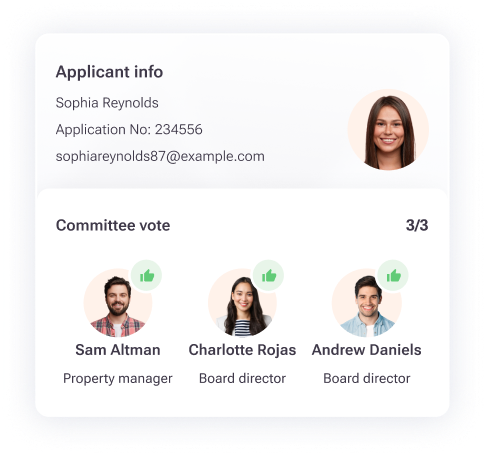
A board-focused dashboard gives directors one place to review applications, read AI-generated summaries, vote electronically, and see overall status. Access should be secure, mobile friendly, and limited to what board members need for decisions.
Significance
This structure replaces long email threads and scattered PDF packets. Board members receive organized, consistent information for every applicant and can act promptly without waiting for the next meeting.
Real-World Impact
Associations that move board approvals into a dedicated portal often cut weeks from their timelines. Faster, documented decisions keep applicants engaged, help realtors plan closings, and reduce friction between boards and management.
6. Comprehensive Resident Screening with Advanced Analytics
Description
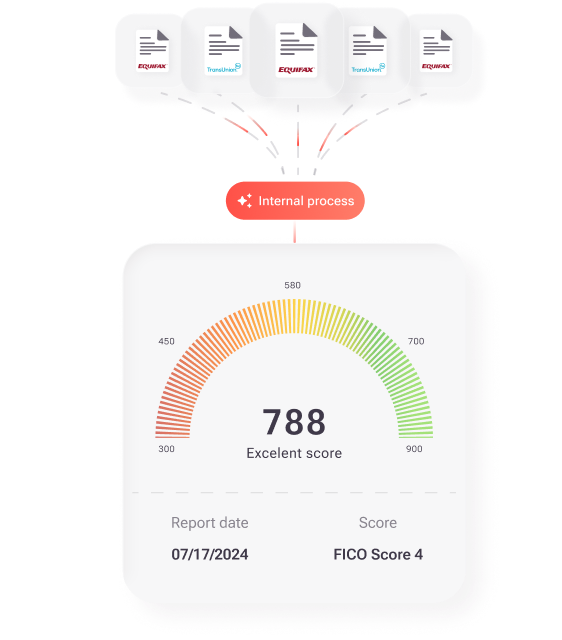
Effective systems combine ID verification, verified income reports, nationwide criminal and eviction searches, credit data, and reference checks. Many platforms also provide dashboards that show trends in applicant profiles, approval rates, and other community metrics.
Significance
Complete screening gives boards a fuller view of each applicant’s stability and risk profile. Analytics help leadership understand who is applying and moving in, which informs future policy and amenity decisions.
Real-World Impact
Associations with consistent screening standards often see fewer disputes and collections issues. Trend data can support decisions such as expanding EV charging, updating pet rules, or adjusting income and credit benchmarks.
7. Revenue Generation and Cost-Neutral Models
Description
Some platforms collect application and screening fees directly from applicants and share a portion with the association. The software costs may be built into these fees, which can make the system effectively cost neutral for the board.
Significance
Revenue-sharing models help offset management and technology expenses. For budget-conscious communities, this approach makes it easier to justify an upgrade from manual or generic tools.
Real-World Impact
A community that processes steady application volume can generate funds for lobby updates, security improvements, or reserves, without increasing regular assessments solely to pay for software.
Comparison: Why Specialized Platforms Outperform Generic Options for Condominiums
Specialized condominium platforms differ from generic property management software in how they handle compliance, security, and approvals. Features are built around association workflows rather than basic landlord-tenant needs.
Comparison Table: Best Rental Application Systems for Condominiums: Specialized vs. Generic
|
Feature |
Specialized Condominium Platform |
Generic Property Management Software |
Manual Process |
|
FL-Specific Compliance |
Tailored, rules-based automation |
Limited or manual customization |
Manual research and tracking |
|
Board Member Dashboard |
Yes, with voting and summaries |
Basic reporting only |
Email and in-person meetings |
|
Intelligent Form Logic |
Dynamic forms with auto-reject |
Static forms |
Manual review |
|
Auto-Redaction |
Built-in PII redaction |
Limited or none |
Manual editing |
Specialized platforms such as Tenant Evaluation focus on condominium and HOA requirements, which supports better compliance, stronger data security, and smoother collaboration between managers and boards.
Request a walkthrough of Tenant Evaluation for your community.
Frequently Asked Questions (FAQ)
Specialized condominium application systems and Florida regulations
Specialized systems embed Florida landlord-tenant statutes, condominium rules, and federal standards such as the Fair Credit Reporting Act into their workflows. Built-in logic enforces required disclosures, timelines, and notices so staff spend less time researching rules and more time managing exceptions.
Integrating application systems with existing management or accounting software
Many modern application platforms offer APIs and direct integrations that connect to popular accounting and property management tools. Associations then maintain a single source of truth for resident records while using specialized software for applications and screening.
Support for applicants, managers, and board members
Leading providers typically offer live or on-demand assistance for both applicants and administrators. Support often includes help with account access, document upload, screening status, and board portal use, which reduces the number of technical questions reaching the management office.
Board dashboards and faster application approvals
Board dashboards simplify approvals by collecting all application details, summaries, and voting tools in one secure view. Directors can log in on their schedule, review what they need, and cast a decision with a clear audit trail, which shortens timelines and reduces confusion.
Conclusion: Using Rental Application Systems to Strengthen Condominium Management in 2026
The seven features outlined above form a practical checklist for Florida condominium associations in 2026. All-in-one online access, Florida-specific compliance, smart forms, strong security, board dashboards, comprehensive screening, and revenue options work together to reduce friction for everyone involved.
Associations that invest in specialized rental application systems tend to see lower administrative workloads, clearer compliance records, and faster approvals. These gains support better service to residents and a more predictable experience for applicants and realtors.
Get started with Tenant Evaluation and modernize your condominium or HOA application process.